Browse your products by criteria

29 profiles
Color Vibrancy
Bitterness
Frothability
Natural Sweetness
Umami
Astringency
Body
Smoothness
Finish
29 products
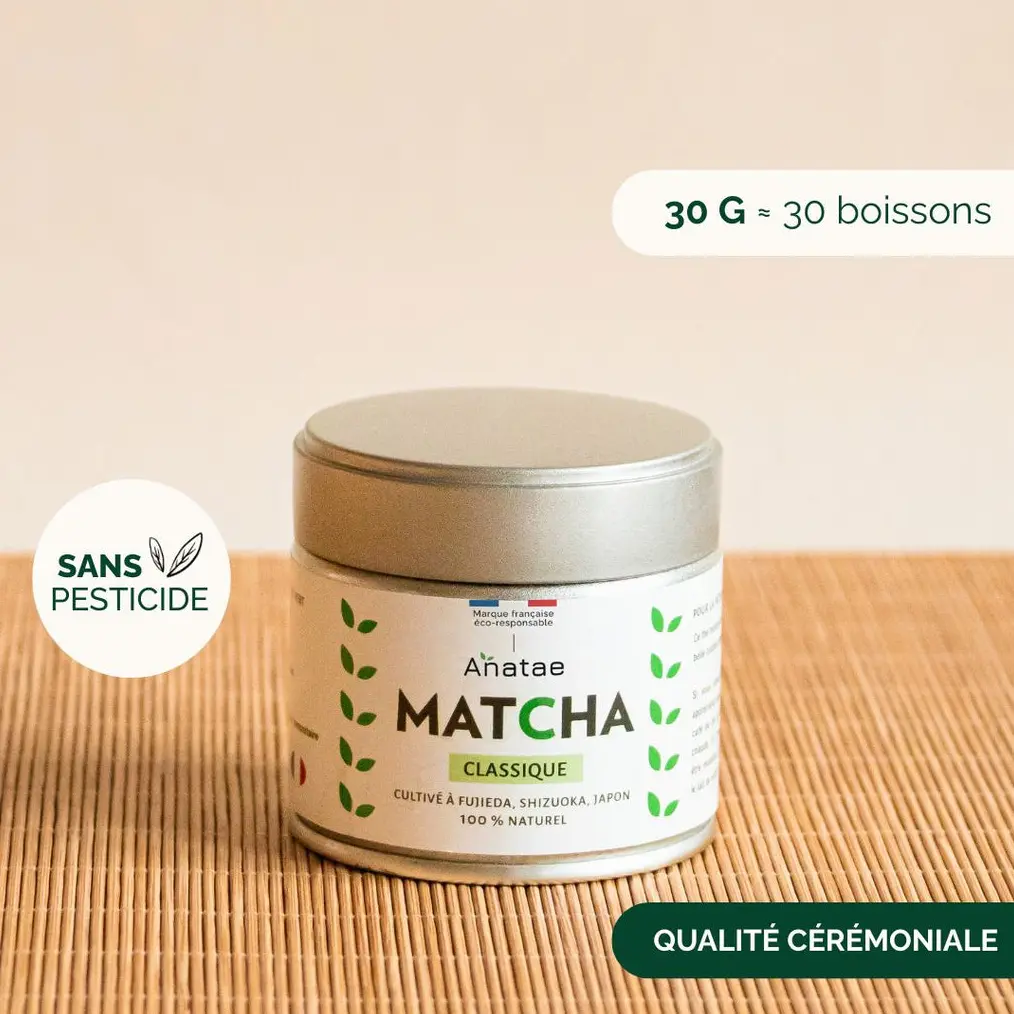
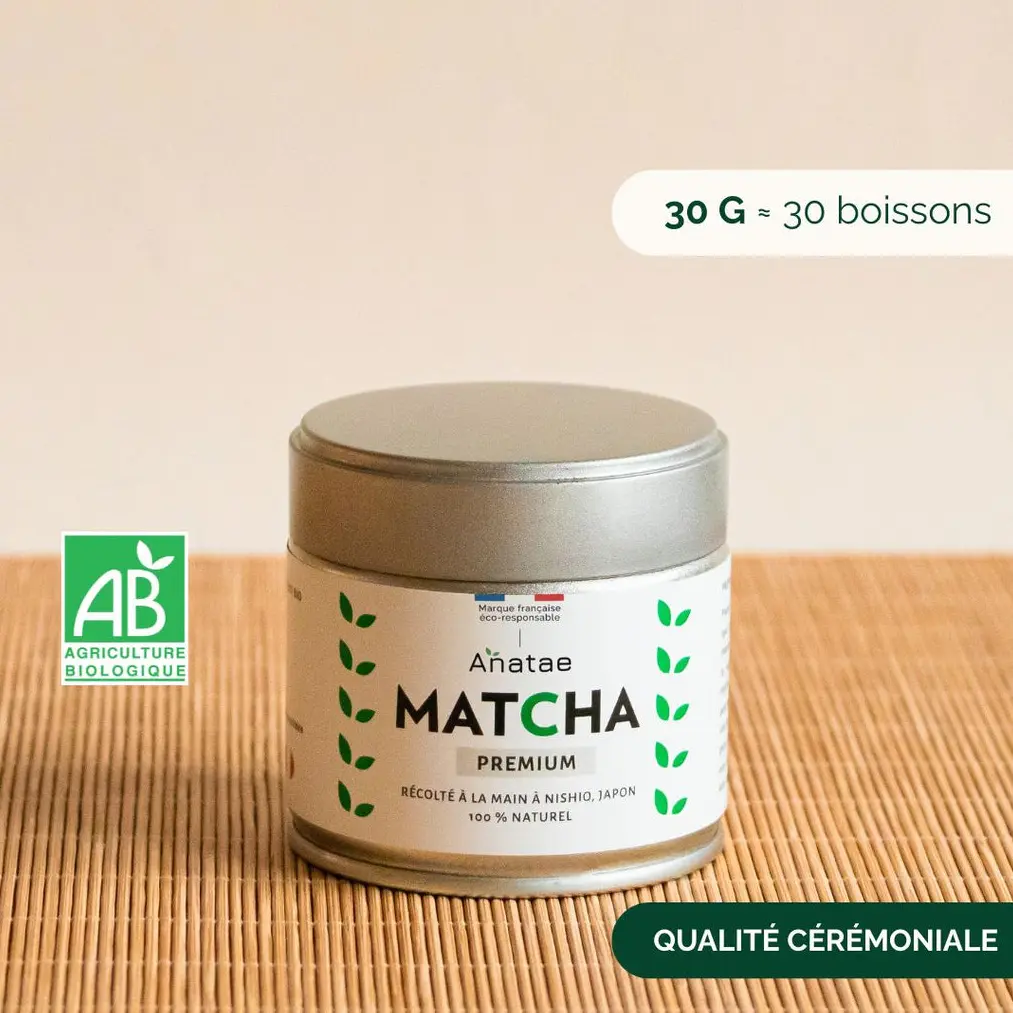
Anatae Premium Matcha 30 g tin with silver lid and French organic agriculture logo
Anatae $1.1 / g

Anatae Premium Organic Matcha

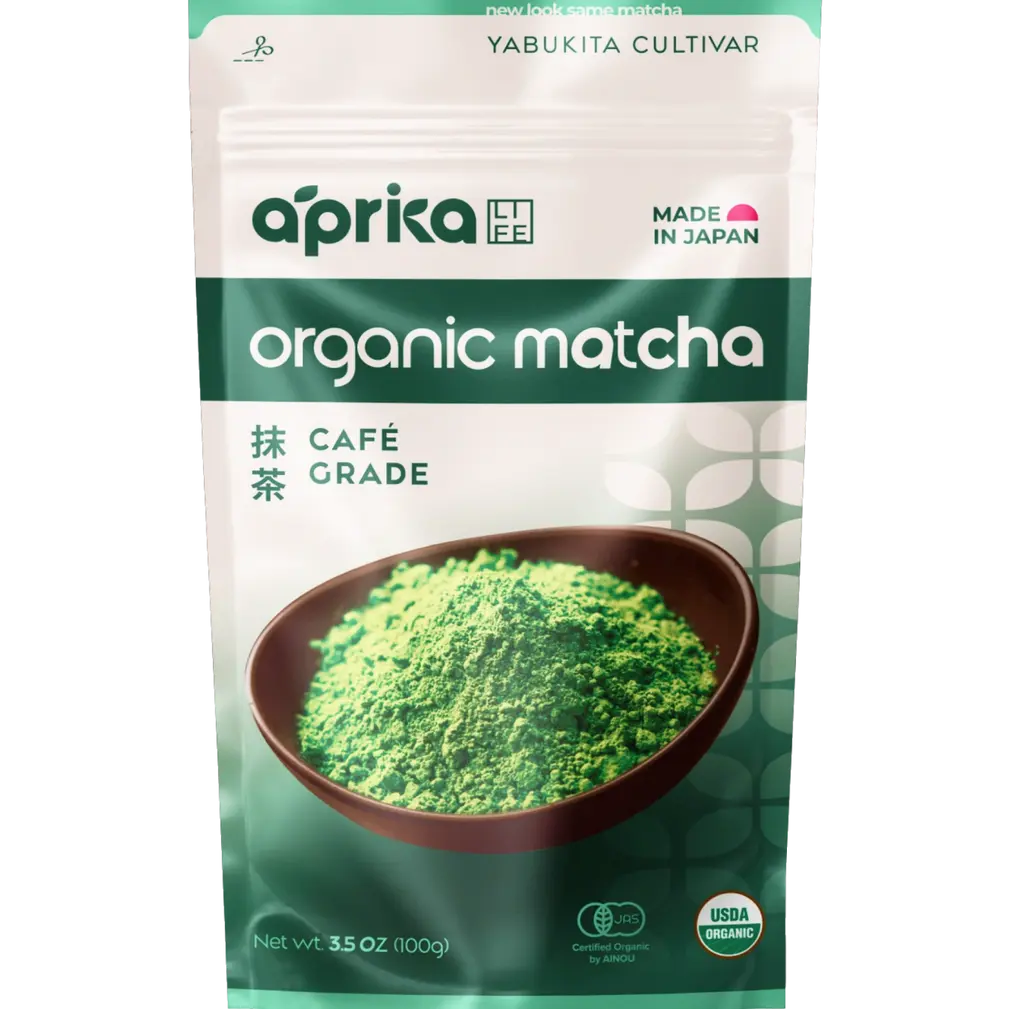
Front of an Aprika Life organic café-grade matcha pouch with a bowl of green matcha powder
Aprika Life $0.4 / g 10% OFF

Aprika Life Organic Matcha

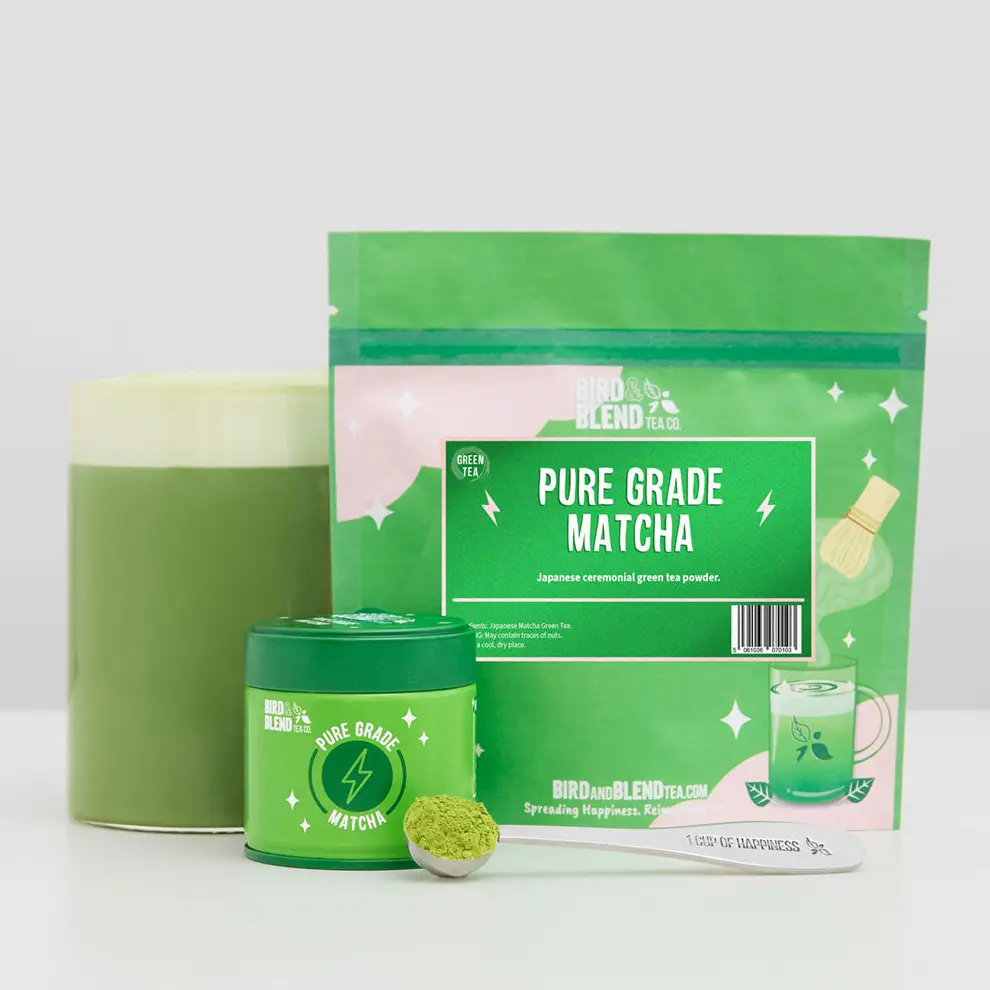
Green Bird & Blend matcha pouch and tin beside a glass of prepared matcha and a spoonful of powder

Bird & Blend Ceremonial Grade Matcha

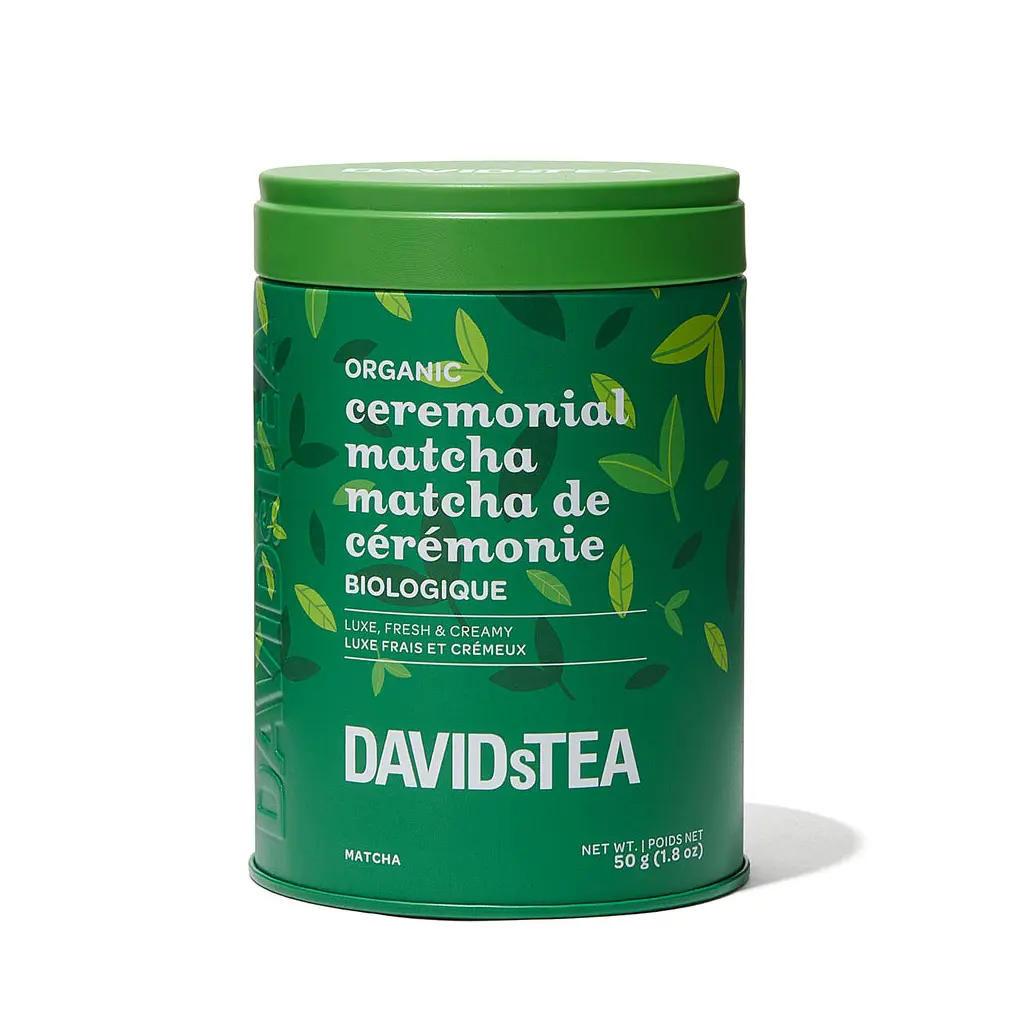
Green DAVIDsTEA organic ceremonial matcha tin with leaf pattern and bilingual label
David’s Tea $0.5 / g

DAVIDsTEA Organic Ceremonial Matcha

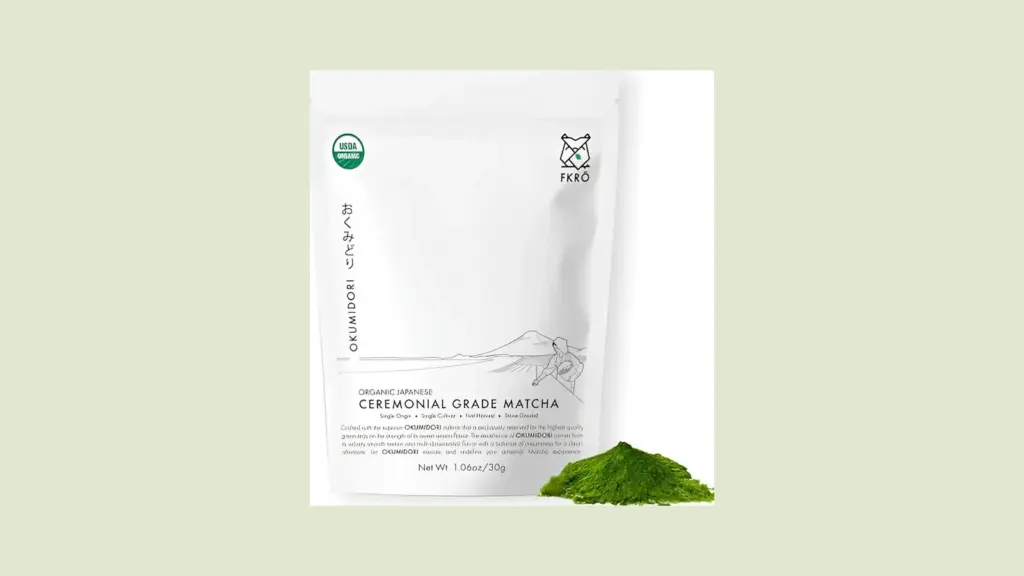
FKRŌ Matcha $0.9 / g 10% OFF

FKRŌ Ceremonial Grade Okumidori Matcha

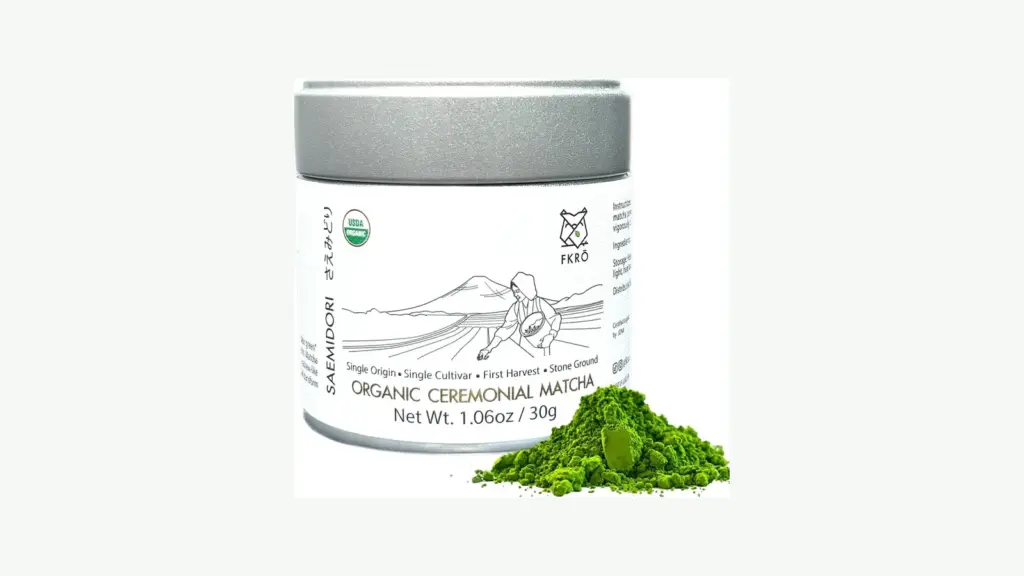
FKRŌ Matcha $1 / g 10% OFF

FKRŌ Saemidori Ceremonial Matcha

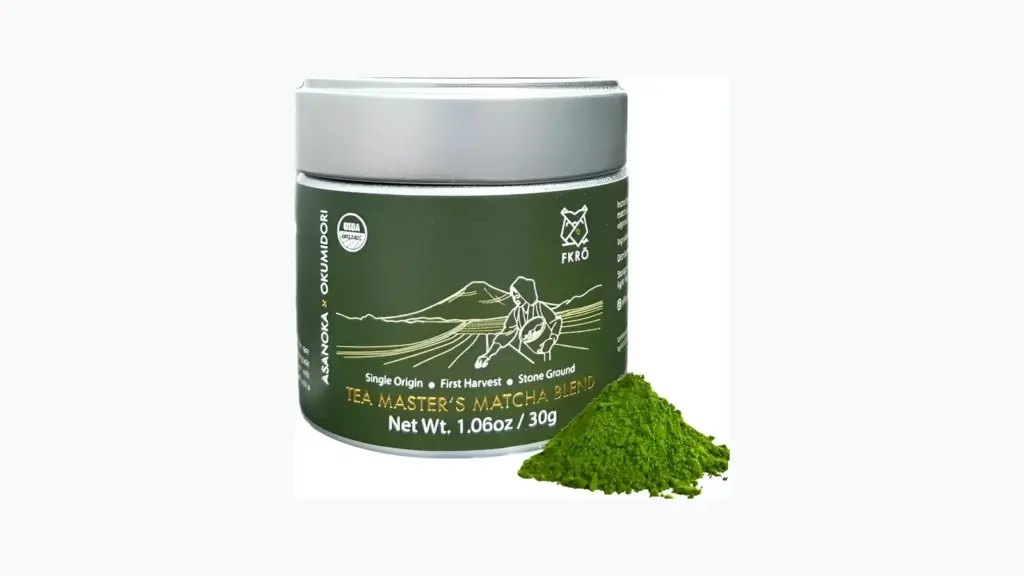
FKRŌ Matcha $0.9 / g 10% OFF

FKRŌ Tea Master’s Organic Ceremonial Matcha

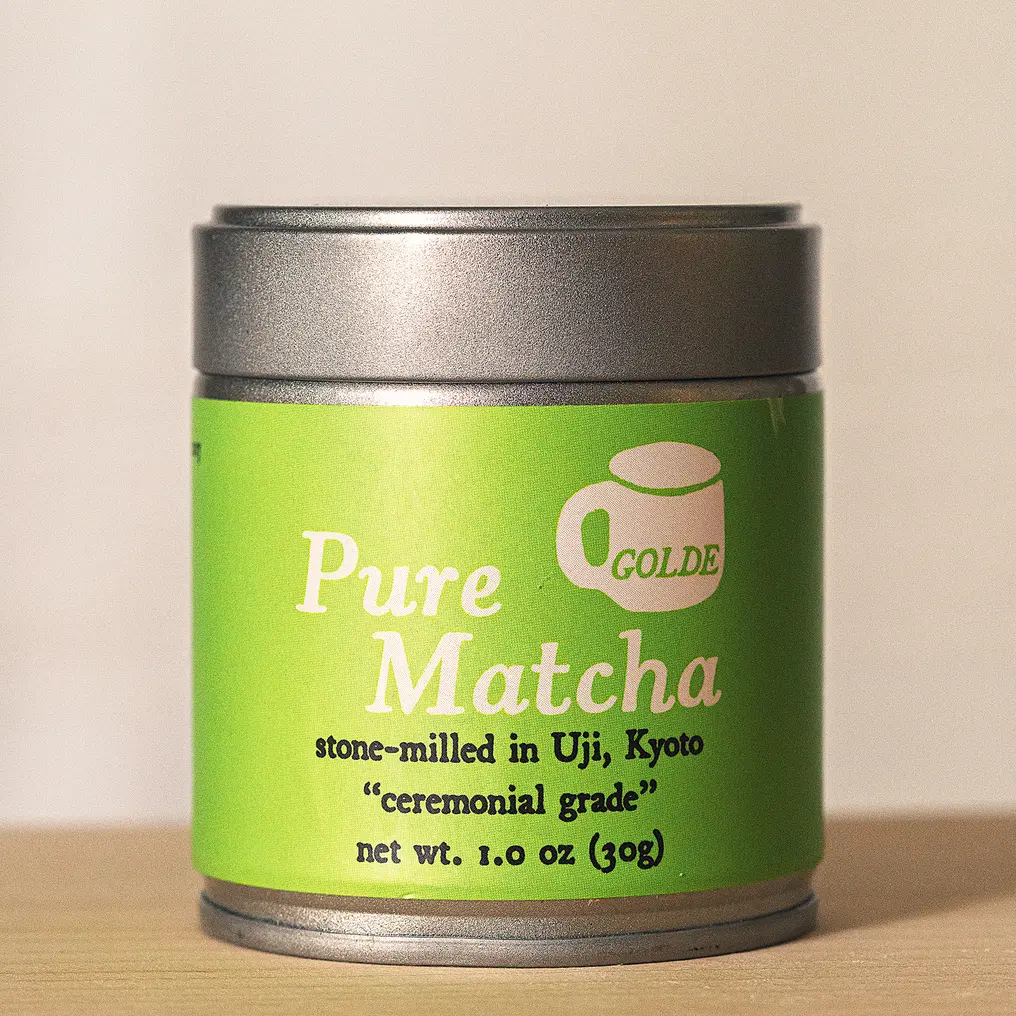
Golde Pure Matcha metal tin with a green label on a wooden surface

Golde Pure Matcha Ceremonial Grade

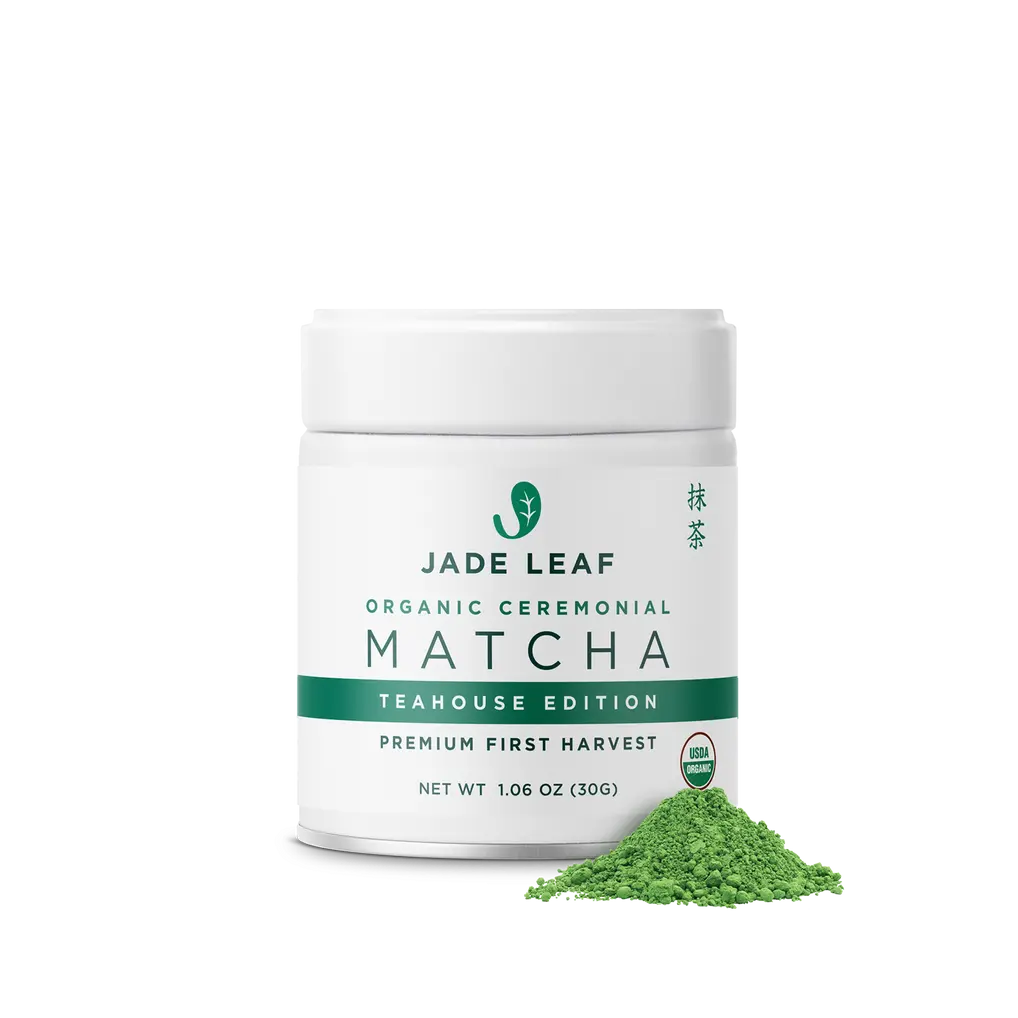
White Jade Leaf Teahouse Edition matcha tin with a small pile of green powder

Jade Leaf Matcha Organic Ceremonial Teahouse Edition

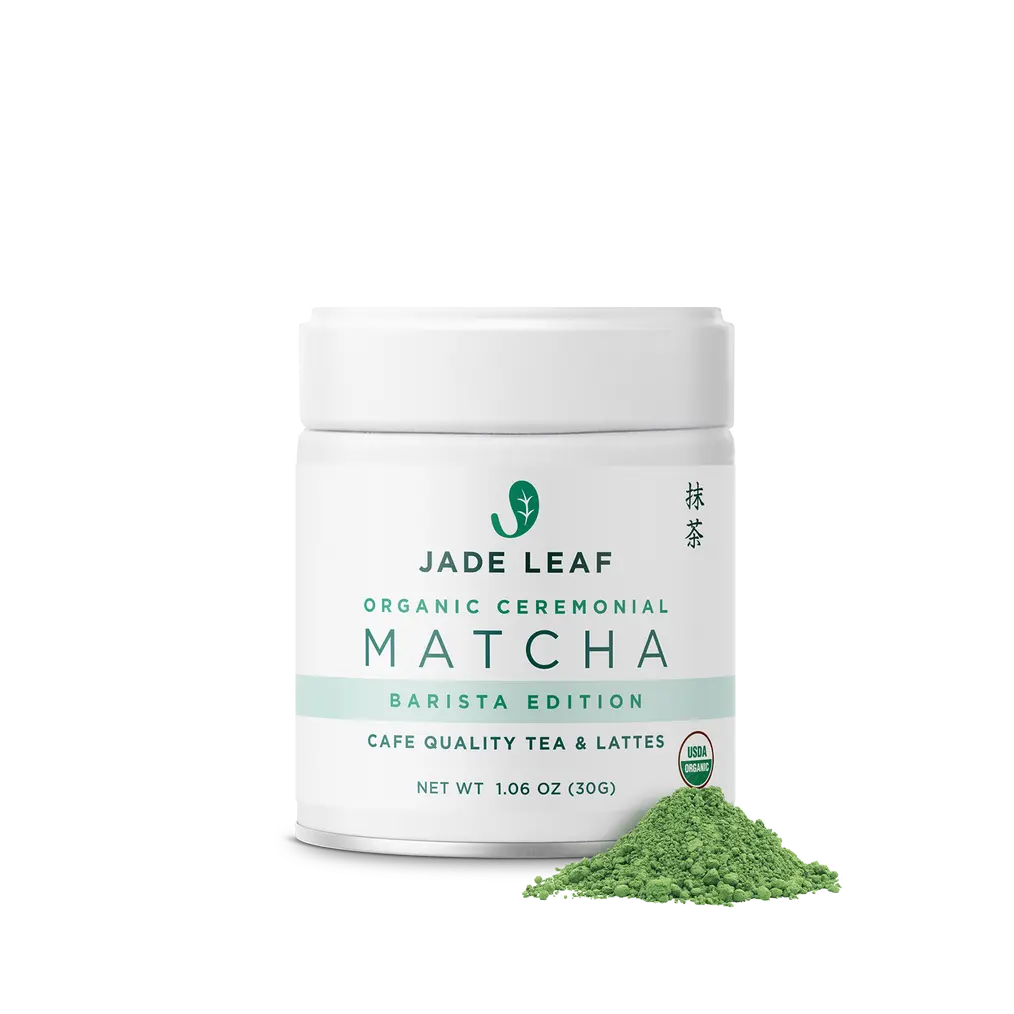
White Jade Leaf Organic Ceremonial Barista Matcha jar beside a pile of green matcha powder

Jade Leaf Organic Ceremonial Barista Matcha

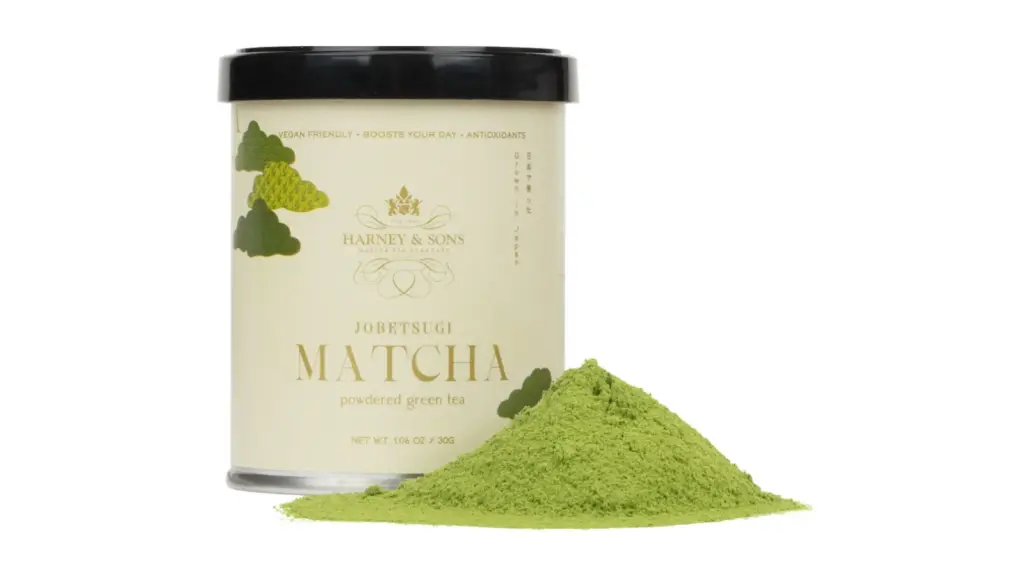
Harney & Sons Jobetsugi matcha tin and matcha powder fully visible
Harney & Sons $0.7 / g

Jobetsugi Ceremonial Matcha (Thin Grade)

How the profiles are created

1. Product-specific reviews are collected from the brand’s official review source.

2. Only passages that describe a sensory characteristic of the exact product are kept.

3. An audit is performed to spot duplicate wording, available authorship signals, product attribution and suspicious review patterns.

4. Criterion are generate when at least five independent reviews contribute to qualifying observations.

What are the criteria are important when tasting matcha ?

When tasting matcha, look beyond whether you simply like it. Compare its appearance, flavor, mouthfeel, foam, and aftertaste separately. Best Matcha’s profiles use nine criteria to help you describe those differences:
  • Color vibrancy: How bright and saturated is the green? Compare samples under the same lighting, ideally in white bowls. An attractive color is worth noting, but it does not prove quality, freshness, or authenticity on its own.
  • Umami: The savory taste that may remind you of broth or seaweed. Notice whether it is subtle, clearly present, or intense, and how it fits with the other flavors.
  • Natural sweetness: The sweet impression of the matcha itself, without milk, sugar, or syrup. Look for a gentle sweetness during the sip or afterward, rather than expecting the sweetness of a sweetened drink.
  • Bitterness: A taste that can range from barely noticeable to strong and persistent. A little can add contrast; the useful question is whether it feels balanced or overwhelms the cup.
  • Astringency: The drying, tightening, or puckering sensation across your tongue, gums, and cheeks. This is something you primarily feel, not a bitter taste. Notice whether it is gentle or leaves your mouth uncomfortably dry.
  • Body: The weight and thickness of the drink in your mouth. Does it feel light and delicate, medium-weight, or full and coating? A thicker cup is not automatically a better one.
  • Smoothness: How fine and uniform the texture feels, from gritty or chalky to silky. Check that the powder is properly sifted and dispersed before attributing roughness to the matcha itself.
  • Frothability: How easily the matcha forms an even layer of fine foam. Use the same whisking method for each sample, and observe both the effort required and how well the foam holds.
  • Finish: How pleasant the aftertaste feels once you swallow. Is it clean and balanced, or harsh and distracting? Record how long it lasts separately: a longer aftertaste is not necessarily more enjoyable.

For a fair comparison, keep preparation consistent: use the same powder weight, water volume, water temperature, and whisking method. Taste with water first, then compare in a latte using the same milk and recipe if that is how you usually drink it. Smell the powder and prepared tea too: aroma adds useful context beyond these nine criteria.

The goal is to find the profile you enjoy, not the highest level on every scale. These characteristics describe different aspects of the cup, not a universal quality score.

Questions about these profiles

What is a matcha taste profile?

A taste profile summarizes recurring sensory observations reported for one exact product. It shows how reviewers describe characteristics such as:
  • color
  • vibrancy,
  • natural sweetness,
  • bitterness,
  • body,
  • smoothness,
  • frothability and finish.
The levels describe reported intensity, not overall quality. Unless stated otherwise, profile rankings have not been performed by Best Matcha.

Has Best Matcha personally tasted these products?

No. These profiles summarize recurring sensory observations from relevant consumer reviews. They are not personal tasting notes from Best Matcha.

Is a taste profile an overall product rating?

No. Each criterion describes reported intensity. The profiles do not calculate a universal quality score or rank products from best to worst.

How the averages are generated ?

At least 5 independent, relevant reviews are required for each published criterion. Exact duplicates, close copies, suspicious review groups and wrong-product evidence are excluded.

Why are some criteria missing?

A criterion stays unpublished when fewer than five independent, relevant observations remain after the authenticity audit.

Where do the reviews come from?

The current profiles use reviews published through each brand’s official product review source. Source publication does not guarantee authenticity, so every selected review is audited before it contributes to a criterion.