Who is Matcha Source?

Matcha Source was founded in Los Angeles by Alissa White in 2006, making it one of the earliest matcha-only businesses in the American market and a rare case of a matcha brand with a documented history stretching back before the category's boom.

It sells graded matcha for drinking and cooking, and works with a long-established Japanese tea farm.

Matcha Source in details

Matcha Source is among the genuinely oldest matcha-only specialists in the United States. Alissa White registered the company in California in September 2006 and the domain that May — years before matcha reached the mainstream.

That longevity is the point of difference. The brand was covered by NPR, Wallpaper* and Eater during the 2015 wave of matcha interest, and for a time ran Matcha Box, a Los Angeles matcha bar, since closed.

About the Matcha Source Matcha

Matcha Source sells matcha across drinking and culinary grades rather than around flavours or rituals.

Range

  • Graded matcha for whisking, including a Classic Grade everyday tier and higher grades for drinking straight.
  • Culinary and bulk formats for baking and food service.
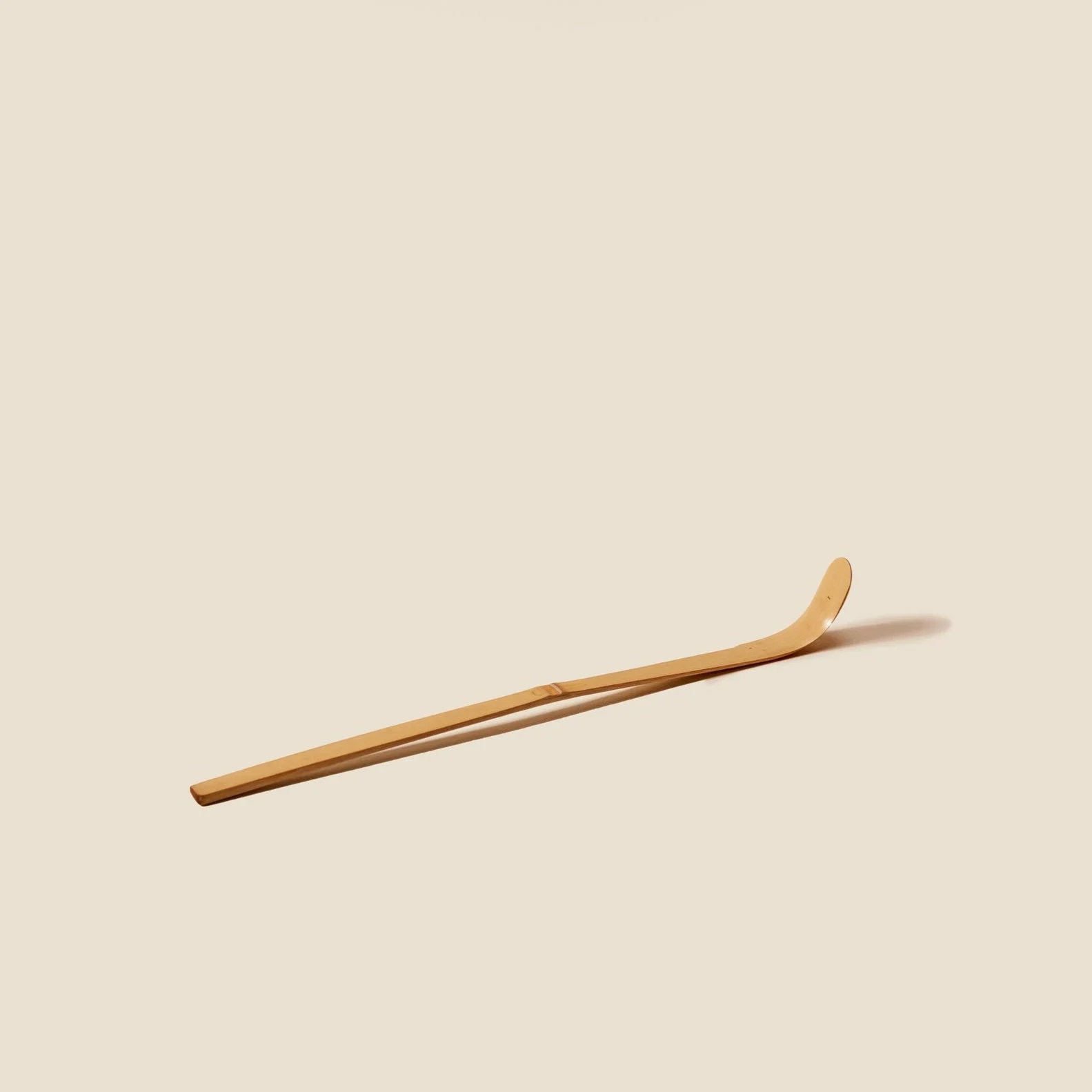
  • Preparation tools and gift options.

Testing and claims

The brand states it receives documentation from its Japanese partners showing no detectable levels of caesium-134 or caesium-137, and describes air, water and soil testing — a residue-testing posture few matcha sellers publish at all.

Two caveats worth knowing. Its kosher claim is self-declared, with no certifying agency named. And “organic” appears in one product name without a certifier on the page. Treat both as brand statements rather than verified certifications.

Harvest location

Matcha Source publishes less geographic detail than its age might suggest.

What it does say

The brand describes tea “farmed by the Yahagi river, whose micro-climate and misty fog air make for ideal growing conditions”, and independent reporting by NPR described it as working with a century-old tea farm in Japan. Its own successor material refers to teas from “centuries old farms” in Japan's “most distinguished growing regions”.

No prefecture, farm name or cultivar is published anywhere. So the sourcing story is evocative and partly corroborated by third-party reporting, but not traceable in the way that a named producer or cultivar would be.

Matcha Source History

Alissa White registered Matcha Source LLC with the California Secretary of State on 28 September 2006 (entity number 200627910128) and registered matchasource.com that May — a founding date independently corroborated by Eater in 2015.

The brand drew significant press during the 2015 surge of interest in matcha: NPR's Tea Tuesdays series, Wallpaper*, and Eater's matcha taste test. It also ran Matcha Box, a Los Angeles “matcha-teria” on West 3rd Street, which the brand has since announced as closed, and earlier pop-ups in New York and Venice, California.

May 1, 2006

The matchasource.com domain was registered in May 2006 as Alissa White prepared one of the earliest matcha-focused businesses in the United States.

September 28, 2006

Alissa White registered Matcha Source LLC with the California Secretary of State on 28 September 2006.

January 1, 2015

During the 2015 surge of American interest in matcha, Matcha Source appeared in coverage from NPR, Wallpaper and Eater and operated its Matcha Box venue in Los Angeles.

Frequently asked questions

Here are some frequently asked questions and answers.

How old is Matcha Source?

It is one of the oldest matcha-only specialists in the US market. Alissa White registered Matcha Source LLC with the California Secretary of State on 28 September 2006 and registered the domain that May. Eater independently corroborated the 2006 founding in 2015. Very few matcha brands have a documented history predating the category's popularity.

Has Matcha Source been covered by the press?

Yes, notably during the 2015 wave of matcha interest: NPR's Tea Tuesdays series, Wallpaper*, and Eater's matcha taste test all covered the brand or its founder. That third-party coverage is unusual in this category, where most brands' “as seen in” claims are unlinked logo walls.

Did Matcha Source have a physical shop?

It ran Matcha Box, a Los Angeles “matcha-teria” on West 3rd Street, which the brand has announced as closed. It also operated earlier pop-ups, including one in New York in summer 2010 and a concession in Venice, California. The business now operates online.

How specific is Matcha Source about origin?

Less than you might expect. It describes tea farmed by the Yahagi river and refers to centuries-old Japanese farms, and NPR independently reported it works with a century-old farm — but no prefecture, farm name or cultivar is published. Its kosher claim is also self-declared with no certifying agency named, and “organic” appears in one product name without a certifier.