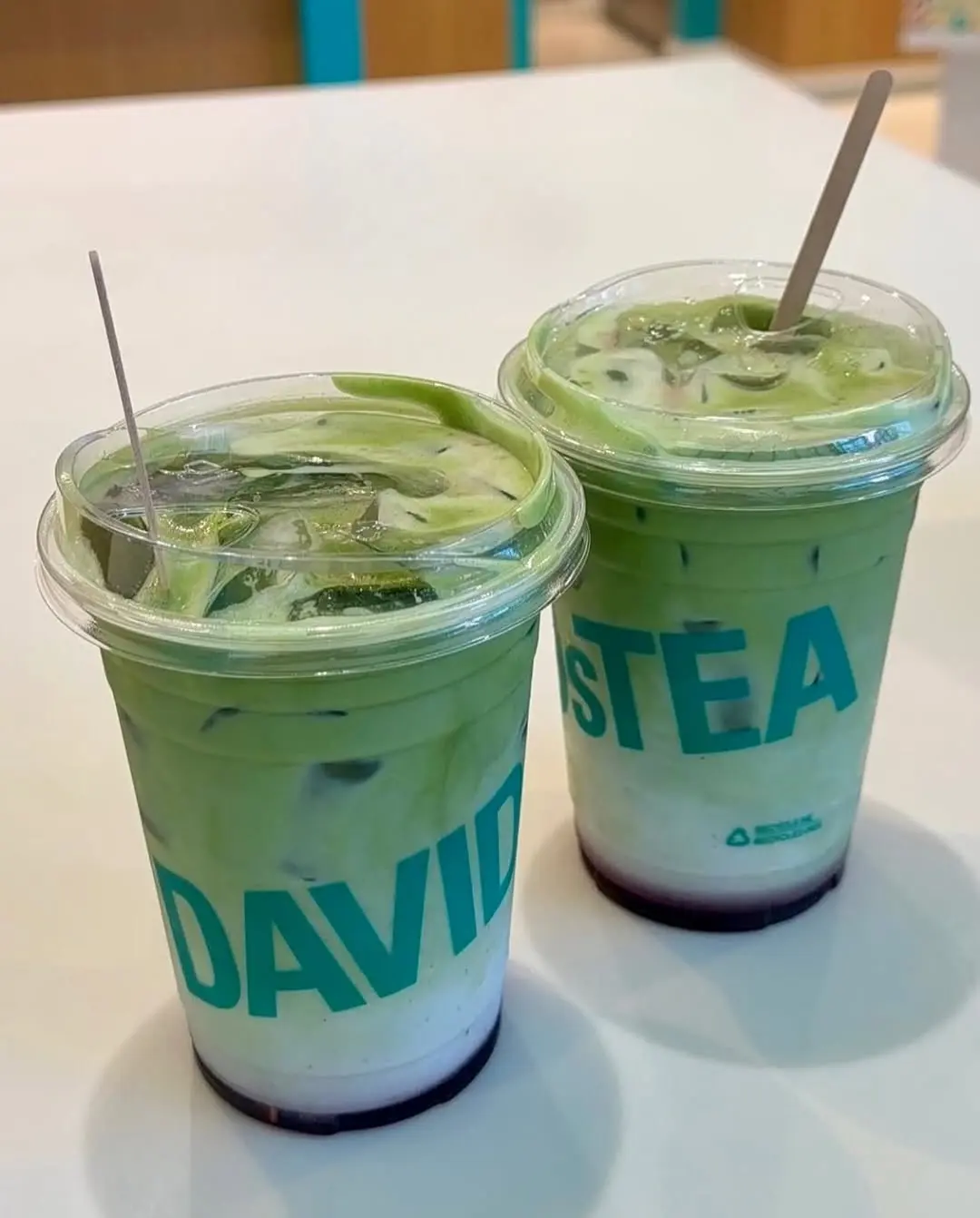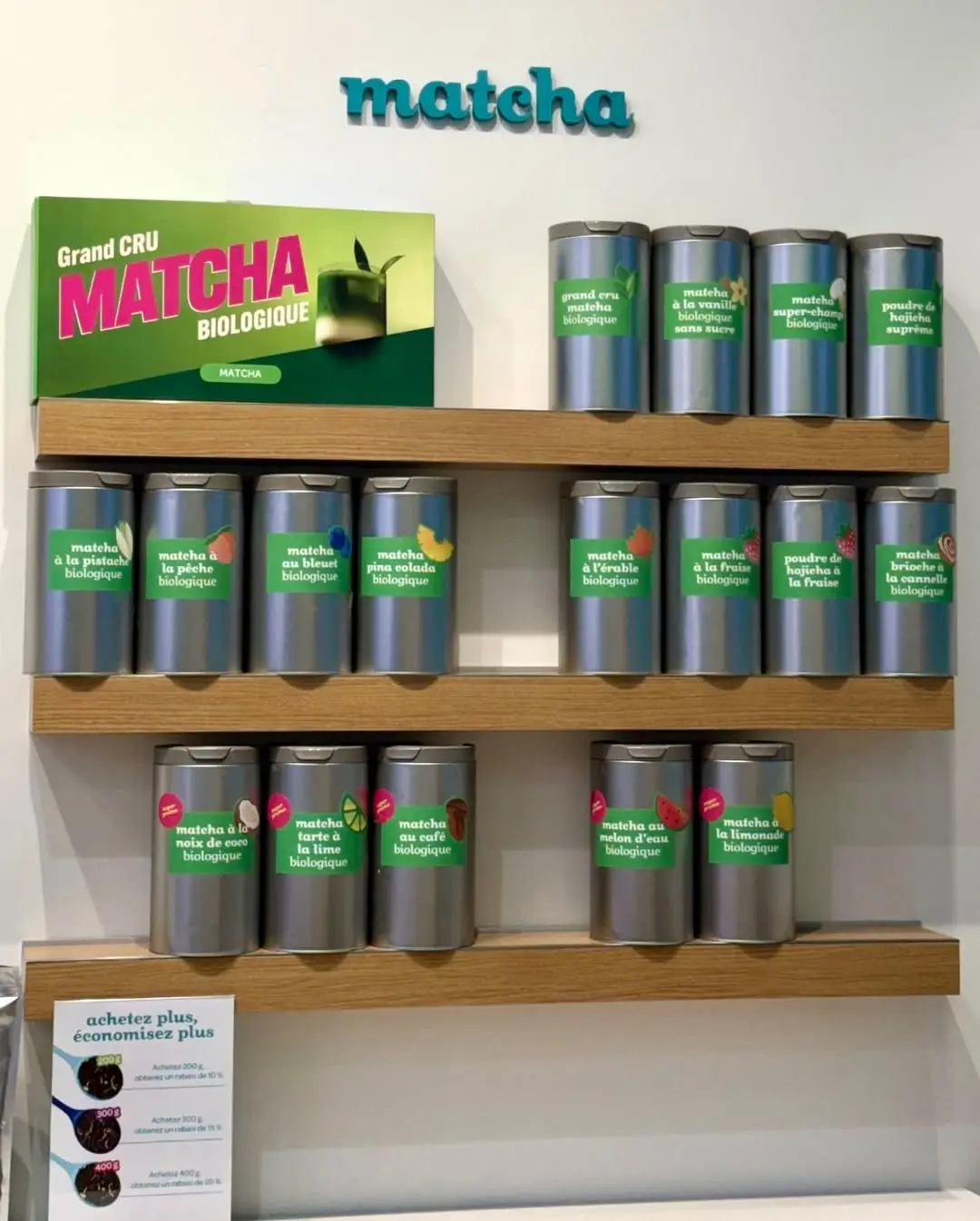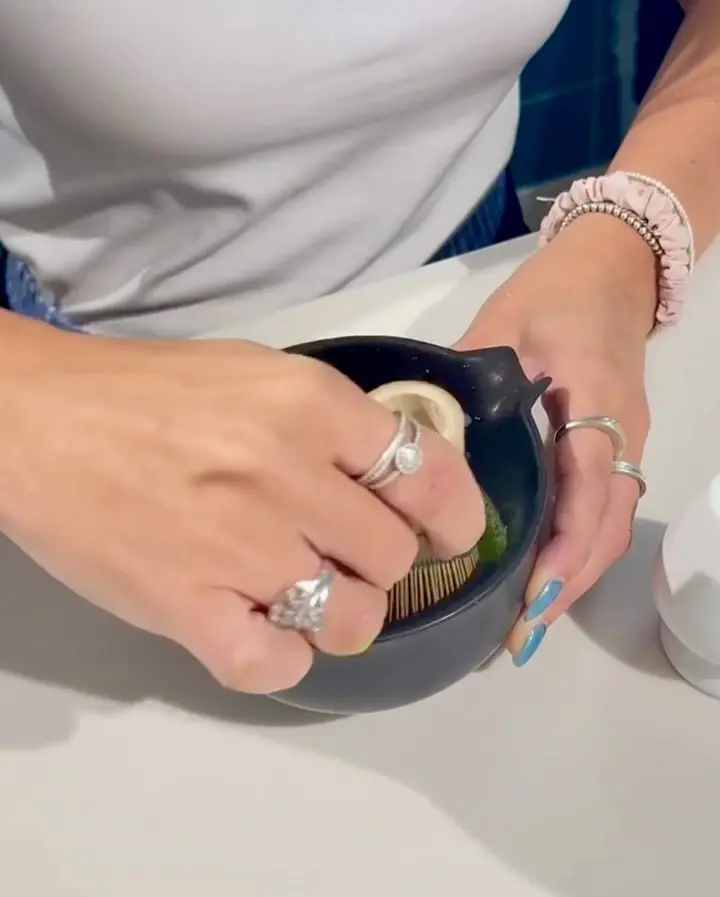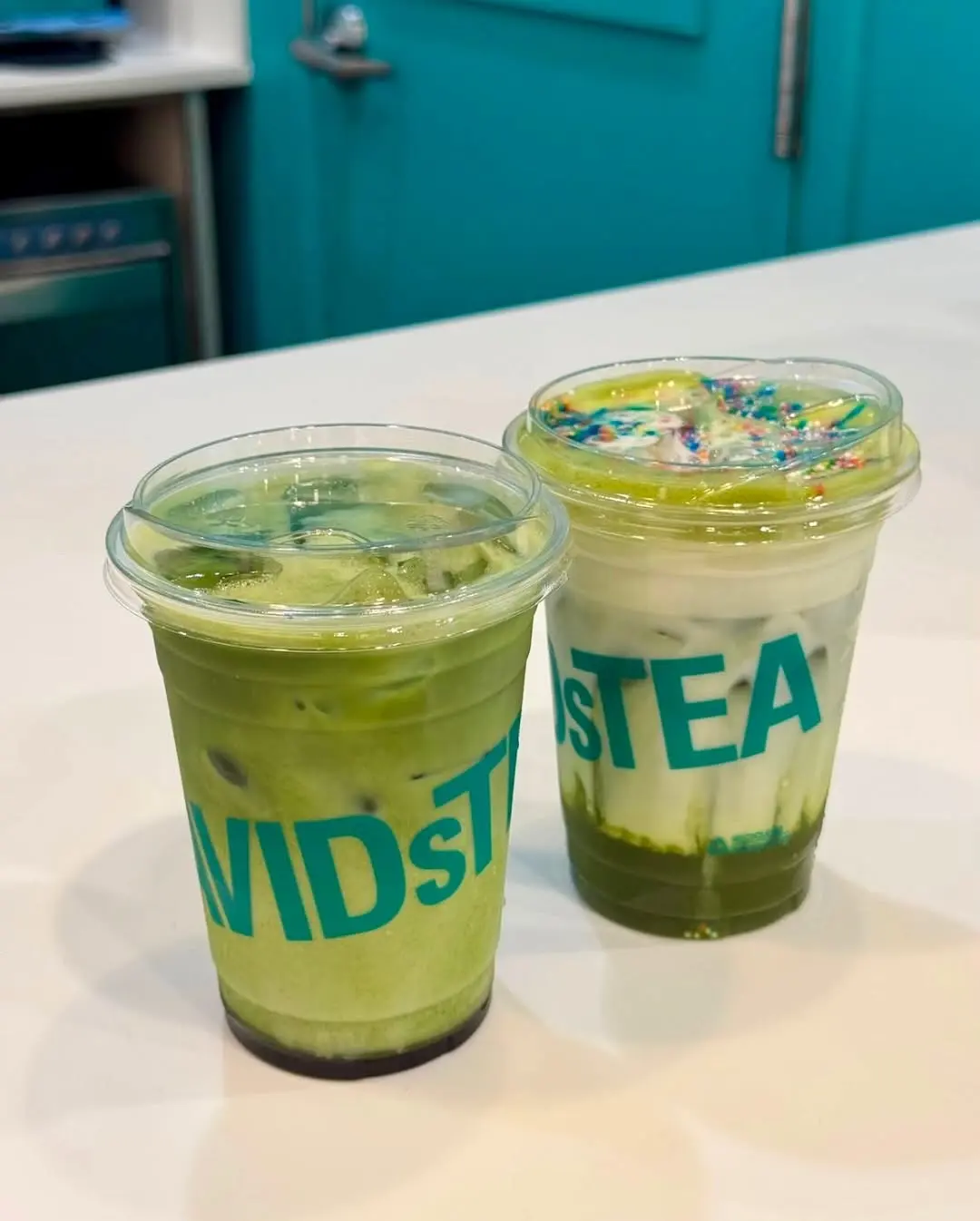

Who is David's Tea?

David’s Tea is a Toronto tea company offering ceremonial matcha from Nishio, Aichi Prefecture and Kyushu Island. Its matcha uses fine tencha leaves, selected for naturally sweet umami and processed for smooth texture.

Its Ceremonial Grade uses youngest, tender leaves, while premium and culinary grades use progressively older leaves. Producers shade-grow tencha, flash-steam leaves, remove veins and stems, then slow stone-grind powder to limit heat and protect aroma.

Reviews

Rated 2.67/5 by 105 reviews

David's Tea in details

David’s Tea emerged in 2008 from Toronto with a clear mission: to create a modern tea community where quality meets accessibility. Since then, the brand has built a reputation for sourcing authentic ceremonial grade matcha directly from Japan’s most renowned tea-growing regions—Nishio and Kyushu Island—bringing traditional excellence to contemporary tea enthusiasts.

Sourcing Excellence from Japan’s Tea Heartland

The brand’s matcha collection reflects a commitment to authenticity that begins at the source. By partnering with growers in Nishio and Kyushu Island, David’s Tea ensures every tin contains leaves cultivated using traditional Japanese methods. These regions are celebrated for producing some of Japan’s finest matcha, where shade-growing techniques and careful harvesting create the vibrant color and umami-rich flavor that defines ceremonial grade quality.

Their product range includes both the Organic Matsu and Organic Grand Cru varieties, each offering distinct flavor profiles while maintaining the highest standards. The unsweetened, pure formulations appeal to traditionalists and matcha purists who value the authentic taste.

A Modern Approach to Traditional Tea Culture

David’s Tea bridges centuries-old tea traditions with contemporary lifestyle needs. Their matcha collection serves multiple purposes: from traditional whisked tea ceremonies to modern lattes and culinary applications. This versatility makes premium matcha accessible to newcomers while satisfying experienced practitioners.

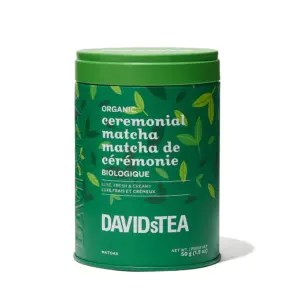
The brand’s presentation choices reflect this balance. Their signature printed tins protect the delicate tea from light and air while adding aesthetic appeal to kitchen counters. Packaging sizes range from accessible entry points to generous quantities for regular users.

Building Community Through Tea

Beyond selling products, David’s Tea cultivates what they call a “communi-tea”—a space where tea enthusiasts connect, learn, and share experiences. This community-focused approach provides education about matcha preparation, health benefits, and cultural significance. Members gain access to exclusive updates, special offers, and collaborative opportunities.

The brand recognizes that quality matcha requires knowledge to fully appreciate. Their detailed product information helps customers understand what distinguishes ceremonial grade from culinary grade, how to properly prepare matcha, and why sourcing matters. This educational commitment transforms casual buyers into informed enthusiasts who can confidently explore the world of premium Japanese tea.

About the David's Tea Matcha

David's Tea offers a ceremonial-grade matcha sourced directly from Japan's renowned matcha-producing regions, selecting only fine tencha leaves.

Ceremonial Grade

Their straight, unsweetened matcha meets ceremonial-grade standards, using the youngest, most tender leaves for a naturally sweet, umami-rich flavor suited to both traditional ceremony and daily drinking.

Processing and Grades

Leaves are flash-steamed to halt oxidation and preserve their vibrant green color, then deveined and destemmed before slow stone-grinding that limits heat and protects the aroma. Across the grading system, Ceremonial Grade uses the youngest leaves for sweet, umami flavor; Premium Grade uses young to mid-age leaves for a balanced daily cup; and Culinary Grade uses mature leaves with robust, bitter notes for baking and smoothies.

Harvest location

David's Tea sources its matcha from two of Japan's most prestigious matcha regions: Nishio in Aichi Prefecture and Kyushu Island, each lending distinct character. Nishio is one of Japan's historic matcha centres, its climate and soil ideal for the shade-grown plants quality matcha requires. Kyushu Island's volcanic soil imparts a distinctive terroir, giving leaves enhanced umami and mineral complexity.

Cultivation and harvesting

Production begins with shade-grown tencha cultivation, covering the plants to raise chlorophyll and amino-acid content. The company works with producers who follow traditional methods:

  • Shade growing: plants covered for several weeks before harvest to enhance flavour and colour
  • Selective harvesting: hand-picking for premium leaves, modern methods for efficiency
  • Flash steaming: immediate processing to halt oxidation and keep the vibrant green
  • Careful processing: deveining and destemming for a smooth texture

David's Tea History

DAVIDsTEA was founded in 2008 as a Toronto shop aiming to make tea exciting and accessible, describing itself as the "Apple store of tea" and building a community-focused "communi-tea" identity.

From its founding year, the company established sourcing partnerships with tea producers in Nishio, Aichi Prefecture, which brought 800 years of matcha expertise, and on Kyushu Island, Japan, whose volcanic soil contributed distinctive terroir.

January 1, 2008

DAVIDsTEA opened its first location in Toronto with the ambitious vision of making tea exciting and accessible to modern consumers. The founders created a concept they described as the 'Apple store of tea,' emphasizing sleek retail design and community building around their 'communi-tea' philosophy.

January 1, 2008

From its founding year, DAVIDsTEA established direct sourcing relationships with tea producers in Nishio, Aichi Prefecture, and Kyushu Island, Japan. These partnerships brought 800 years of matcha expertise from Nishio and the unique volcanic soil terroir of Kyushu to their ceremonial grade matcha program, emphasizing traditional tencha leaf processing methods.

Frequently asked questions

Here are some frequently asked questions and answers.

Where does David’s Tea source its matcha?

David’s Tea sources matcha from Nishio in Aichi Prefecture and from Kyushu Island in Japan. The record associates Nishio with historic matcha production and shade-grown plants, while Kyushu’s volcanic soil contributes a distinct terroir. Its ceremonial matcha is made from selected fine tencha leaves.

How is David’s Tea matcha processed?

Producers shade-grow the tencha before harvest, then flash-steam the leaves to stop oxidation and preserve their green color. The leaves are deveined and destemmed to support a smooth texture. Finally, they are slowly stone-ground, limiting heat during processing and protecting the matcha’s aroma.

What is the difference between David’s Tea matcha grades?

Ceremonial Grade uses the youngest, most tender leaves for a naturally sweet, umami-rich flavor. Premium Grade uses young to mid-age leaves and is positioned as a balanced daily cup. Culinary Grade uses mature leaves, producing more robust and bitter notes suited to baking and smoothies.

Can David’s Tea ceremonial matcha be used for lattes?

Yes. The record describes David’s Tea matcha as versatile enough for traditional whisked tea, modern lattes, and culinary applications. Its straight ceremonial-grade matcha is unsweetened and uses young, tender tencha leaves for a naturally sweet, umami-rich profile suitable for traditional preparation as well as daily drinking.

When and where was David’s Tea founded?

DAVIDsTEA was founded in Toronto in 2008 with the aim of making tea exciting and accessible. It developed a community-focused identity described as “communi-tea.” From its founding year, the company also established sourcing relationships with tea producers in Nishio, Aichi Prefecture, and on Kyushu Island.