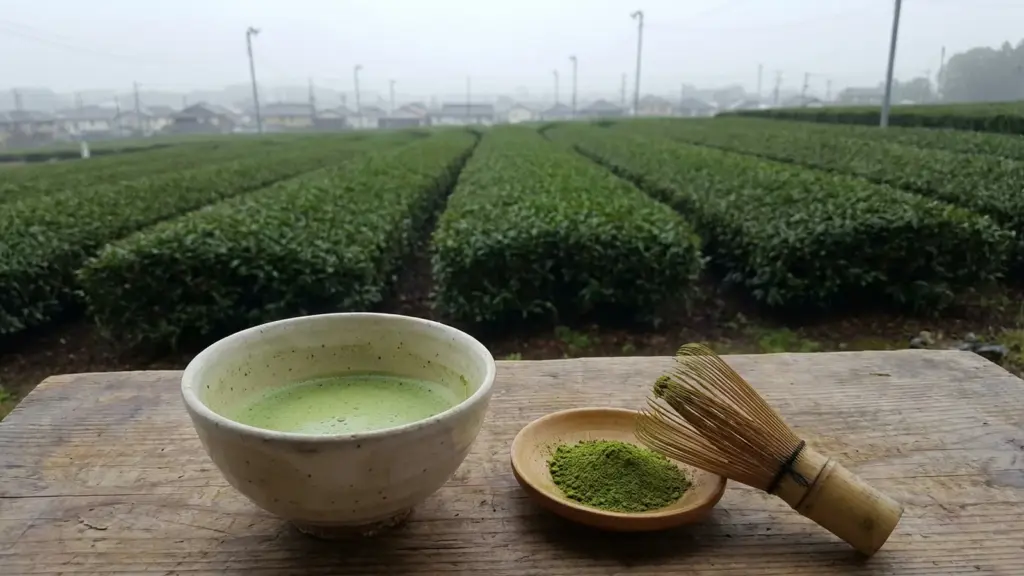
Definition of Tokorozawa

Tokorozawa is a city in Saitama Prefecture, Japan, and a producing area within the wider Sayama tea region. Local cultivation is associated with Edo-period land development, while many growers combine cultivation, processing and sales; the city name alone does not specify a matcha flavor or manufacturing method.

Learn more

Tokorozawa is a city in Saitama Prefecture and a producing area within the Sayama tea region, not simply a city near it. For tea buyers, the name can identify a more precise growing location than Sayama-cha, the broader regional tea designation.

A working tea district within the city

Tokorozawa City’s tea introduction identifies Mikajima and Tomioka as particularly important local cultivation districts. It describes an integrated business pattern in which many growers cultivate, manufacture and sell their own tea. The same account notes that growers also supply wholesalers and agricultural cooperatives; direct farm sales are not the only route to market.

This makes a producer’s name useful evidence when interpreting a label. A Tokorozawa shop might be a grower-processor, a retailer or part of a wider supply chain. Ask which role it performs instead of assuming every tea sold at its address came from nearby fields. The wider Saitama entry provides the prefectural context.

Local history is not the same as regional history

The municipal account distinguishes the older tradition of tea cultivation at Kawagoe from Tokorozawa’s own story. It associates local planting with the Edo-period Santome land development, when tea bushes served as windbreaks and field boundaries. This is more precise than assigning Tokorozawa an unqualified beginning in the 1100s.

The city page is dated 2010 and includes older production figures. Those figures should not be used as current output statistics. Its durable value here is the distinction between the local cultivation story, the named farming districts and the broader Sayama tradition—not a present-day farm count or production ranking.

What a Sayama label does and does not establish

The Saitama green tea association describes Sayama-cha as tea harvested and processed entirely in Saitama or western Tokyo under its published standard. Tokorozawa is one of the producing cities it names. Consequently, “Sayama tea” is compatible with Tokorozawa origin, but the wider name alone does not prove that the leaves came from this city. See Sayama for the regional distinction.

Nor does the city’s green-tea tradition establish a uniform Tokorozawa matcha style. The local government source describes tea growing and leaf-tea production; it does not substantiate a city-wide matcha flavor profile. Regional descriptions of strong tea or finishing heat should not become promises about a particular powder.

A practical check for Tokorozawa matcha

Suppose a retailer offers “Tokorozawa matcha” alongside local loose-leaf tea. First ask whether Tokorozawa identifies the leaf-growing location or only the business selling it. Next ask whether the powder was made from shaded, unrolled tencha. The Japan Matcha Association explicitly distinguishes powdered tencha from powdered sencha.

  • Request the farm or grower, harvest and batch details.
  • Confirm whether all leaves share the stated origin or the product is blended.
  • Ask separately about growing, primary processing, milling and packing locations.
  • Use the producer’s own batch description for taste and preparation advice.

The comparison in sencha versus matcha helps keep tea type separate from municipal origin. Tokorozawa is useful provenance when it is documented; it is not, by itself, a cultivar, processing specification or sensory grade.

Sources

Sources and references

References supporting this page are listed below. Source access dates and supported claims are recorded in the evidence notes where available.
Sayama
Accessed: 2026-09-08
Language: en

Sayama City identity in Saitama; municipal identity is distinct from the wider Sayama-cha production region.

Saitama Prefecture
Accessed: 2026-09-08
Language: en

Prefectural geography only; not evidence of a specific city matcha flavor or cultivation date.

Matcha
Accessed: 2026-09-08
Language: en

General shaded, processed powdered-tea context; not evidence of a uniform regional flavor, grade or farm origin.

所沢の狭山茶 [Sayama tea in Tokorozawa]
Accessed: 2026-09-08
Language: ja

Tokorozawa grows Sayama tea, especially in Mikajima and Tomioka. Many growers cultivate, manufacture and sell; some supply wholesalers and cooperatives. Local planting is associated with Edo-period Santome development, distinct from earlier Kawagoe tradition. Page dated October 1, 2010; old statistics excluded.

What is Sayama-cha?
Accessed: 2026-09-08
Language: en

Published association standard: Sayama-cha is wholly harvested and processed in Saitama or western Tokyo; its English page separately describes Sayama-cha blend for more than 50% qualifying tea. Iruma, Sayama and Tokorozawa are producing cities; integrated manufacture and sales and named cultivars are described.

What is MATCHA | Japan Matcha Association
Accessed: 2026-09-08
Language: en

Japanese matcha is powdered tencha; fresh leaves are steamed and dried without rolling before milling. Used only for manufacturing distinctions, not health claims or proof of regional production.

Updated on September 8, 2026
Portrait of Emilie Schol, Founder of Best Matcha

Emilie Schol

Founder of Best Matcha

Frequently asked questions

Here are some frequently asked questions and answers.

What is Tokorozawa’s connection to matcha?

Tokorozawa is a Sayama tea-producing city in Saitama Prefecture. Its municipal tea page documents local cultivation, processing and sales, but does not establish a uniform city-wide matcha style. For a Tokorozawa matcha product, ask who grew the leaves and whether the powder was made from shaded, unrolled tencha.

Where is Tokorozawa located in relation to a tea region?

Tokorozawa lies within the Sayama tea-producing region, not merely near it. The Saitama green tea association identifies it alongside Iruma and Sayama as an important producing city. The wider Sayama-cha designation also covers other areas, so it does not alone establish Tokorozawa-grown leaves.

What flavor is associated with Tokorozawa matcha?

The cited municipal source does not establish a flavor shared by all Tokorozawa matcha. Its account concerns regional tea cultivation and trade. Use the particular producer’s batch description and preparation guidance rather than converting the wider Sayama tea reputation into a compulsory matcha tasting profile.

When did tea cultivation begin in Tokorozawa’s regional tradition?

Tokorozawa’s municipal account associates local tea planting with Edo-period Santome land development, when bushes served as windbreaks and field boundaries. It distinguishes that story from the earlier tea tradition at Kawagoe. An unqualified claim that Tokorozawa tea cultivation began in the 1100s would conflate those histories.

Why is Tokorozawa relevant to the Sayama tea region?

Tokorozawa is one of the producing cities named by the Saitama green tea association. The city identifies Mikajima and Tomioka as important cultivation districts and describes many growers combining cultivation, manufacture and sales. These facts establish local participation in Sayama tea production, not a single matcha flavor.