Tea culture without a ranking shortcut
Official tourism material documents lotus-scented tea making near Hanoi’s West Lake, while Vietnam News Agency reporting covers tea cultivation and tourism at Moc Chau in Son La. These specific examples establish regional tea activity without an undated global ranking. A valid production ranking needs a year, source and commodity measure. A country’s position can differ between output and exports, and ordinary tea totals are not matcha totals.
Thai Nguyen tea and Hanoi lotus craft
The Tourism Information Technology Center describes artisans in Quang Ba blending Thai Nguyen green tea with lotus stamens, commonly called lotus rice, through repeated layering and drying. It also describes households sharing the craft with visitors. This scented-tea craft shows why the leaf source and the place where a tea is scented should be recorded separately.
Moc Chau is a regional example
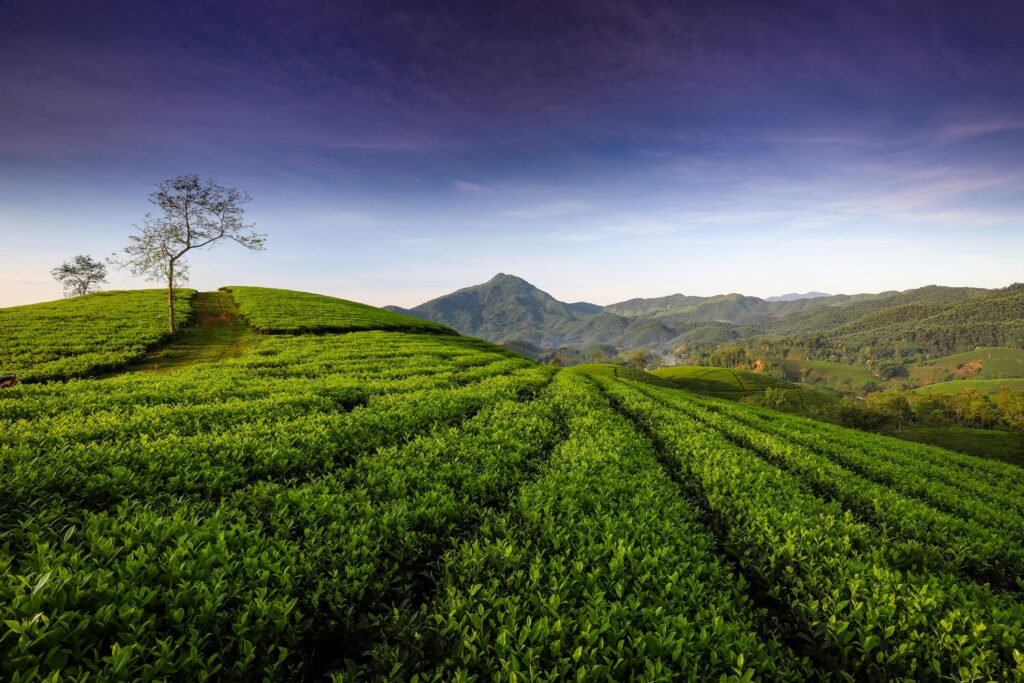
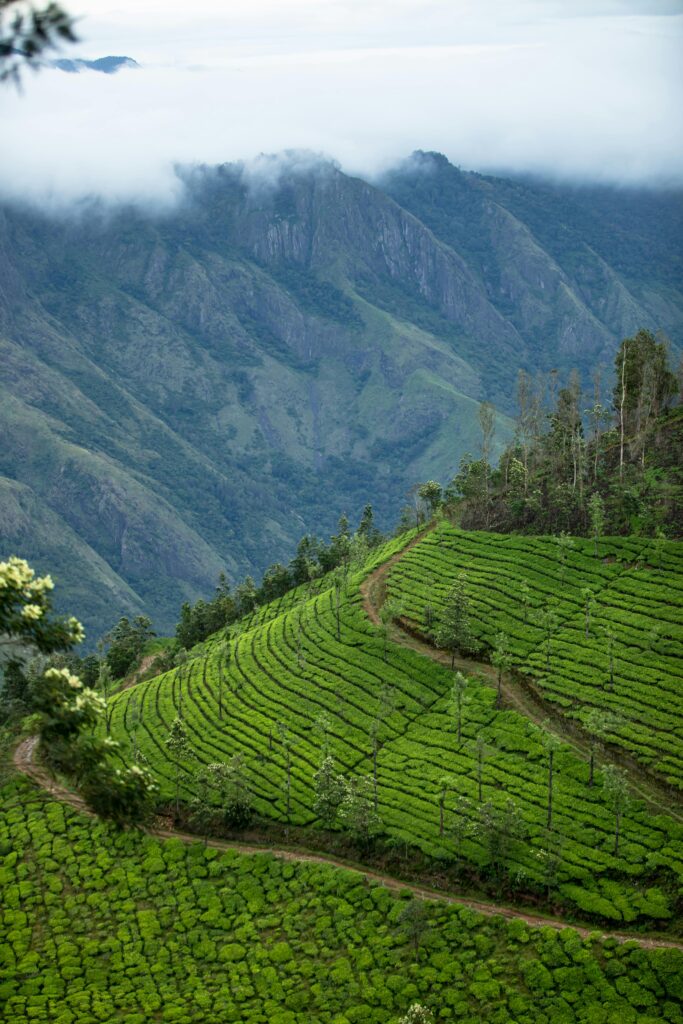
VietnamPlus locates Moc Chau Plateau within Son La and describes tea hills, picking, processing and local livelihoods. This is evidence of a real tea landscape, not proof that the plateau is dedicated to matcha. A cultural visit or account of ordinary tea manufacture does not establish a shading schedule or an unrolled tencha line. Likewise, a provincial example should not become a uniform description of every Vietnamese tea producer.
No automatic endorsement or exclusion
The sources used here do not verify a named Vietnamese producer’s complete matcha protocol. That is a sourcing limit, not a claim that Vietnam cannot make matcha. It also does not support a country-wide narrative of newer, cheaper or less standardized powder. Describe actual products through their documented ingredients and processes rather than ranking countries by presumed quality. Organic claims need current certificate scope, not a general statement about pristine mountains.
What makes a powder matcha
The Japan Matcha Association describes matcha as powdered tencha. Tea leaves are cultivated under shade, steamed and dried without rolling before milling. This distinguishes the manufacturing route from simply grinding an ordinary leaf tea. It is a general processing reference, not evidence that every farm in the place named here uses that method. The local sources above must establish their own production claims; the process definition cannot fill gaps in a regional report.
Reading the origin on a package
Separate the place where leaves were grown from the locations of processing, milling, packing and sale. Ask for a named producer, the actual leaf origin, the tea category before milling and the harvest or lot information. Where an organic claim is made, request the current certificate and its operator and product scope. A location name, scenic field or retailer address is not a substitute for these records.
Comparing the actual tea
Use product-specific information when comparing taste, color and value. A broad climate description cannot establish a batch’s amino-acid content, sweetness or absence of astringency. Compare named teas prepared in similar ways and keep sensory observations attached to those products. This lets documented regional history remain useful without turning it into an unsupported promise about every powder sold under the place name.
Sources