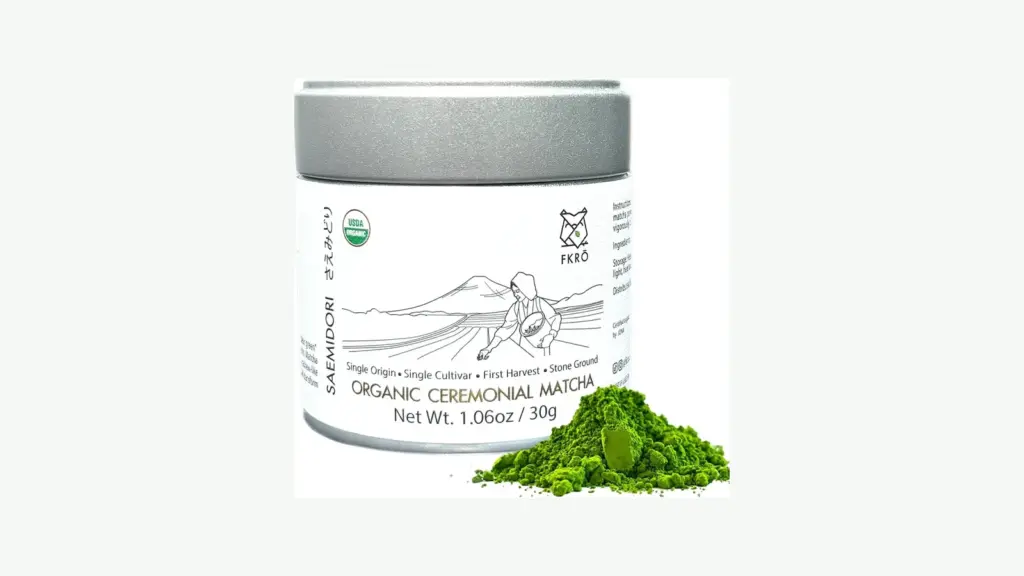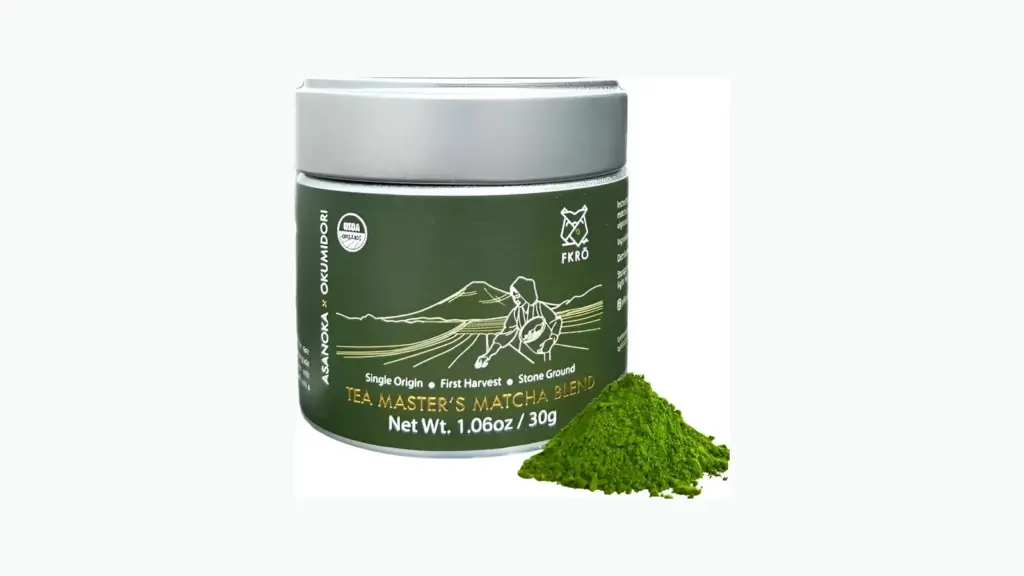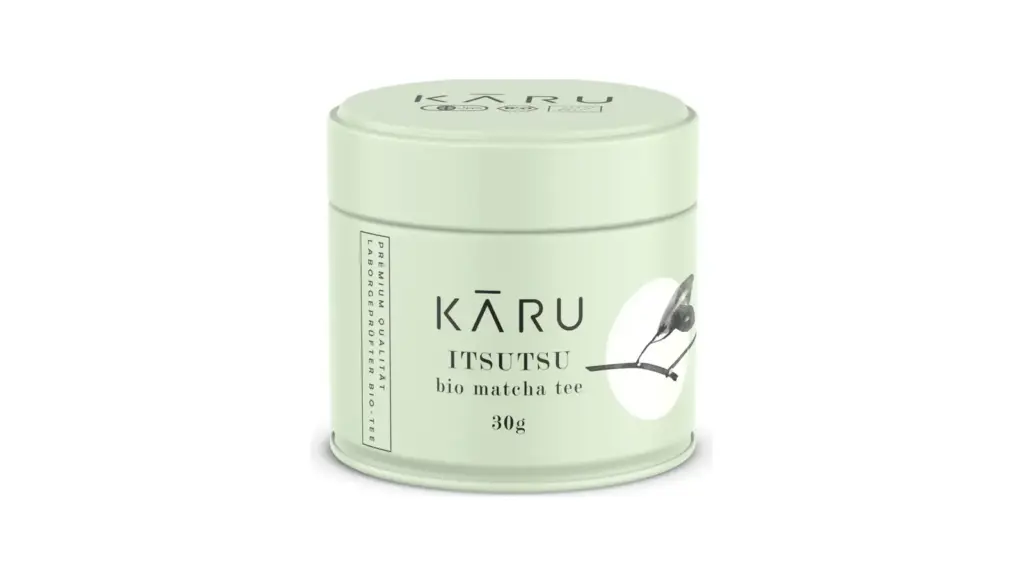
















An independent directory for finding the best matcha. Compare japanese green tea brands side by side on grade, origin and certification, then buy direct from the producer.


Discover established matcha brands trusted by tea lovers, retailers, and professionals worldwide.
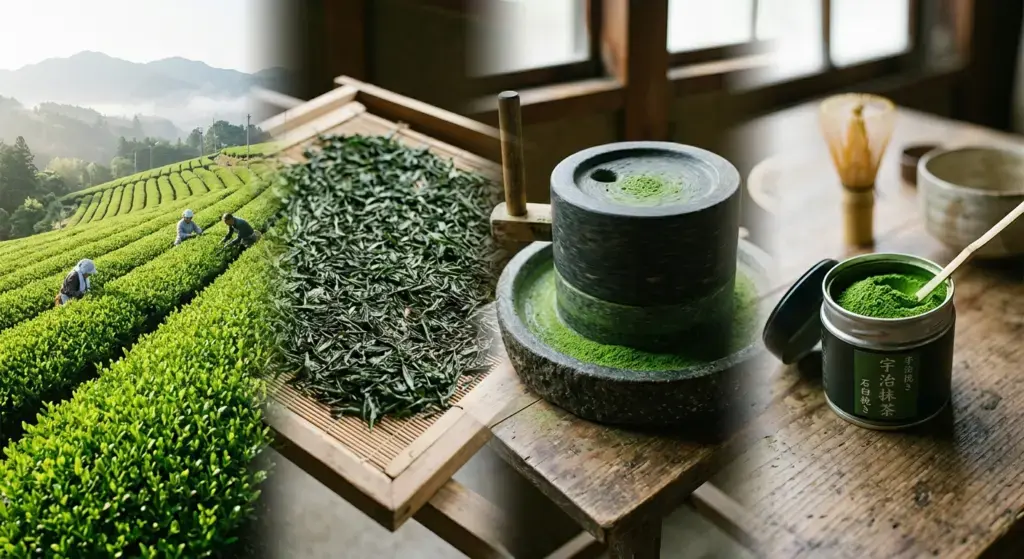
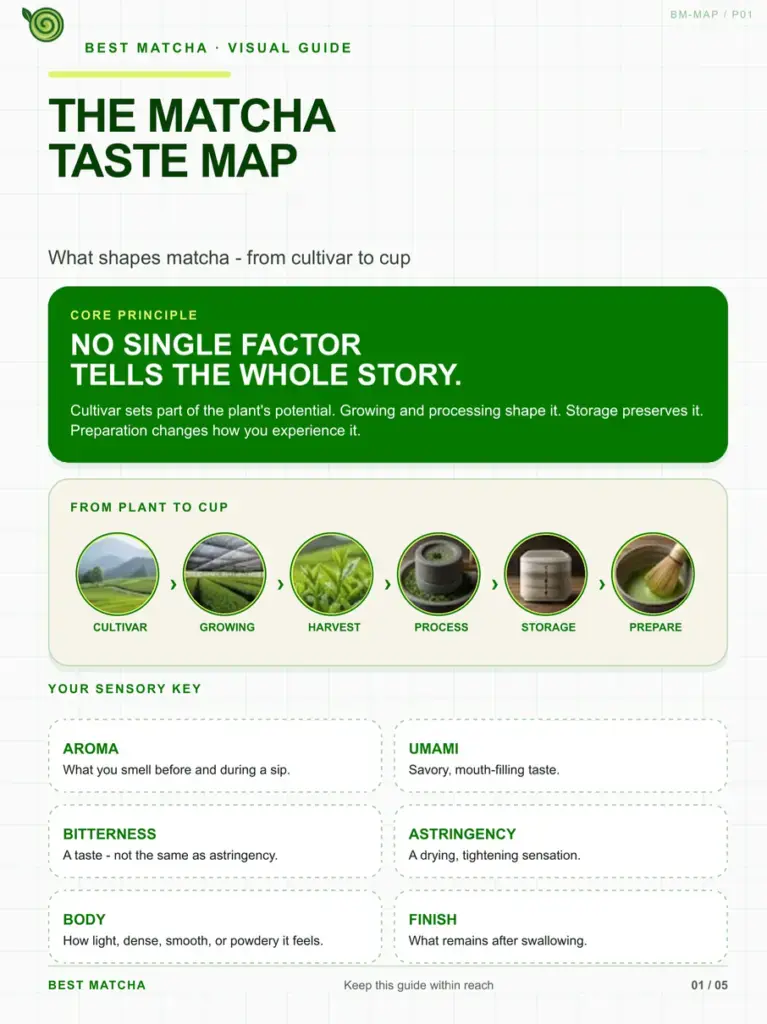
Matcha is a finely ground powder made from specially grown green tea leaves (Camellia sinensis) that are shade-grown for 3–4 weeks before harvest.
Unlike regular green tea, matcha is whisked directly into water, so you consume the entire leaf and its naturally concentrated antioxidants.
The best matcha comes exclusively from Japan. Centuries-old traditions produce its vibrant green color, smooth texture, and distinctive umami flavor.

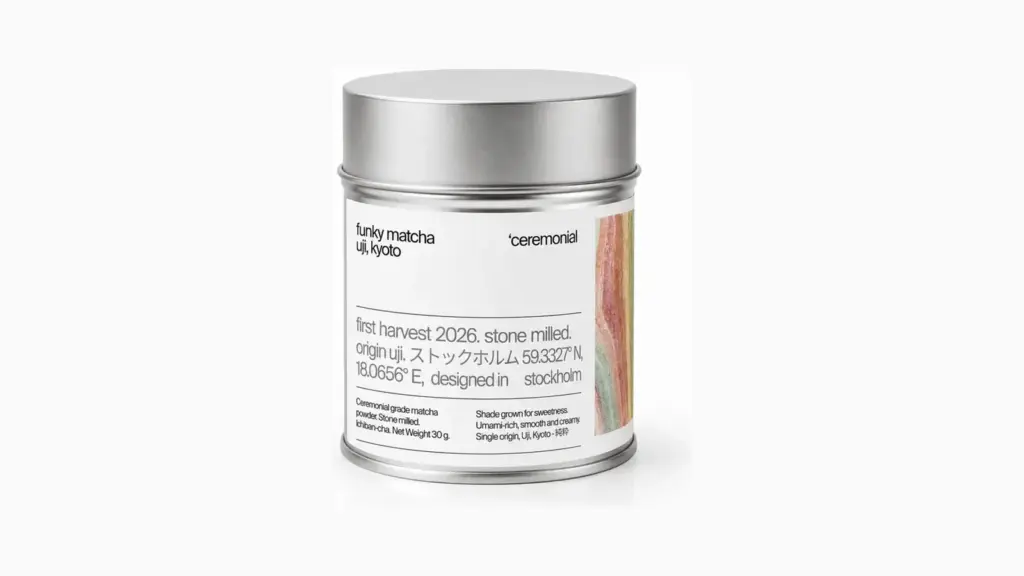
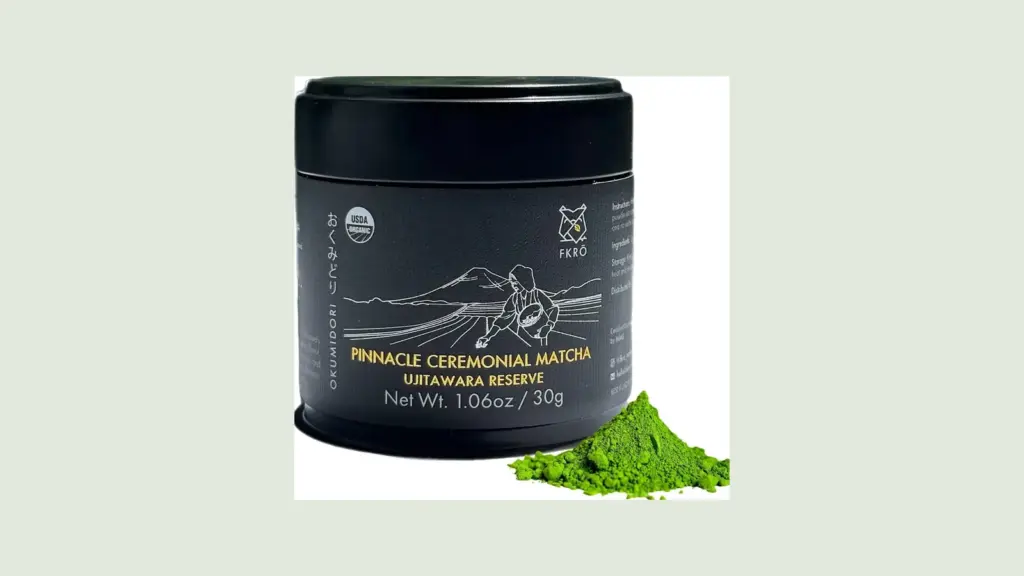
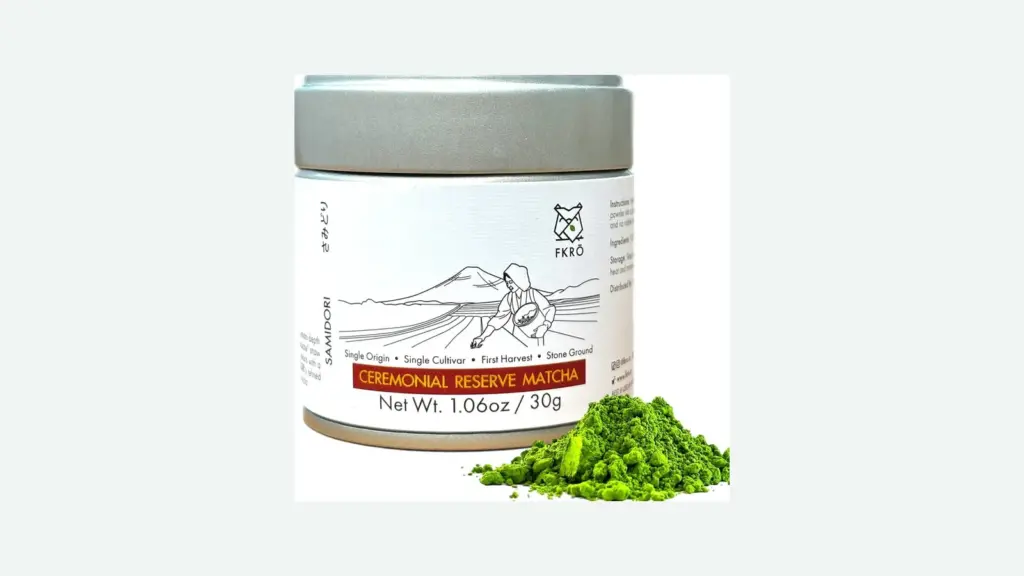
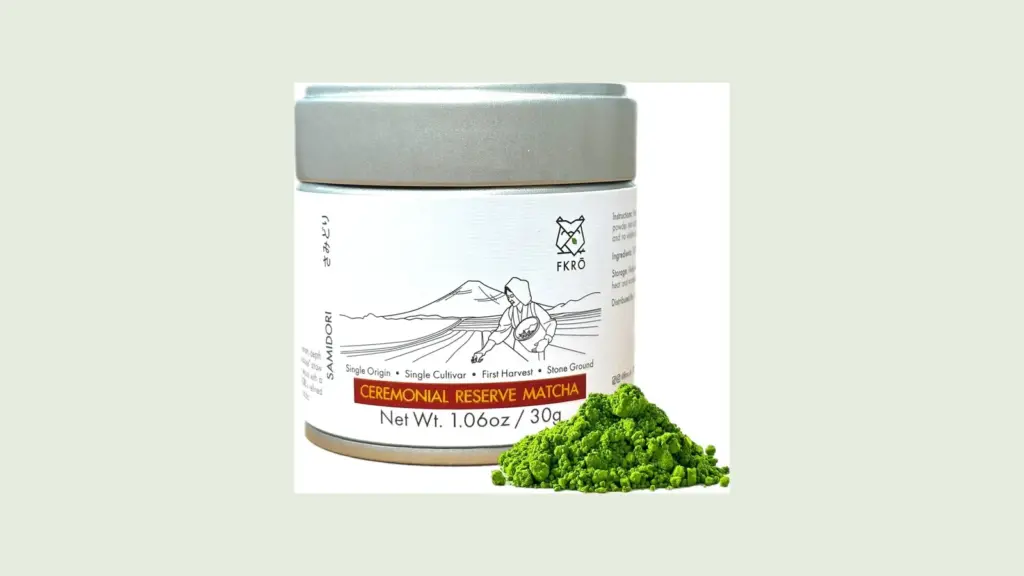
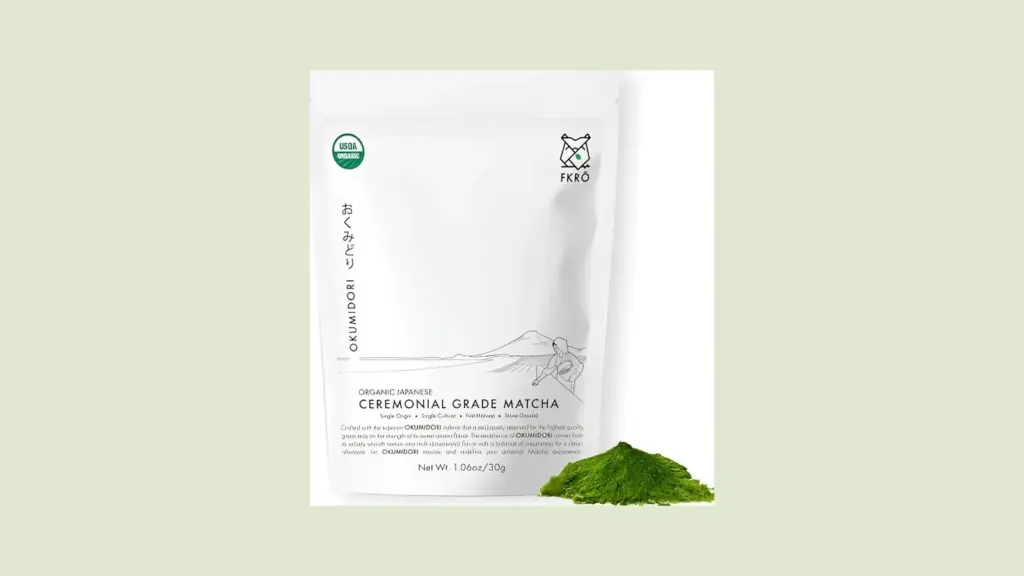
The highest quality matcha, made from the youngest tea leaves for traditional preparation and drinking straight. See our best ceremonial grade matcha picks.
Affordable matcha with a stronger flavor for lattes, smoothies, and baking. See the best matcha for lattes.
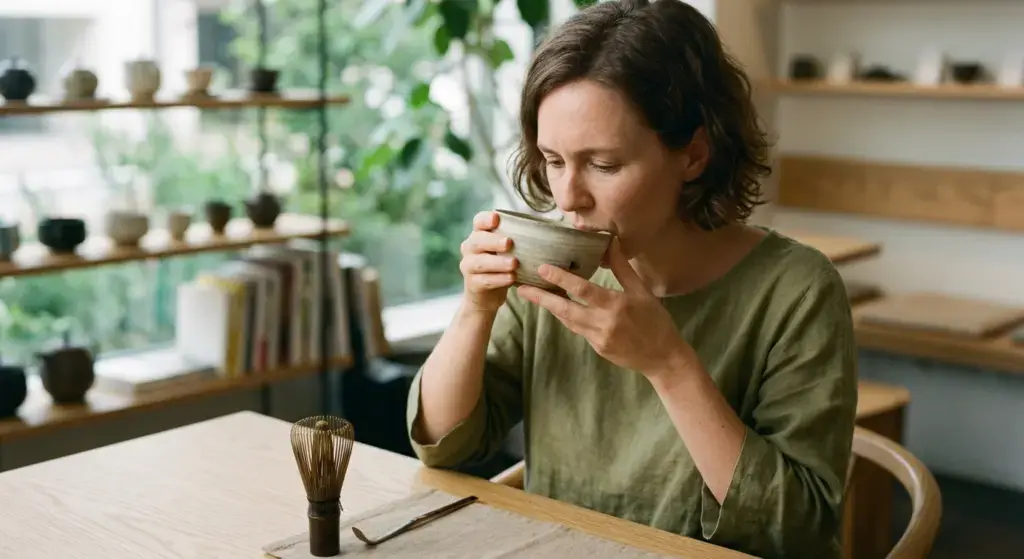
Experience the balance of calm focus and sustained energy. Quality matcha provides clean energy without the usual crash, alongside antioxidants, L-theanine, and chlorophyll for productive days.
Natural caffeine paired with L-theanine provides smooth, jitter-free energy that lasts all morning. See matcha vs coffee.
Enhance focus and concentration while maintaining calm alertness throughout your day.
Matcha delivers concentrated antioxidants that support immunity, recovery, and healthy aging.
Choosing matcha starts with its purpose, quality traits, flavor profile, and producer. Learn how to spot high-quality matcha before comparing products.
Start by deciding whether your matcha is for traditional drinking, lattes, or cooking.
- Usucha: matcha whisked with water.
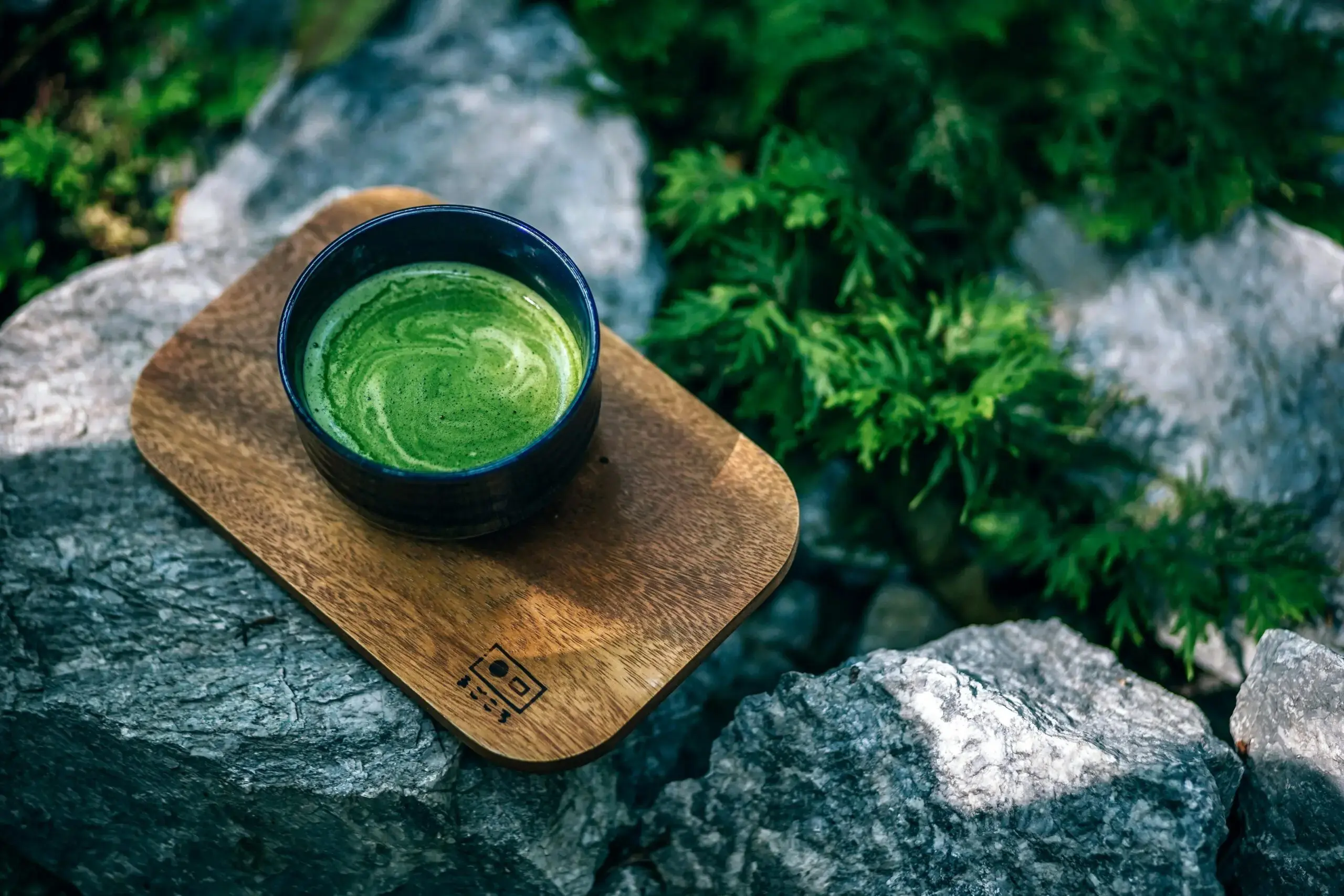
- Matcha latte: matcha combined with milk.
Look for sensory signs of careful cultivation and processing.
- Color: vibrant green.
- Smell: fresh, vegetal, and clean.
- Taste: smooth umami with limited bitterness.
Excellent matcha balances smoothness, sweetness, vegetal freshness, and deep umami. Your preferred intensity determines which cultivar, harvest, and grade will feel most satisfying.
Choosing a trustworthy matcha brand is difficult. Best Matcha compares producers, sourcing, grades, and marketplace availability to make that decision easier.
Finding the best matcha depends on grade, origin, cultivar, and intended use. Our marketplace curates premium Japanese matcha for newcomers and connoisseurs. Compare our editor’s ranked picks in the best matcha buying guide.
Our matcha aficionados selected a premium Japanese green tea available this year.
Explore recently listed matcha from verified brands and compare their grades, origins, and tasting profiles.


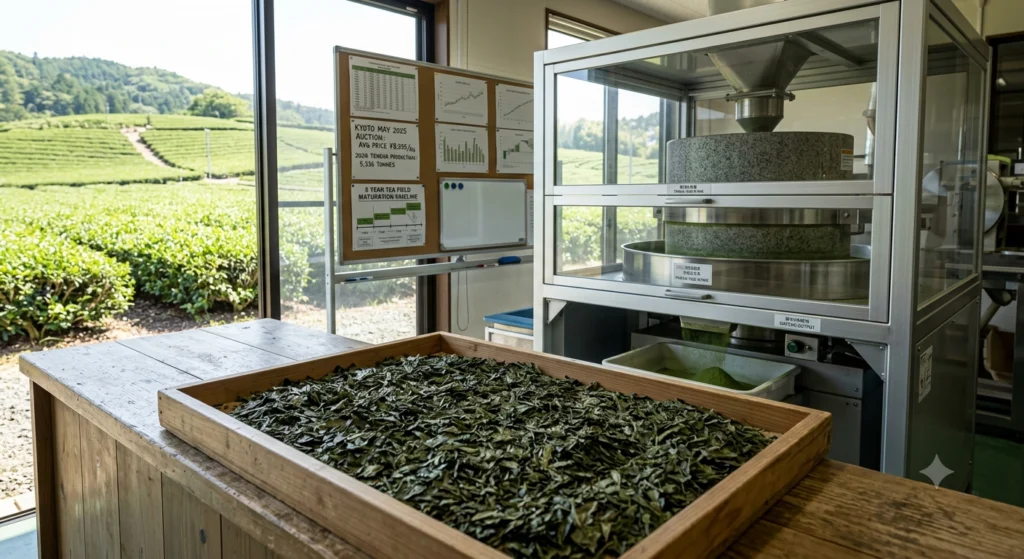
Best Matcha streamlines the search for authentic Japanese green tea. Compare trusted producers, products, grades, and community knowledge in one marketplace instead of browsing disconnected websites.
Browse authentic matcha from verified brands worldwide and read reviews from real consumers. Find products suited to your taste, preparation style, and quality expectations.
Connect with matcha lovers worldwide to:
- Share Japanese green tea experiences.
- Discover preparation techniques.
- Discuss origins, cultivars, and grades.
- Meet others passionate about premium matcha.
Build your matcha knowledge with practical guides covering quality, preparation, health, origins, cultivars, and buying decisions. Explore recent articles selected for both newcomers and experienced tea drinkers.
Quick answers to common questions about matcha quality, preparation, buying, and caffeine.
Matcha is shade-grown Japanese green tea ground into a fine powder. Unlike steeped tea, you consume the whole leaf, producing a richer flavor and more concentrated nutrients.
Choose ceremonial grade for traditional drinking and high-quality culinary grade for lattes, smoothies, and recipes. Compare color, aroma, origin, harvest, and producer transparency.
Look for Japanese origin, vibrant green color, clear grade and cultivar information, recent packaging, proper storage guidance, and a seller that identifies the producer or tea region.
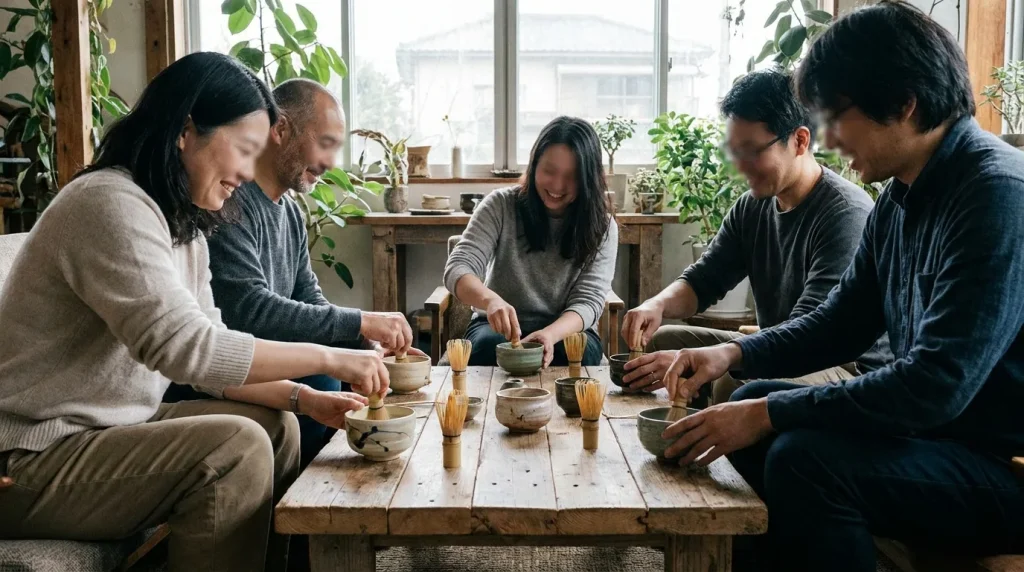
A bowl, fine sieve, bamboo whisk, and scoop provide the traditional experience. A small kitchen whisk or electric frother also works for everyday preparation.
Matcha commonly contains about 25–70 mg of caffeine per serving. L-theanine moderates the experience, producing steadier alertness than many people feel after coffee.