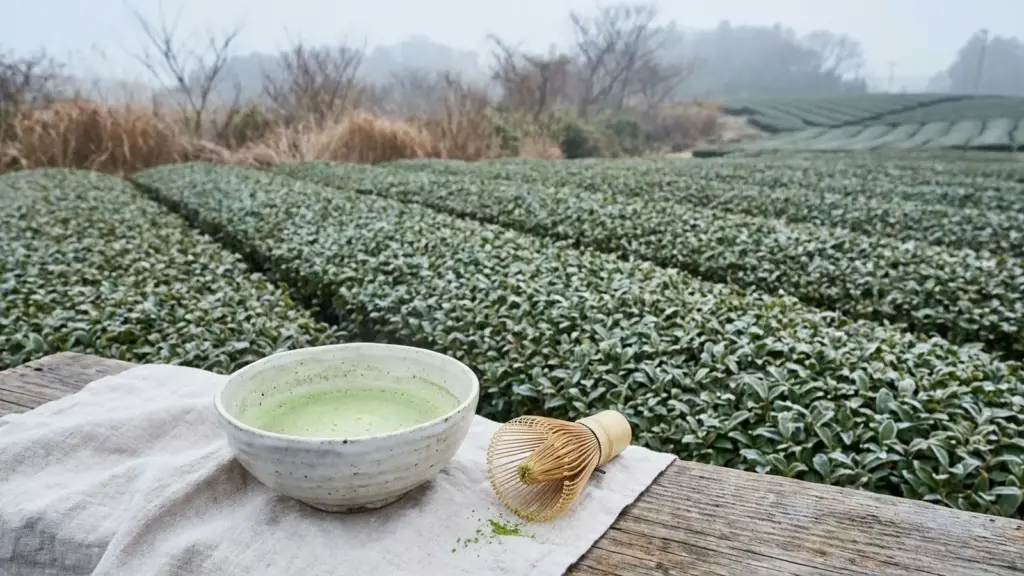
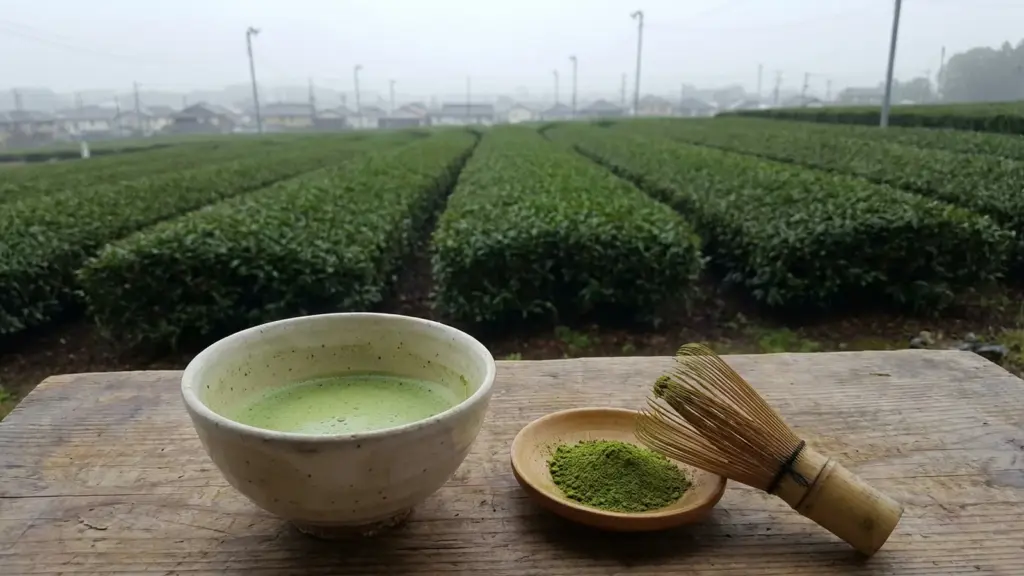
Saitama and the Sayama tea landscape
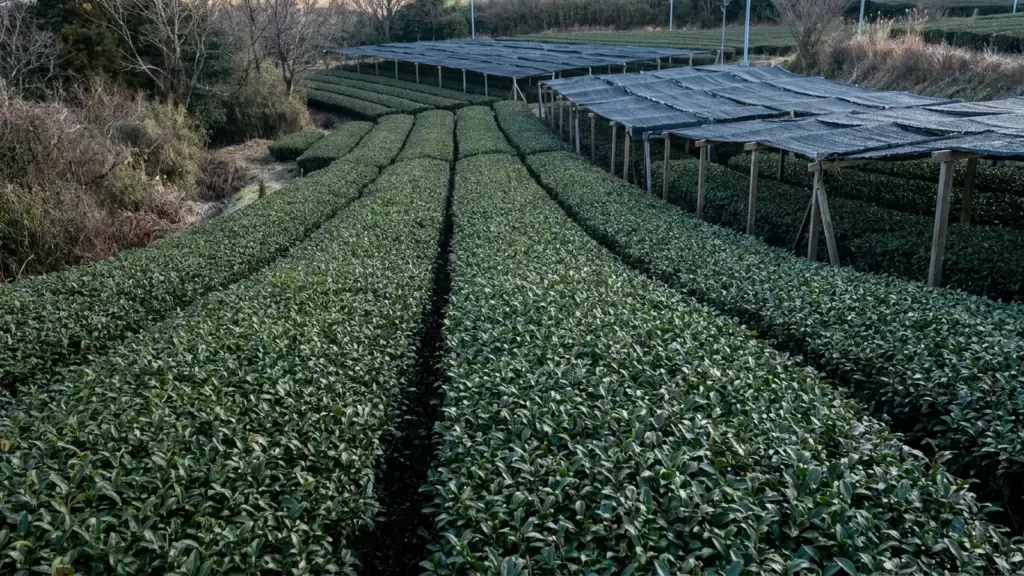
Saitama is a Japanese prefecture with a tea identity centred on Sayama tea. The official prefectural tourism guide identifies Iruma, Tokorozawa and Sayama as cities with a concentration of producers around the Sayama Hills. It also notes that the broader Sayama tea area extends into northwestern Tokyo. Saitama, Sayama City and Sayama tea are therefore related names, not interchangeable boundaries.
The guide describes a relatively cool tea-growing area with a more limited harvest pattern than warmer Japanese regions. That background helps explain local tea farming, but it is not a reason to assign all Saitama tea the same chemistry or taste.
The maker matters as much as the region
A notable local practice is the producer handling the chain from growing through processing and retail. The tourism guide emphasizes how much finished teas can vary between makers. JETRO’s January 2025 account of Okutomien gives a concrete example: a family tea business in Sayama City that maintains its own-growing, own-making and own-selling approach.
JETRO documents the business’s work to export tea to Germany and the care required to match a small producer with an appropriate buyer. That example is useful for understanding the regional business model. It does not establish identical production practices at every farm, nor does it turn all tea exports into matcha exports.
A real matcha offering, not an invented regional rule
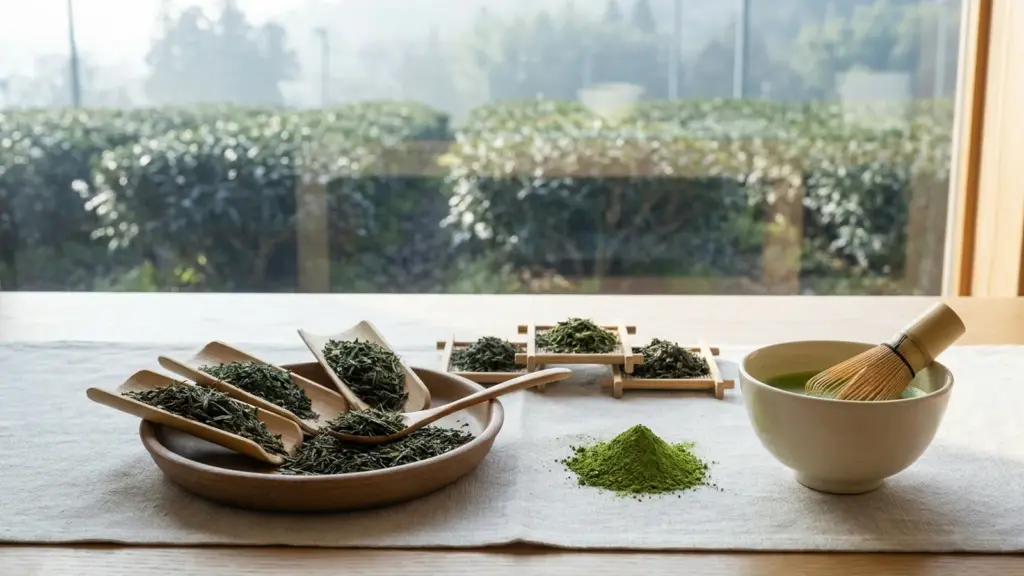
Okutomien’s own description lists matcha alongside sencha, deep-steamed tea, withered tea, hojicha, powdered green tea and Japanese black tea. This is a named local example of a business offering matcha, rather than an inference based only on Saitama’s ability to grow tea. It also explicitly distinguishes matcha from powdered green tea in its product range.
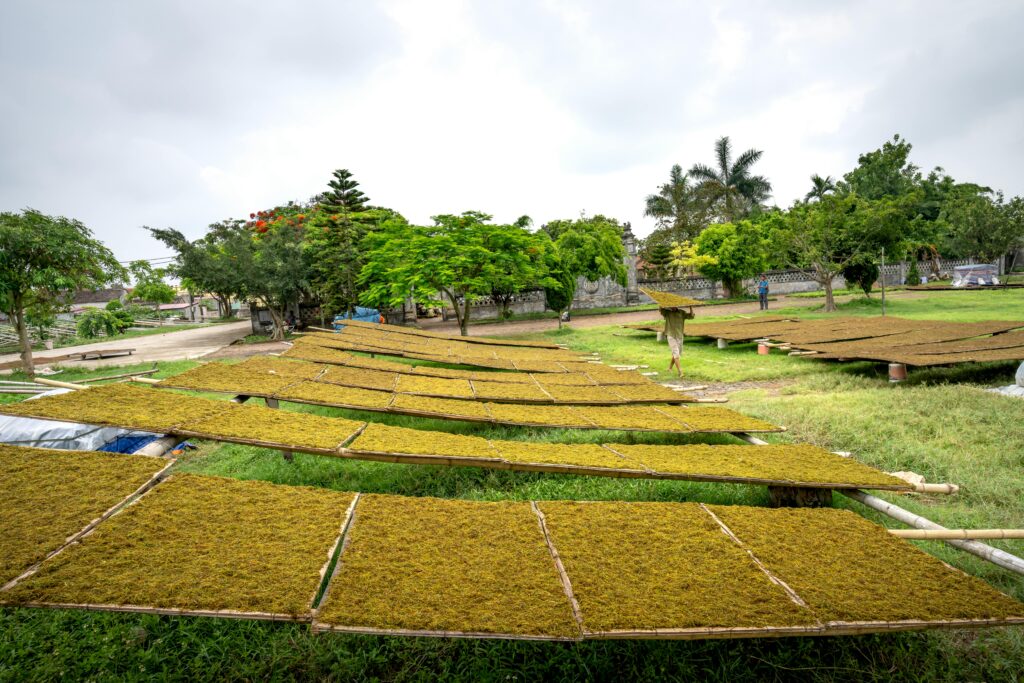
That distinction guards against two mistakes. Not every powder is the same tea, and not every processing technique used by one maker applies to all its products. The presence of withered teas in a catalogue does not establish a withering stage for that maker’s matcha. Similarly, the local reputation for tea finishing does not supply a standard matcha roasting temperature.
How to read a Saitama matcha label
The Japan Matcha Association describes matcha as powdered tencha: shaded leaves are steamed, dried without rubbing and milled. For a particular Saitama product, ask how the producer applies that route and where the leaves were grown. A producer’s address establishes where the business is based; the product description should establish the leaf origin and processing.
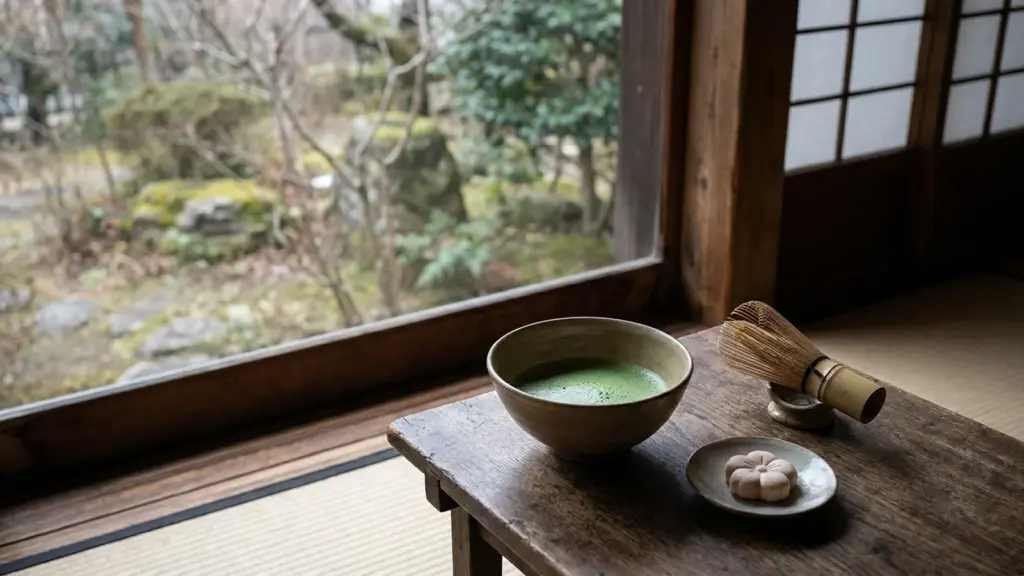
For leaf tea, identify the style first and then follow the maker’s brewing advice. For matcha, use the same care with product-specific information rather than assuming that Sayama’s leaf-tea roasting reputation predicts its colour or flavour. Saitama’s distinctive contribution is a network of individual tea makers and a recognisable regional tea culture, with room for more than one product and more than one taste.
Sources and further reading