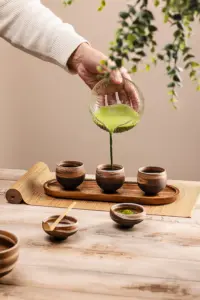
Matcha Botanicals supplies ceremonial-grade matcha from plantations it describes as its own in Japan, dispatching from Uji every two weeks to keep stock fresh.
Its catalogue is tiered from vintage imperial lots and a single-cultivar Okumidori down through mid-range ceremonial matcha to a bulk culinary grade, with a full set of preparation tools alongside. The company is registered in Switzerland.
Matcha Botanicals sells ceremonial-grade matcha that it describes as coming from its own plantations in Japan, a vertical position few matcha brands can claim. It ships from its Uji plantation on a roughly two-week cycle, presented as a freshness measure rather than a logistics detail.
The range is unusually tiered: vintage imperial lots at the top, a single-cultivar Okumidori, mid-range ceremonial matcha, flavoured options, and a bulk culinary grade for kitchens. The company is registered in Switzerland and stocked in cafés internationally.
Matcha Botanicals covers a wider quality span than most brands, from vintage imperial lots to bulk culinary matcha.
Imperial and vintage tier
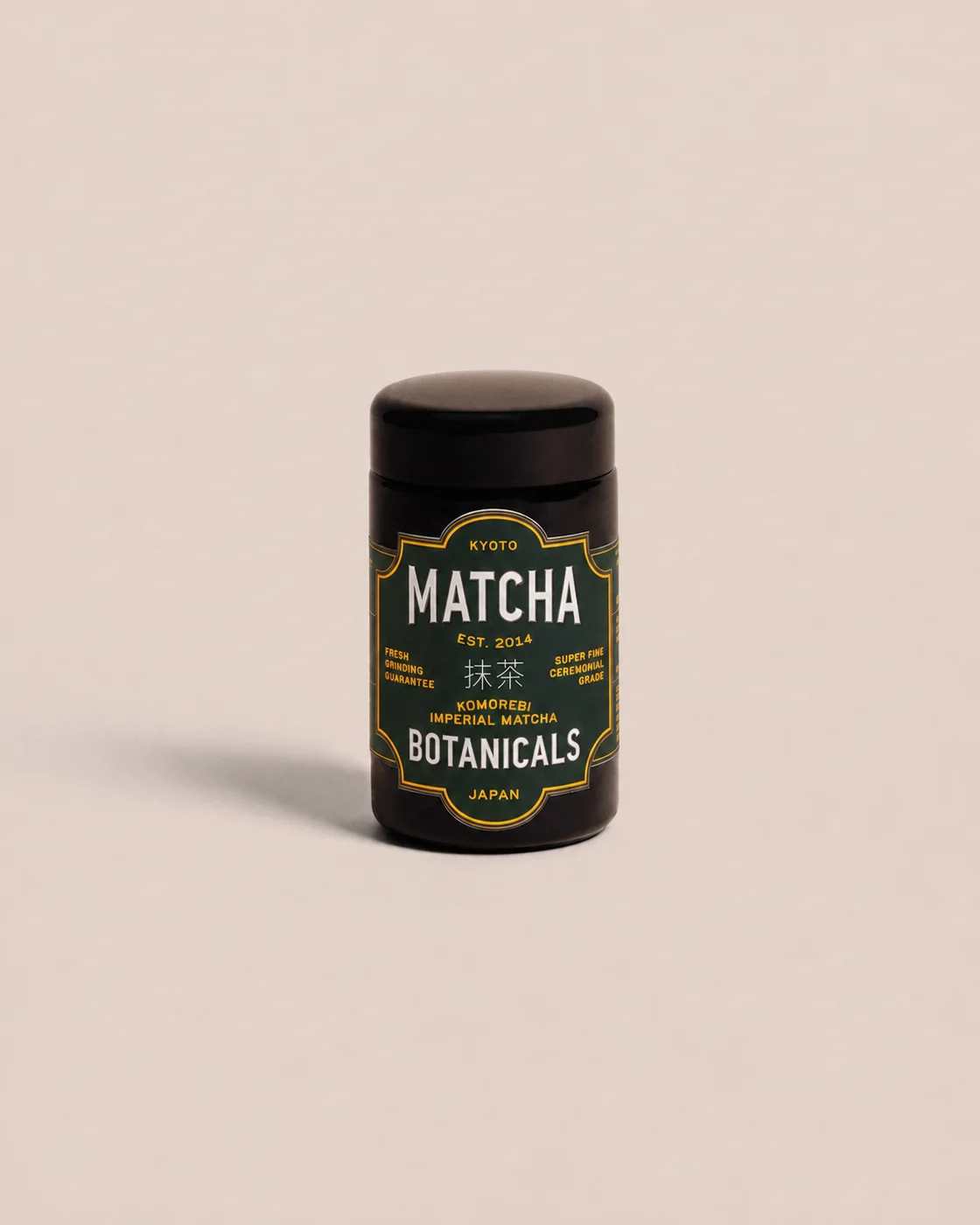
- Komorebi | Imperial Matcha, Vintage Edition 2026 — the current top-tier vintage release.
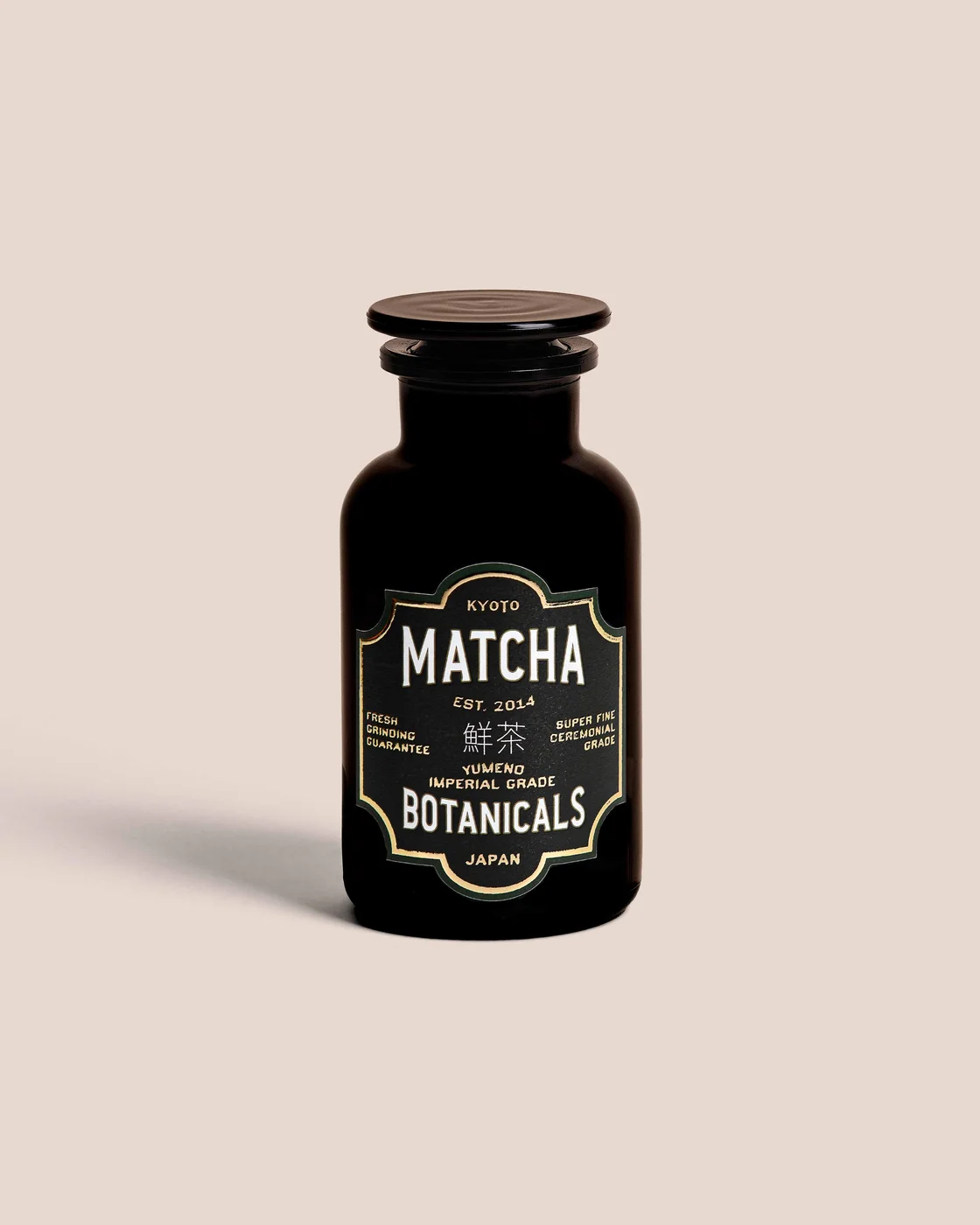
- Yumeno | Vintage Imperial Matcha — sold as a millésimé (vintage) lot in several sizes.
Ceremonial tier
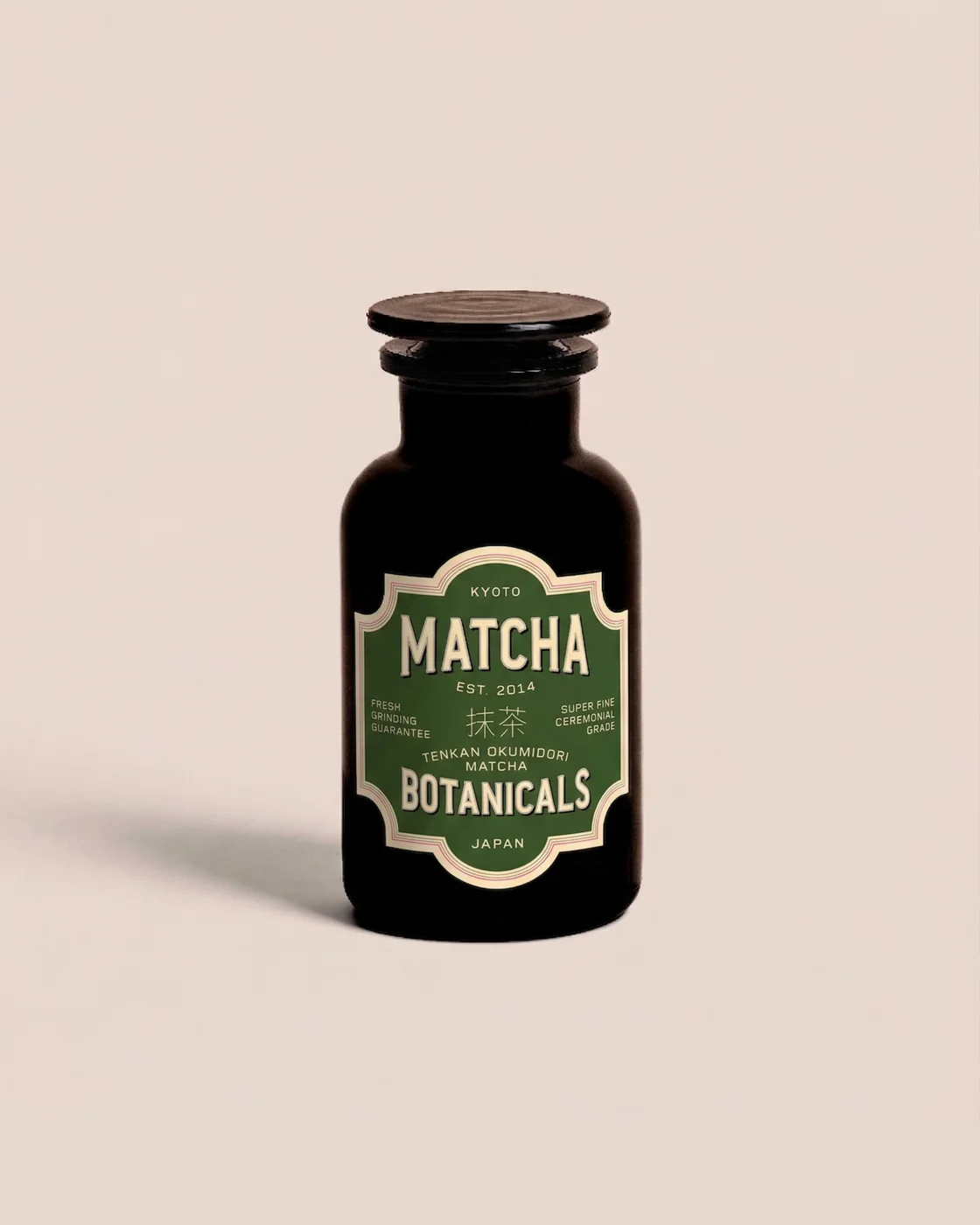
- Tenkan Okumidori — a single-cultivar ceremonial matcha from the Okumidori cultivar.
- Single Origin | Vintage Ceremonial Matcha — tied to one origin and vintage.
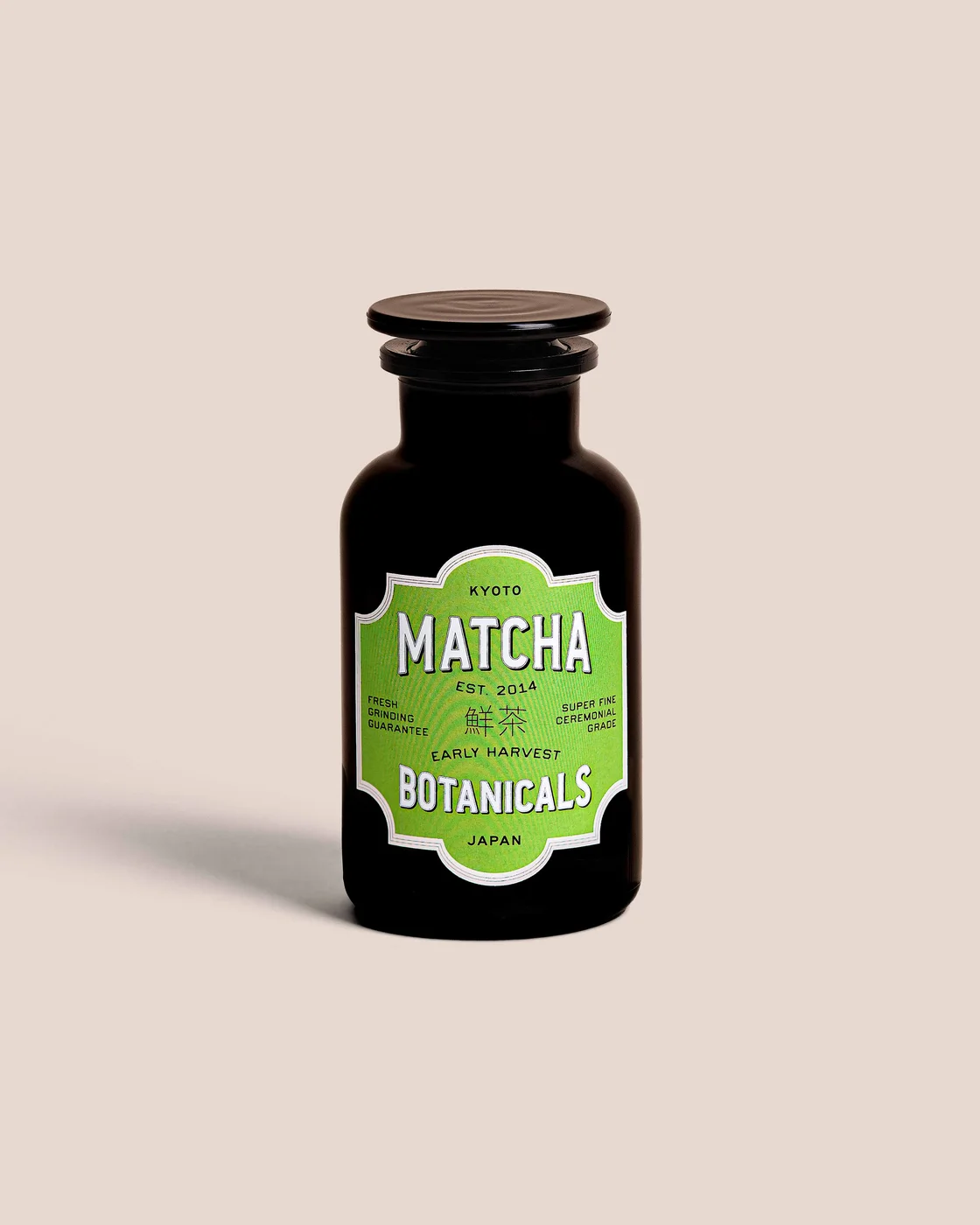
- Early Harvest | Ceremonial Matcha — from the season's earlier pick.
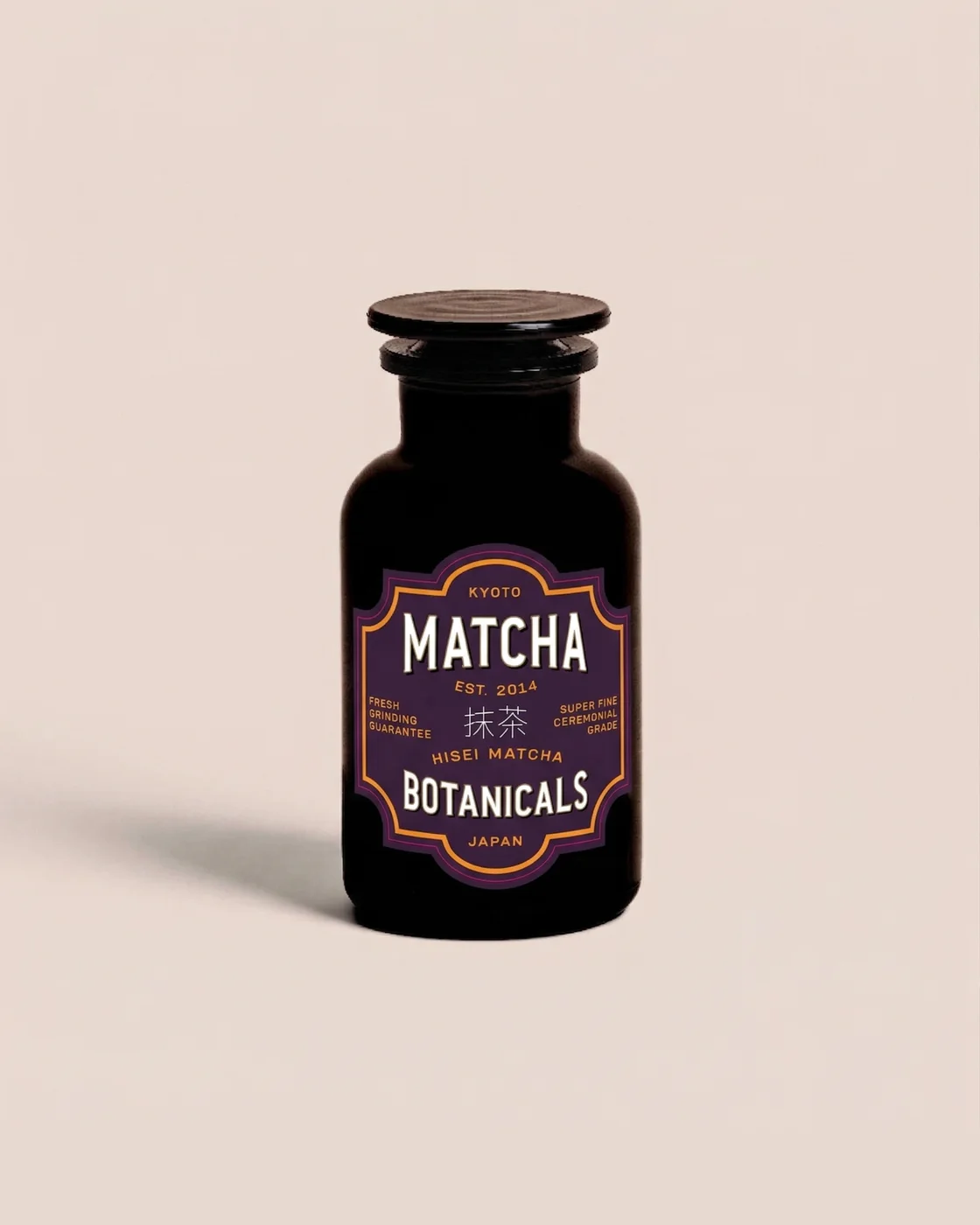
- Hisei | Ceremonial Grade Matcha — the core ceremonial listing.
Flavoured and culinary
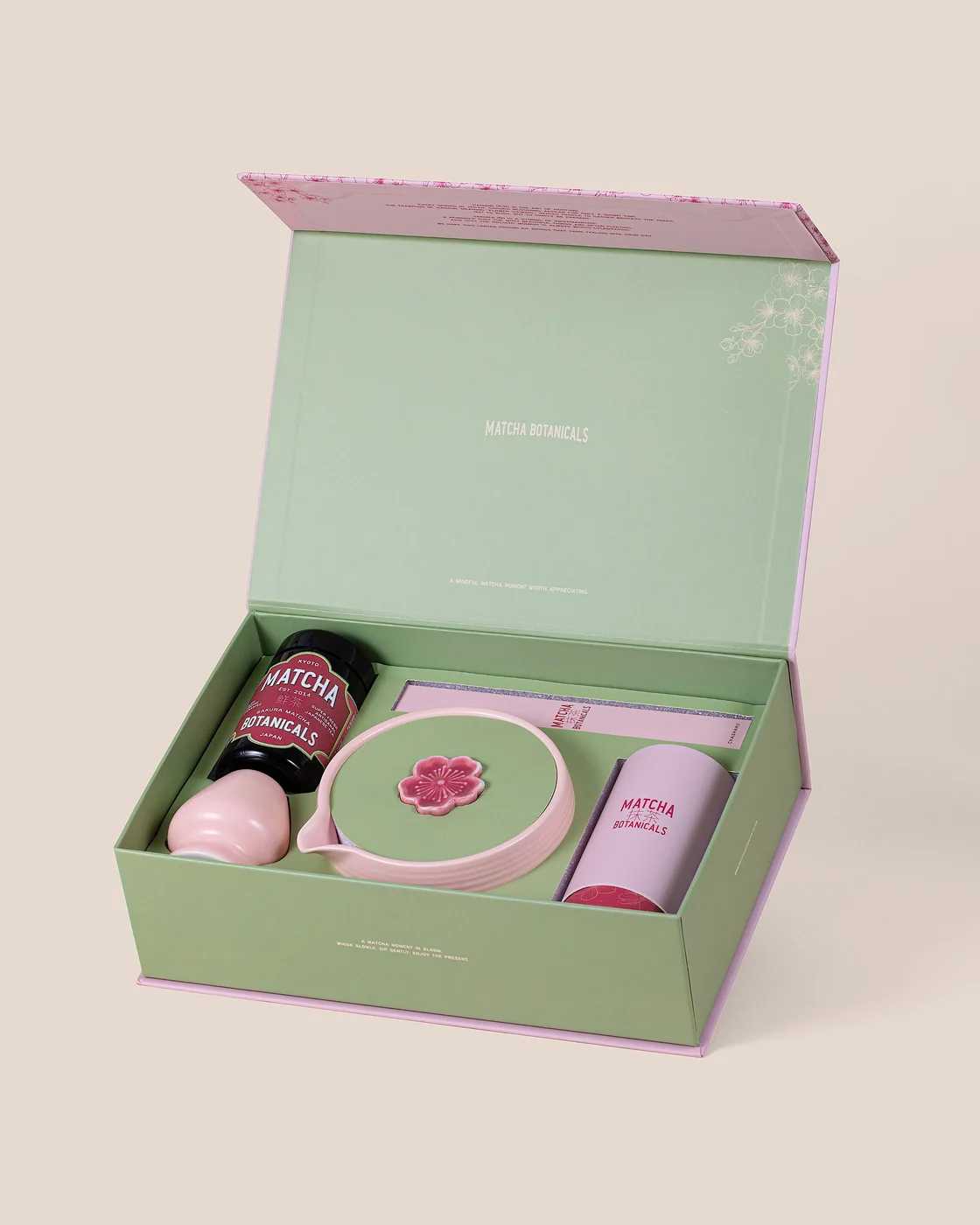
- Sakura Matcha, Vanilla and Roasted Matcha — flavoured options; the roasted profile sits closer to hojicha.
- Matcha Rose Latté — a latte-oriented blend.
- Gastronomy Matcha 200 g — bulk culinary matcha for baking and professional kitchens.
Tools
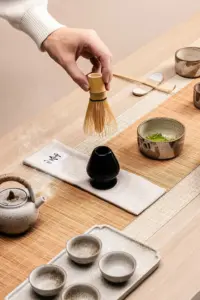
A premium bamboo whisk, ceramic whisk holder, bamboo whisk stand, traditional chashaku spoon, katakuchi white ceramic bowl, electric milk frother, a premium gift box, on-the-go sample packs, and violet-glass refill storage aimed at protecting powder from light.
Matcha Botanicals states that its matcha comes from its own plantations in Japan and is dispatched from Uji approximately every two weeks.
Uji
Uji, in Kyoto Prefecture, is the historic centre of Japanese matcha: the region where shaded tencha cultivation and stone-grinding were refined, and still the origin most associated with high-grade matcha.
Okumidori
The Tenkan lot names its cultivar — Okumidori, a late-harvesting variety valued for deep green colour and a smooth, sweet profile with restrained astringency.
Why shipping cadence matters
Matcha degrades with exposure to light, heat, air and time, losing colour and gaining a flat, hay-like character. A short, regular dispatch cycle from origin limits how long powder sits in storage before reaching the customer, which is why the brand presents its two-week cadence as a quality measure. Its violet-glass storage product addresses the same problem at the customer's end.
Matcha Botanicals is registered as Matcha Botanicals GmbH in Frauenfeld, Switzerland, and is the contractual seller for orders placed through its online shop.
It operates several regional storefronts — European domains redirect to its main site — and states that its matcha is stocked in cafés internationally. The brand does not publish a founding year or founder biography.
The brand states that its ceremonial matcha comes from its own plantations in Japan and that it dispatches from its Uji plantation roughly every two weeks. That is a more vertical position than most matcha brands, which buy finished powder from third-party producers. The brand does not publish independent verification of the plantation ownership on its storefront.
The contractual seller for orders placed through its online shop is Matcha Botanicals GmbH, registered in Frauenfeld, Switzerland. That is separate from where the tea is grown — the brand describes its plantations as being in Japan, with dispatch from Uji. Its regional domains, including the European ones, redirect to the main storefront.
The imperial tier is the top of the range and sold as dated vintage lots — Komorebi Vintage Edition 2026 and Yumeno Vintage Imperial. Below that, the ceremonial tier covers Tenkan Okumidori (single cultivar), Single Origin Vintage, Early Harvest and Hisei. In general the imperial lots are intended for tasting on their own, while the ceremonial tier is more flexible across bowls and lattes.
Matcha degrades with exposure to light, heat, air and time, losing its colour and developing a flat, hay-like character. A short, regular dispatch cycle from origin limits how long powder sits in storage before it reaches the customer. The brand presents the two-week cadence as a freshness measure, and sells violet-glass storage to address the same problem after delivery.
Gastronomy Matcha is the brand's bulk culinary grade, sold in a 200 g format for baking, desserts and professional kitchen use. Culinary matcha is more robust and more astringent than ceremonial grade, which is what lets its flavour survive being combined with sugar, flour and dairy. It is not intended for drinking whisked on its own.