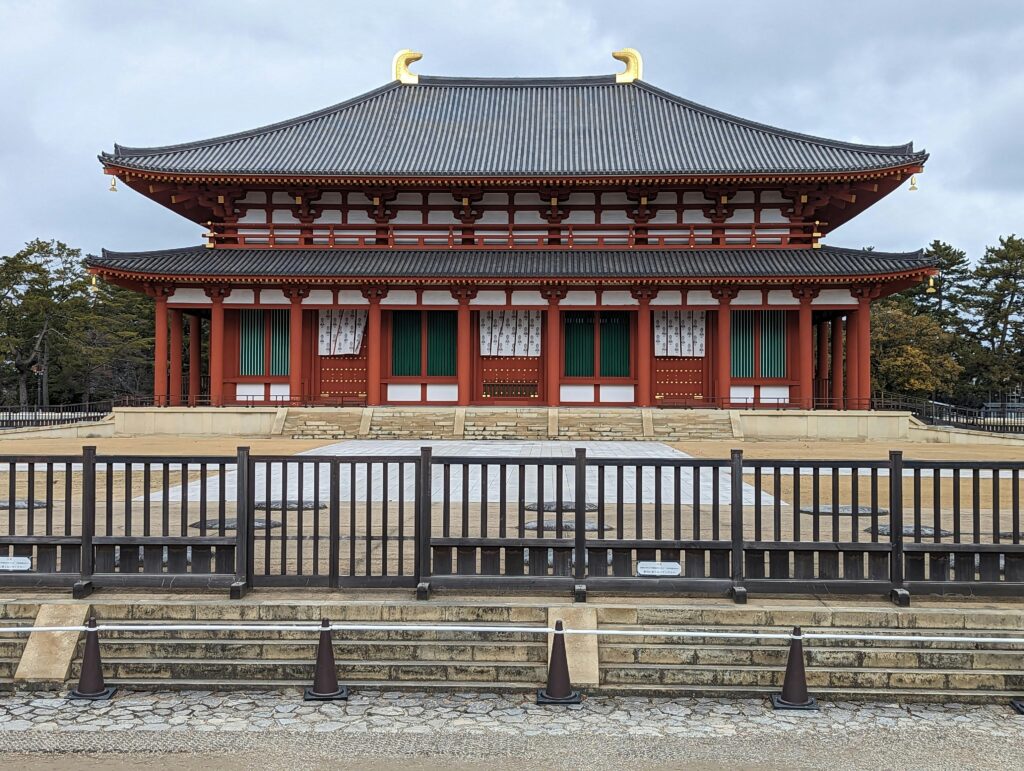
Nara: Tea Origin and Regional Context
Nara connects Yamato tea, temple traditions and Takayama bamboo whisks; its cultural heritage is distinct from a matcha-origin guarantee.Definition of Nara
Nara is a Japanese tea region associated with Yamato tea, temple tea traditions and bamboo whisk making in Takayama. Its tea heritage includes both cultivation and tea culture. Accounts linking Kūkai to tea seeds in 806 are best presented as local historical tradition, not proof of Japan’s sole tea birthplace.
Learn more
Nara’s tea identity is broader than matcha
Nara is associated with Yamato tea, a regional tea identity grounded in cultivation, processing and local food culture. Nara City’s account describes tea grown and processed primarily in mountainous surroundings and highlights Tsukigase as one place to learn about it. This makes Nara a living tea region, not simply a historical stepping stone to Kyoto or Uji.
At the same time, a connection to tea ceremony does not mean every Nara tea is matcha. The region’s tea-growing history, its leaf teas and its utensil-making traditions are related but distinct parts of the story.
Reading the Kūkai origin story carefully
Nara City recounts a history in which Kūkai brought tea seeds from Tang-dynasty China in 806 and planted them in Uda. It is useful to present this as the local account of Yamato tea’s beginnings. It should not become an unqualified claim that this single episode proves the first tea cultivation anywhere in Japan.
The same municipal account connects Murata Jukō of Nara with the development of tea ceremony and the wabi-cha style in the fifteenth century. This gives Nara a specific place in tea culture without needing a contest over which region perfected tea. Historical influence also says nothing by itself about the grade of a modern packet of matcha.
Yamato tea in everyday use
The city’s guide includes sencha, bancha and hojicha among ways to enjoy local tea. It also describes tea in Narachagayu, a tea porridge, and in sweets. These examples show why a regional tea page should not be reduced to a single powdered product. A visitor may encounter brewed leaf tea or a tea-based dish as readily as a bowl of matcha.
Nara City also discusses the region’s black-tea history and its later green-tea reputation. The variety is important: neither the leaf’s origin nor an old temple association tells you how it was processed. The named product and producer supply the missing detail.
Takayama’s separate contribution: the chasen
Takayama in Ikoma is known for bamboo tea whisks, or chasen. Nara Prefecture’s travel guide describes local families passing down the craft and presents Takayama Chikurinen as a place to see whisk-making demonstrations. This is a direct connection with the tools used to prepare matcha, but it is not evidence that the powder served with a whisk was grown nearby.
For a Nara-labelled matcha, ask for the tea-growing locality and producer. The Japan Matcha Association defines the processing route through shaded leaves, steaming, drying without rubbing and milling tencha. For a Takayama whisk, the relevant origin question concerns the craftsperson and utensil. Keeping those two supply chains separate makes Nara’s contribution clearer: it brings together regional tea, cultural history and specialist craft without making them interchangeable.
Sources and further reading
- The taste of Yamato tea — Nara City
- Takayama Chikurinen — Nara Prefecture / Official Nara Travel Guide
- What is MATCHA — Japan Matcha Association
Sources and references

Accessed: 2026-09-08
Language: en
Yamato tea in Nara’s mountainous areas and Tsukigase, municipal account of Kūkai and 806, Murata Jukō and wabi-cha, leaf tea styles and tea porridge.
Accessed: 2026-09-08
Language: en
Takayama in Ikoma has bamboo chasen craftsmanship passed down in local families and demonstrations at Takayama Chikurinen. No market-share statistic.
Accessed: 2026-09-08
Language: en
Matcha is powdered tencha: shaded leaves are steamed and dried without rubbing before milling. This supports processing distinctions, not regional production or health claims.

Emilie Schol
Founder of Best MatchaFrequently asked questions
Here are some frequently asked questions and answers.Did Nara definitively introduce tea to Japan in 806?
Did Nara definitively introduce tea to Japan in 806?
Nara City tells a local origin story linking Kūkai, tea seeds from China and Uda in 806. It should be attributed as that tradition, not presented as proof of Japan’s sole tea birthplace.
Is all Yamato tea matcha?
Is all Yamato tea matcha?
No. Nara City describes sencha, bancha, hojicha and other uses of Yamato tea. The regional name does not specify a single processing method.
What is Takayama’s connection to matcha?
What is Takayama’s connection to matcha?
Takayama in Ikoma is known for making bamboo chasen. Whisk craftsmanship is distinct from the growing origin of the tea powder used with it.