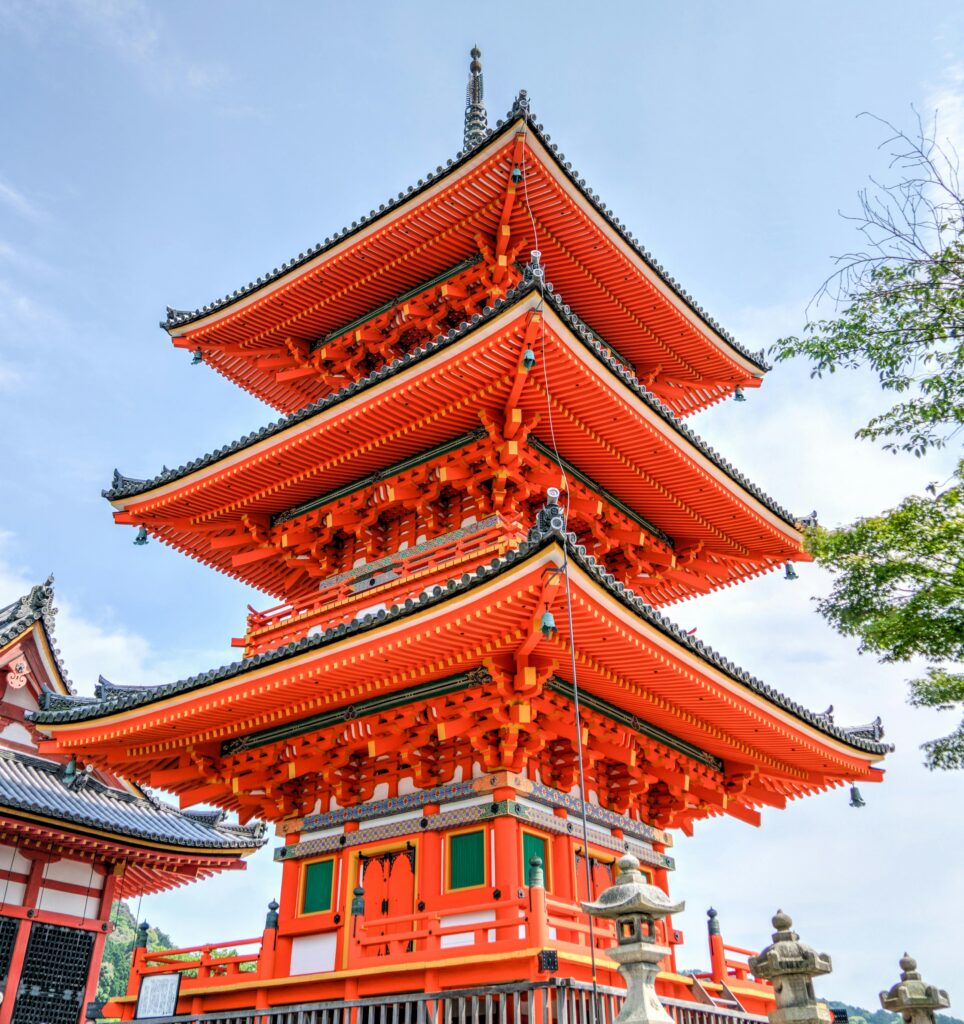
Kyoto: Uji Tea History and Matcha Production
Kyoto connects Uji tea history, shaded cultivation and chanoyu. Learn how regional labels differ from leaf origin and matcha processing.Definition of Kyoto
Kyoto is a Japanese prefecture closely associated with Uji tea, covered cultivation and the culture of chanoyu. Its tea history spans distinct developments in matcha, sencha and gyokuro; the regional name does not mean every leaf was grown in Uji City or picked by hand.
1 term related to Kyoto
Learn more
Tea history is not one unchanged recipe
The Uji tea cultural landscape account traces cultivation in Uji to the beginning of the thirteenth century. It describes later developments in gift exchange, tea-guessing games and tea drinking. Kyoto’s importance is both cultural and agricultural, but centuries of tea cultivation do not prove that today’s covered tencha process was practiced unchanged throughout that history.
Covered cultivation and chanoyu
The same history places Ōishita Saibai, cultivation under cover, in the latter half of the sixteenth century. It links this development with Uji matcha and the tea culture associated with Sen no Rikyū. Tea rooms and the Senke schools remain part of that account. This is a useful chronology rather than a claim that every Kyoto grower follows one shading duration, covering material or hand-picking method.
Sencha and gyokuro remain distinct
The regional account also follows Nagatani Sōen’s role in sencha processing and the later development of gyokuro through covered cultivation and rolled-leaf manufacture. Those branches explain why a Kyoto tea business may offer several tea types. They should not be collapsed into matcha simply because the teas share a region or use steam during processing.
What a Uji label tells you
The Kyoto Prefectural Tea Industry Chamber defines Uji tea using leaf from Kyoto, Nara, Shiga and Mie finished and processed in Kyoto by prefectural tea businesses, with priority for Kyoto-grown leaf. That does not mean every blend contains all four origins, nor that the label guarantees Uji City cultivation. Claims that Kyoto matcha is invariably sweeter than Kagoshima tea, universally hand-picked or grown on one soil type require different, product-specific evidence.
What makes a powder matcha
The Japan Matcha Association describes matcha as powdered tencha. Tea leaves are cultivated under shade, steamed and dried without rolling before milling. This distinguishes the manufacturing route from simply grinding an ordinary leaf tea. It is a general processing reference, not evidence that every farm in the place named here uses that method. The local sources above must establish their own production claims; the process definition cannot fill gaps in a regional report.
Reading the origin on a package
Separate the place where leaves were grown from the locations of processing, milling, packing and sale. Ask for a named producer, the actual leaf origin, the tea category before milling and the harvest or lot information. Where an organic claim is made, request the current certificate and its operator and product scope. A location name, scenic field or retailer address is not a substitute for these records.
Comparing the actual tea
Use product-specific information when comparing taste, color and value. A broad climate description cannot establish a batch’s amino-acid content, sweetness or absence of astringency. Compare named teas prepared in similar ways and keep sensory observations attached to those products. This lets documented regional history remain useful without turning it into an unsupported promise about every powder sold under the place name.
Sources
- The Culture and History of Uji Tea — Uji Tea Cultural Landscape World Heritage initiative
- Society | Enjoy Uji tea — Kyoto Prefectural Tea Industry Chamber
- What is MATCHA — Japan Matcha Association
Sources and references


Accessed: 2026-09-08
Language: en
Uji tea cultivation traced to the early thirteenth century; covered cultivation in the later sixteenth century; chanoyu, tea masters, sencha and gyokuro history.
Accessed: 2026-09-08
Language: en
Uji tea definition covers four growing prefectures and finishing/processing within Kyoto, with Kyoto leaf priority.
Accessed: 2026-09-08
Language: en
General processing only: shaded leaves steamed and dried without rolling, then milled; matcha is powdered tencha. Not used for local production, health or historical origin claims.

Emilie Schol
Founder of Best MatchaFrequently asked questions
Here are some frequently asked questions and answers.Has modern Kyoto matcha existed unchanged for 800 years?
Has modern Kyoto matcha existed unchanged for 800 years?
The cited history distinguishes early thirteenth-century tea cultivation from later sixteenth-century covered cultivation and subsequent manufacturing developments.
Is all Kyoto matcha hand-picked?
Is all Kyoto matcha hand-picked?
The regional sources do not establish that. Check the harvesting description of the actual product.
Does Uji mean Uji City-grown leaf?
Does Uji mean Uji City-grown leaf?
Not necessarily. The chamber definition includes qualifying leaf from four prefectures finished and processed in Kyoto.