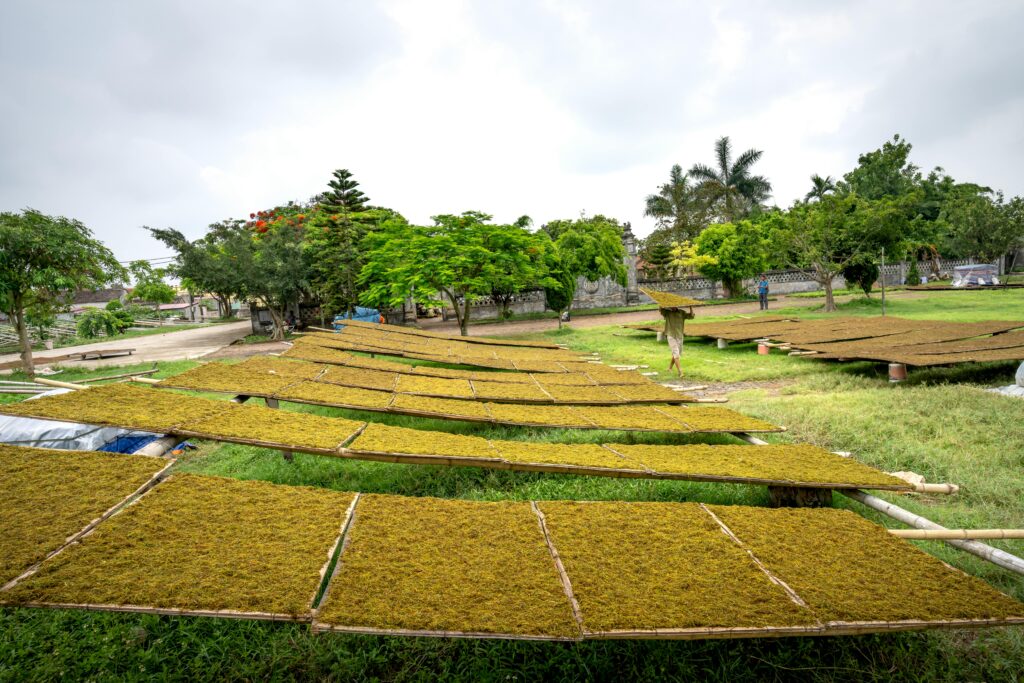
Iruma: Tea Origin and Regional Context
Iruma is a Saitama city in the Sayama tea area, where local farms make leaf teas; the origin name alone does not establish matcha production.Definition of Iruma
Iruma is a tea-growing city in Saitama, Japan, within the wider Sayama tea area. Local farms produce and sell distinctive leaf teas, including sencha and hojicha. The city name identifies an origin, not a matcha processing method or a guarantee of one shared flavour.
Learn more
Iruma and the wider Sayama tea area
Iruma is a city in Saitama Prefecture and a useful place name for understanding Sayama tea. The official Saitama tourism guide places a concentration of tea producers around the Sayama Hills in Iruma, Tokorozawa and Sayama. The broader tea area extends into northwestern Tokyo. Sayama tea therefore does not mean only tea from Sayama City, and an Iruma-grown tea can belong to the wider Sayama tradition.
Keeping these names separate helps when reading a package: Iruma is the city, Saitama is the prefecture, and Sayama tea is the broader regional tea identity.
A region of individual tea makers
The tourism guide describes an important local pattern: farms commonly handle growing, harvesting, processing and selling their own tea. This gives the maker a central role in the finished product. The guide also stresses that teas can differ substantially among makers, even within the same growing area. A single promise of sweetness, umami or low bitterness cannot describe everything sold under the Iruma name.
The guide’s visit to Tanaka Tea Farm in Iruma illustrates this variety through tocha, a tea-tasting game. Comparing named teas side by side draws attention to differences in colour, aroma and taste. It is a more useful way to learn the local range than treating the region as one fixed flavour profile.
Sencha and hojicha are not matcha
Another example in the guide is Ikenoyaen, which supplied sencha and hojicha for a tea-field tasting experience. The article explicitly calls sencha a green tea for steeping and describes hojicha as roasted tea. Its accounts of roasting, brewing and leaf-tea tasting should be understood in that context. They do not establish a city-wide recipe for making matcha.
The Japan Matcha Association describes matcha through a different route: shaded leaves are steamed, dried without rubbing and milled as tencha. Consequently, descriptions of hand-rolling or finishing leaf tea cannot simply be transferred to matcha. Nor does Iruma’s place in the Sayama tea area establish a particular number of shading days for every local farm.
Reading an Iruma origin claim
For tea advertised as Iruma matcha, the useful questions are concrete: which farm grew the leaves, which facility processed them, and what material was milled? Ask whether Iruma refers to the leaf origin or to the merchant. Keep neighbouring-city examples separate: Okutomien, which lists matcha among its teas, is located in Sayama City, not Iruma.
For an ordinary Iruma leaf tea, start with the producer and the stated tea type. Follow that product’s preparation directions rather than a supposedly universal Iruma water temperature. The city’s strongest documented distinction is its place within a varied, producer-led Sayama tea landscape, not an automatic matcha classification.
Sources and further reading
- Learn All About Sayama Tea in Saitama, From Leaf to Drink, Just 1 Hour From Tokyo! — Saitama Tourism Support Desk
- What is MATCHA — Japan Matcha Association
- 奥富園:技術の高さや品質の価値を伝え、ドイツへの初輸出に成功 重視したのはお互いのビジネス規模 — Japan External Trade Organization (JETRO)
- About Okutomien — Okutomien
Sources and references

Accessed: 2026-09-08
Language: en
Sayama tea extends across Saitama and northwestern Tokyo; Iruma, Tokorozawa and Sayama are core cities. Describes farm-to-sale production, sencha, hojicha, Tanaka Tea Farm, Ikenoyaen and tea tasting.
Accessed: 2026-09-08
Language: en
Matcha is powdered tencha: shaded leaves are steamed and dried without rubbing before milling. This supports processing distinctions, not regional production or health claims.
Accessed: 2026-09-08
Language: ja
January 2025 case study locates family-run Okutomien in Sayama, Saitama and documents its own-growing, own-making, own-selling model and German tea export; not an Iruma factory.
Accessed: 2026-09-08
Language: ja
Family tea producer in Sayama, Saitama lists matcha separately from powdered green tea, sencha, deep-steamed tea, withered tea, hojicha and black tea, and describes integrated farm-to-retail production.

Emilie Schol
Founder of Best MatchaFrequently asked questions
Here are some frequently asked questions and answers.Is Iruma the same place as Sayama City?
Is Iruma the same place as Sayama City?
No. Iruma and Sayama are separate cities in Saitama. Both are part of the wider Sayama tea area.
What teas are described in the official Iruma tourism account?
What teas are described in the official Iruma tourism account?
The account describes local tea producers, tea tasting, sencha and hojicha. Those leaf-tea examples do not establish that all Iruma tea is matcha.
Does Sayama tea roasting explain Iruma matcha?
Does Sayama tea roasting explain Iruma matcha?
Not by itself. Matcha is made from tencha, dried without rubbing before milling. A leaf-tea finishing description is not a substitute for a maker’s matcha process.