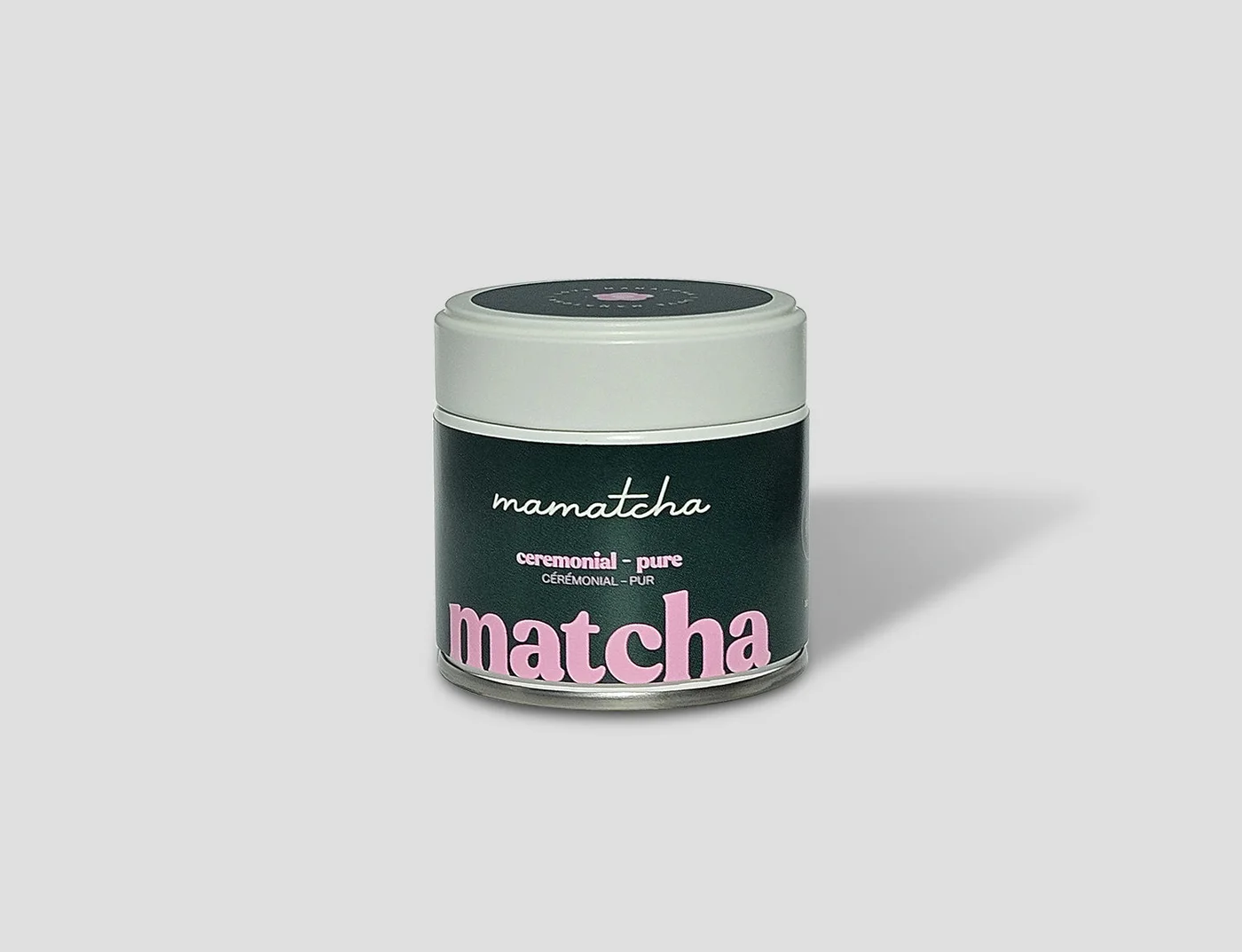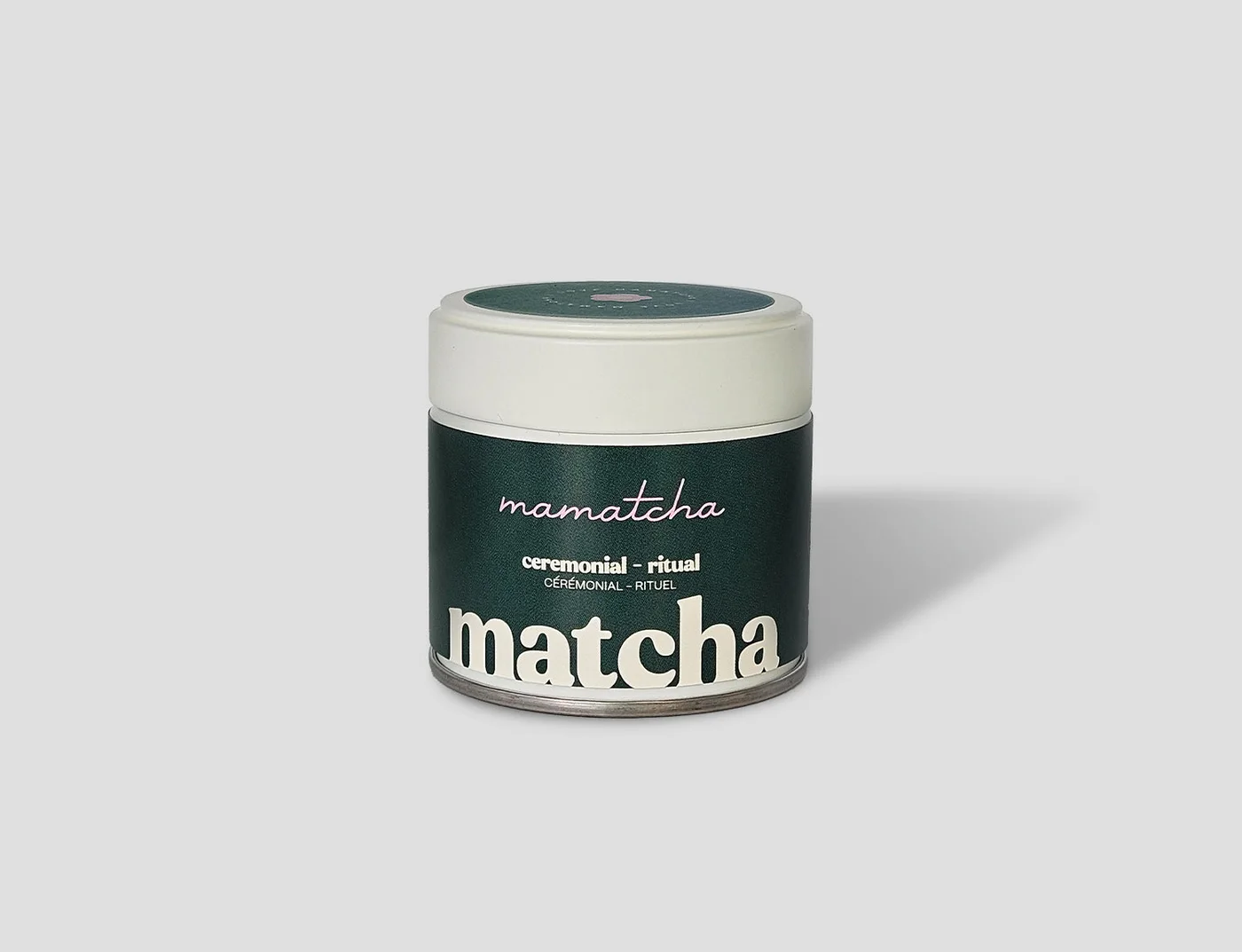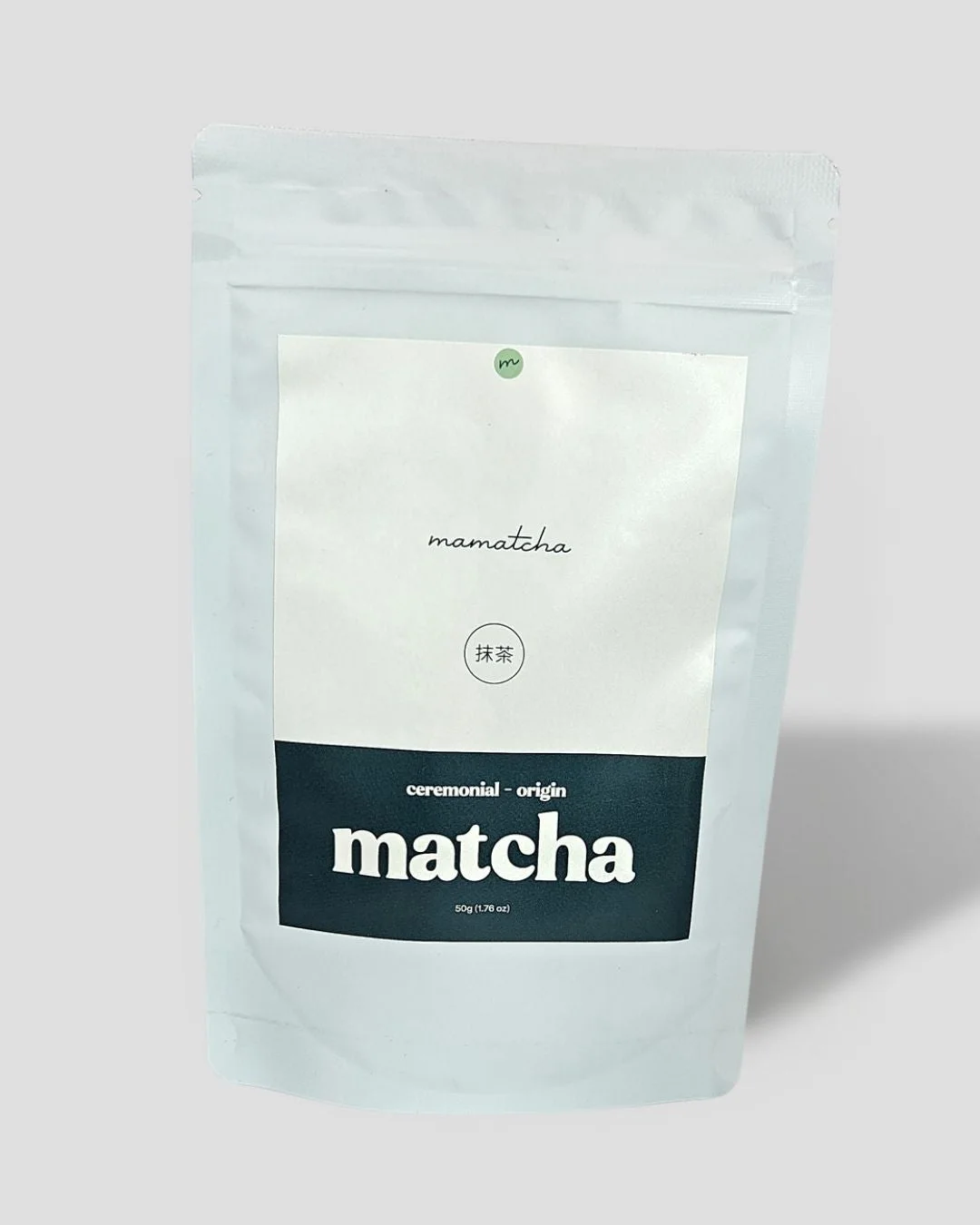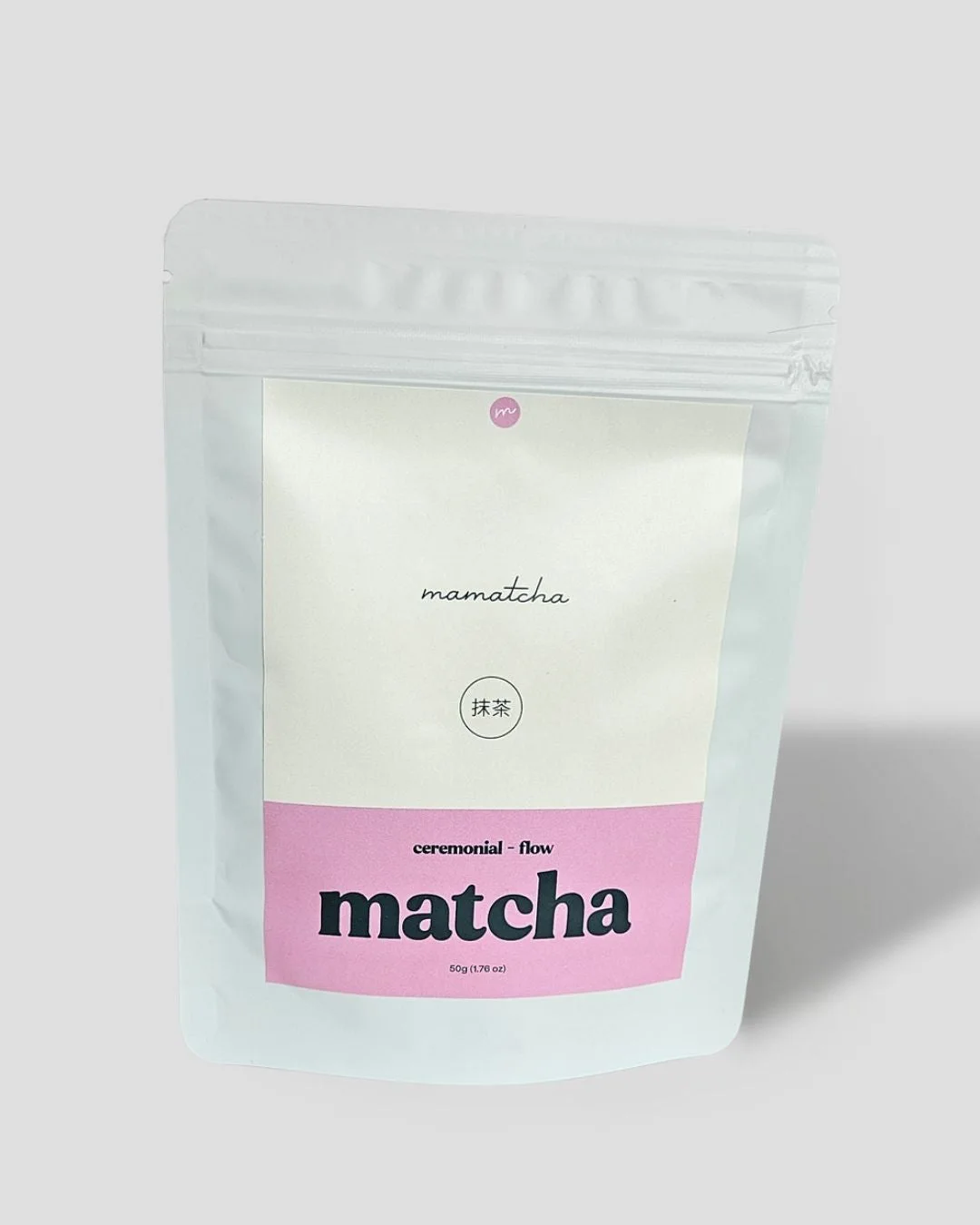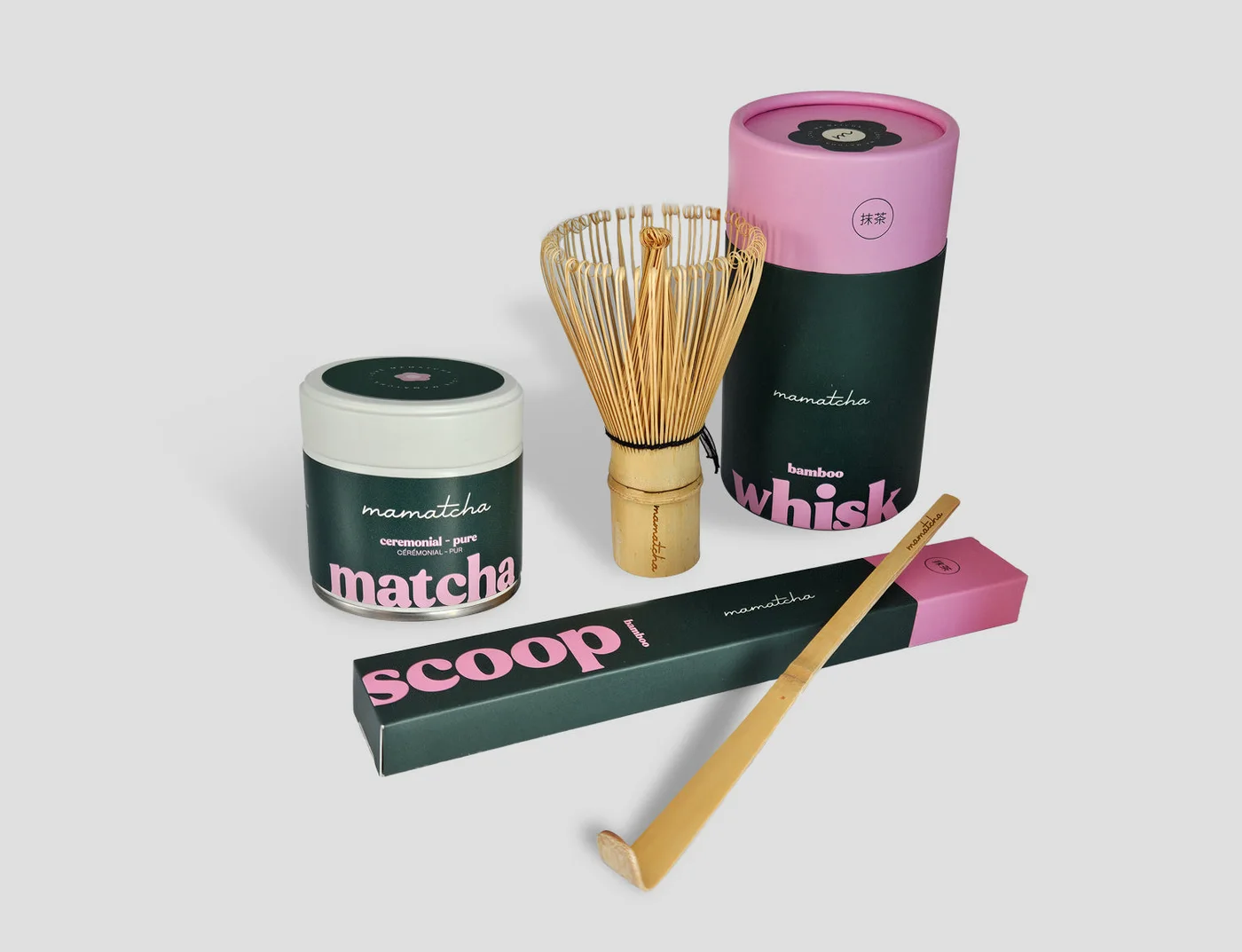
Mamatcha offers ceremonial-grade Japanese matcha described as free from astringency and bitterness, sourced directly from Japan.
What sets the range apart is its structure: products are named and separated by when the leaf was picked, giving buyers a direct way to compare a first spring harvest against an early summer one at the same grade.
Mamatcha is a Toronto-based brand selling ceremonial-grade matcha sourced directly from Japan, with a range organised in an unusually transparent way: by harvest timing rather than by flavour or blend name.
Its four matcha products split across organic and non-organic tiers and, within each, between a spring and a summer harvest. That structure lets buyers choose deliberately between the sweeter, more delicate character of an early pick and the more robust profile of a later one. The matcha is certified organic under both the Canadian and Japanese schemes.
Mamatcha organises its matcha by harvest timing and organic status rather than by flavour.
Organic (30 g)
- Pure — organic ceremonial, first spring harvest; the earliest pick in the range.
- Ritual — organic ceremonial, early summer harvest.
Non-organic (50 g)
- Origin — ceremonial, spring harvest.
- Flow — ceremonial, summer harvest.
Sets and tools
- Mamatcha Set (Pure) and Mamatcha Set (Ritual) — matcha bundled with preparation tools.
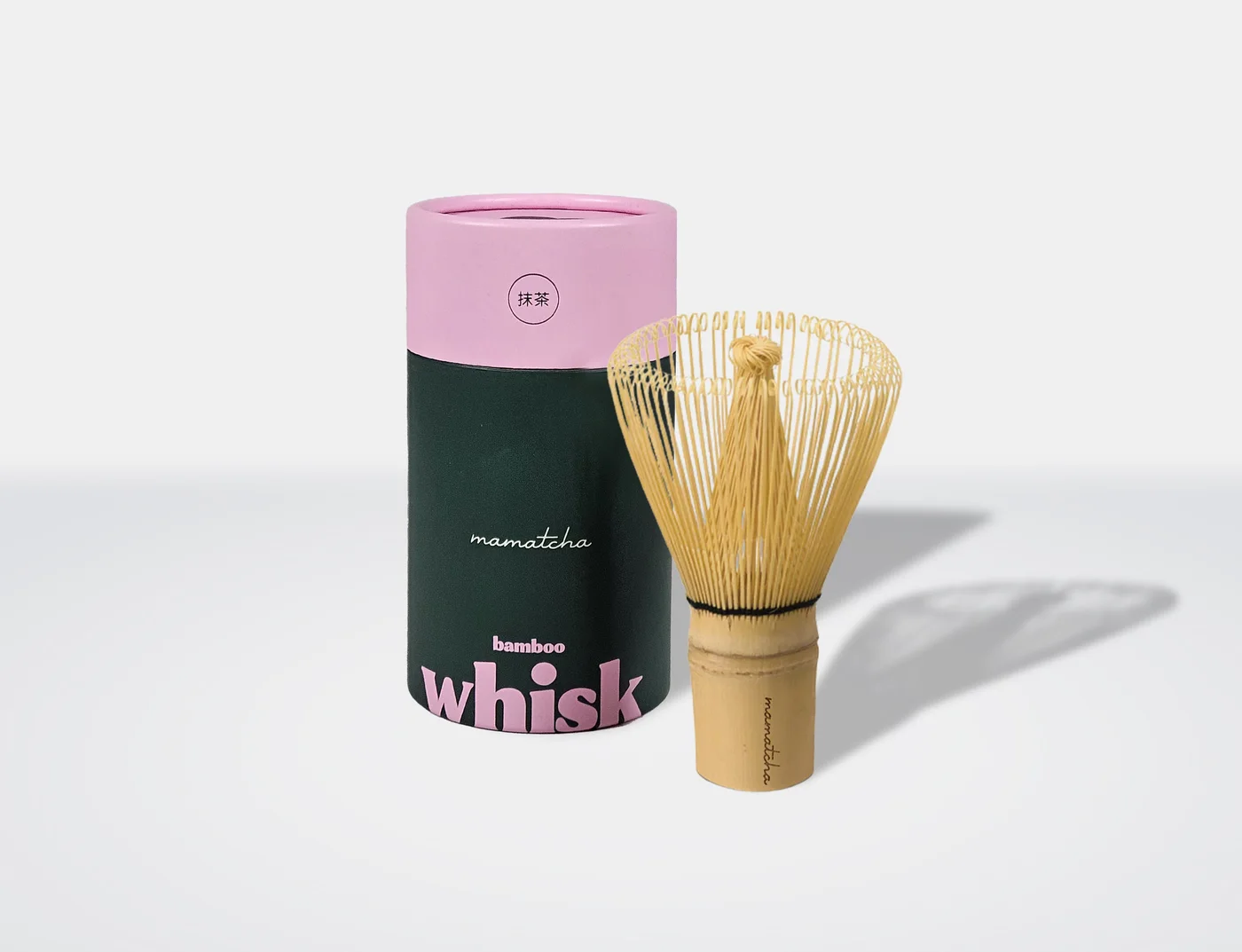
- Bamboo whisk and bamboo scoop — sold separately.
- Tote bags — branded accessories in small and large striped versions.
Note the size difference: the organic products come in 30 g, the non-organic in 50 g, so compare price per gram rather than per tin.
Mamatcha describes its matcha as single-origin and never blended, from a small organic farm in the mountains of Japan grown in volcanic soil, shade-grown then stone-milled. It does not name the prefecture, the farm or the cultivar anywhere — so the origin claim, while specific in tone, cannot be checked.
Why harvest timing matters
The first spring harvest — the season's earliest pick — generally yields the sweetest, most delicate matcha, with the highest concentration of the amino acids behind umami. Later picks, including early summer harvests, tend to produce a more robust, more astringent cup at a lower price.
By naming Pure and Origin as spring harvests and Ritual and Flow as summer ones, the brand makes that trade-off explicit. That is more transparency than a single undifferentiated “ceremonial” label provides, and it is the main reason to choose between its products.
Mamatcha is run from Toronto, Ontario, with its terms of service governed by Ontario law and order fulfilment handled through Canadian carriers; a second office is listed in Dubai. The name is a registered Canadian trademark (TMA1428029, registered July 2026) held in the trade name Mamatcha rather than by a named company.
Beyond its own storefront the brand sells through Amazon.ca and is stocked by cafés and studios in Toronto and Montreal. It does not publish a founding year or name a founder anywhere on its site, blog or social profiles.
By harvest timing and organic status rather than by flavour. The organic tier has Pure, a first spring harvest, and Ritual, an early summer harvest, both 30 g. The non-organic tier has Origin, a spring harvest, and Flow, a summer harvest, both 50 g. This lets buyers choose deliberately between an earlier and a later pick instead of relying on a single ceremonial label.
The first spring harvest is the season's earliest pick and generally yields the sweetest, most delicate matcha, with the highest concentration of the amino acids behind umami. Later picks, including early summer harvests, tend to give a more robust and more astringent cup at a lower price. Neither is objectively better — spring suits drinking straight, summer stands up better to milk.
No. The range splits across two tiers. Pure and Ritual are the organic products; Origin and Flow are non-organic. Both tiers are sold as ceremonial grade, so the organic distinction is separate from the grade. Buyers who specifically want certified organic matcha should choose Pure or Ritual.
No, and it matters for comparing price. The organic products, Pure and Ritual, come in 30 g. The non-organic products, Origin and Flow, come in 50 g. Compare price per gram rather than per tin when weighing the organic tier against the non-organic one.
Toronto, Ontario. Its terms of service are governed by Ontario law, orders ship through Canadian carriers, and it lists a Toronto head office plus a second office in Dubai. The name is a registered Canadian trademark (TMA1428029). Note that the brand's Shopify contact page has at times listed the United States, which is inconsistent with everything else it publishes.
Less than the wording suggests. The brand calls its matcha single-origin and never blended, from a small organic farm in the mountains of Japan grown in volcanic soil. But it never names the prefecture, the farm or the cultivar — not on its site, its blog or its Amazon listings. The story is specific in tone yet unverifiable in practice, which matters if traceability is what you are paying for.
Partly. The brand claims certification under both the Canada Organic Regime and the Japanese Agricultural Standard (JAS), and Amazon's independent product-certification badge on the Pure listing does show Canada Organic. However, Mamatcha does not name the certifying body for either scheme, so the JAS side rests on the brand's own claim.