What “South Korean matcha” can mean
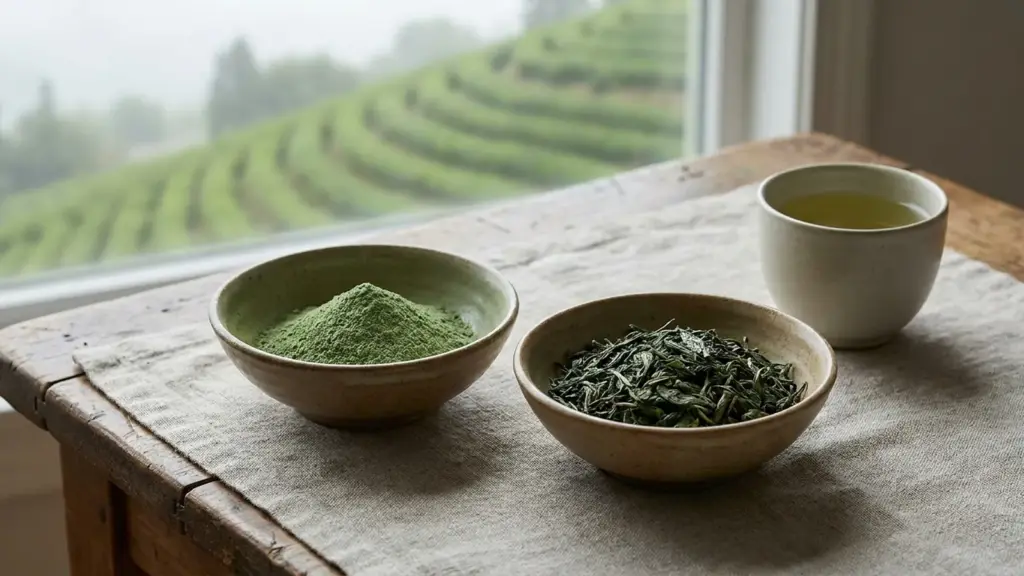
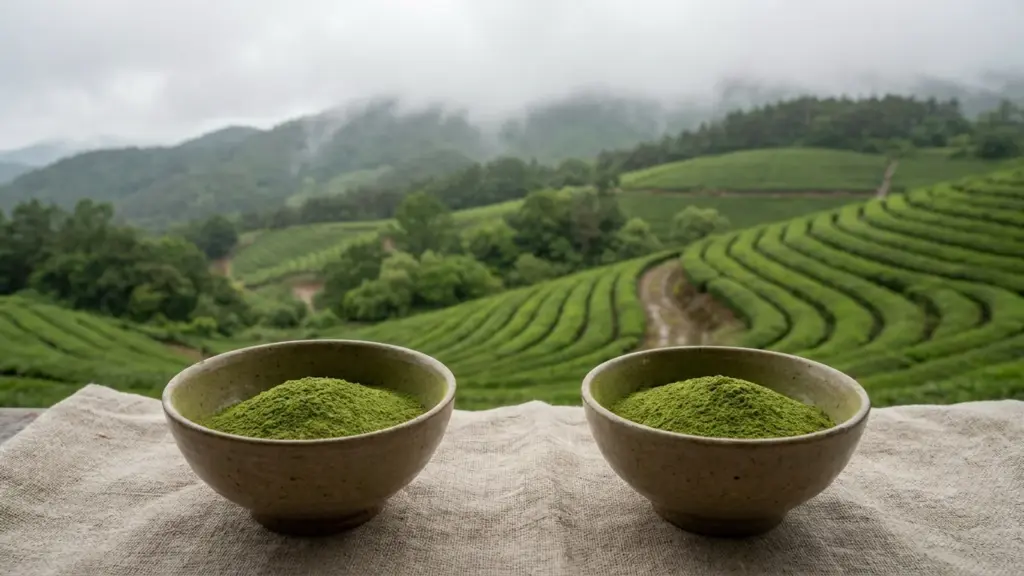
South Korea produces tea powders described with more than one Korean term. Malcha (말차) is used in a current government agriculture source for one use of domestically grown green-tea leaves. Garu-nokcha (가루녹차) literally identifies powdered green tea and appears in Korean academic research.
Those terms overlap in contemporary discussion but should not be treated as perfect regulatory synonyms. A package, standard, study, or producer may use them for a particular category or process. Translating either word as “matcha” without reading the source can erase an important distinction.
Korea’s solid-tea standard is broader than matcha
KS H 2516 is a Korean national standard titled “Solid tea.” It was established on 26 December 2008 and the registry records a latest revision or confirmation date of 29 December 2023. Its scope covers powdered or granular products made from plant extracts and products made by grinding plant material, with or without other foods or additives.
This is a broad product category, not a matcha identity standard. It does not establish a national Japanese-style tencha requirement, universal shading, steaming, cultivar, grade, or milling method for every Korean powdered tea. Calling KS H 2516 a “Korean matcha standard” would overstate what the registry documents.
Current government terminology and growing areas
On 9 January 2025, Korea’s National Institute of Horticultural and Herbal Science published a climate analysis for green-tea tea plants. It explains that Korea mainly grows tea plants for green tea and that the leaves are used for leaf green tea and malcha. This is direct current official use of the term 말차.
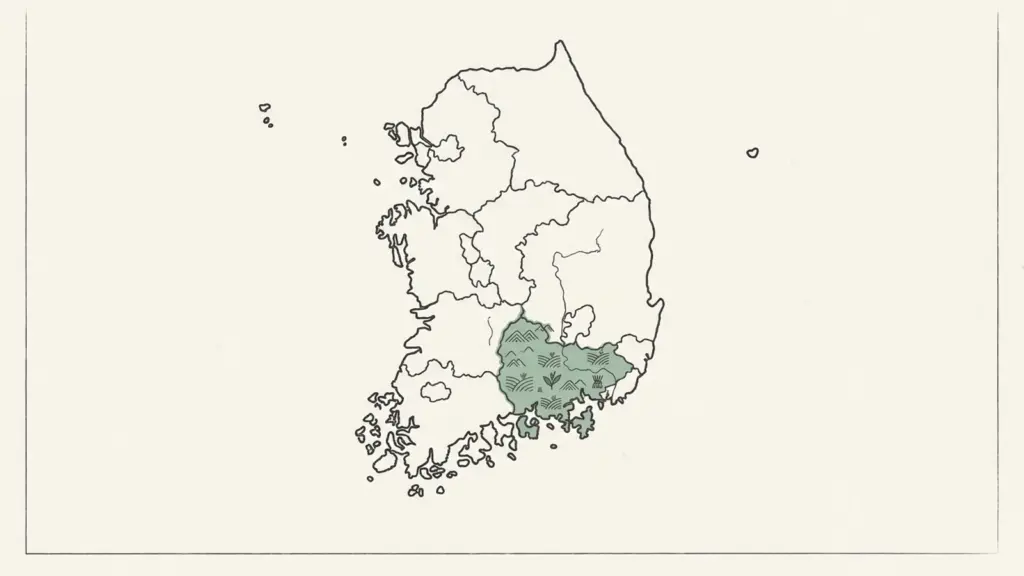
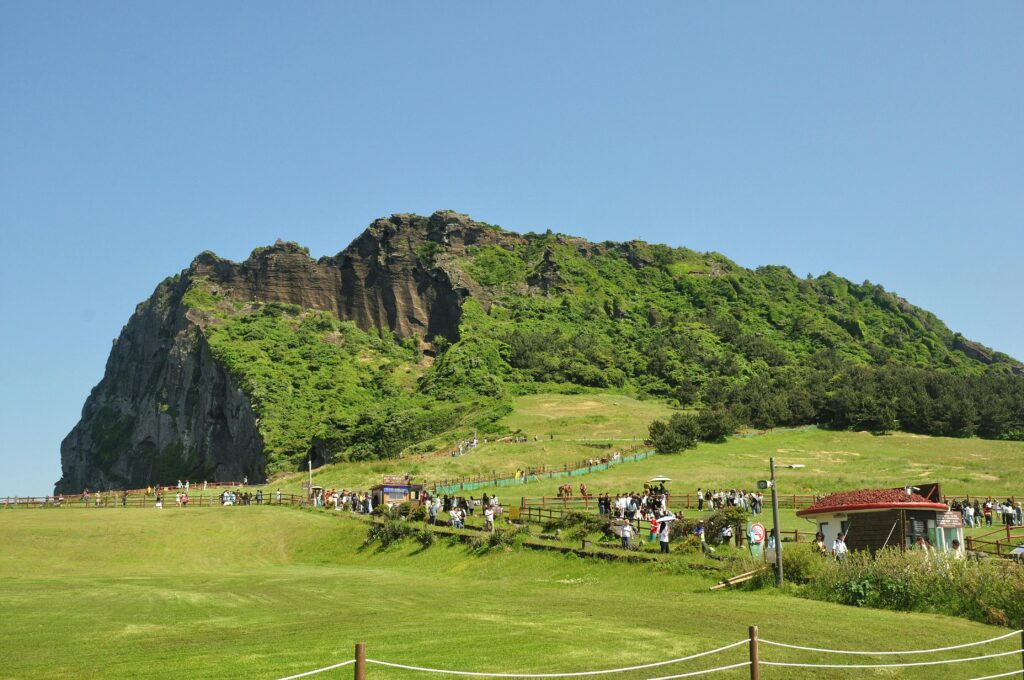
The institute identifies Jeju, Hadong, and Boseong as current suitable tea-growing areas in its analysis. Hadong is in Gyeongsangnam, while Boseong is in Jeollanam. These are examples of suitable cultivation geography, not proof that every tea or powder from those places is malcha.
What the 2010 study tells us
A 2010 peer-reviewed paper, “Physicochemical Properties of Powdered Green Teas in Korea,” studied commercial Korean garu-nokcha and Japanese powdered green tea identified as malcha. The researchers measured specific sampled products, including Korean material grown with and without shading.
The study is useful for terminology and for showing that sampled Korean products did not follow one cultivation condition. Its chemical and quality comparisons belong to those samples and that study period. They cannot be converted into a timeless national quality ranking, a current market summary, or a universal statement about Korean flavor.
Why Japanese tencha cannot be assumed
In Japan, official agricultural guidance documents a route in which covered leaf is processed into tencha and then refined and ground into matcha. That is a specific sourced production system. Neither Korea’s broad solid-tea standard nor the supplied Korean climate report makes it a universal Korean requirement.
A Korean producer may document shading, steaming, tencha-like intermediate material, or another process. Those facts should be reported when the producer or an applicable standard establishes them. Country name and transliteration alone do not supply the missing process evidence.
How to evaluate a Korean powder label
First record the Korean term actually used: 말차, 가루녹차, or another category. Then look for leaf origin, cultivation area, ingredients, processing description, and any standard declaration. A powder containing extracts, other foods, or additives may fit a broad solid-tea category while differing substantially from a single-ingredient ground-leaf product.
Regional names should also remain precise. Jeju, Hadong, and Boseong are documented suitable tea-growing areas, but a product’s actual origin needs label or producer evidence. Links to Gyeongsangnam and Jeollanam supply geography without claiming that every regional tea is matcha.
What Korean origin does not guarantee
South Korean origin does not establish one flavor, color, grade, cultivar, shade period, steaming method, or health effect. The reviewed sources do not support a national market share or a single comparison with Japanese matcha. Product-wide claims should be replaced with lot-level evidence and clearly named standards.
This terminology-first approach supports matcha authenticity and matcha processing terms. It lets readers recognize contemporary Korean malcha while preserving the separate meaning of powdered green tea in academic and regulatory contexts.