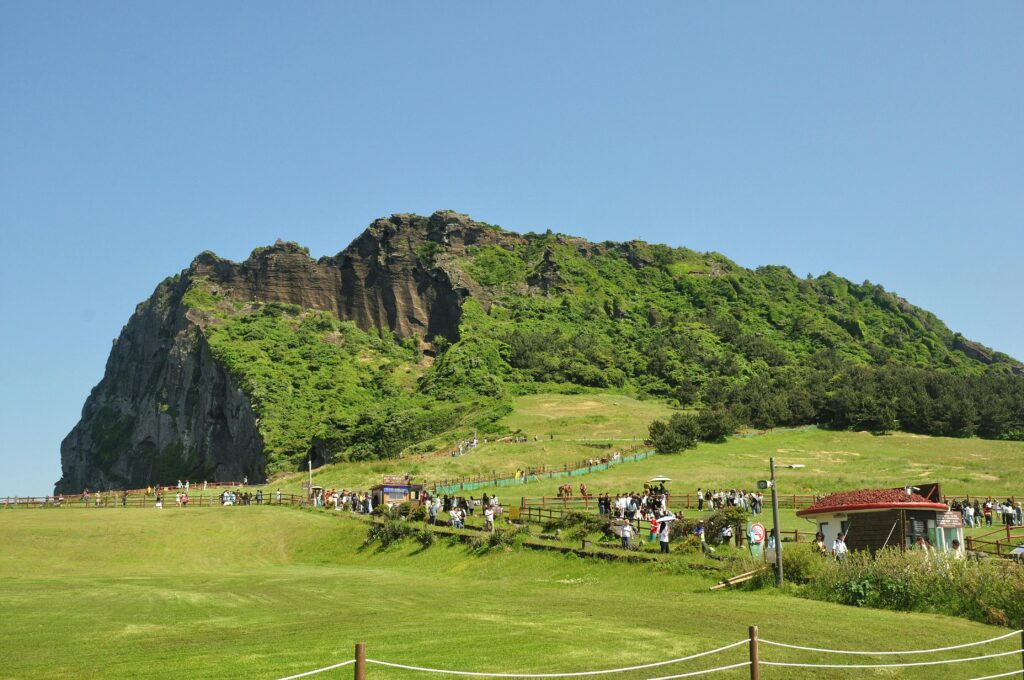
Jeju Island is a volcanic Korean tea region with mineral-rich acidic soil, subtropical climate, and high rainfall that produces matcha with distinct umami.
Jeju Matcha Growing Conditions and Quality Factors
Jeju Island’s tea plantations thrive in a unique environment shaped by volcanic geology and maritime weather patterns. The subtropical island sits off Korea’s southern coast, where volcanic ash soil combines with persistent fog and sea breezes to create conditions that produce matcha with distinct mineral notes and vibrant color. About 59.5% of Jeju’s farmland consists of volcanic soil, which drains well and delivers nutrients that influence both flavor and leaf quality. Tea cultivation here runs from March through November, with spring harvest delivering the most prized leaves.
Volcanic Soil and Mineral Composition
The island’s volcanic ash soil has a frothy, porous texture that filters water naturally while retaining minerals. This composition gives tea plants access to trace elements that shape flavor profiles. The soil’s drainage properties prevent root rot during Jeju’s 1,800 mm annual rainfall, while its mineral content contributes to the herbaceous, umami-rich taste that sets Jeju matcha apart from Japanese varieties. Tea farms typically occupy gentle southwestern slopes where volcanic soil depth and drainage work together to support healthy root systems.
Maritime Climate and Natural Shading
Jeju’s maritime climate creates stable temperatures without the extremes found in continental tea regions. Frequent fog and mist roll in from the ocean, providing natural shading that increases theanine levels in tea leaves. This amino acid produces the smooth, savory quality prized in quality matcha. Unlike Japanese producers who use artificial shade structures for 20-30 days before harvest, Jeju’s farmers rely on environmental conditions. Sea breezes regulate temperature and humidity throughout the growing season, reducing plant stress and promoting tender leaf development. Winter snow and warm summers create seasonal variation that influences bioactive compound levels.
Harvest Timing and Quality Markers
Spring flush from March to April yields leaves with the highest quality characteristics. Young shoots harvested during this period contain balanced ratios of catechins and theanine, producing bright green powder with less bitterness. Summer and autumn harvests increase catechin content, which affects astringency and antioxidant profiles. The timing matters because temperature and humidity shifts throughout the season alter the chemical composition of leaves. Here’s what distinguishes quality Jeju matcha:
- Vibrant green color from natural fog shading and careful processing
- Mineral-forward flavor notes reflecting volcanic soil composition
- Smooth umami taste from elevated theanine levels
- Fresh, herbaceous character distinct from Japanese matcha profiles
Regional Differences and Cultivation Methods
Jeju’s approach differs from other tea regions in several ways. The island’s terroir produces matcha with more pronounced mineral notes compared to the sweeter profiles common in Uji or Nishio. Natural shading from topography and weather means less infrastructure investment, though it also means less control over shading duration. Farms like Osulloc follow organic practices that work with the island’s natural advantages. The maritime influence keeps temperatures moderate year-round, allowing Camellia sinensis plants to develop consistently without the shock of extreme weather. This stability translates to reliable quality across harvests, though flavor intensity varies with seasonal conditions and specific microclimate locations across the island’s tea-growing regions.
Jeju's volcanic ash soil contains a rich mineral profile including iron, magnesium, potassium, calcium, manganese, and selenium. These minerals enhance tea plant growth through excellent drainage and nutrient availability. The volcanic terroir imparts a distinctive earthy, robust flavor to the tea while supporting healthy root systems.
The soil's natural composition means many Jeju tea farms can practice organic cultivation with minimal chemical inputs. This mineral-rich foundation contributes directly to the unique taste profile that sets Jeju matcha apart from teas grown in other regions.
The island's maritime location creates mild temperatures ranging from 13°C to 16°C annually, with constant sea breezes that prevent tea plants from overheating. This temperate environment combined with high humidity and over 1,500 mm of annual rainfall creates ideal conditions for tea cultivation.
Ocean winds moderate temperature fluctuations throughout the growing season. During spring harvest, misty conditions known locally as gosari promote high amino acid development in tea leaves, resulting in that smooth, umami-rich flavor matcha lovers appreciate.
Yes, it's often naturally different. While Japanese matcha typically uses artificial shade structures for 20-30 days, Jeju matcha producers frequently employ natural shading for about 10 days before harvest. The island's climate and terrain provide conditions that allow for this shorter, more natural approach.
This shading still increases chlorophyll content and theanine concentration effectively, giving Jeju matcha its vibrant green color and sweet, umami flavor. The volcanic soil enrichment works alongside the shading to develop the tea's chemical composition.
First flush harvest occurs around April during Jeju's misty monsoon season. This timing is everything—the combination of cooler spring temperatures, moisture, and young tender leaves creates the highest amino acid content of the year.
These early leaves produce matcha with smooth, delicate flavors often described as savory with floral and caramelized sugar notes. Later flushes develop progressively stronger, more robust characteristics. That's why first flush Jeju matcha commands attention for its refined quality.
Jeju's groundwater filters naturally through layers of volcanic ash and rock, emerging mineral-rich and exceptionally pure. This water contains calcium, magnesium, sodium, potassium, and trace minerals that benefit both tea plant health and processing quality.
Tea plants absorb these minerals through their root systems, which influences the final flavor profile. The naturally filtered water also means cleaner irrigation without contaminants that might affect organic certification standards many Jeju farms maintain.
Many Jeju tea farms practice organic cultivation, with some achieving Regenerative Organic Certified® and USDA Organic status. The volcanic soil's natural fertility and pest-resistant properties allow farms to avoid synthetic fertilizers and chemical sprays.
Common practices include:
- Pruning for natural pest management
- No irrigation systems, relying on natural rainfall
- Soil health focus through regenerative methods
- Wild cultivation approaches that work with the landscape
These methods aren't just marketing—Jeju's environment genuinely supports farming with minimal intervention.