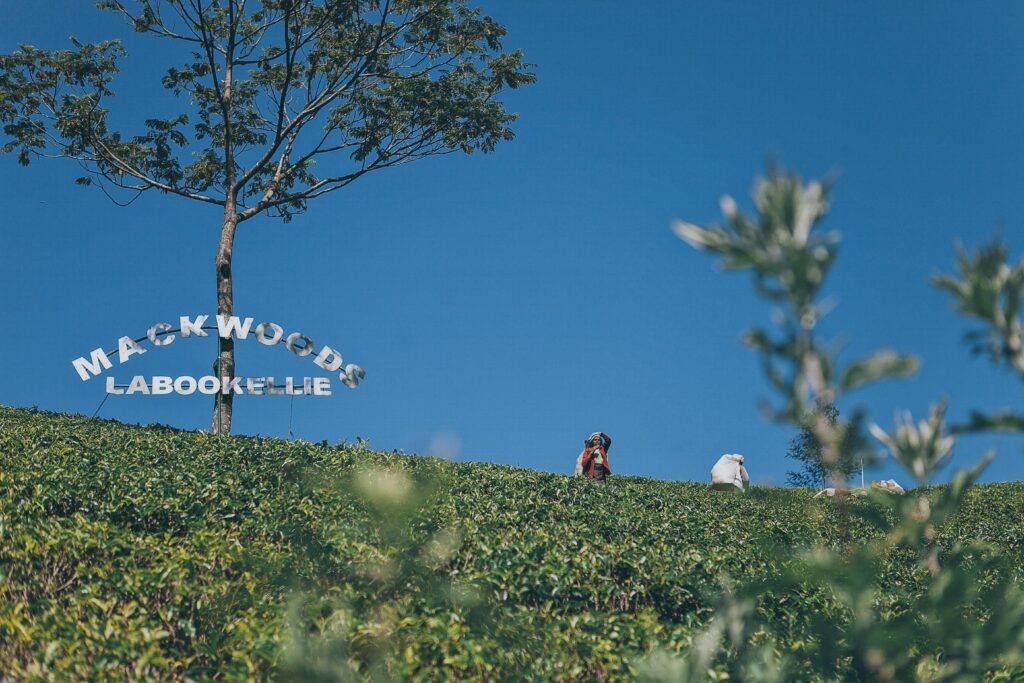
Sri Lanka: Ceylon Tea Origins and Matcha
Sri Lanka is home to Ceylon tea and regulated growing districts. Learn why altitude and regional tea identity do not prove matcha processing.Definition of Sri Lanka
Sri Lanka is the tea-producing island associated with Ceylon tea and regulated regional tea origins. Its mountain and foothill districts describe where tea is grown and manufactured; they do not establish a high-altitude matcha protocol or prove that a powder was made from shaded tencha.
1 term related to Sri Lanka
Learn more
Regional Ceylon tea identity
The Sri Lanka Tea Board locates tea-growing regions mainly among the central massif and southern foothills. It describes seven agro-climatic districts and explains that a district name depends on both cultivation and manufacture. This is a grounded account of Ceylon tea geography. It does not make the island a single high-elevation matcha region or establish a powder-making protocol for unnamed estates.
Using elevation at the correct scope
The Board gives examples of Uva tea grown between 1,000 and 1,600 metres and Nuwara Eliya tea at a higher range averaging about 2,000 metres. These figures refer to regional tea origins. They are not recommended matcha elevations and cannot support a claim that the best Sri Lankan matcha must grow above 1,200 metres. Leaf origin and altitude do not identify shade management or manufacture.
Monsoons and local variation
The Board explains northeast and southwest monsoons and the sheltering effect of the central mountains. It emphasizes variation within districts and even between hillsides on one estate. That complexity is worth preserving rather than assigning all Sri Lankan tea one climate or flavor. Descriptions of regional Ceylon tea should not be carried over as laboratory or tasting evidence for an unspecified powder.
What a Ceylon matcha claim needs
A named producer should explain how the leaves were cultivated and processed. Shade trees, where present, do not establish controlled pre-harvest cover, and grinding young highland green tea does not by itself document tencha. The cited sources do not verify a Sri Lankan estate’s full matcha protocol; they also do not prove that Sri Lanka cannot produce it. Claims of experimental Japanese cultivars, universally lower prices or mandatory Yabukita and Samidori plants are not established here.
What makes a powder matcha
The Japan Matcha Association describes matcha as powdered tencha. Tea leaves are cultivated under shade, steamed and dried without rolling before milling. This distinguishes the manufacturing route from simply grinding an ordinary leaf tea. It is a general processing reference, not evidence that every farm in the place named here uses that method. The local sources above must establish their own production claims; the process definition cannot fill gaps in a regional report.
Reading the origin on a package
Separate the place where leaves were grown from the locations of processing, milling, packing and sale. Ask for a named producer, the actual leaf origin, the tea category before milling and the harvest or lot information. Where an organic claim is made, request the current certificate and its operator and product scope. A location name, scenic field or retailer address is not a substitute for these records.
Comparing the actual tea
Use product-specific information when comparing taste, color and value. A broad climate description cannot establish a batch’s amino-acid content, sweetness or absence of astringency. Compare named teas prepared in similar ways and keep sensory observations attached to those products. This lets documented regional history remain useful without turning it into an unsupported promise about every powder sold under the place name.
Sources
- Tea Growing Regions — Sri Lanka Tea Board
- What is MATCHA — Japan Matcha Association
Sources and references

Accessed: 2026-09-08
Language: en
Central massif and foothills; seven agro-climatic districts; monsoons; regional origin/manufacture rules; Uva 1000–1600 m and Nuwara Eliya average about 2000 m describe regional tea, not matcha.
Accessed: 2026-09-08
Language: en
General processing only: shaded leaves steamed and dried without rolling, then milled; matcha is powdered tencha. Not used for local production, health or historical origin claims.

Emilie Schol
Founder of Best MatchaFrequently asked questions
Here are some frequently asked questions and answers.Is high-grown Ceylon tea automatically matcha?
Is high-grown Ceylon tea automatically matcha?
No. The Tea Board's altitude descriptions concern regional tea origins, not tencha manufacturing.
Are shade trees equivalent to matcha covering?
Are shade trees equivalent to matcha covering?
Their presence does not document controlled pre-harvest shading for the actual crop.
Is a Sri Lankan matcha estate verified here?
Is a Sri Lankan matcha estate verified here?
No. The sources establish Ceylon regional tea identity and general matcha processing, not a named estate's protocol.
Must matcha use Yabukita or Samidori?
Must matcha use Yabukita or Samidori?
The cited process definition does not require either cultivar. Plant names do not replace evidence of manufacture.