What Is pH Level in Matcha?
pH Level describes the acidity or alkalinity of prepared matcha under stated measurement conditions. It is not a fixed property that can be assigned to every bowl or read directly from dry powder. The familiar aqueous pH scale runs from acidic through neutral to alkaline; near room temperature, pH 7 is the usual neutral reference. Lower values indicate greater hydrogen-ion activity.
The scale is logarithmic, so a whole-unit change is substantial. However, a number without a recipe, temperature and test method is a weak basis for comparing teas. A powder mixed with one water source need not give the same result when prepared with another.
Is Matcha Acidic or Alkaline?
Measured matcha preparations can be mildly acidic. A 2023 study in Molecules tested ten market products and reported an average pH of 5.71 ± 0.13 for its 2.5% aqueous preparations. The researchers used a laboratory pH probe at 20 °C. Those conditions belong with the result: this is evidence about the tested preparations, not a universal pH range for matcha.
Do not turn that observation into an expected value for every brand, a hot bowl, a latte or a drink containing lemon. Nor does it support separate pH bands for ceremonial and culinary labels. An individual product needs an individual measurement under a documented method.
Factors That Influence Matcha’s pH Level
Record the water source and the amount of powder and water. Water chemistry can affect the finished preparation; starting-water pH alone does not describe everything about that water. Record additions separately rather than treating a mixed drink as plain matcha.
Preparation temperature and measurement temperature are different details. A bowl made with hot water may be tested after cooling. USGS measurement guidance explains that temperature, calibration and changes in the sample can affect pH readings. Automatic temperature compensation on a meter is not a reason to omit the sample temperature from your notes.
How pH Affects Matcha Taste and Experience
Measured acidity and a sour taste are related concepts, but they are not interchangeable descriptions. Bitterness, mouth-drying astringency and the weight of the tea in the mouth are also different sensations. A pH reading by itself cannot tell you whether a bowl tastes balanced, feels creamy or has a pleasant finish.
For a useful comparison, taste preparations made with the same recipe and note the sensations separately. There is no supported reason here to rank a matcha as premium because its pH is higher, or to add alkaline water simply to chase a target number.
pH and Health Considerations
The pH of a drink does not show that it alkalizes your body. Cancer Research UK explains that the body regulates blood pH internally, and that a dietary effect on urine pH is not a change in the pH of the whole body. Matcha acidity is not evidence for an alkalizing treatment or a medical benefit.
A mildly acidic measurement is also not a promise that a drink will be comfortable for everyone with reflux or a sensitive stomach. This entry describes beverage measurement, not a way to predict or treat symptoms.
Measuring and Testing Matcha pH
- Record the product, water source, powder amount and water amount.
- Record how it was mixed, the preparation temperature and the time before testing.
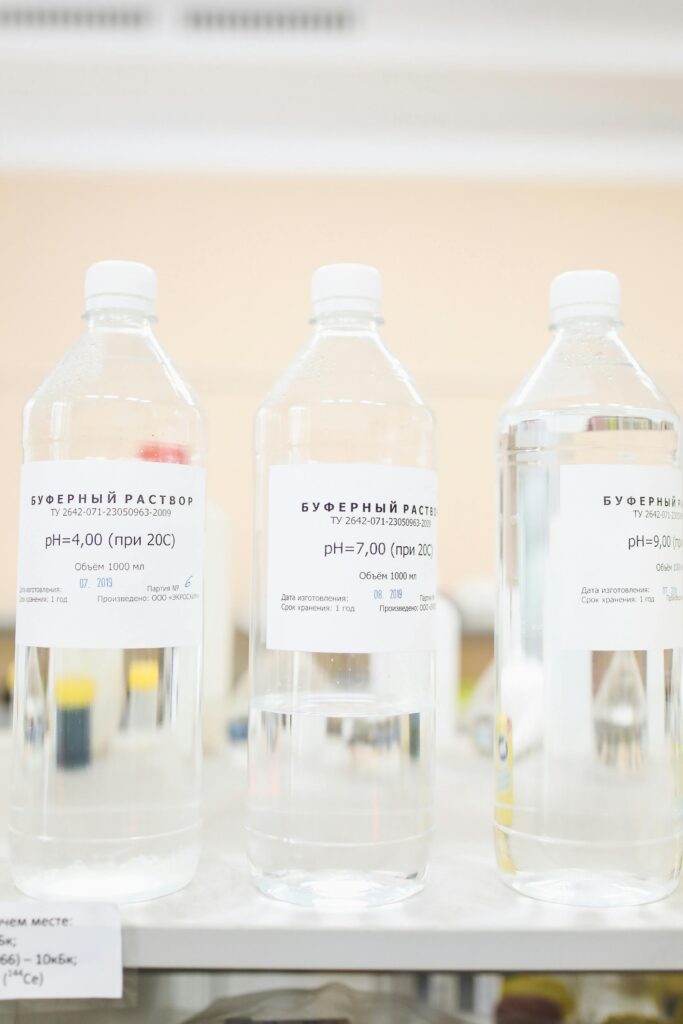
- Use a suitable pH meter and follow its manufacturer’s calibration and cleaning instructions. Standard buffers are needed for meaningful calibration.
- Record the actual sample temperature, wait for a stable reading according to the instrument instructions and repeat under the same conditions.
- Compare only like-for-like preparations; note additives and any differences in handling.
This is a practical comparison checklist adapted from general measurement principles, not a validated laboratory protocol for every matcha suspension. Do not use pH alone as a freshness test, a contamination test or a nutritional quality score.
Sources
The Content of Bioactive Compounds and Technological Properties of Matcha Green Tea and Its Application in the Design of Functional Beverages; Measurement of pH; Alternative cancer diets.