What is chlorophyll in Matcha?
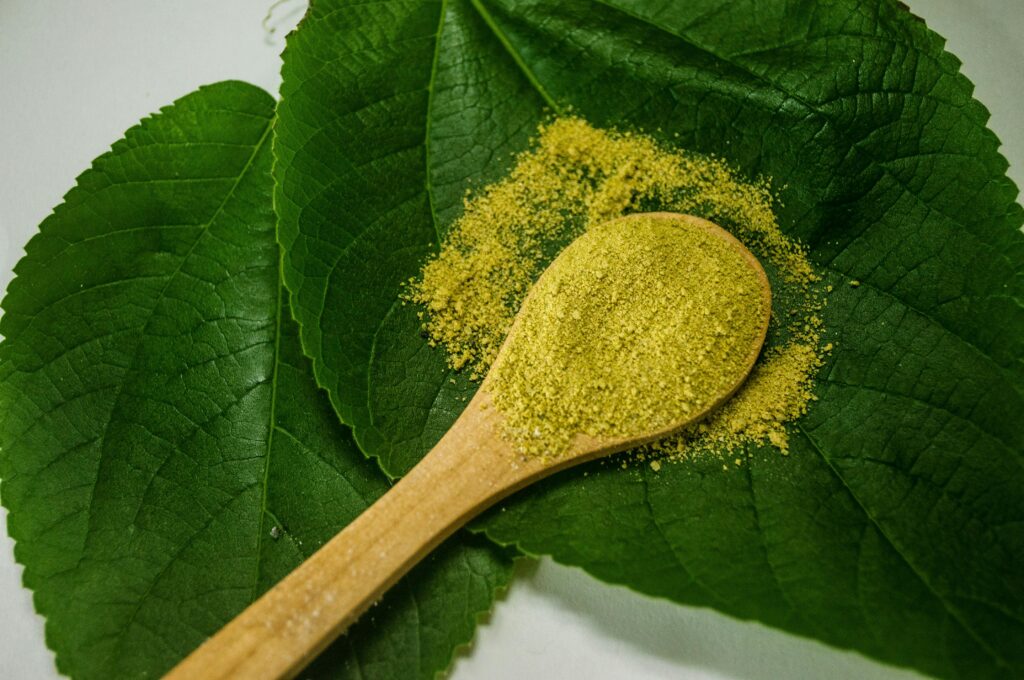
Chlorophyll is the green pigment responsible for photosynthesis in plants and the defining characteristic of matcha’s vibrant color. Matcha contains primarily chlorophyll a and chlorophyll b, which together account for 62-81% of total chlorophyll content. This concentration is significantly higher than other green teas, with matcha containing approximately 10 mg of chlorophyll per gram—nearly 5.8 times more than regular green tea.
The bright green color of premium matcha directly reflects its chlorophyll concentration. Higher chlorophyll levels indicate superior quality, while brownish tones suggest degradation into pheophytins and pheophorbides, marking lower-grade products.
Chlorophyll Types and Their Ratios
The chlorophyll a/b ratio in matcha typically measures around 2.5, distinguishing shaded teas from non-shaded varieties. This specific ratio serves as a quality marker and authentication tool for vendors and quality assessors. Studies have identified up to 17 chlorophyll-related compounds in green teas, though chlorophyll a and b dominate quantitatively.
How Shading Increases Chlorophyll Content
Traditional shading practices fundamentally alter chlorophyll production in tea plants. Covering tea plants for 20+ days before harvest triggers increased chlorophyll synthesis by upregulating biosynthetic enzymes like protochlorophyllide oxidoreductase. This extended shade period forces plants to produce more chlorophyll to maximize light capture under reduced light conditions.
The shading process creates measurable differences in both total chlorophyll content and the chlorophyll a/b ratio. Shaded matcha contains significantly more chlorophyll than unshaded green teas, explaining why ceremonial grade matcha displays such intense green coloration. This increased chlorophyll concentration contributes not only to color but also to the complex flavor profile and enhanced bioactive compound levels.
Processing Methods and Chlorophyll Preservation
Steaming immediately after harvest inactivates enzymes that would otherwise degrade chlorophyll. While this process causes some conversion to pheophytins and pyropheophytins, matcha’s unique grinding process minimizes these losses. Unlike leaf teas where chlorophyll can degrade more extensively, grinding whole leaves into fine powder helps preserve chlorophyll integrity.
The stone-grinding technique used for premium matcha produces less heat than mechanical grinding, further protecting chlorophyll from thermal degradation. This careful processing maintains the bright green color and prevents the formation of brownish degradation products that compromise quality.
Chlorophyll as a Quality Indicator
Matcha grading relies heavily on chlorophyll content and its degradation state. Premium ceremonial grades exhibit vibrant green color from high intact chlorophyll levels, while culinary grades often show more yellow or brown tones indicating partial degradation. The chlorophyll profile provides objective measurements for authentication and quality assessment.
Visual inspection remains the primary method consumers use to evaluate matcha quality. Bright, vivid green indicates fresh, high-chlorophyll matcha, while dull, yellowish, or brownish powder suggests age, poor storage, or lower-grade leaves. This color difference reflects actual chemical changes in chlorophyll molecules.
Degradation Products and Their Significance
Chlorophyll degrades into several compounds that affect matcha quality:
- Pheophytins: Brownish compounds formed when magnesium is removed from chlorophyll under acidic conditions
- Pheophorbides: Further degradation products indicating oxidation and age
- Pyropheophytins: Heat-induced degradation products from excessive processing temperatures
The ratio of intact chlorophyll to these degradation products provides quantitative quality metrics. Lower degradation product levels indicate better processing, storage, and overall quality.
Storage and Preparation Effects on Chlorophyll
Chlorophyll stability depends critically on storage conditions. Heat, light, oxygen, and acidic conditions accelerate degradation into brownish catabolites. Proper storage in cool, dark, airtight containers minimizes these chemical changes and preserves matcha’s characteristic green color.
Once opened, matcha oxidizes rapidly as chlorophyll reacts with air. Refrigeration slows but doesn’t stop this process. Consuming matcha within 1-2 months of opening ensures maximum chlorophyll retention and optimal color.
Temperature Impact During Preparation
Water temperature affects chlorophyll during matcha preparation. The traditional 70-80°C range mentioned in the provided context balances extraction efficiency with chlorophyll preservation. Temperatures above 80°C accelerate chlorophyll degradation, converting it to pheophytins and diminishing the bright green color.
Cold preparation methods preserve more chlorophyll by eliminating heat-induced degradation. This explains why cold-brewed matcha often displays more vibrant green color than hot preparations, though the extraction of other compounds differs significantly.
Health Benefits of Chlorophyll in Matcha
Beyond aesthetics, chlorophyll contributes substantial health benefits to matcha consumption. Research demonstrates chlorophyll’s potent antioxidant and anti-inflammatory properties, complementing matcha’s catechins, L-theanine, and caffeine for synergistic effects.
Chlorophyll may support several physiological functions:
- Detoxification support: Binds to certain toxins and heavy metals, potentially aiding elimination
- Blood oxygenation: Structural similarity to hemoglobin may enhance oxygen transport
- Digestive health: Supports gut health and may reduce inflammation
- Immune function: Antioxidant properties protect cells from oxidative damage
Cellular Protection and Cancer Prevention
Studies suggest chlorophyll and its derivatives may offer DNA-protective effects and cancer-preventive properties. Research indicates potential inhibition of tumor promotion and support for cellular health, though more human studies are needed to confirm these effects. The high chlorophyll concentration in matcha makes it an exceptional dietary source of these potentially protective compounds.
Choosing and Evaluating Matcha Based on Chlorophyll
When selecting matcha, chlorophyll content serves as a reliable quality proxy. Look for powder with vibrant, bright green color free from yellow or brown tones. Premium ceremonial grades should display almost fluorescent green coloration, while culinary grades naturally show more muted tones.
Packaging matters significantly for chlorophyll preservation. Choose matcha in opaque, airtight containers rather than clear packaging that exposes powder to light. Smaller package sizes ensure you consume matcha while chlorophyll remains intact.
Vendor Quality Indicators
Reputable matcha vendors provide information about harvest date, shading duration, and storage recommendations—all factors affecting chlorophyll content. First-flush spring harvests typically contain the highest chlorophyll levels, as young leaves produce more pigment. Understanding these factors helps consumers and vendors make informed decisions on a marketplace platform.
Conclusion
Chlorophyll defines matcha’s identity, from its signature green color to its health benefits and quality grading. The high concentration of chlorophyll a and b, achieved through careful shading and processing, distinguishes premium matcha from other green teas. Understanding chlorophyll’s role helps consumers evaluate quality, vendors communicate value, and the entire matcha community appreciate this remarkable tea.
Proper storage and preparation preserve chlorophyll content, maintaining both aesthetic appeal and nutritional value. Whether you’re selecting matcha for personal enjoyment or comparing products on a marketplace, chlorophyll content remains the most visible and meaningful quality indicator.