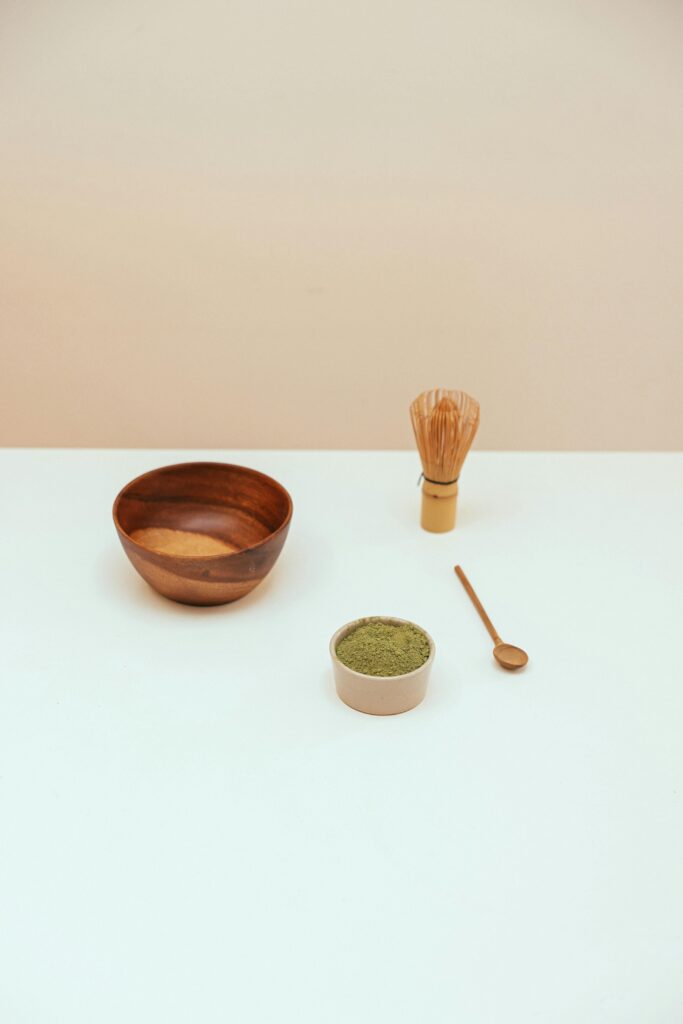
Defining Tencha: The Foundation of Matcha
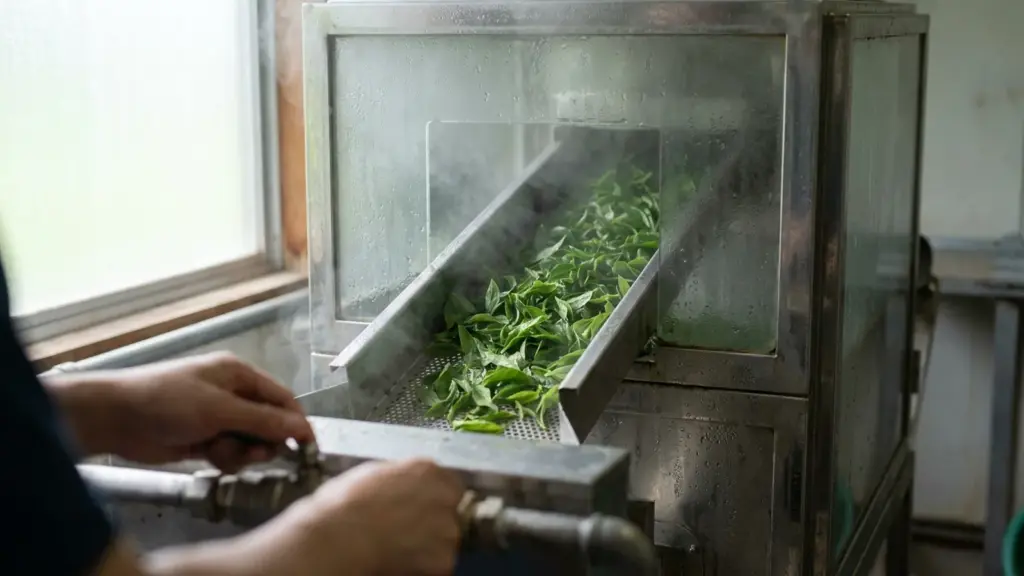
Tencha is the processed leaf material milled into matcha. The important distinction is that its leaves are steamed and dried without the rolling used for teas such as gyokuro or sencha. This page groups the factory vocabulary in process order rather than ranking products by marketing grade.
From aracha to finished tencha
Aracha refers to crude or unfinished tea; the word is not limited to matcha production. In this context it means tencha before finishing. Shiage and shitate concern finishing or preparation of the leaf for its subsequent use.
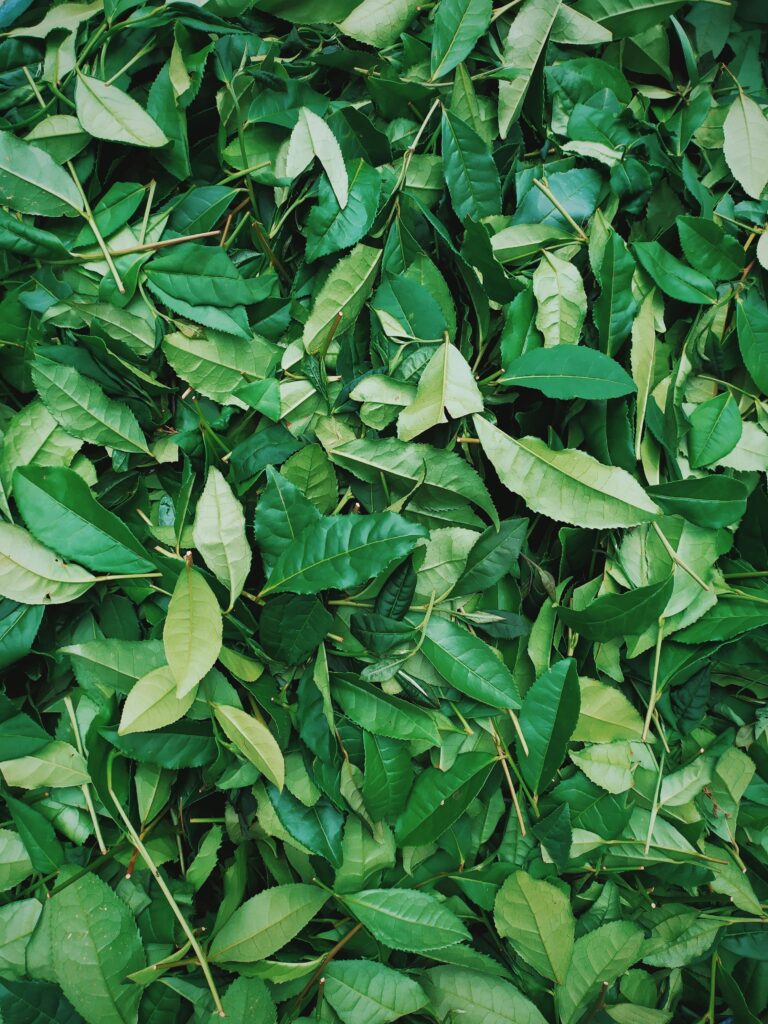
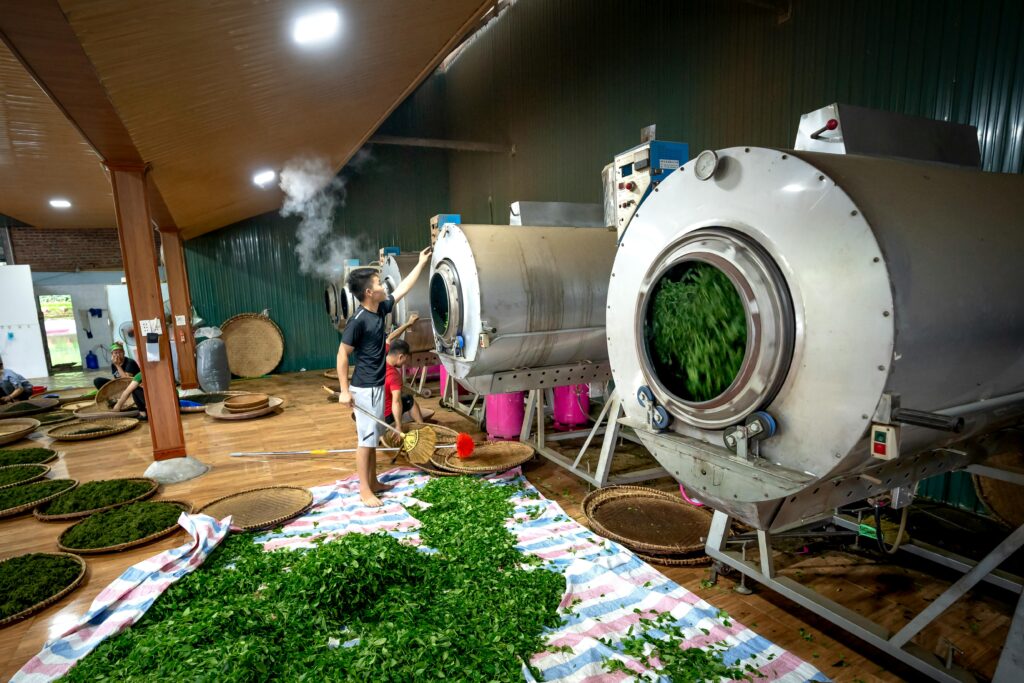
Yamamasa Koyamaen describes grouping leaves by size, removing stems and veins, additional drying and removal of older leaves. Its account also describes sensory evaluation in a haiken-ba and blending, or gogumi, to balance the tea. These are operations and producer judgments, not evidence of a universal pass/fail standard that prevents all inferior material from reaching buyers.
Steaming and drying without rolling
Steaming acts on leaf enzymes involved in oxidation. The subsequent drying reduces water in the leaf. A tencha-ro is a furnace associated with tencha drying; the term names equipment, not a grade. Exact steam times, furnace temperatures and final moisture values must be tied to a producer or technical specification.
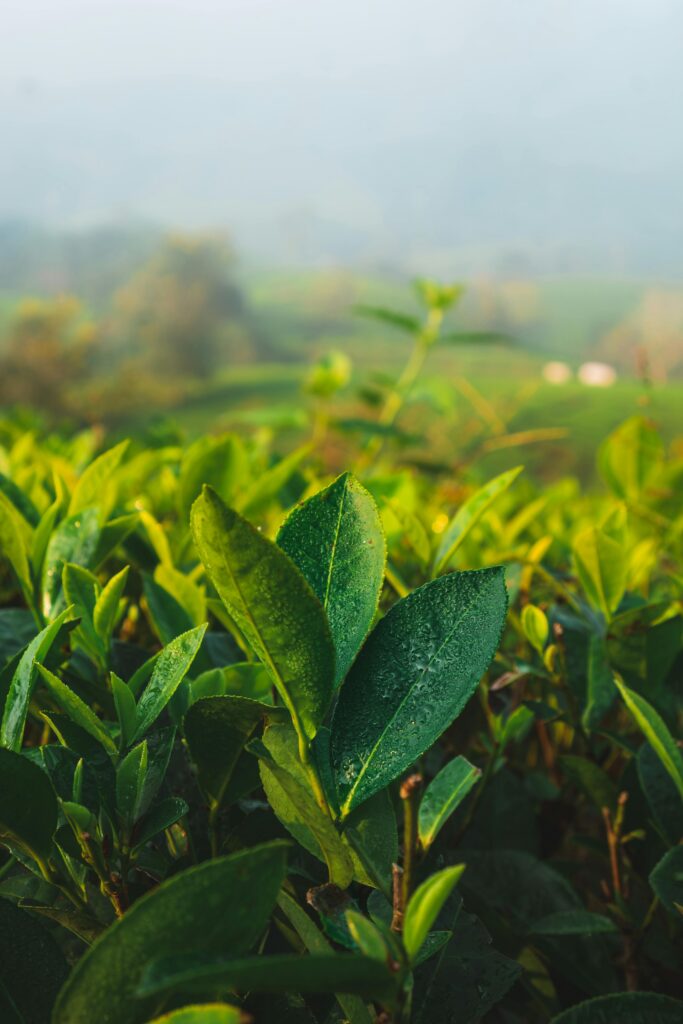
Do not copy a sencha manufacturing schedule into a tencha description. Both may involve steam and drying, but rolling is a decisive difference. Likewise, harvest terms such as ichibancha and hand-picking describe the raw-material stage rather than a particular drying machine or finishing operation.
Sorting, blending and storage
Sorting and stem/vein removal refine the material before milling. Blending can combine complementary lots to produce a chosen taste and aroma. A blend is not automatically a cheaper substitute for single-cultivar tea; it describes how material has been combined.
Yamamasa Koyamaen describes keeping finished tencha in a cool, dry environment until milling. Distinguish the harvest date from the milling date and the packaging date. These identify different events, and none alone tells the whole storage history.
Stone grinding and particle terminology
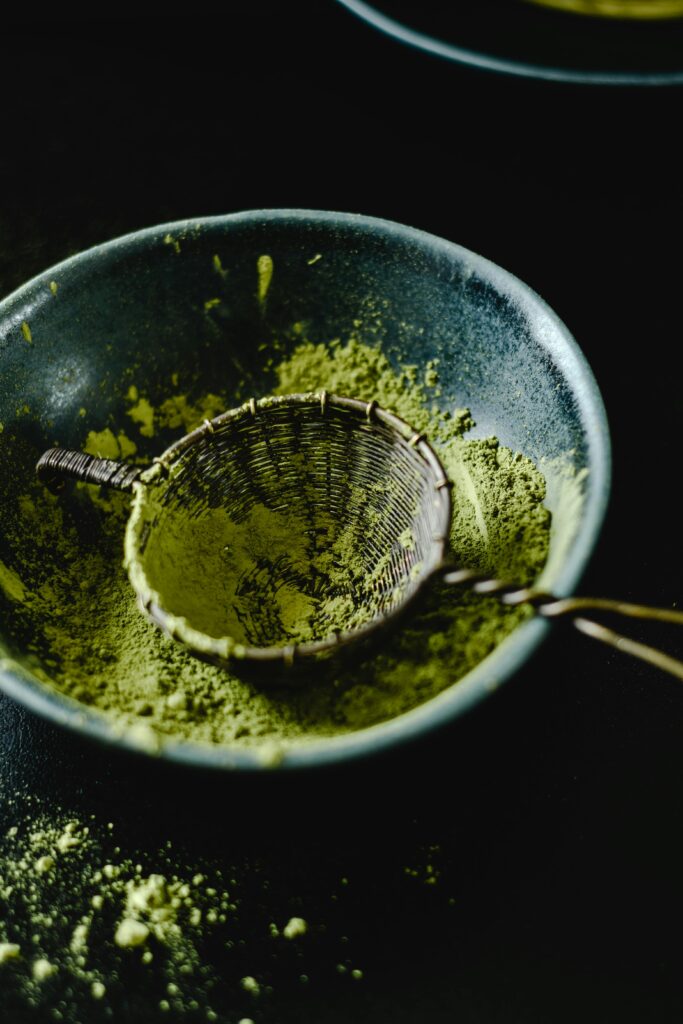
An ishiusu is a stone mill. Grinding transforms leaf flakes into powder; sifting during household preparation breaks up powder clumps and is not the same operation. Milling equipment, adjustments and operating conditions affect the resulting powder, but “stone-ground” is not a complete sensory or safety specification.
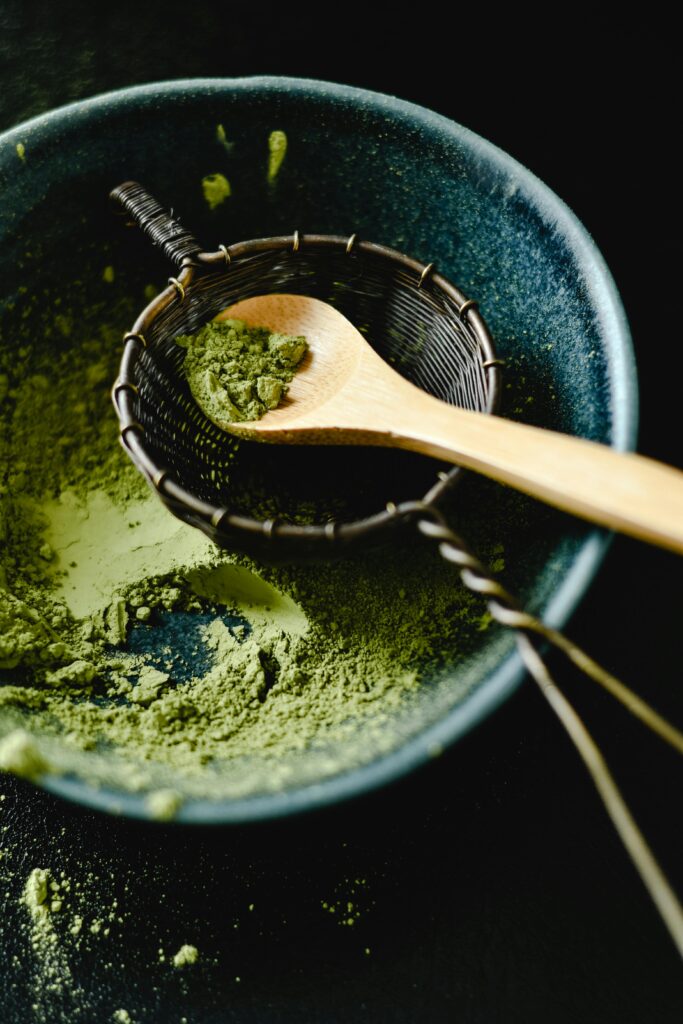
Particle size describes individual particles or their measured distribution. Mesh describes a screen and depends on its specification. Neither should be converted into a universal ceremonial-versus-culinary ranking. A sieve used to break clumps does not demonstrate that every primary particle has a particular diameter. Matcha disperses as a suspension rather than dissolving completely.
How to read a production claim
Ask what material was processed, which step the term refers to, and whether the explanation applies to the actual lot. “Evaluated,” “refined” and “blended” are useful descriptions only when their scope is clear. They do not guarantee sweetness, first harvest, organic certification or absence of defects.
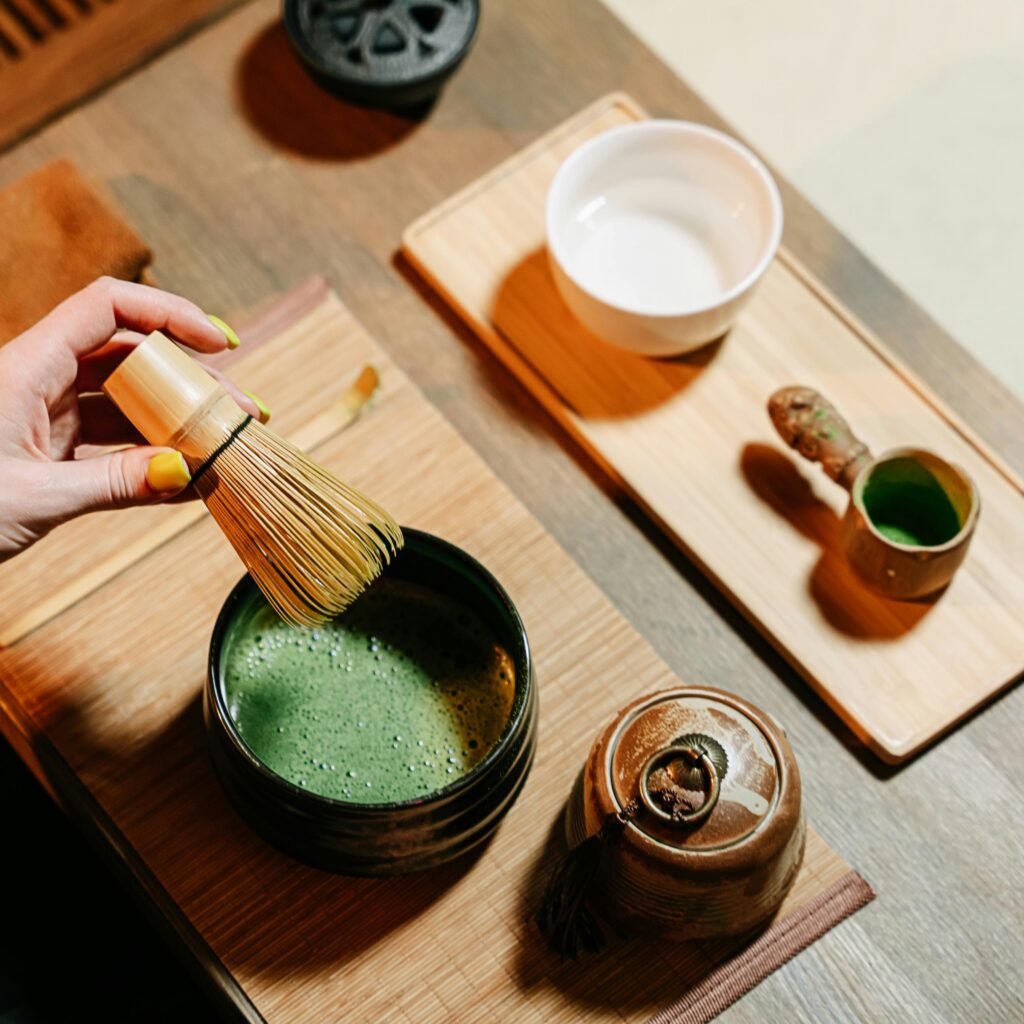
Use Aracha, Tencha, Tencha-ro and Stone Grinding for the individual stages. Matcha Industry & Trade Terms covers purchasing vocabulary; Matcha Preparation Tools covers equipment used after the powder reaches your kitchen.
Related glossary entries
Continue with the individual entries in this topic group: