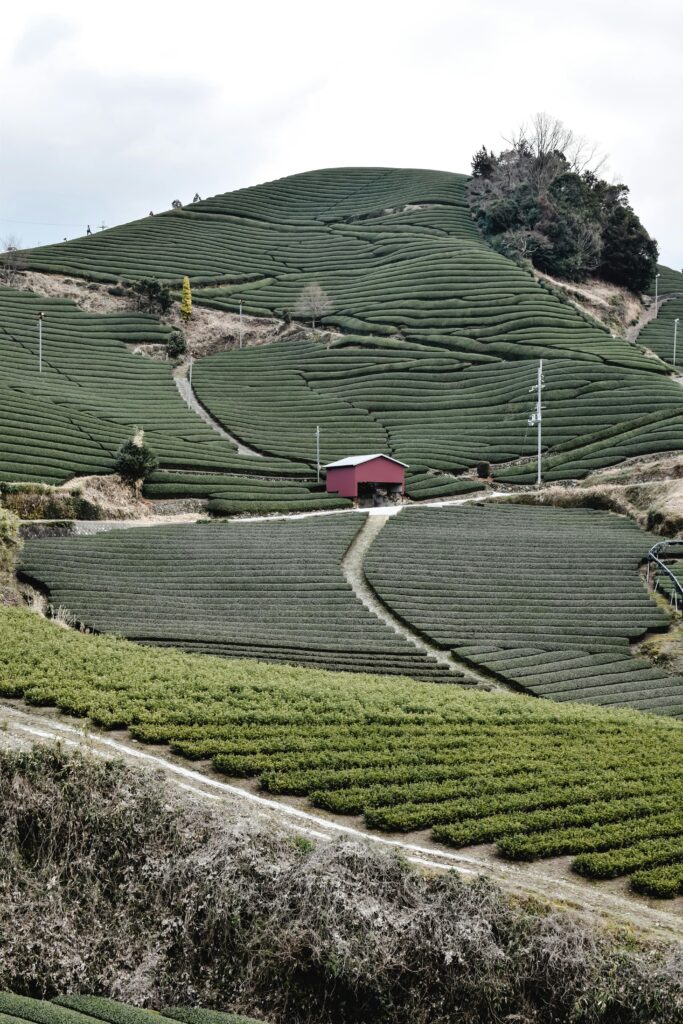
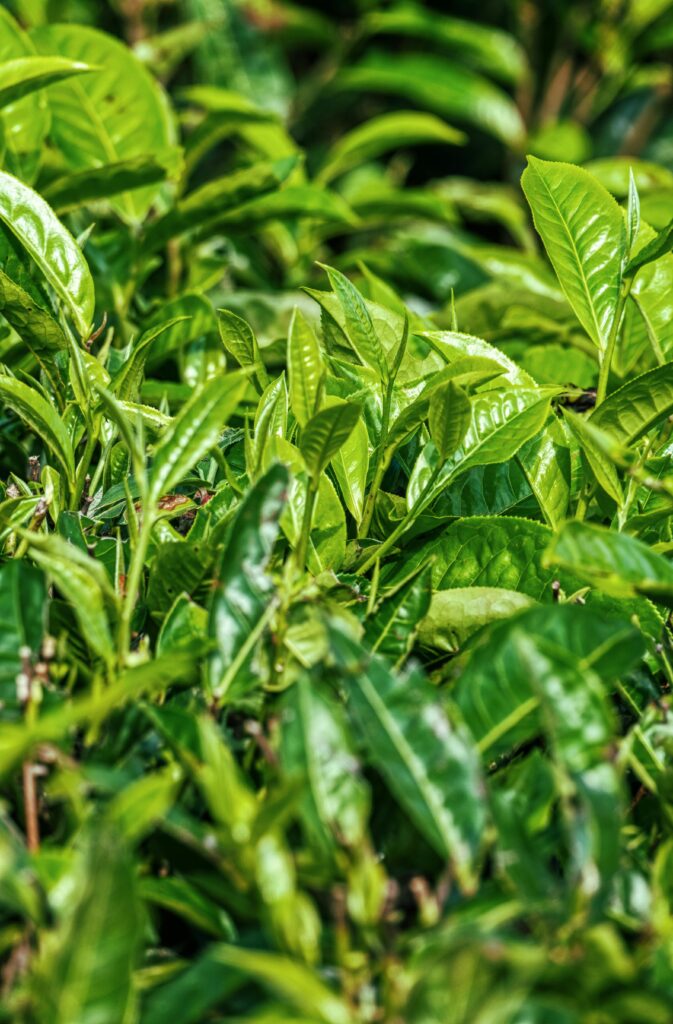
Matcha cultivation is defined by decisions made while the tea plant is alive: where and how it grows, which cultivar is planted, how the field is shaded, and when and how the new leaves are harvested. These choices prepare suitable leaf material for later processing, but they should not be confused with steaming, drying, milling, or packaging.
Shading is the defining field practice
Tea bushes intended for tencha are covered before harvest to reduce direct sunlight. The duration and degree of shade vary with the producer, field, season, and intended tea. Traditional farms may use bamboo mats or straw screens, while modern operations can use shade cloth. In either form, the purpose is controlled light reduction during the final growth period.
Reduced light changes the developing leaf. Shading influences chlorophyll, amino acids such as theanine, and catechins, helping shape color and the balance of umami and astringency. Those changes support the vivid green color, sweetness, and umami sought in matcha. The result depends on the cultivar and cultivation conditions; a shading duration is not a certificate of a commercial grade.
Harvest timing and selection
The first spring flush, or ichibancha, is valued for young leaf material and is often selected for drinking matcha. Later harvests can also supply tea for powder, with suitability assessed from the lot rather than its harvest name alone. The harvest name therefore gives useful context, but it is not the only quality criterion; cultivar, field management, shading, selection, and subsequent processing remain important.
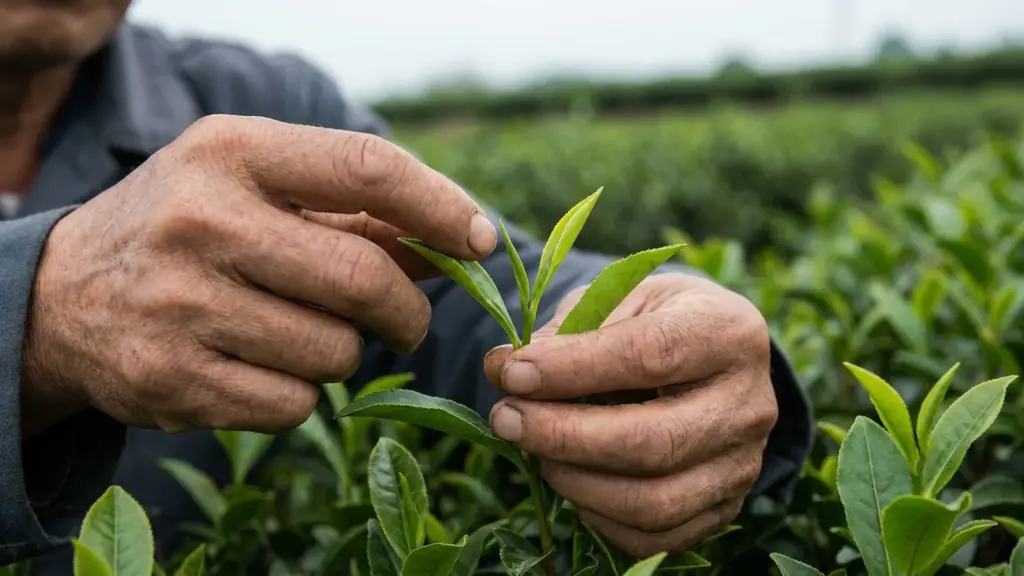
Harvest method reflects the intended product and scale. Hand picking allows workers to select the youngest two or three leaves and buds. Mechanical harvesting is faster and more economical for larger volumes but is less selective. It would be too simple to call every hand-picked tea excellent or every machine-harvested tea poor. The method describes selection precision, not the entire production chain.
A practical farm-planning scenario
Consider a grower planning two lots from the same estate. One lot might use hand selection and another powered harvesting, depending on available labour, field layout and the production plan. Both still need suitable leaf material and appropriate shading. Assess each finished lot rather than assigning hand picking to drinking grades and mechanical harvest to culinary grades.
Cultivar choice belongs in the plan as well. Yabukita is one established variety; cultivars differ in growth and tea-making characteristics. A farmer selects varieties according to regional conditions and product goals. Cultivar is therefore a plant identity; “ceremonial” or “culinary” is a grade or use description, and neither term substitutes for the other.
Regional conditions and organic methods
Tea growing depends on suitable soil, water availability, and local climate. Altitude and microclimate can influence leaf development, while frost and extreme weather can damage growth or shift harvest timing. Uji, Nishio, and Shizuoka are named as established Japanese growing areas with established tea-growing experience.
Organic cultivation changes the permitted field inputs and management tools. Organic standards restrict inputs and prioritize soil management and cultural, physical, or biological pest control. Japan’s organic plant standard also lists permitted substances and conditions for their use, so organic does not mean pesticide-free. That distinction concerns how the field is managed. It does not mean that any product from a famous region is organic, nor should an organic claim be inferred without product-level certification.
Cultivation versus processing
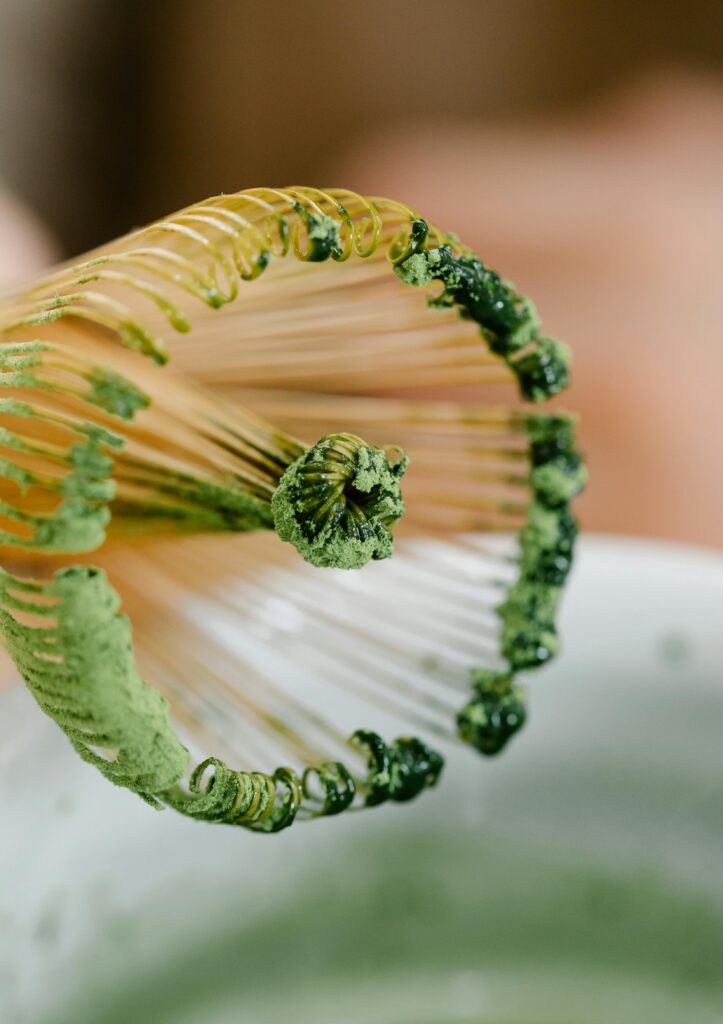
A frequent confusion is treating every step from bush to tin as cultivation. Shading, soil management, cultivar selection, and harvesting belong to cultivation. Once the leaves are picked, the later work that turns harvested material into matcha powder belongs to processing rather than cultivation.
The distinction helps when reading producer claims. “Shade-grown” says something specific about preharvest light management; “first flush” identifies harvest timing; “hand-picked” describes leaf selection; and a cultivar name identifies plant genetics. None alone proves the others. Among the glossary’s related concepts, Shading and Matcha Harvest Terms concern cultivation and harvesting, whereas the Uji Method refers to historic sencha manufacture after harvest, not a field-growing practice. A credible account explains how these parts fit together and then separately describes what happened after harvest.