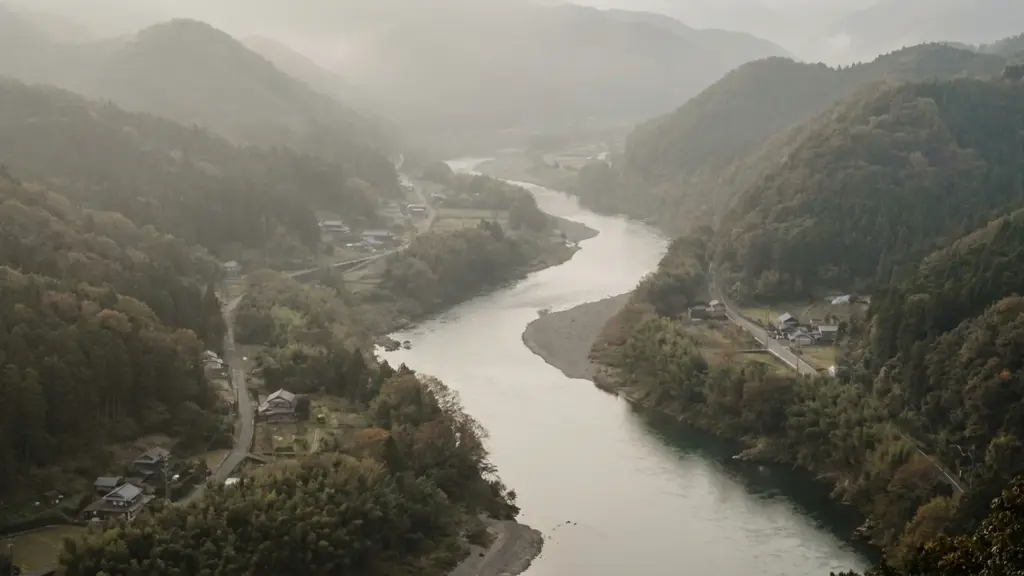
Where Kasagi is
Kasagi is a small town in southeastern Kyoto Prefecture, within the Yamashiro region. Kyoto’s official locality overview presents the town through its river and mountain setting, history, rail access, and outdoor recreation. That administrative and geographic context is well supported.
Kasagi also sits within the wider area used to discuss Uji tea. Geography, however, is not the same as production evidence. A town can belong to a tea region without every regional product being documented inside that municipality.
The wider Yamashiro tea system
Kyoto Prefecture describes Yamashiro as a region producing distinct tea types, including sencha, kabusecha, gyokuro, and tencha. The prefectural guide explains that tencha is made from covered new growth that is steamed without rolling and becomes matcha after milling.
For tencha specifically, the guide names Uji, Joyo, Yawata, Ide, and Wazuka as principal production municipalities. Kasagi is not included in that list. The omission does not prove that no resident or business has ever handled tea; it means this reviewed regional source cannot support a claim that Kasagi is a principal tencha area.
What the locality sources emphasize
The Kyoto Prefecture overview of Kasagi centers the town’s small scale, landscape, historical sites, transportation, and recreation. Kasagi Town’s official food page highlights seasonal mountain vegetables, river fish, mushrooms, and game dishes. Neither page supplies evidence for local matcha cultivars, shade cultivation, hand picking, awards, milling, or a town-specific flavor.
Absence from these overview pages must be described as a research limitation, not as definitive proof that tea activity is impossible. A future town, cooperative, agricultural, or processor source could add a precise local fact. Until then, unsupported details should not be filled in from nearby municipalities.
Regional context is not local attribution
Uji Matcha is a regional subject with its own production and naming history. Kyoto provides prefectural context, and Japan explains the national tencha-to-matcha route. Those pages can orient Kasagi geographically without turning regional facts into a “Kasagi matcha” style.
This boundary is especially important for claims about Gokō or Samidori cultivars, altitude, mist, shading schedules, traditional hand picking, awards, or sensory qualities. None is established for Kasagi by the reviewed official sources. Repeating them would create a locality narrative from facts that belong elsewhere or lack a cited owner.
How to read a product mentioning Kasagi
If a seller identifies Kasagi on a tea product, readers should look for the farm, producer, leaf origin, product type, and processing location. Those details could establish a legitimate town-level connection. A broad “Uji tea” reference alone does not show that the leaves were grown or the matcha was processed in Kasagi.
The product category also matters. A leaf tea, a powdered green tea, tencha, and matcha are not interchangeable merely because they come from the same wider region. Producer documentation should identify which material is involved and how the place name applies.
Why an evidence-limited page is useful
A responsible glossary can explain both what is known and what has not been established. For Kasagi, the supported story is geographic: a southeastern Kyoto town within Yamashiro and the broader Uji-tea landscape. The reviewed official evidence does not support calling it a documented matcha-producing center.
That conclusion prevents neighboring evidence from being misattributed. It also gives future research a clear target: a direct Kasagi municipal, agricultural, cooperative, or processor source that names tea gardens, tencha, matcha, or a verified local product. Until such a source is available, precision is more useful than a fabricated terroir profile.
Kasagi among nearby glossary entries
Joyo has direct municipal tencha evidence, while Ujitawara’s central official history concerns sencha innovation. These nearby pages demonstrate why localities in the same broad region can have different documented tea identities. Kasagi should retain its own evidence boundary rather than borrow either story.