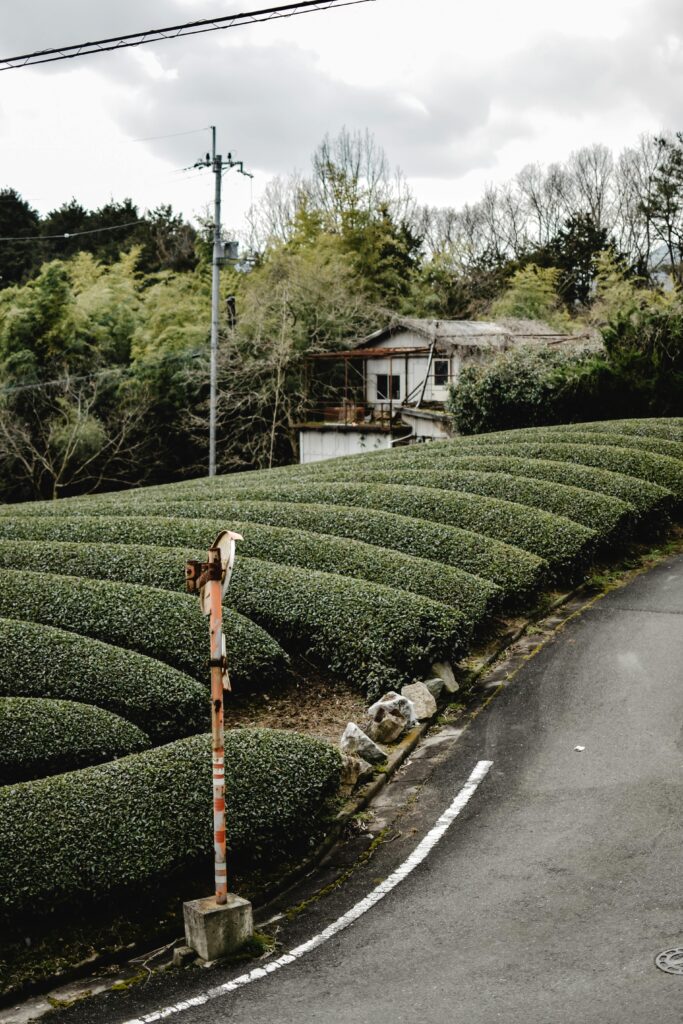
Kyotanabe: Gyokuro Heritage and Matcha Origin
Kyotanabe is a Kyoto city known for gyokuro. Explore its tea connections and why serving matcha does not establish local leaf origin.Definition of Kyotanabe
Kyotanabe is a city in Kyoto Prefecture with a documented gyokuro specialty and tea experiences linked to the wider Uji tradition. Its name on a matcha listing identifies a place, not a processing method or proof that the tea leaves were grown within the city.
Learn more
A city known for gyokuro
Kyotanabe’s documented specialty is gyokuro. The official Another Kyoto travel guide explicitly identifies that tea with the city, while also describing opportunities to prepare matcha. The city’s tea culture is relevant to visitors, but a reputation for one shaded tea does not prove production of another. A city, a tea-growing garden and a business address are different kinds of origin information.
What the salon establishes
The Kyotanabe Gyokuro Salon was established when the city tourist information center was renovated in 2022. Visitors can learn to brew gyokuro and prepare matcha in its space in Tanabe Chuo. The guide documents a real local tea experience, not the harvest location of every tea served there. For travel, it is a useful starting point; for a purchase, the growing origin still needs to come from the producer or product record.
Gyokuro, tencha and Uji labels
Gyokuro is a leaf tea for infusion, whereas matcha is powdered tencha. Shading alone does not turn one into the other. The Kyoto Prefectural Tea Industry Chamber also defines Uji tea more broadly tha Uji City-grown leaf: it includes Kyoto, Nara, Shiga and Mie leaf finished and processed in Kyoto by prefectural tea businesses, with priority for Kyoto leaf. A Kyotanabe seller address and a Uji label therefore do not identify the same geographical fact.
Claims that need a garden-level source
The sources used here do not establish a city-wide volcanic soil, a single growing elevation, a mandatory five-to-ten-second steaming method or a fixed pair of cultivars. They also do not establish bright yellow powder as a local matcha quality marker. Retaining such details would turn general tea culture into an unsupported manufacturing and flavor specification. Ask which role Kyotanabe plays in the actual product’s supply chain instead.
What makes a powder matcha
The Japan Matcha Association describes matcha as powdered tencha. Tea leaves are cultivated under shade, steamed and dried without rolling before milling. This distinguishes the manufacturing route from simply grinding an ordinary leaf tea. It is a general processing reference, not evidence that every farm in the place named here uses that method. The local sources above must establish their own production claims; the process definition cannot fill gaps in a regional report.
Reading the origin on a package
Separate the place where leaves were grown from the locations of processing, milling, packing and sale. Ask for a named producer, the actual leaf origin, the tea category before milling and the harvest or lot information. Where an organic claim is made, request the current certificate and its operator and product scope. A location name, scenic field or retailer address is not a substitute for these records.
Comparing the actual tea
Use product-specific information when comparing taste, color and value. A broad climate description cannot establish a batch’s amino-acid content, sweetness or absence of astringency. Compare named teas prepared in similar ways and keep sensory observations attached to those products. This lets documented regional history remain useful without turning it into an unsupported promise about every powder sold under the place name.
Sources
- Kyotanabe Gyokuro Salon — Kyoto Tourism Federation / Another Kyoto
- Society | Enjoy Uji tea — Kyoto Prefectural Tea Industry Chamber
- What is MATCHA — Japan Matcha Association
Sources and references


Accessed: 2026-09-08
Language: en
Kyotanabe City in Kyoto; gyokuro is a city specialty; salon offers gyokuro brewing and matcha preparation, not evidence of the growing origin of served tea.
Accessed: 2026-09-08
Language: en
Uji tea definition includes leaf from Kyoto, Nara, Shiga and Mie finished and processed in Kyoto by prefectural tea businesses, with priority for Kyoto leaf.
Accessed: 2026-09-08
Language: en
General processing only: shaded leaves steamed and dried without rolling, then milled; matcha is powdered tencha. Not used for local production, health or historical origin claims.

Emilie Schol
Founder of Best MatchaFrequently asked questions
Here are some frequently asked questions and answers.Is Kyotanabe known for gyokuro?
Is Kyotanabe known for gyokuro?
Yes. The official Kyoto tourism guide calls gyokuro a city specialty and also documents matcha preparation at its salon.
Does a Kyotanabe shop prove local leaf origin?
Does a Kyotanabe shop prove local leaf origin?
No. Ask separately where the leaves were grown and where they were processed and sold.
Does shading make gyokuro into matcha?
Does shading make gyokuro into matcha?
No. Matcha is milled tencha, whose processing includes drying without rolling. Shade alone is insufficient.