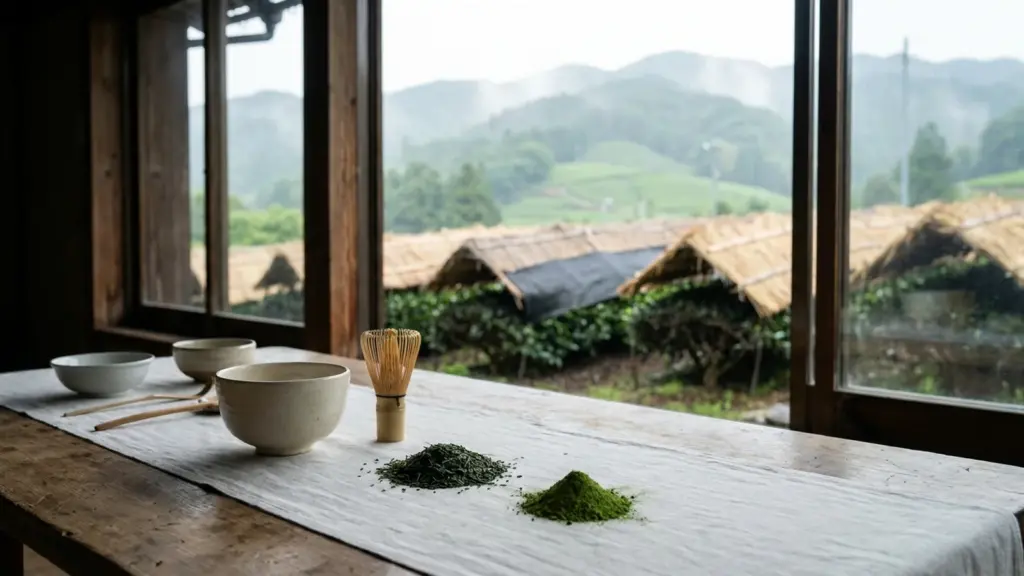
Uji Matcha: Kyoto’s Historic Tea-Growing Origin
Uji Matcha connects powdered tea with the Uji regional tradition. Learn how origin differs from cultivar, processing method and quality grade.Definition of Uji Matcha
Uji Matcha is matcha connected to the Uji tea-producing tradition of Kyoto Prefecture’s Yamashiro region. The term describes geographic origin, regional tea culture, and production heritage; it does not name a tea cultivar. Cultivar identity is a separate attribute that may be disclosed alongside a stated Uji origin.
Learn more
What Uji Matcha Means
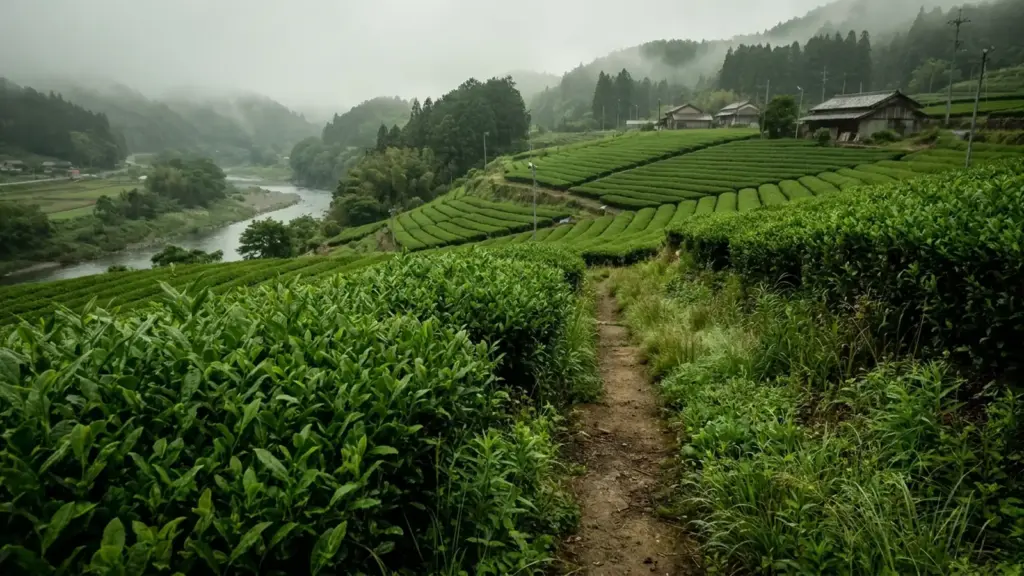
Uji Matcha identifies matcha through place and production tradition. Uji is a historic center of Japanese tea culture in southern Kyoto Prefecture, and the wider Yamashiro area is closely associated with the development of covered teas such as tencha and gyokuro. On a product label or producer profile, a Uji claim should therefore answer an origin question: where the tea was grown or made, which producer or processor handled it, and how the product relates to the Uji tea tradition.
The term does not identify a plant variety. A tea garden in the Uji production area may grow Asahi, Samidori, Ujihikari, Gokou, Ujimidori, Yabukita, or another cultivar. Those names describe genetically distinct cultivated varieties of Camellia sinensis; Uji describes the regional context. See Uji Tea Cultivars for the separate plant-variety topic.
Uji as a Tea-Growing Origin
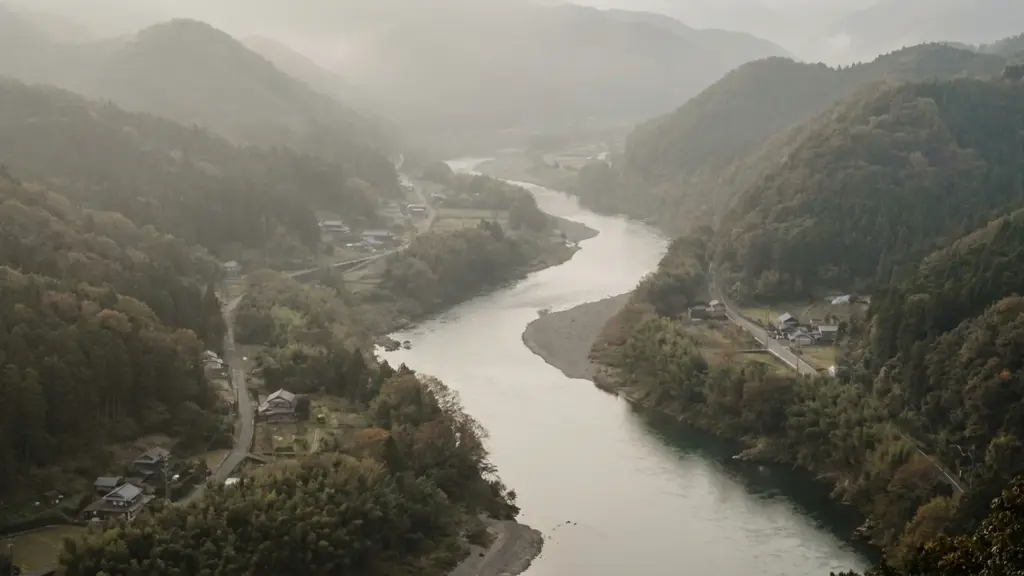
Tea cultivation around Uji developed over centuries within Kyoto’s cultural and commercial sphere. The area’s tea history is tied to temple culture, elite tea practice, specialist growers, merchants, and processing knowledge passed between generations. Official Kyoto and Uji sources present Uji tea as a regional heritage shaped by both agriculture and craft rather than as a single farm, cultivar, flavor profile, or modern grade label.
Geography matters because slope, elevation, exposure, soil, weather, and garden management affect tea growth. Yet an origin name alone cannot predict every cup. Farms within the same region can use different cultivars, shading schedules, harvest dates, fertilization programs, steaming conditions, sorting standards, and finishing methods. Uji Matcha is therefore best understood as a traceable origin claim, not a promise that every product will taste identical.
Production Traditions Associated with Uji Matcha
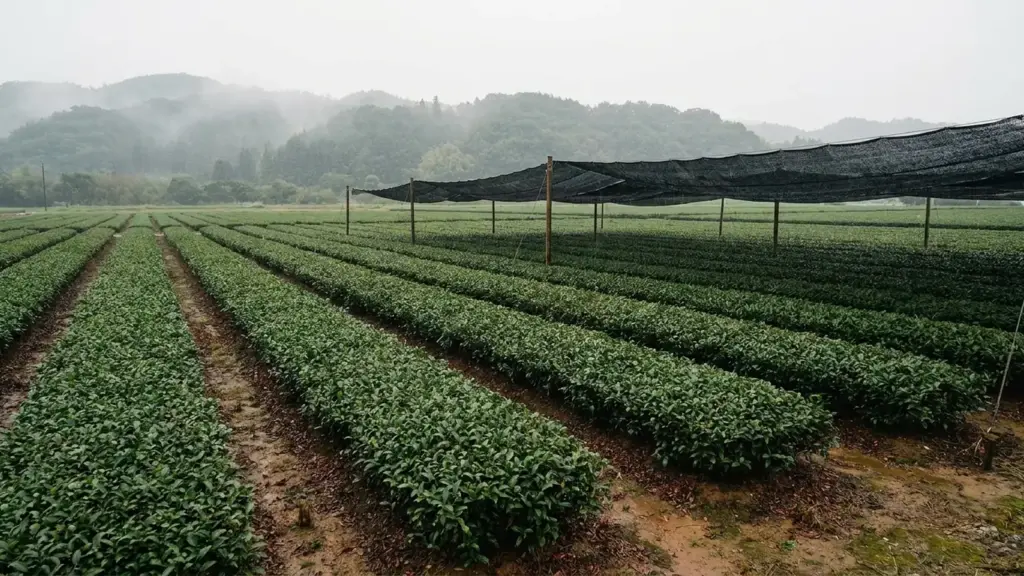
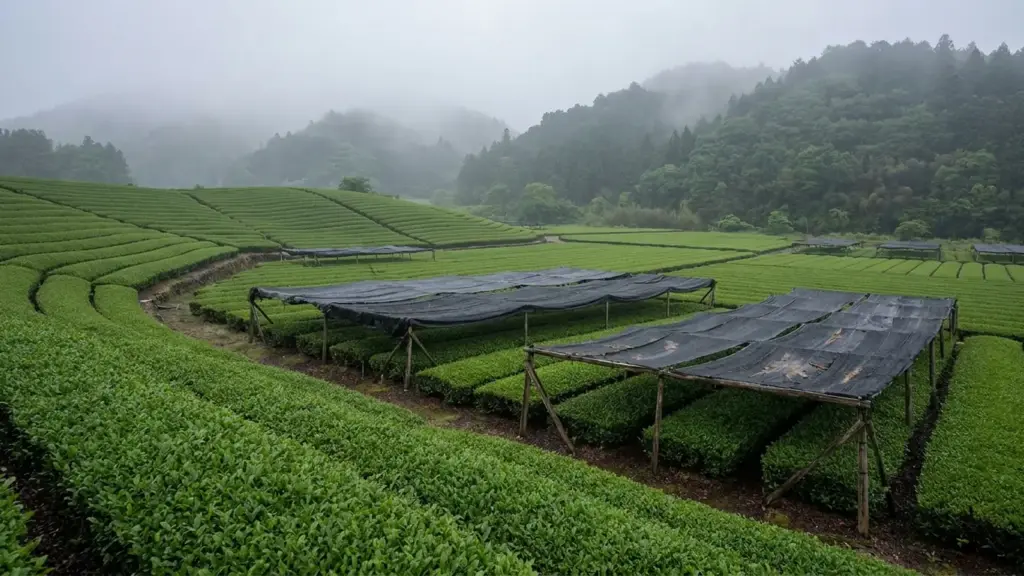
Uji’s reputation is strongly linked with covered-tea cultivation. Before harvest, tea plants intended for tencha may be shaded to alter leaf development and support the sensory qualities sought in matcha. After harvest, the leaves are steamed, dried as tencha, refined as required, and milled. The exact equipment and sequence vary by producer, so credible descriptions should distinguish documented practice from generalized marketing language.
The region is also associated with major innovations in Japanese green-tea manufacture, including the hand-rolling tradition commonly called the Uji Method. That history helps explain Uji’s influence on Japanese tea, but the Uji Method and matcha manufacture are not interchangeable terms. One is a landmark sencha-processing tradition; the other involves tencha production and milling.
What the Uji Name Does Not Guarantee
Uji is not a universal grade, a cultivar, or proof of ceremonial suitability. The origin name by itself does not guarantee first harvest, hand picking, stone milling, organic certification, sweetness, vivid color, or low astringency. Those are separate claims that should be supported independently. A transparent seller should identify the relevant production area, cultivar or blend when known, harvest information when available, tencha and milling details, and the intended preparation style.
This distinction prevents two common errors. First, it avoids treating every Kyoto-associated variety as though it were called “Uji.” Second, it avoids treating “Uji” as a complete quality specification. Regional heritage can be meaningful without replacing product-level evidence.
How to Evaluate a Uji Matcha Claim
Look for specific traceability rather than relying only on the word Uji. Useful details include the municipality or growing district, farmer or tea garden, processor, cultivar composition, harvest period, shading method, lot identity, and packaging date. If a product uses tea from multiple places, the seller should explain whether Uji refers to cultivation, processing, blending, company location, or brand history.
For research about the plants themselves, continue to Uji Tea Cultivars. For geographic and production-origin questions, this page focuses on interpreting the Uji claim.
Separate tea history from the history of a process
Kyoto Prefecture’s regional account connects the area with centuries of tea cultivation and describes Nagatani Sōen’s 1738 green-tea processing method. This does not establish that today’s tencha-and-milling process began unchanged more than eight centuries ago. General tea heritage, covered cultivation and specific manufacturing innovations are different historical questions.
The prefectural account also discusses tea grown across areas now in Kyoto, Shiga, Nara and Mie and processed in Yamashiro. That broader historical network is another reason not to equate every Uji label automatically with leaves grown inside Uji City. For an individual product, obtain its actual cultivation and processing information; regional history is context, not lot-level proof.
Sources and references

Accessed: 2026-09-08
Language: en
Regional tea history and Yamashiro production context; Nagatani Soen and 1738 green-tea processing method; historical growing and processing geography, not proof that a specific retail lot was grown in Uji City.
Accessed: 2026-09-08
Language: en
Producer account of hand and machine harvest, steaming, unrolled drying, sorting, evaluation, blending, storage and milling; not universal quality guarantees.
Accessed: 2026-09-08
Language: ja
Gokou: Kyoken 166, Uji native selection, Showa 29, Kyoto research institute, mid-late harvest, yield comparable to Yabukita, distinctive aroma and gyokuro use; seed versus cutting propagation. Japanese text checked because English translation corrupts cultivar names.

Emilie Schol
Founder of Best MatchaFrequently asked questions
Here are some frequently asked questions and answers.Is Uji Matcha a cultivar?
Is Uji Matcha a cultivar?
No. Uji is a regional production and origin context. Cultivar names identify the plant material and must be stated separately.
Was modern matcha cultivation invented in Uji over 800 years ago?
Was modern matcha cultivation invented in Uji over 800 years ago?
That wording conflates general tea history with the development of covered cultivation and tencha processing. The regional tradition evolved over time.
Does Uji mean every leaf grew in Uji City?
Does Uji mean every leaf grew in Uji City?
Do not assume so from the label alone. Ask for the cultivation area and processing information associated with the specific product.
Does Uji guarantee a particular grade?
Does Uji guarantee a particular grade?
No. Harvest, cultivar composition, milling, certification and suitability for a preparation are separate product claims.