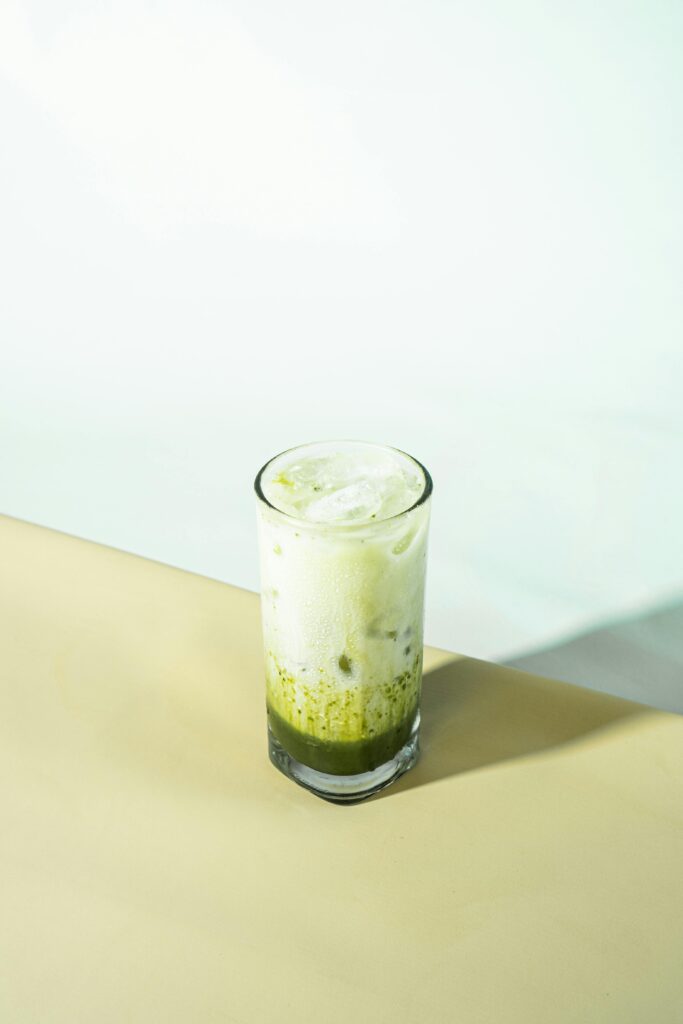
Cold Brew: Direct Cold-Water Matcha Preparation
Cold Brew matcha disperses powder directly in chilled water. Try a sourced cold-whisked method and distinguish it from hot tea poured over ice.Definition of Cold Brew
Cold Brew is a cold-water preparation method; for matcha, it means dispersing powdered tea directly in chilled water by whisking or shaking. Unlike loose-leaf cold infusion, the powder stays in the drink and needs no long steep. Cold preparation does not remove its caffeine or catechins.
Learn more
What Is Cold-Brew Matcha?
Cold-brew matcha is matcha powder mixed directly into cold or chilled water rather than prepared first with hot water. “Cold-whisked matcha” describes the operation more precisely: the powder is dispersed and consumed with the drink, not steeped as intact leaves and then removed.
Unlike many loose-leaf cold infusions, the drink does not require an overnight wait to become usable. Whisking or shaking can disperse the powder quickly. It does not completely dissolve, and particles may settle afterward. That sediment is not automatically a sign of defective tea.
A documented cold-whisked starting point
Ippodo’s Horai page gives a cold-whisked recipe: sift 2 g of matcha, add 60 mL of cold water at 5°C, and whisk vigorously for 15 seconds. These are the producer’s recipe quantities, not an official cold-brew standard. The result is a small, concentrated serving; add cold water to taste if you prefer a longer drink.
Use a suitable bowl and whisk, or a clean sealable container for a cold-water shaking variation. Sifting first can help with clumps. Shake only cold liquid, and make sure the lid is secure. Stop and inspect the mixture rather than assuming a fixed shaking time guarantees perfect dispersion.
Cold-whisked versus iced matcha
Ippodo separately describes iced matcha made by preparing powder with hot water and adding ice. The two drinks can end up cold but follow different preparation paths. Cold-whisked means no initial hot-water step; iced describes the cooled serving and may include one.
A matcha latte adds milk or another base and changes dilution and mouthfeel. It is not simply a stronger cold infusion. Keep the powder amount, water amount and added ingredients separate when adjusting a recipe so you know what changed.
Cold water does not remove catechins
Ippodo describes cold whisking as bringing out sweetness. Treat that as sensory guidance, not proof that cold matcha has no catechins or cannot taste bitter. The drink contains the tea powder, including its constituents; cold preparation is not a process that selectively removes caffeine or catechins from that powder.
A preparation recipe establishes quantities and a method, not a laboratory analysis or a health outcome. Ippodo’s instructions do not quantify this drink’s catechin content or establish nutritional equivalence with hot matcha. Different extraction rates, suspended material and perceived taste must not be treated as the same measurement.
Troubleshooting texture and strength
Visible dry clumps suggest uneven wetting or mixing. Sift before adding water and agitate again; do not wait an hour expecting an intact powder clump to become a better drink. If the mixture is weak, reduce water or increase powder gradually. If it is too intense, add water before deciding that the cultivar or commercial grade is wrong.
A settling layer can be redistributed by stirring or shaking a cold drink. Persistent bitterness can reflect the tea, dose and sensory preference; it is not a reliable proof of poor quality. Compare batches using the same recipe before drawing conclusions about the product.
Prepare for drinking, not prolonged extraction
Fresh preparation makes it easier to control texture and taste. Use clean equipment and potable water, and refrigerate a prepared drink if it is not consumed promptly. This page does not assign a validated shelf life or guarantee unchanged nutrients after a stated number of hours; milk additions create a different storage situation.
See Matcha Preparation Tools for whisking and sifting equipment. This entry focuses on direct cold-water preparation, distinct from loose-leaf infusion, hot matcha cooled over ice and claims about health effects. Choose a tea you enjoy in water rather than treating a ceremonial label as a requirement.
Sources and references

Accessed: 2026-09-08
Language: en
Cold-whisked recipe: sift 2 g, add 60 mL water at 5°C, whisk 15 seconds; iced recipe instead uses hot preparation followed by ice; sensory sweetness is producer guidance, not chemistry guarantee.

Emilie Schol
Founder of Best MatchaFrequently asked questions
Here are some frequently asked questions and answers.Does cold-brew matcha need to steep overnight?
Does cold-brew matcha need to steep overnight?
No. Direct cold-water matcha can be mixed and drunk promptly. Ippodo’s cold-whisked recipe uses 15 seconds of whisking after sifting.
Does cold water eliminate catechins or caffeine?
Does cold water eliminate catechins or caffeine?
No. Cold preparation does not remove these constituents from the powder you consume. It should not be described as catechin-free or decaffeinated.
Is sediment a sign of poor matcha?
Is sediment a sign of poor matcha?
Not necessarily. Matcha is a suspension and particles can settle. Stir or shake the cold drink to redistribute them.
Is iced matcha the same method?
Is iced matcha the same method?
Not always. Iced matcha may be prepared with hot water and then cooled over ice; direct cold-whisked matcha starts with cold water.