What Is The Foam Layer In Matcha
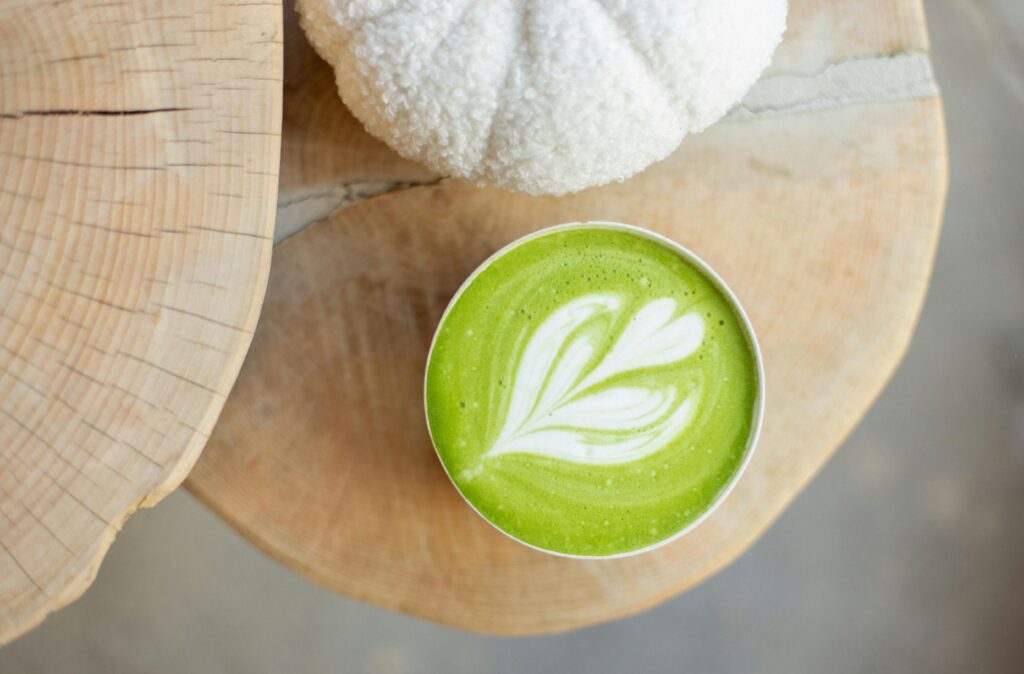
The foam layer is a frothy surface of air bubbles formed during whisking. Moving a chasen through the liquid incorporates air and mixes the powdered leaf with water. The bubbles change the texture of a sip, but a bowl does not need a photogenic foam cap to be enjoyable.
The Science Behind Foam Formation
Matcha foam involves gas, liquid and solid particles. A study published by the Japanese Society for Food Science and Technology found that soluble ingredients and fine matcha particles jointly contributed to foaming. Its abstract reports that soluble ingredients contributed to stability.
Importantly, the study did not find a change in median bubble diameter with milling method or particle size under its conditions. The simple rule “finer powder always makes smaller, longer-lasting bubbles” therefore goes beyond this evidence. Results from one experiment also should not be treated as a universal recipe.
Why The Foam Layer Matters For Quality Assessment
Foam is useful to observe when adjusting preparation, but it does not verify grade, freshness or origin. A difference between bowls can reflect both the tea and how it was prepared. Do not diagnose a low-quality product from sparse foam alone.
The same caution applies to color: note it alongside aroma and taste, rather than using a bright green surface as a certificate. Marketing labels such as ceremonial or culinary do not supply a laboratory rule for bubble size.
Textural Benefits
Aeration can make a sip feel lighter or creamier without adding milk. Whisking also distributes powder through the water, but that suspension is distinct from the surface foam. Matcha does not completely dissolve, and particles can settle even beneath a foamy surface. Stirring a drink that has stood can redistribute settled powder; it does not turn it into a solution.
Creating a Foam Layer
For a frothy thin tea, sift out clumps and use a relaxed, brisk back-and-forth M-shaped whisking motion rather than heavy circular stirring. Ippodo Tea recommends this motion and cautions against scraping hard against the bowl. Protect the delicate tips rather than forcing them against the bottom.
Begin with the producer’s dose and water instructions. If comparing techniques, keep the recipe fixed and change one variable at a time. There is no need to declare one temperature band or whisking duration the universal optimum for foam.
Common Foam Problems And Solutions
When you want more foam, check that the powder is free of large clumps, the whisk has room to move and the motion is aerating rather than merely stirring. If large bubbles bother you, try a gentler finishing motion near the surface. These are preparation adjustments, not tests of authenticity.
Ippodo explicitly describes intentionally making matcha without foam by whisking slowly. Lack of foam is therefore not by itself a failed preparation or a reason to discard the tea.
Thick Vs Thin Style Preparation
Thin tea, usucha, can be aerated. Thick tea, koicha, is mixed to a much denser consistency; Omotesenke describes the action as kneading. The intended style matters more than applying the same foam target to every bowl. For formal tea practice, follow your teacher’s procedure rather than a generic demand for full surface coverage.