What makes usucha thin tea
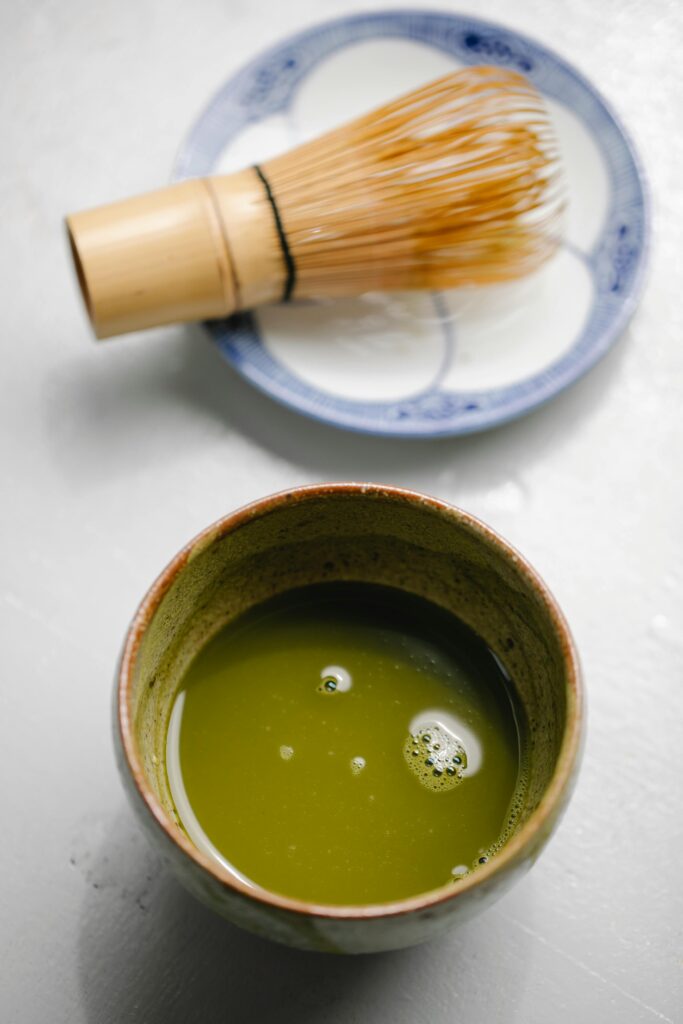
Usucha (薄茶) is a fluid preparation of matcha, contrasted with the higher concentration and dense consistency of koicha. Powder is mixed with water using a chasen. This distinction is more fundamental than whether the surface has a continuous cap of foam.
Omotesenke’s glossary defines thin tea by powder, hot water and whisking, and separately describes thick tea as kneaded. A glossy social-media foam cap is not a universal test of whether a bowl qualifies as usucha.
A practical producer recipe
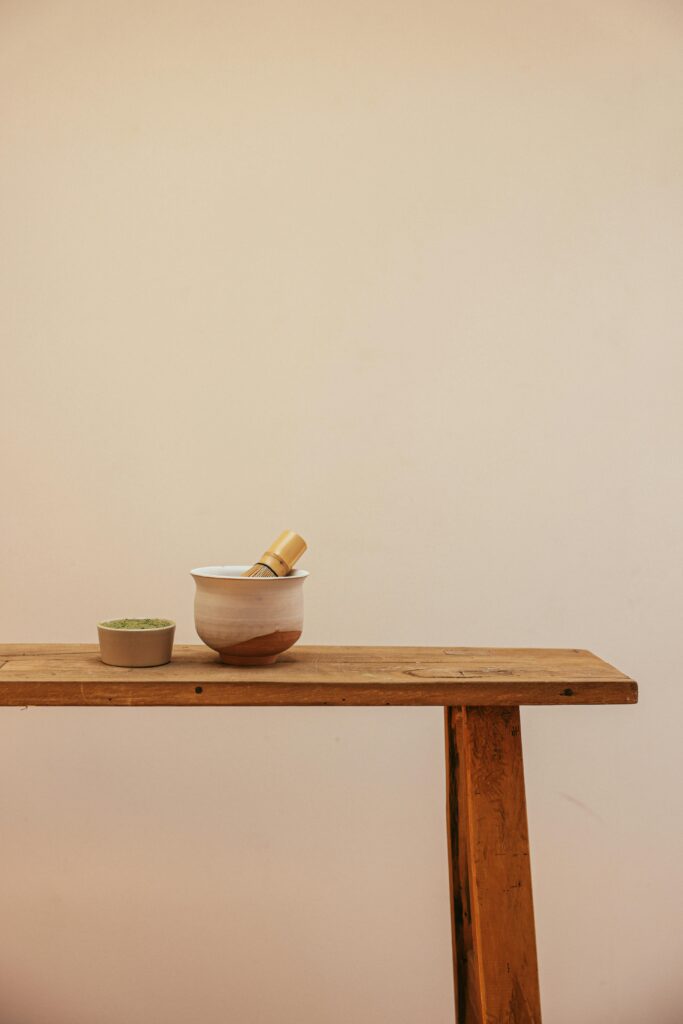
Ippodo’s usucha recipe uses 2 g of sifted powder, 60 mL water at 80°C and about 15 seconds of vigorous M-shaped whisking. This offers a repeatable starting point for its suggested preparation, not mandatory quantities for every teacher or every tea.
Use controlled wrist movement rather than heavy pressure. Avoid forcibly scraping the bowl with the delicate bamboo. Provide enough room to move the whisk without splashing, and follow the school’s directions if practicing a particular temae. A home recipe is not a full ceremony manual.
Foam varies by method and tradition
Ippodo’s foam guide explicitly says that some tea schools prepare matcha without foam on purpose. It suggests slower mixing for that style. Accordingly, a bowl with little foam can be intentional rather than evidence of poor tea or failed preparation.
If you want foam, the recipe, water amount and movement are useful things to check. Ippodo reports no major foaming difference between its own blends and emphasizes method and ratio. That is a producer observation about its range, not proof that all powders behave identically.
Texture and temperature without absolutes
Sifting helps break up clumps before powder is dispersed in water. Matcha is ground leaf, not an instant extract that must dissolve completely. Distinguish visible clumps from a claim that every particle should disappear. A smooth-looking mixture and a foam layer answer different questions.
Do not claim water below 70°C cannot suspend matcha or that any temperature above 80°C destroys the drink. Ippodo also discusses cold-water matcha, explaining that a thick foam is harder to produce in that method. Its hot recipe temperature is guidance, not a hard boundary for a valid suspension.
Serving and personal adjustment
Usucha may be enjoyed with sweets and can be part of formal practice or an everyday tea break. If attending a gathering, follow the host’s or teacher’s guidance on receiving and handling the bowl rather than treating a generic guide as universal etiquette.
At home, change one preparation variable at a time when exploring your taste. Compare the resulting concentration, aroma and mouthfeel, not only foam coverage. Adding milk or sweeteners creates a different drink context; it need not be presented as the definition of traditional usucha.
Care after whisking
Ippodo recommends rinsing a chasen with water without soap and drying it in open air. A stand can support the shape while it dries; a case is not the place to leave it damp. Replace a whisk with broken tips rather than using extra force to chase a foam result.