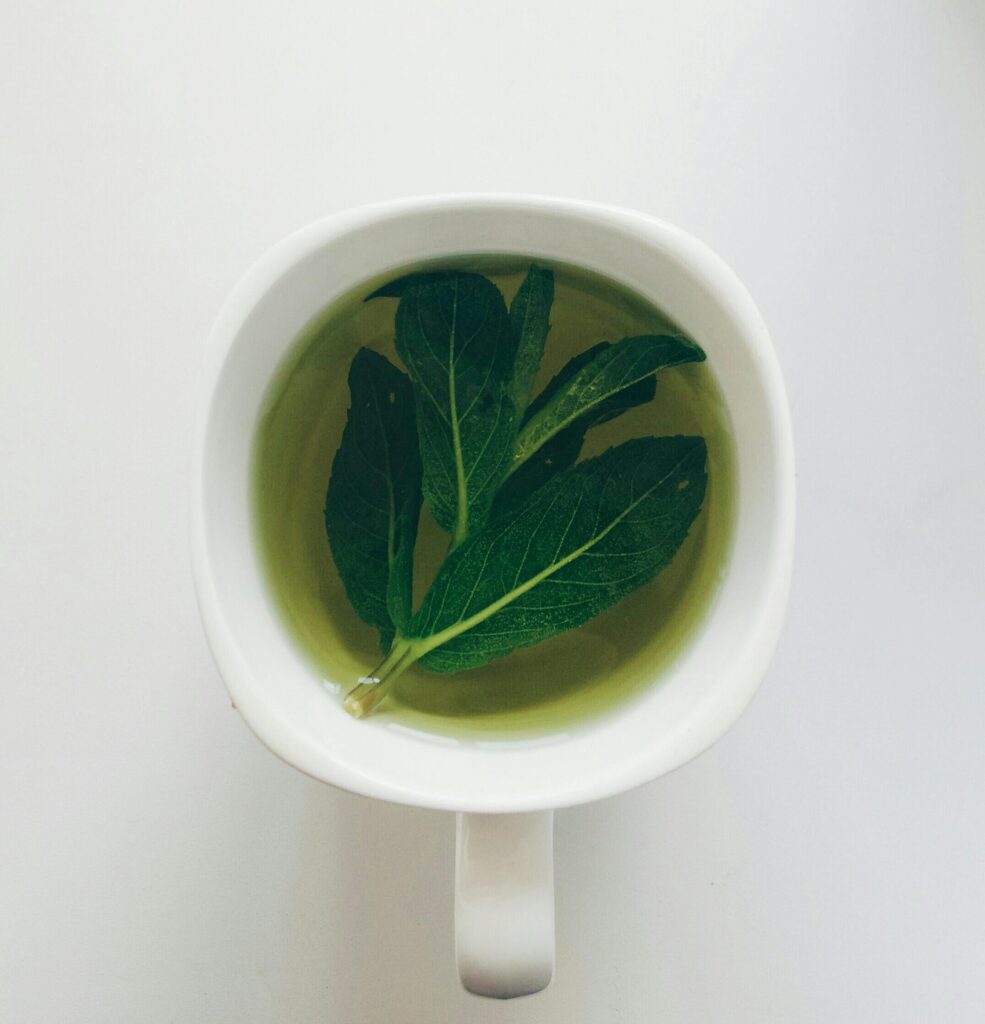
Sencha vs Matcha: Processing, Flavor and Preparation
Sencha vs Matcha compares rolled leaves with milled tencha: explore steaming, shading, flavor and preparation without fixed quality rankings.Definition of Sencha vs Matcha
Sencha vs Matcha is a comparison of two Japanese green teas made through different processing and preparation methods. Sencha is steamed, rolled leaf normally infused and strained; matcha is finely milled tencha, grown under shade and dried without rolling, then mixed into water so the powder is consumed.
Learn more
Sencha vs Matcha: the central difference
Sencha and matcha both belong to Japanese green tea, but they are not interchangeable forms of the same finished leaf. Sencha is steamed, rolled and dried for infusion. Matcha is made from tencha: shaded leaves that are steamed and dried without rolling, then refined and milled. This processing distinction is more useful than presenting one as simply the stronger or healthier tea.
How cultivation and processing differ
MAFF’s April 2022 tea guide describes sencha’s successive rolling and drying stages, which produce its familiar needle shape. The same guide describes tencha as shaded leaf dried without rolling, with stems and veins removed before it becomes matcha through milling. JETRO also distinguishes matcha from powder made using other teas. Grinding sencha does not turn it into tencha-based matcha.
Shading is characteristic of tencha, but avoid treating every sencha-related tea as strictly unshaded. MAFF lists kabusecha separately as a covered tea, with a shorter shading period than gyokuro. Cultivation labels and processing labels answer different questions; a packet’s specific description is more useful than assuming one light-exposure schedule for every producer.
Sencha does not have one steaming time
Light-steamed and deep-steamed sencha differ within the same broad tea category. MAFF’s 2022 Kakegawa producer example gives about 30–60 seconds for ordinary sencha and around 120 seconds for deep-steamed tea. Its tea-types guide describes deep steaming as at least twice the ordinary steaming duration. A universal 15–20-second sencha rule therefore misrepresents the range.
This also explains an exception to the usual visual comparison. Many sencha infusions are relatively transparent, but a deep-steamed sencha can be cloudy because fine leaf particles enter the cup. Cloudiness does not make it matcha; it must be interpreted alongside the processing route.
What enters the cup?
For leaf sencha, water extracts soluble substances and the leaves are normally strained out. Fine particles may also pass through a filter. Matcha is whisked or mixed into water as a suspension of powder; it does not dissolve completely like sugar. Drinking it includes the finely milled leaf material rather than only an infusion.
That difference is not proof of complete nutrient absorption or a guaranteed health advantage. Serving size, the particular tea and preparation all affect what is consumed. Neither tea name supplies a fixed caffeine dose. Choose based on the drinking experience and product information rather than an unsupported numerical nutrition comparison.
Flavor, utensils and intended use
MAFF describes sencha as having refreshing green aroma and moderate astringency, while tencha has pronounced umami and a characteristic covered-tea aroma. These descriptions orient a buyer but do not rank all sencha below all matcha. A strong sencha infusion and a lightly prepared matcha can differ from the stereotypes.
Sencha is convenient when you want to steep leaves in a teapot with a filter; matcha suits a bowl and whisk or recipes needing dispersed powder. Use the maker’s water and tea quantities as a starting point. Both can be enjoyed without ceremony, and neither requires a promotional grade label to make a satisfying everyday drink. Compare individual products, not just their category names.
Sources and further reading
- 味わいや香りもさまざまなお茶の種類 — Ministry of Agriculture, Forestry and Fisheries of Japan
- 茶畑から美味しいお茶が届くまで — Ministry of Agriculture, Forestry and Fisheries of Japan
- Matcha | Highlighted Japanese Ingredients — Japan External Trade Organization
Sources and references


Accessed: 2026-09-08
Language: ja
April 2022: sencha rolling stages; deep steaming at least twice ordinary steaming; shaded, steamed, unrolled tencha; stem and vein removal; matcha from ground tencha; gyokuro and kabusecha distinctions.
Accessed: 2026-09-08
Language: ja
April 2022 Kakegawa producer case: ordinary sencha about 30–60 seconds and deep steaming around 120 seconds; finer leaves; hand and machine harvest; finishing; protective packaging and condensation precautions.
Accessed: 2026-09-08
Language: en
Tencha is shaded, steamed and dried without kneading, refined then milled; non-stone milling can produce matcha; powdered other tea is distinguished from matcha. Used for processing and preparation only, not promotional health claims.

Emilie Schol
Founder of Best MatchaFrequently asked questions
Here are some frequently asked questions and answers.Is matcha just ground sencha?
Is matcha just ground sencha?
No. Matcha is milled tencha, made from shaded leaves dried without rolling. Powdered sencha follows a different production route.
Is sencha always clear?
Is sencha always clear?
No. Deep-steamed sencha can contain fine particles that make the infusion cloudy. Appearance alone does not identify matcha.
Which has more caffeine?
Which has more caffeine?
The tea name alone cannot give a reliable serving comparison. Leaf composition, quantity used and extraction or preparation matter.