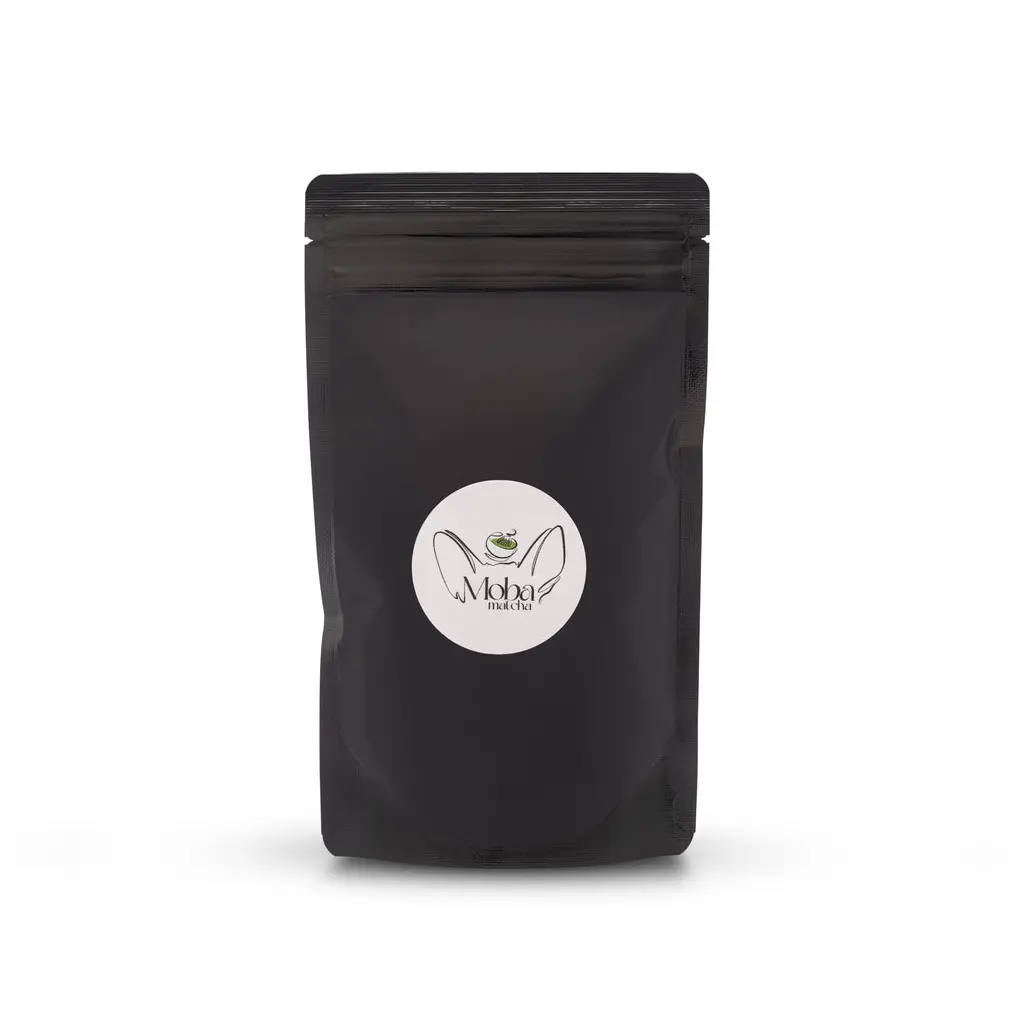

Front view of a black resealable Moba Matcha pouch with a round white logo label
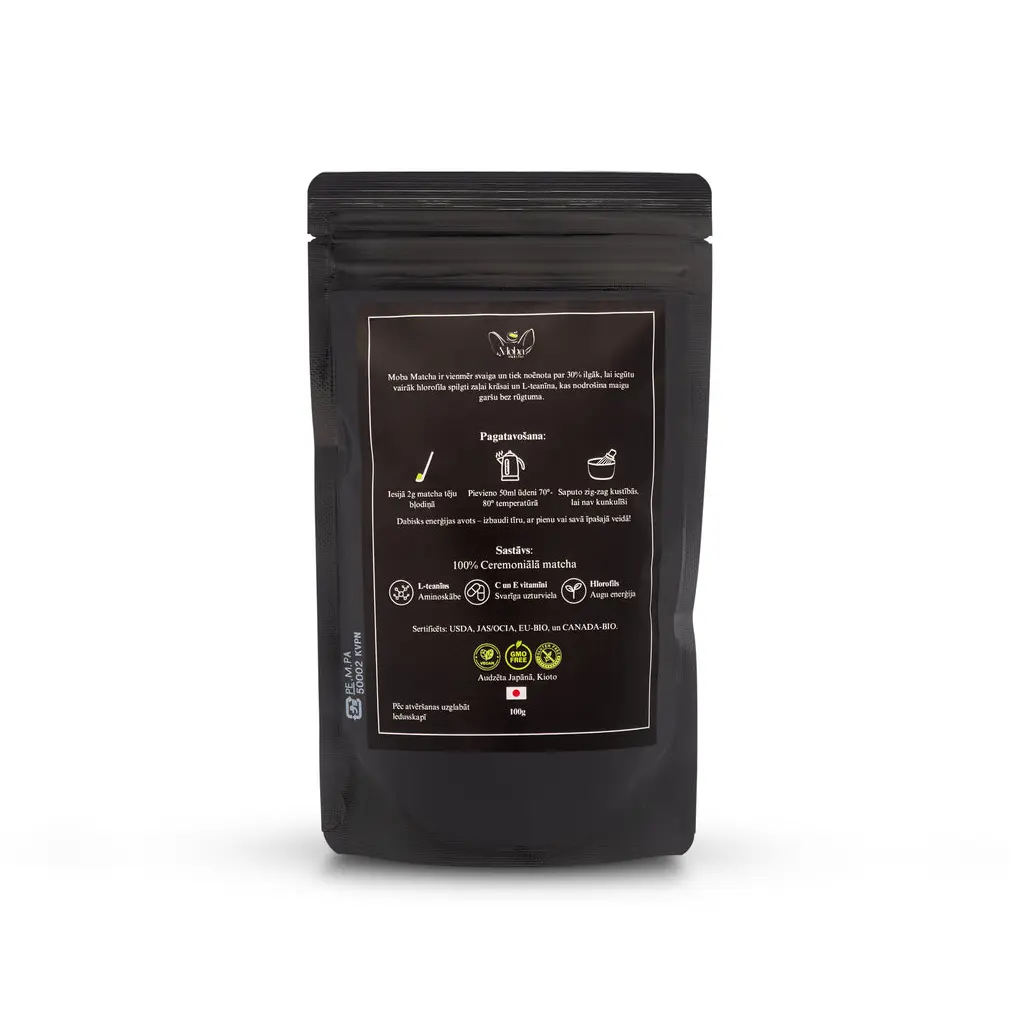
Back of a black Moba Matcha Ceremonial Grade 100 g resealable pouch with preparation instructions
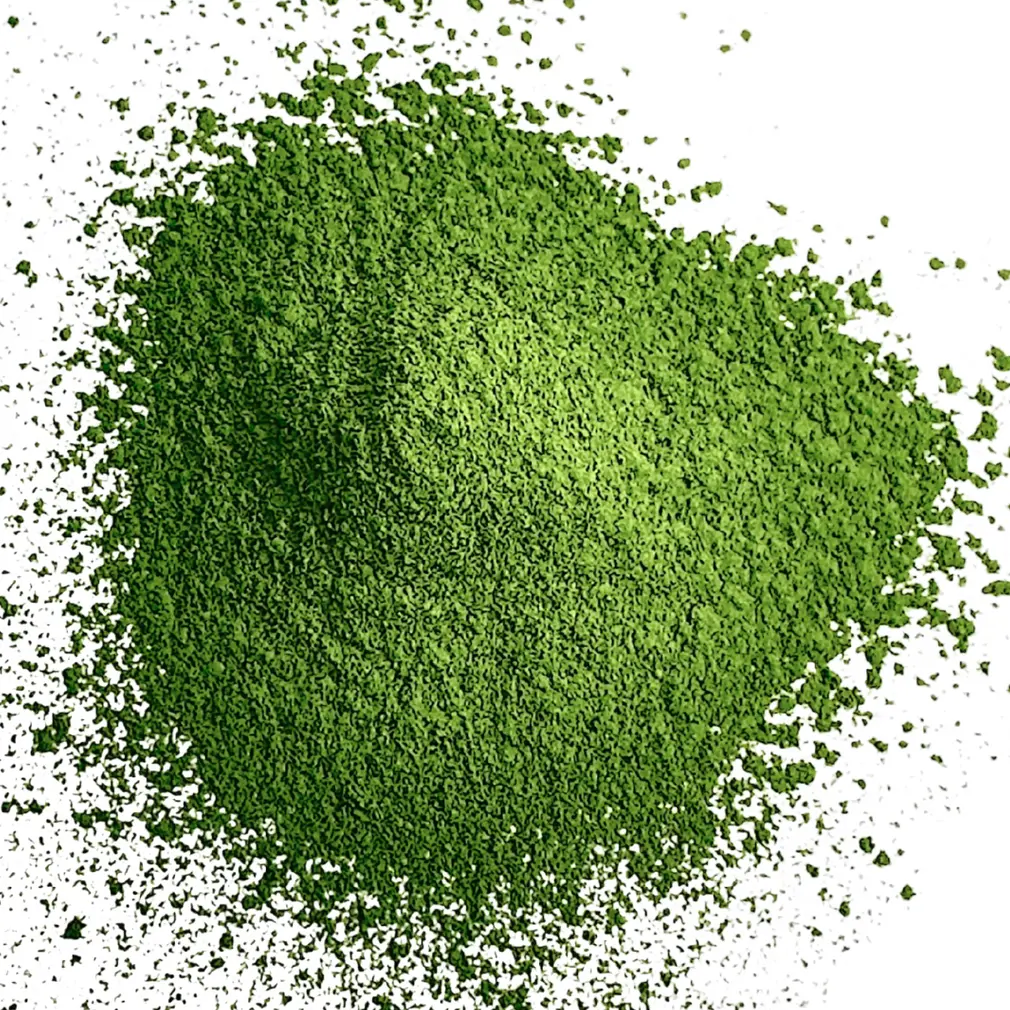
Close-up of fine green Moba Matcha powder scattered on a white surface

Moba Matcha Ceremonial Grade

Ceremonial Matcha 100g is grown in Uji, Kyoto, freshly ground and packed in Japan, with organic, U-KOSHER and HALAL certifications.

$85.50 $95

  • Subtotal

    {{ currencyFormat( pricing_summary.total_amount ) }}

Who is Moba Matcha?

Moba Matcha brings tea from Uji, Kyoto into daily life in Latvia, with 30 g and 100 g packs, individual utensils, and complete sets for preparing a bowl at home.

The brand carries that ritual into shared settings through guided workshops, practical support for cafés and restaurants, and a mobile matcha bar for private celebrations, corporate gatherings, weddings, and festivals.

Uji and Kyoto ceremonial matcha for lower-bitterness lattes

Ceremonial Matcha 100g is an organic Japanese matcha cultivated in Uji, Kyoto, then freshly ground and packed at a factory in Japan. It combines a green color and complex flavor with reduced bitterness. The preparation instructions below describe a matcha latte.

What distinguishes this Uji ceremonial matcha?

The tea is identified as ceremonial grade and genuinely Japanese, with cultivation in Uji, Kyoto. Grinding and packing take place in Japan. Matcha also contains epigallocatechin gallate (EGCG), an antioxidant found in green tea.

  • Net weight: 100 g
  • Origin: Uji, Kyoto, Japan
  • Processing: Freshly ground and packed in a Japanese factory
  • Profile: Green color, complex flavor, and reduced bitterness
  • Dietary attributes: Organic, vegan, non-GMO, and gluten-free

Which organic and dietary standards does it carry?

The matcha carries USDA, JAS/OCIA, EU-BIO, and CANADA-BIO organic certifications. It is also U-KOSHER and HALAL certified, as well as described as 100% vegan, non-GMO, and gluten-free. The Japanese packing factory holds ISO and HCAAP certifications. Certificate of Analysis and Certificate of Origin documents are available for the matcha range. A subscription option is offered for this product.

How do you prepare it as a matcha latte?

Heat water to 70–80°C, avoiding boiling water because excessive heat can produce a bitter, burnt taste. Sift two matcha-spoon scoops, approximately 2–3 g, into a matcha bowl to remove clumps. Soak the whisk in hot water to soften its bristles before mixing.

Add about 30–60 ml of warm water and whisk in zigzag motions rather than circles until frothy. Add another 60–90 ml of warm water, whisk briefly, and pour the matcha into a cup. Heat 170–210 ml of milk and add it to the prepared matcha. Oat milk is the suggested milk option, although the method is written for milk generally.

How should the opened package be stored?

After opening, keep the matcha in a cool, dark place or refrigerate it. Follow the stated temperature range during preparation and sift the powder before whisking for the intended latte method.

Frequently asked questions

Uji and Kyoto ceremonial matcha for lower-bitterness lattes Here are some frequently asked questions and answers.

What is Ceremonial Matcha 100g?

It is a 100 g ceremonial-grade matcha intended for drinks such as matcha lattes. The matcha has a green color, a complex flavor profile, and reduced bitterness.

Where is this matcha grown and processed?

The matcha is grown in Uji, Kyoto, Japan. It is freshly ground and packed at a Japanese factory.

Is this matcha organic?

Yes. The matcha carries USDA, JAS/OCIA, EU-BIO, and CANADA-BIO organic certifications. It is also certified by U-KOSHER and HALAL.

Is this matcha vegan, non-GMO, and gluten-free?

Yes. The matcha is described as 100% vegan, non-GMO, and gluten-free.

How do you prepare a matcha latte with it?

Sift 2–3 g of matcha into a bowl, add 30–60 ml of water at 70–80°C, and whisk in zigzag motions until frothy. Add another 60–90 ml of warm water, whisk briefly, then pour into a cup and top with 170–210 ml of heated milk. Oat milk is the suggested option.

Why should the water stay below boiling?

Use water at 70–80°C because boiling water can produce a bitter, burnt taste. Sifting the matcha first helps remove clumps, while soaking the whisk in hot water softens its bristles before whisking.

How should this matcha be stored after opening?

After opening, keep the matcha in a cool, dark place or refrigerate it.

What documentation and purchase options are offered?

Certificate of Analysis and Certificate of Origin documents are available for the matcha. A subscription option is also listed, and the package contains 100 g. The Japanese factory carries ISO and HCAAP certifications.