First picking, not one national date
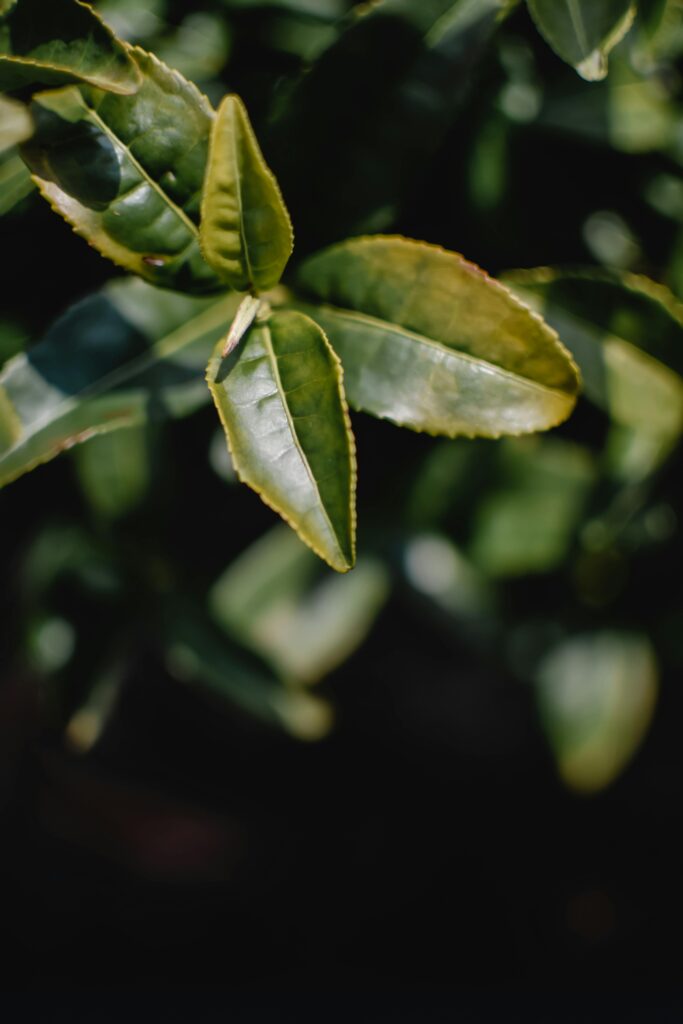
Ichibancha (一番茶) is the first picking of new shoots in the growing season, also called first-flush tea. It identifies a position in the annual crop sequence, while nibancha identifies the second crop. Neither word specifies a finished tea type.
JETRO’s spring-harvest article gives late March to mid-May as a broad window explicitly dependent on field location and climate. Use this as context rather than a rigid national deadline. Cultivar and a field’s conditions matter when a grower decides shoots are ready.
How shincha relates to ichibancha
JETRO also connects ichibancha with shincha, meaning new tea of the season. The distinction is emphasis: ichibancha tells you which crop was picked, while shincha emphasizes new-season tea. A first-harvest identity does not tell you when a package was milled, packed or opened.
Keep these dates separate when shopping. A tin packed in May does not automatically document a May harvest. First-harvest leaf need not appear immediately as retail matcha. Ask what the printed date represents instead of authenticating the crop from a month alone.
Why spring tea is valued
The growers interviewed by JETRO describe the importance of the first crop and the mild, sweet character often sought in spring teas. That context explains interest in ichibancha. It does not establish that every first-harvest tea is sweeter than every later tea under all growing and preparation conditions.
A frequently repeated threefold theanine comparison is not a universal specification for a tin. Without identified samples, cultivar, cultivation and analytical method, numerical percentages should not be presented as guaranteed chemistry. Harvest alone also cannot establish superior levels of every antioxidant, vitamin or mineral, or a stronger health effect.
First harvest is not automatically matcha
JETRO discusses several teas associated with the first crop, including sencha, gyokuro, matcha and tamaryokucha. The Kyoto tea industry separately explains tencha cultivation and processing: shaded leaf is steamed and dried without rolling, with powdered tencha identified as matcha.
First picking and tencha production are distinct facts. For a matcha buyer, combine documented crop information with a description of the finished tea. First harvest does not by itself certify koicha suitability, milling size or a universal ceremonial tier.
Checking a first-harvest claim
Look for an explicit first-harvest or ichibancha statement and ask about origin, year and date wording. If a product is a blend, ask whether the harvest claim applies to all of it. An unlabelled crop is unknown; missing information does not prove second-harvest content.
Color, price and a flavor impression cannot independently authenticate harvest order. Do not use a minimum retail price as a test for first flush. Read producer records and preparation advice, then decide whether the tea suits your intended use. This preserves transparency without inventing a ranking of every cup.