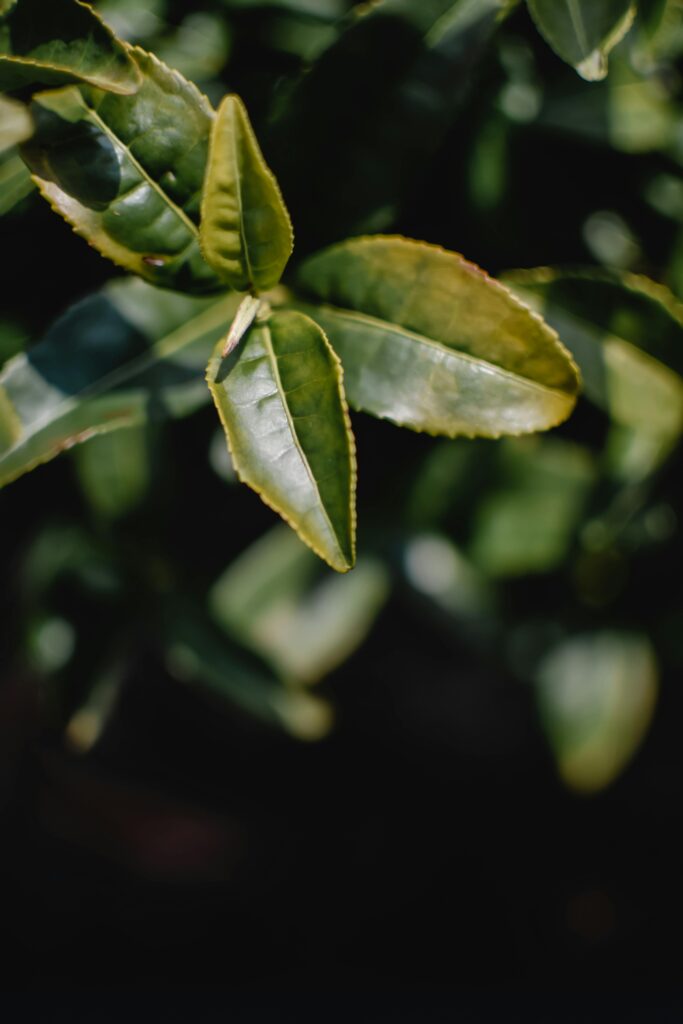
Shincha: The Current Spring’s New Tea
Shincha means the current spring’s new tea, not a single processing style. Check harvest context, freshness, and storage rather than nutrient claims.Definition of Shincha
Shincha is new tea first produced in the spring of the current year. The term emphasizes the new season’s crop rather than a single processing style. It is closely associated with the first harvest, but does not by itself specify sencha processing, shading, caffeine content, or a guaranteed flavor profile.
Learn more
New tea and the first harvest
Shincha (新茶) means new tea. The Japan Tea Central Association’s labeling standards describe it as tea first produced in the spring of the current year. This is seasonal production information, not the name of one manufacturing process or a guarantee of unusually high nutrient levels.
MAFF’s account of a tea farm in Kakegawa explains that tea made from the year’s first newly grown shoots is called ichibancha or shincha. The terms overlap in that setting: ichibancha identifies the first crop, while shincha emphasizes the newly produced spring tea.
The season varies by place and cultivar
The MAFF article describes first-harvest activity from around mid-to-late April through early May at the featured Kakegawa operation. It explicitly notes that harvest timing and frequency differ by region and cultivar. This local example should not become a rigid national timetable.
When reading a release announcement, look for the growing region, cultivar where stated, and harvest year. A date from one farm or a warmer district does not establish when all Japanese shincha must be picked. Weather and the development of the shoots also make a fixed date table less useful than information about the actual crop.
Shincha is not synonymous with sencha
Sencha describes a processing category. In MAFF’s overview, leaves are steamed, rolled through a sequence of operations, and dried. Shincha describes the new spring production. Those labels answer different questions, so a package may tell you both what kind of tea it is and that it belongs to the current spring crop.
Do not assume all shincha is unshaded. Covering is a cultivation choice, while “new tea” is a seasonal description. The same distinction prevents treating shincha and matcha as mutually exclusive botanical types. For a new-season matcha, ask when the tencha was harvested and when it was milled; those are different production steps.
Freshness and flavor
Fresh aroma and the arrival of the spring crop are part of shincha’s appeal. They do not establish a universally sweet or minimally bitter taste. Cultivar, field conditions, processing, and preparation all remain relevant. A sensory description of one shincha should not be applied to every tea carrying the word.
Claims that shincha always has the most antioxidants or the least caffeine are not warranted by the seasonal label. A nutrient comparison needs measurements of the actual teas, a stated analytical basis, and comparable preparation. Harvest terminology cannot substitute for that evidence or support promises of relaxation or mental clarity.
Harvest window versus retail availability
The season for picking the first shoots is limited, but that does not establish an identical few-week selling period for every producer. Avoid promising that all shincha disappears from shops after a fixed number of weeks. Availability and the producer’s labeling practices should be checked directly.
The association standards also caution against inaccurate or ambiguous seasonal wording, including out-of-season “shincha” and “always shincha.” This makes the harvest-year context important: the name should communicate the current spring crop rather than imply that stored tea is perpetually new.
Storing tea without an invented countdown
MAFF recommends packaging that excludes light and air and keeping unused tea sealed in a cool, dark place. Its article also discusses cold storage of unopened tea and says to let the sealed package reach room temperature before opening, helping avoid condensation.
Follow the package’s best-before and storage instructions and buy an amount you expect to use. There is no source-supported universal schedule in which all shincha is at its peak for exactly two weeks, remains excellent until week six, and declines on a fixed day afterward.
What to check before buying
- The harvest year and region, rather than “new” alone.
- The tea type and processing description.
- Whether covering or a named cultivar is actually documented.
- Packaging, storage advice, and the seller’s recommended use period.
This keeps the focus on the distinctive value of shincha: an identifiable new spring crop, with freshness handled as a practical matter rather than a nutritional or quality guarantee.
Sources and references

Accessed: 2026-09-08
Language: ja
Table 1: kabusecha covered approximately seven days and processed like sencha; 覆下園 in gyokuro definition; tencha clarification includes newer materials/simpler cover methods. Table 2: shincha tea first produced in spring of current year. Prohibits ambiguous out-of-season/always-shincha expressions. Does not define universal ceremonial quality grades.
Accessed: 2026-09-08
Language: ja
April 2022 Kakegawa farm account: first new shoots called ichibancha/shincha; local mid-to-late April to early May first-harvest season with explicit regional/cultivar variation; sealed light/air-excluding packaging, cool-dark storage and warming unopened cold-stored tea before use.
Accessed: 2026-09-08
Language: ja
April 2022 overview: kabusecha about one week of covering; gyokuro about twenty days; Mie/Nara/Fukuoka listed for kabusecha; temperature-dependent brewing descriptions; tencha steamed and dried without rolling then refined and milled for matcha.

Emilie Schol
Founder of Best MatchaFrequently asked questions
Here are some frequently asked questions and answers.Does shincha always mean sencha?
Does shincha always mean sencha?
No. Shincha identifies the new spring crop; sencha identifies a processing category. Read the tea type separately.
Is shincha guaranteed to have less caffeine?
Is shincha guaranteed to have less caffeine?
No. The seasonal label does not establish caffeine content or a nutritional advantage. Those comparisons need actual measurements.
Is shincha sold for only a few weeks?
Is shincha sold for only a few weeks?
Not on a universal schedule. The harvest window and retail availability are different, and the association cautions against misleading out-of-season use of the name.