
Tea Pristine: Hangzhou Organic Grower Since 1992
Who is Tea Pristine?
Tea Pristine videos
Tea Pristine in details
About the Tea Pristine Matcha
Harvest location
Tea Pristine History
Frequently asked questions
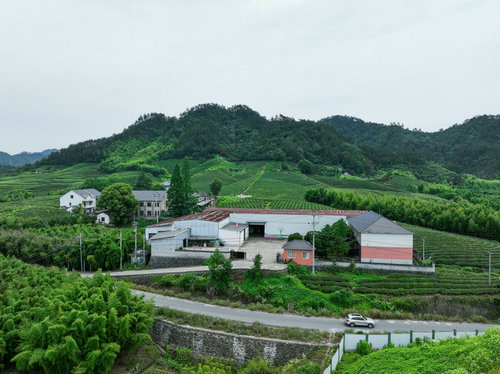
Tea Pristine operates a 133-hectare organic tea farm in the hills around Hangzhou, China. The record describes Hangzhou as China’s Capital of Tea and says the farm combines ancient cultivars with modern organic practices. Tea Pristine manages production on its own land rather than sourcing its matcha from several independent suppliers.
Yes. Tea Pristine produces ceremonial-grade and culinary-grade matcha. Its ceremonial option is intended for pure preparation, while its culinary matcha has a more robust profile for broader uses. The brand applies pre-harvest shading to support a vibrant green color and a sweet, less bitter flavor, with premium grades receiving selective harvesting attention.
Tea Pristine shades its tea before harvest. According to the record, this technique supports chlorophyll production, creating the powder’s distinctive emerald color. The same cultivation approach contributes to a sweet, less bitter flavor profile. Premium grades also receive selective harvesting, and only hand-picked leaves are chosen for the highest-grade Mingqian production.
Tea Pristine specializes in the Mingqian harvest, which takes place before the Qingming Festival. The record says leaves at this stage carry concentrated flavor after winter dormancy. Hand-picking is used to select the finest leaves for premium grades, while mechanical harvesting supports larger production volumes. Pre-harvest shading also encourages chlorophyll development.
Yuan Shaohua founded Hangzhou Zhiqinghe Tea Tech, trading as Tea Pristine, in April 1992. He also established Zhejiang’s first private tea research institute. His earlier experience included work as a tea-factory process engineer and study of mechanical tea making under Professor Chen Chuan. His son Alex Yuan joined the organic tea business in 1998.