First-harvest Saemidori matcha from Kagoshima for everyday lattes
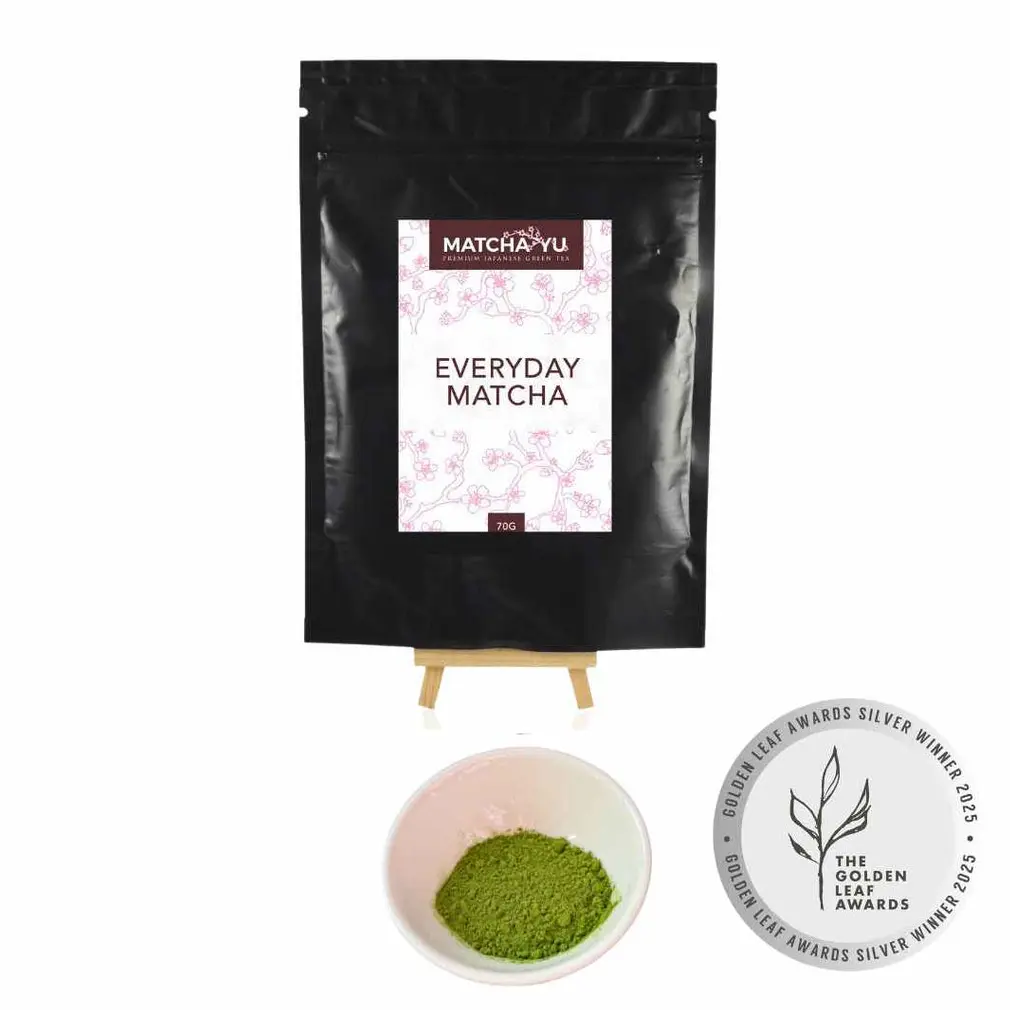
Everyday Matcha Green Tea Powder – First Harvest is Matcha Yu Tea’s unflavored Japanese matcha, made from the single cultivar Saemidori. The current product page identifies the origin as Kagoshima, Japan and the harvest as May 2026, first flush. It contains no added sugar or additives.
Origin and processing
According to Matcha Yu Tea, the leaves are machine-harvested and bead-milled in Japan. The matcha is air-freighted and refrigerated upon arrival to help preserve its flavor and color. Everyday Matcha is conventionally grown, not the brand’s certified-organic Premium Matcha.
Flavor and preparation
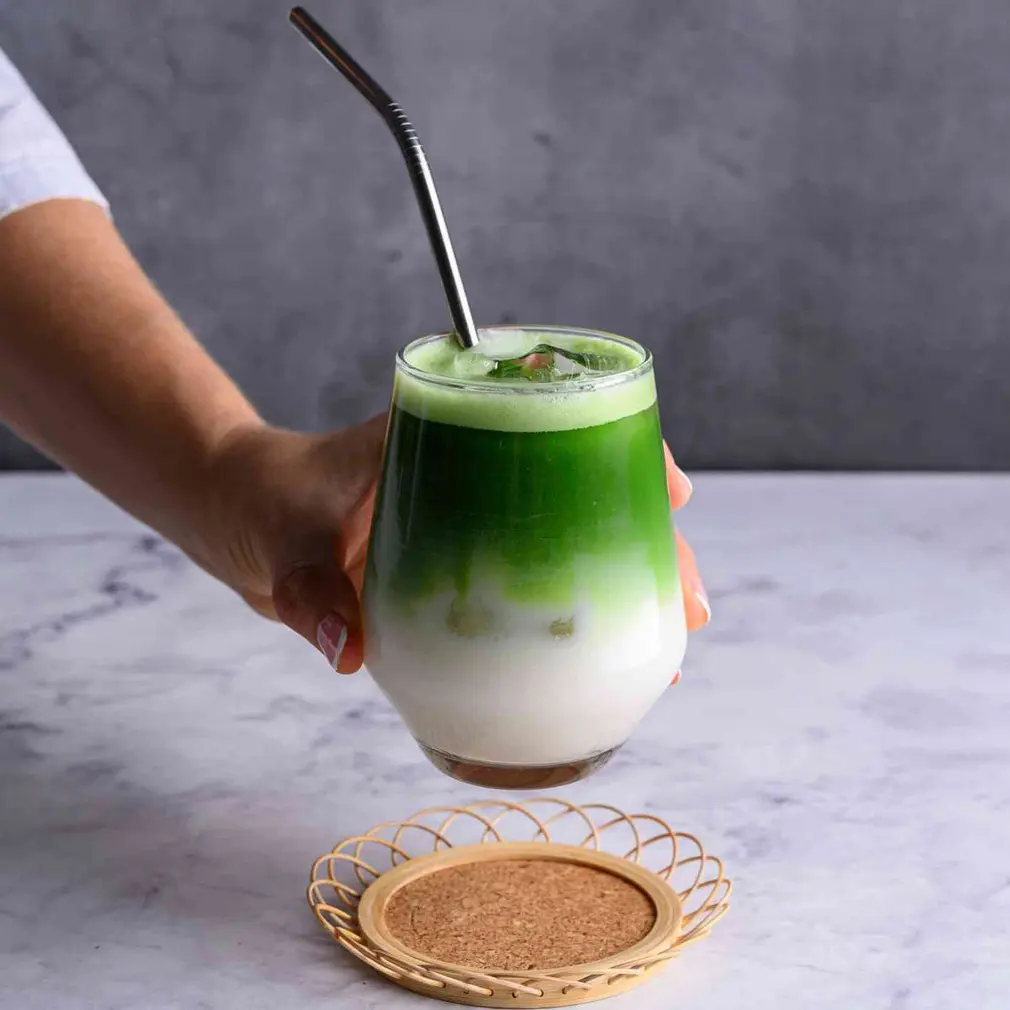
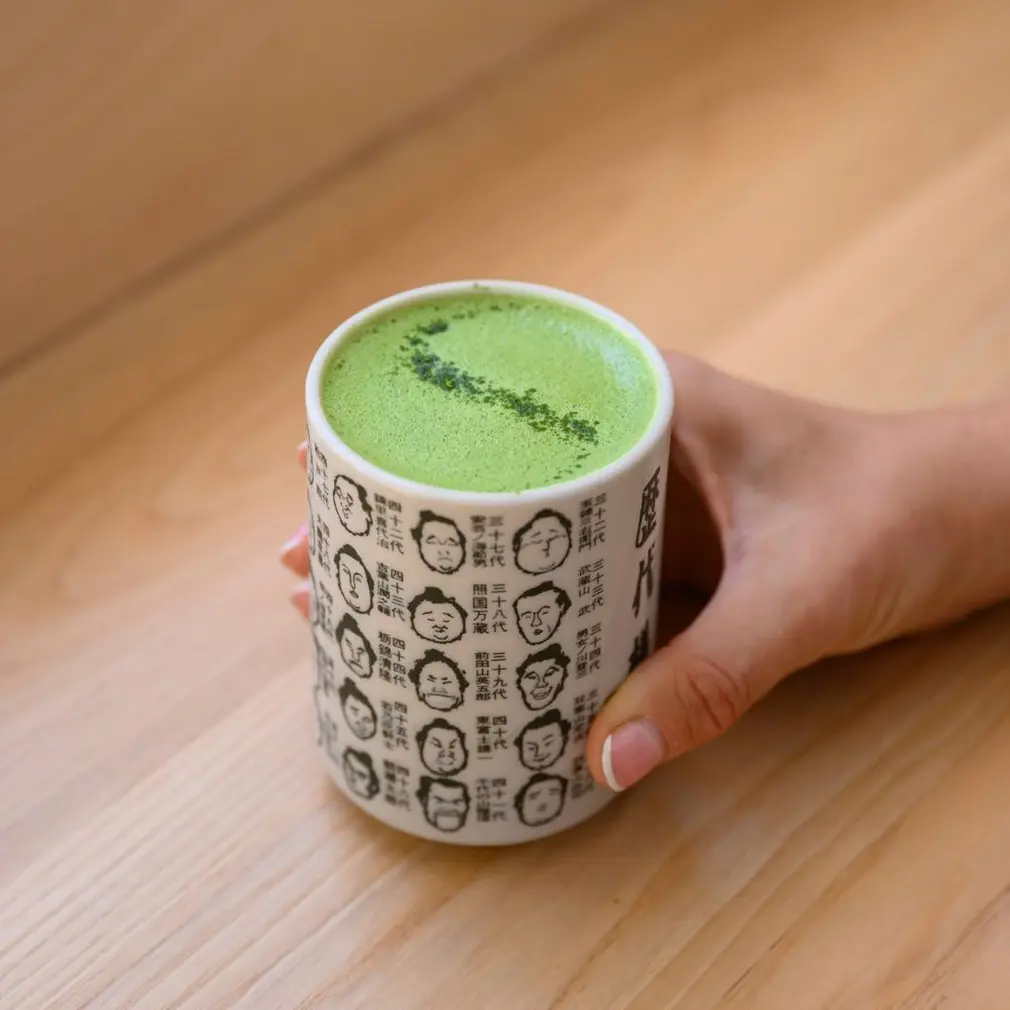
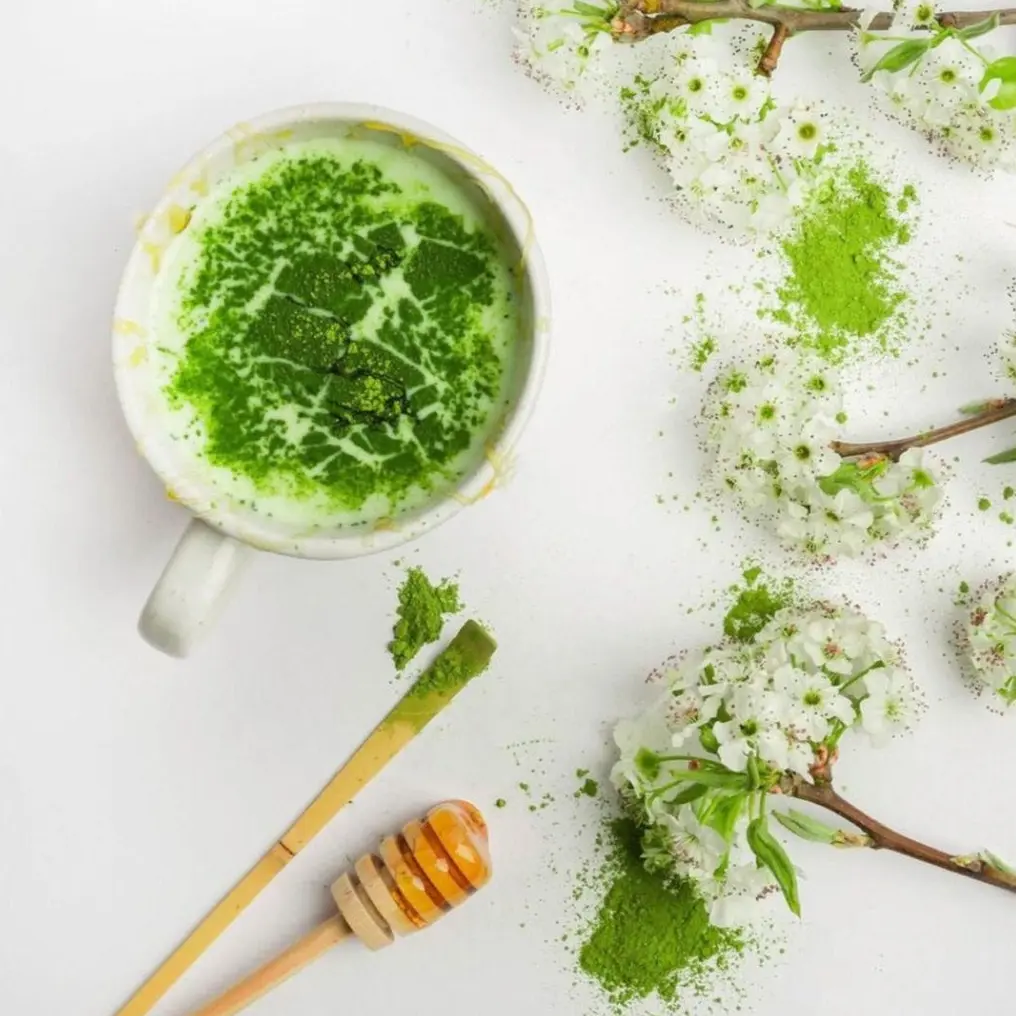
The brand describes a vibrant green powder with a smooth, balanced flavor, gentle umami, minimal bitterness and a light-to-medium body. These are the producer’s tasting descriptions, not a Best Matcha tasting score. It is positioned for daily hot or iced lattes and can also be prepared with water.
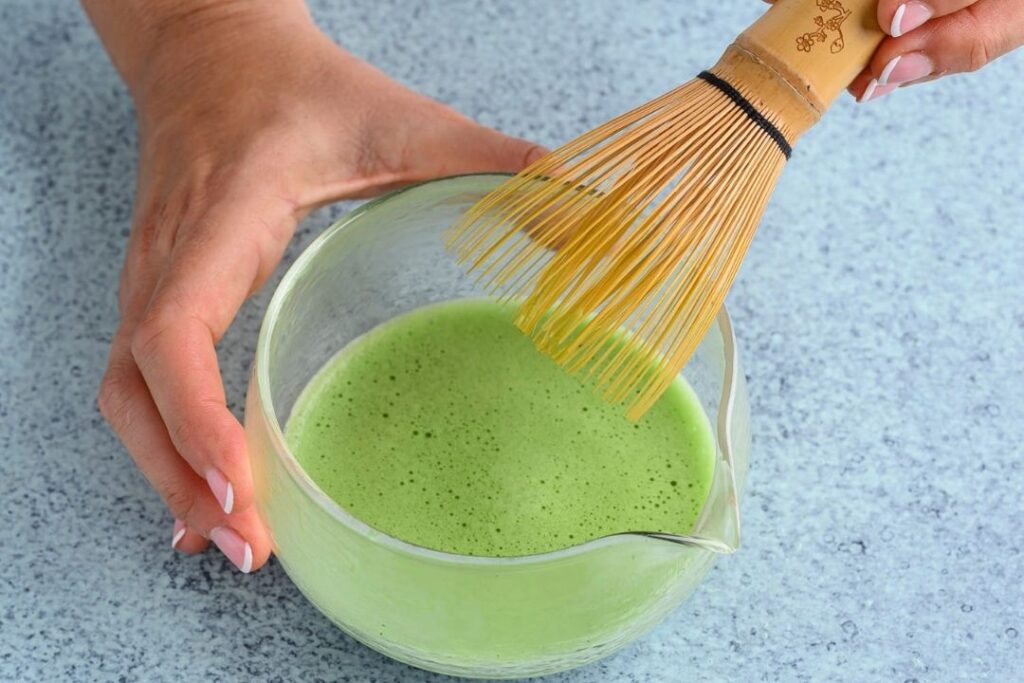
For the brand’s latte recipe, sift approximately 2g of matcha, blend with around 30ml of water no hotter than 80°C, then add 100ml of milk. A bamboo whisk, matcha shaker or electric whisk can be used. Sweetener is optional. For a larger serving, the brand suggests 4g of matcha and 200ml of milk, keeping the water at 30ml.
Sizes and packaging
- 30g pouch: approximately 15 servings at 2g each, suggested by the brand for first-time buyers.
- 70g pouch: approximately 35 servings at 2g each, presented as its most popular size.
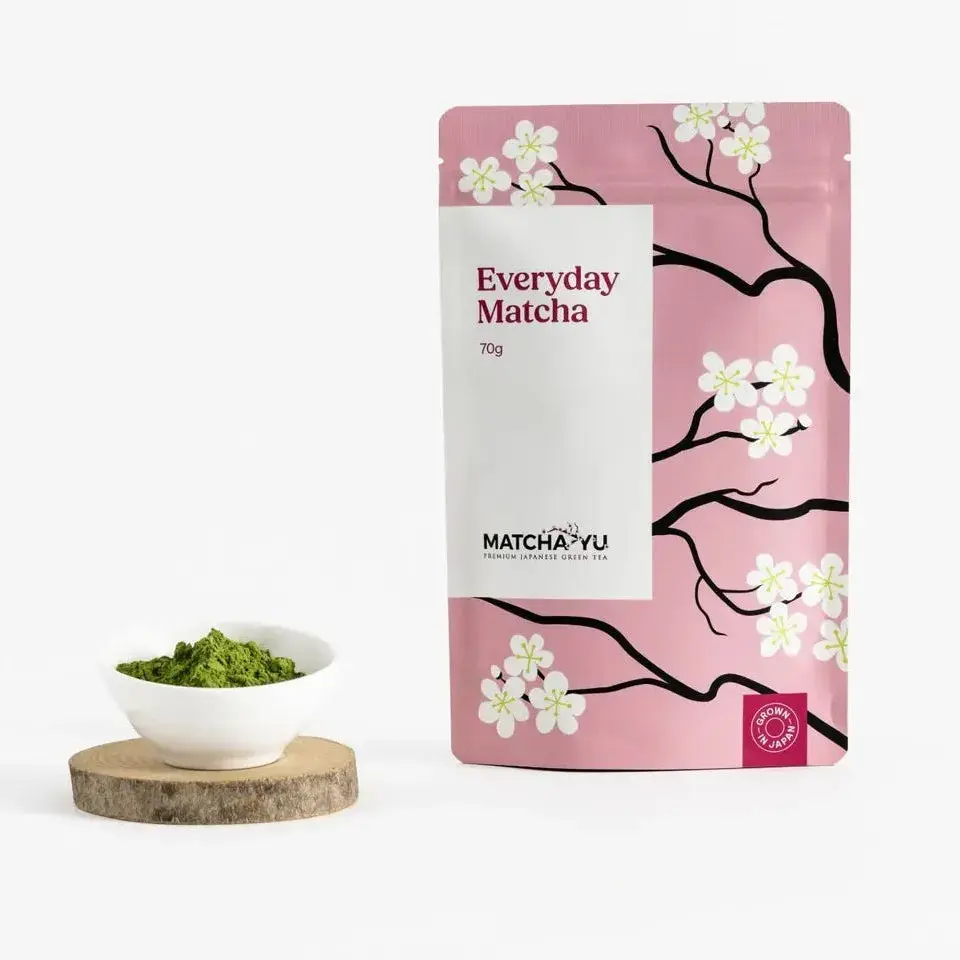
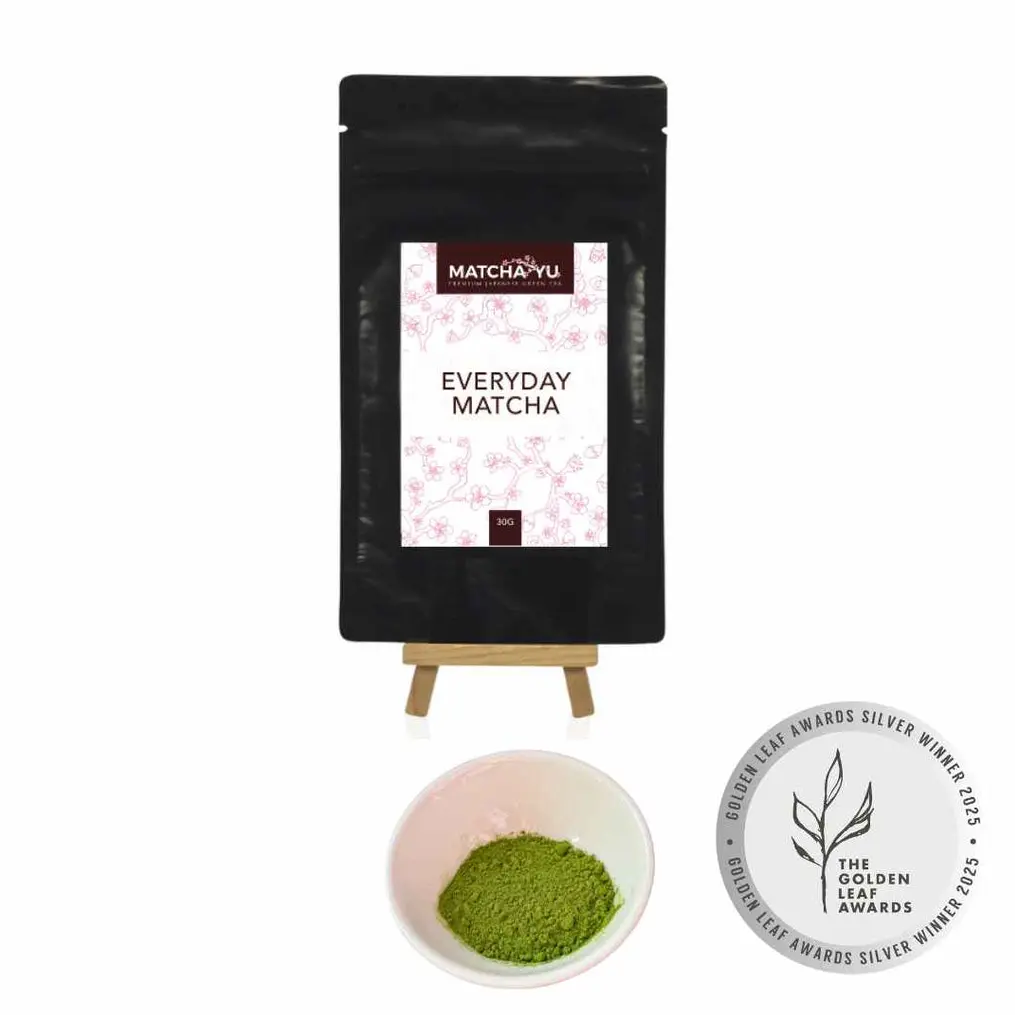
The brand is transitioning its packaging: the current page shows the new pink 70g pouch and explains that 30g pouches still use the previous packaging. Packaging may therefore differ by size during this transition.
Ingredients and dietary information
The product is pure matcha green tea powder. The official page describes it as vegan, gluten-free and sugar-free. These dietary statements do not establish an independent certification. Current prices, stock and any subscription or checkout offers should be confirmed on the official product page.
Who should choose Everyday Matcha?
Everyday is the milk-focused option in Matcha Yu Tea’s range: conventional Saemidori, bead-milled for everyday use. The separate Premium offering uses organic Okumidori and stone milling, with the producer positioning it for drinking straight. Choose by preparation style and sourcing preferences rather than treating “premium” as a universal quality score.
This profile is based on the official Matcha Yu Tea Everyday Matcha listing, not an independent tasting. Explore the pure matcha powder category to compare other unflavored products.
Saemidori
Ichibancha is the late-April-to-May first harvest, producing vibrant green matcha with sweet, delicate flavor and characteristic umami.
Japan is the birthplace of matcha, with shaded tencha cultivation centered in Kyoto, Kagoshima, Shizuoka, Aichi, Fukuoka, Mie, Nara, and Saitama.
Frequently asked questions
The current official product page identifies Kagoshima, Japan, as the origin.
The current offering uses single-cultivar Saemidori matcha from the May 2026 first harvest, also called first flush or ichibancha.
The brand identifies Everyday Matcha as conventional, not certified organic. The current product page does not explicitly designate it as ceremonial grade. Do not confuse it with the separate Premium Matcha offering.
The official page states that this matcha has no added sugar or additives and describes it as vegan and gluten-free.
Yes. The brand recommends it for hot or iced lattes and also says it can be prepared with water. For a latte, sift 2g of matcha, blend with around 30ml of water at no more than 80°C, then add 100ml of milk.
The product is offered in 30g and 70g pouches, corresponding to approximately 15 and 35 servings at 2g each.
According to the brand, it is machine-harvested, bead-milled in Japan, air-freighted and refrigerated upon arrival.
The brand is transitioning to new packaging. Its current page shows a pink 70g pouch, while 30g pouches remain in the previous packaging during the transition.