Who is Maison Koko?

Maison Koko is a matcha and specialty-powder house founded by designer Gina Kim, sourcing from boutique Japanese farms and selling matcha by named cultivar and lot rather than by a single ceremonial tier.

Its 85-product catalogue covers seven single cultivars, a Uji competition-grade lot, traditional mukashi blends, and a separate range of hojicha, botanical and functional powders.

Videos

Maison Koko videos

Seven named cultivars, Uji competition grade and traditional mukashi blends

Browse the gallery to see 26 videos about matcha.

Maison Koko in details

Maison Koko is a matcha house run from the Gold Coast, Australia and founded by fashion designer Gina Kim. Its own framing — sparked in Paris, rooted in Korea, sourced from Japan — reflects a brand assembled across several markets rather than one national tradition.

Where most brands sell one undifferentiated “ceremonial” tier, Maison Koko names seven cultivars and sources its Uji lots from Tsujirihei Honten, a Kyoto tea house founded in 1860 — one of the deepest and best-documented single-cultivar selections of any brand in this directory.

About the Maison Koko Matcha

Maison Koko distinguishes its matcha by cultivar and lot name to an unusual degree — most brands name none.

Single-cultivar ceremonial matcha

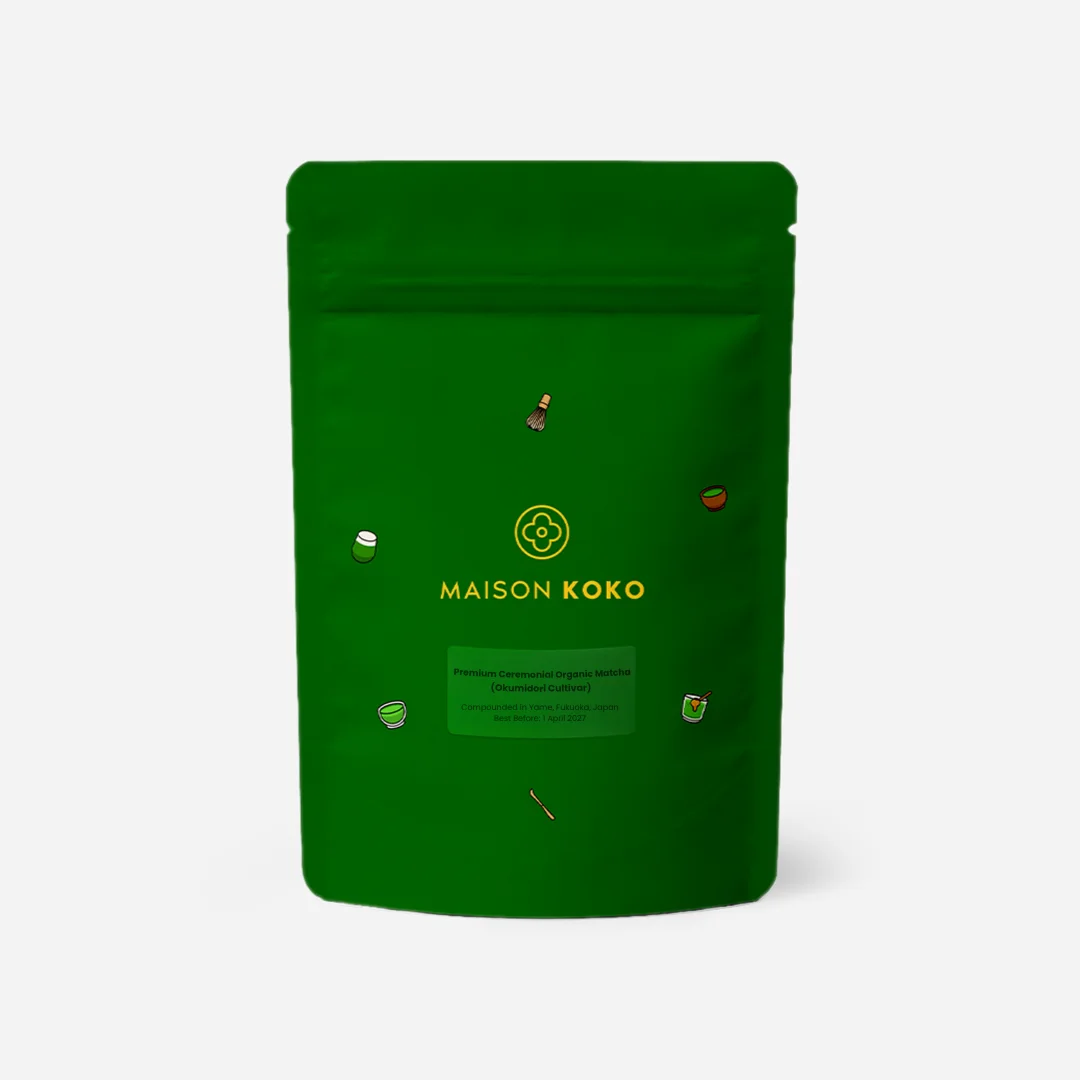
  • Okumidori — late-harvesting, deep colour, smooth and sweet.
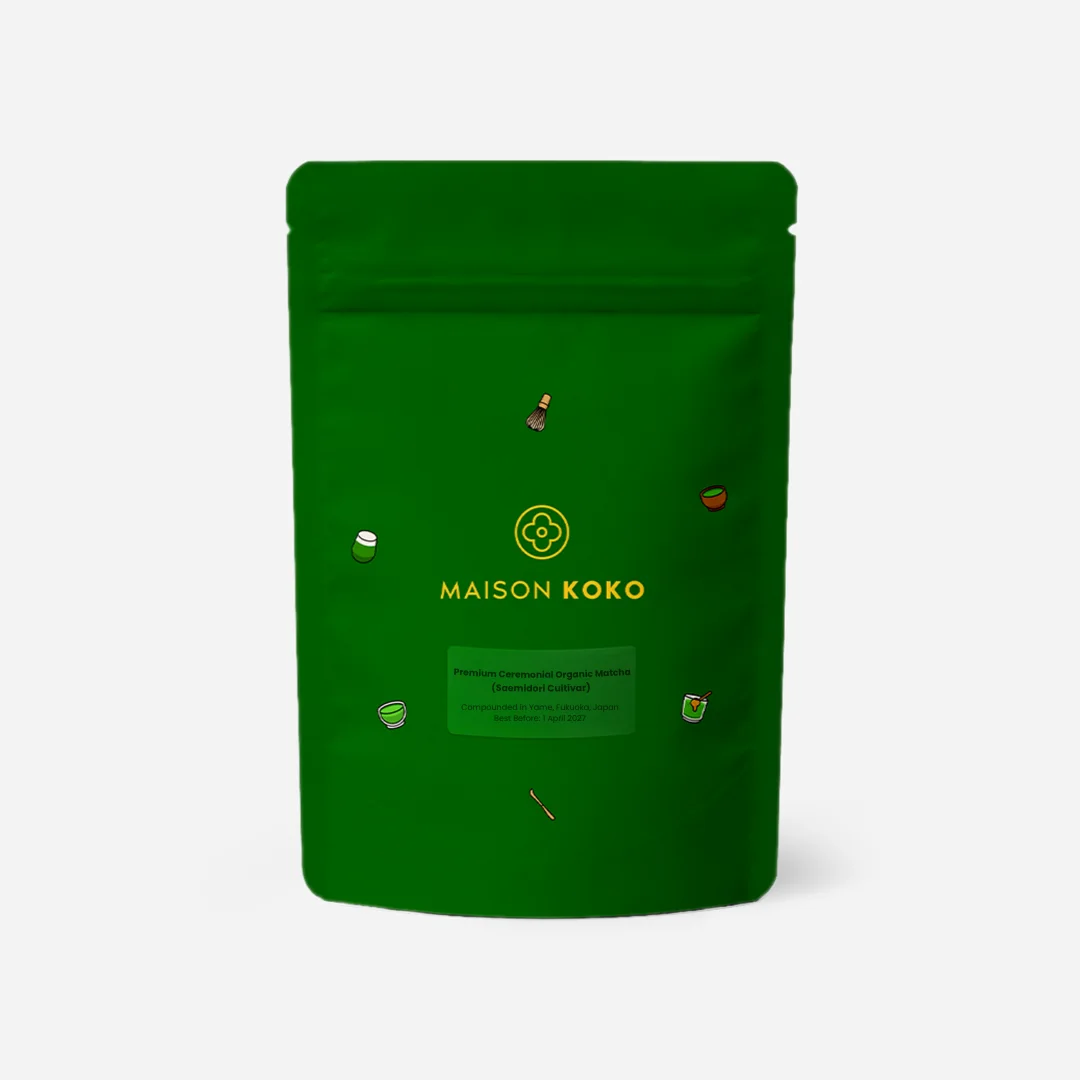
  • Saemidori (organic) — sweet with low astringency.
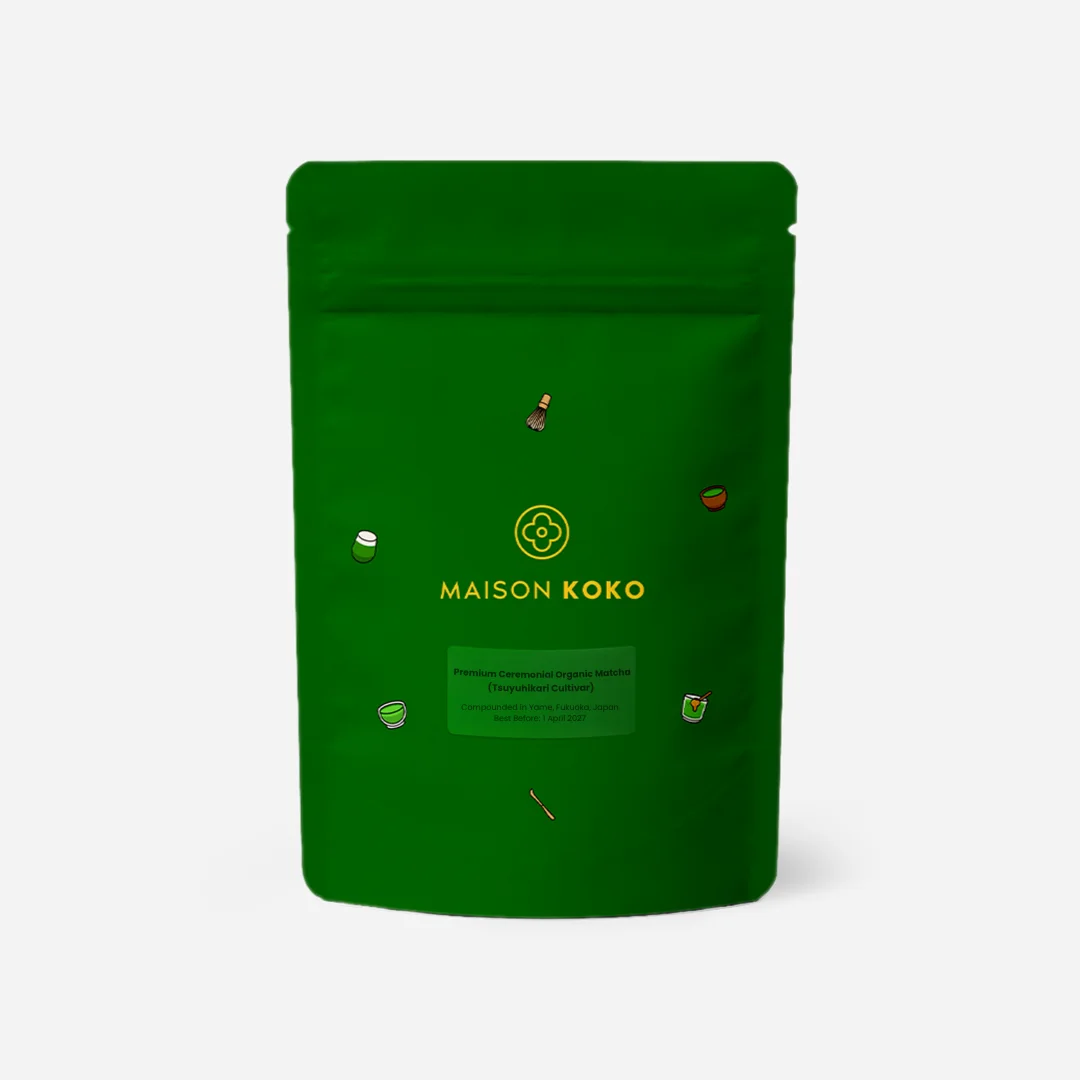
  • Tsuyuhikari — a less widely grown cultivar with a distinct profile.
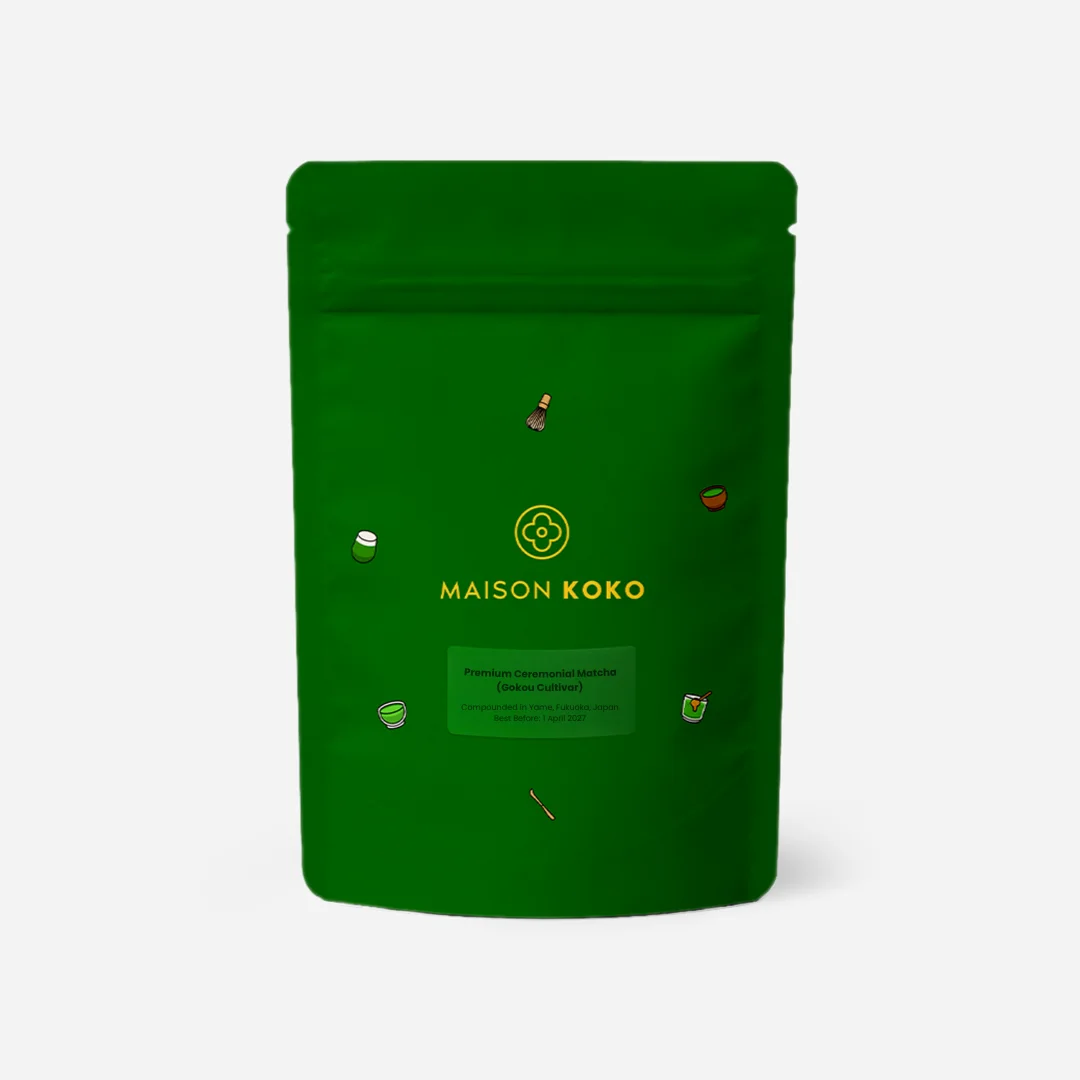
  • Gokou — prized for pronounced umami and a covered-tea character.
  • Samidori — a classic Uji matcha cultivar.
  • Seimei and Yabukita — the latter Japan's most widely planted variety.

Competition and premium tiers

  • Uji Competition Grade (Tenkei) — the top of the range, tied to Uji.
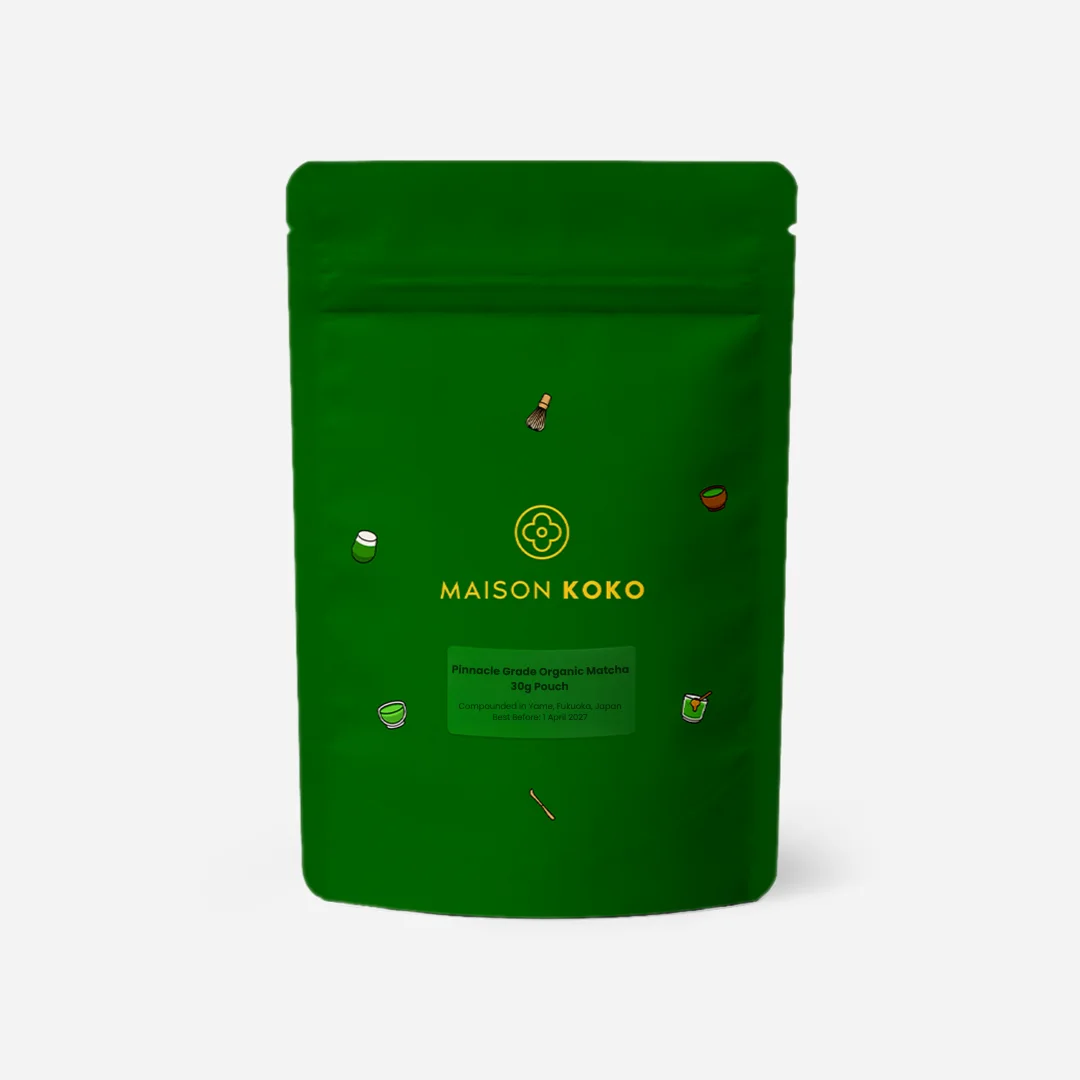
  • Pinnacle Grade Organic, Imperial Grade, Gold Award, Premium (Superior) and Premium (Uji).

Traditional and house blends

  • Mukashi-style blends — Uji Mukashi, Kokonoe no Mukashi, Manyo no Mukashi, Chiyo Mukashi and Kamo Mukashi.
  • House blends — Mori no Shiro, Kaguyama, Koiai, Nono, Kogamo, Signature, Everyday, Shizuoka, Uji, Latte and 1st Harvest.

Beyond matcha

The brand also sells hojicha powder from Shizuoka and Uji, a matcha latte mix, and botanical and functional powders — hibiscus, blue butterfly pea, ube, collagen peptides and mushroom blends — plus whisks, scoops, sifters, bowls and mixer bottles.

Harvest location

Maison Koko states that every cultivar it sells is traceable to one of four Japanese regions — Uji, Yame, Shizuoka and Miyazaki — and it names its Uji supplier, which very few retailers do.

Uji, via Tsujirihei Honten

The competition-grade Tenkei lot and the traditional mukashi blends come from Tsujirihei Honten, a Uji tea house founded in 1860, under what the brand describes as an exclusive partnership. Uji, in Kyoto Prefecture, is the historic centre of Japanese matcha and the origin most associated with competition-grade tea. The Tenkei lot is described as an honzu (traditionally shaded) tea combining the Asahi, Ujihikari and Samidori cultivars.

Yame, Fukuoka

Yame supplies the Gold Award and Pinnacle Grade organic lots. Note that the Gold Award product is a Yame matcha, not a Uji one — the two are separate lines.

Why seven cultivars matters

Cultivar is one of the strongest drivers of a matcha's character, yet most brands never disclose it. Offering Okumidori, Saemidori, Tsuyuhikari, Gokou, Samidori, Seimei and Yabukita side by side lets a drinker taste that variable directly — from the pronounced umami of Gokou to the restrained sweetness of Okumidori — instead of choosing on grade and price alone.

Maison Koko History

Maison Koko was founded by Gina Kim, a fashion designer who launched her own label in Brisbane in 2003 and won the RAQ Australian Fashion Supreme Award before moving into tea. The brand describes its origins as “four cultures, one obsession” — sparked in Paris, rooted in Korea, and sourced from Japanese tea fields.

It trades as Maison Koko Pty Ltd (ABN 91 679 403 902), an Australian company registered in July 2024, and operates from the Gold Coast, Queensland. It ships across Australia, Hong Kong, Singapore, the United Kingdom, the United States and Canada, and runs a wholesale programme for cafés, retailers and hotels. The brand does not itself publish a founding year.

January 1, 2003

Founder Gina Kim launched her own fashion label in Brisbane, establishing the design background that later shaped Maison Koko’s visual and product identity.

July 1, 2024

Maison Koko Pty Ltd was registered in Australia in July 2024 under ABN 91 679 403 902, formalising the Gold Coast-based tea business.

Frequently asked questions

Here are some frequently asked questions and answers.

Which cultivars does Maison Koko sell?

Seven, which is exceptional for a matcha retailer: Okumidori, Saemidori (organic), Tsuyuhikari, Gokou, Samidori, Seimei and Yabukita. Cultivar is one of the strongest drivers of a matcha's character but most brands never disclose it, so having seven side by side lets you taste that single variable directly rather than choosing on grade and price alone.

Who founded Maison Koko, and where is it based?

Maison Koko was founded by Gina Kim, a fashion designer who launched her own label in Brisbane in 2003 and won the RAQ Australian Fashion Supreme Award. Despite the French name and its “four cultures, one obsession” framing, the business is Australian: it trades as Maison Koko Pty Ltd (ABN 91 679 403 902), registered in July 2024, and operates from the Gold Coast in Queensland.

Who actually supplies Maison Koko's Uji matcha?

Tsujirihei Honten, a Uji tea house founded in 1860, under what Maison Koko describes as an exclusive partnership. It supplies the competition-grade Tenkei lot and the traditional mukashi blends. Naming the producer is rare among matcha retailers and makes the Uji side of the range genuinely traceable. The Yame lots are sourced separately and the supplier there is not named.

What is competition-grade matcha?

Competition-grade refers to matcha selected for the standard expected at Japanese tea competitions, typically the finest lots a producer makes. Maison Koko's Uji Competition Grade Tenkei sits at that tier and ties to Uji in Kyoto Prefecture, the historic centre of matcha production. It is intended for tasting on its own rather than for lattes.

What does “mukashi” mean in matcha names?

Mukashi is a conventional element in traditional Japanese matcha blend naming — Maison Koko sells Uji Mukashi, Kokonoe no Mukashi, Manyo no Mukashi, Chiyo Mukashi and Kamo Mukashi. It signals a named house blend in the traditional style rather than a specific cultivar or grade, so the profile depends on the producer's blending rather than on the word itself.

Does Maison Koko sell anything besides matcha?

Yes. Alongside its matcha the brand sells hojicha powder from Shizuoka and Uji, a matcha latte mix, and a range of botanical and functional powders — hibiscus, blue butterfly pea, ube, collagen peptides and mushroom blends — plus whisks, scoops, sifters, bowls and mixer bottles.