Single-Origin Matcha: Terroir from One Growing Area
Definition of Single-Origin Matcha
Learn more



Frequently asked questions
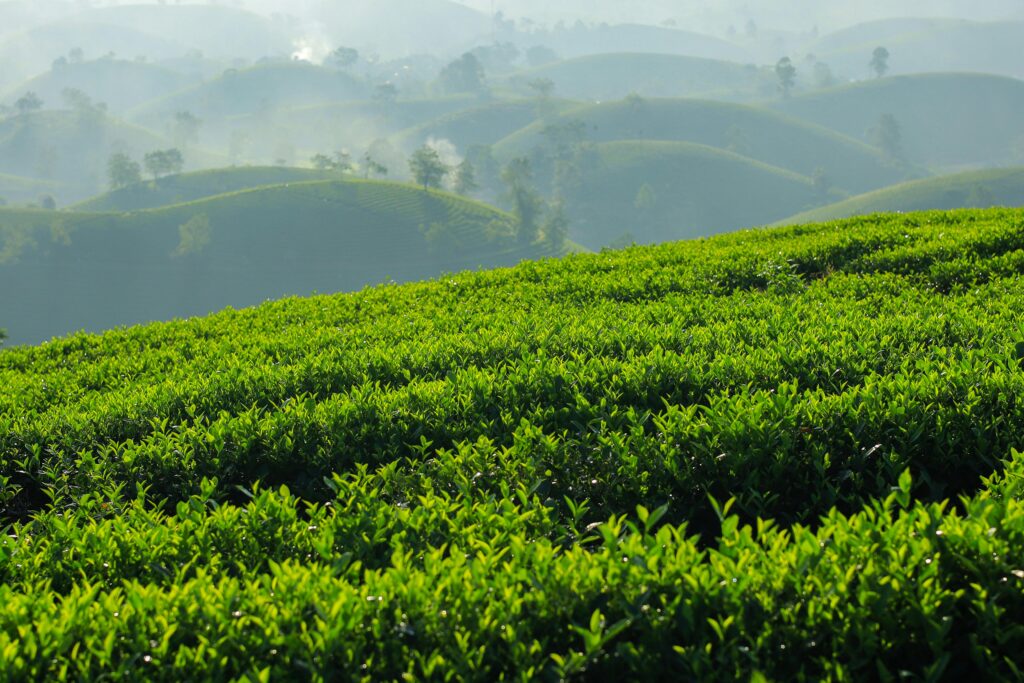
Single-origin matcha refers to matcha made exclusively from tea leaves grown in one specific geographic location, which can range from an individual farm to a broader region or prefecture in Japan. Unlike blended matcha that combines leaves from multiple sources, single-origin matcha showcases the unique terroir and characteristics of its specific growing location. This designation emphasizes traceability and purity of origin, allowing drinkers to experience the distinctive flavor profile shaped by that area's soil composition, climate conditions, altitude, and local farming traditions.
Single-origin matcha displays strong, distinctive flavor notes that directly reflect its specific growing region's terroir, while blended matcha offers a balanced, consistent taste achieved by combining leaves from multiple locations or cultivars.
- Single-origin characteristics: Pronounced regional flavors that may vary between harvests, showcasing unique umami depth, sweetness, or vegetal notes specific to one location
- Blended matcha traits: Smooth, harmonious flavor designed for consistency across seasons, with balanced sweetness and minimal bitterness
- Variability factor: Single-origin may change year-to-year based on growing conditions, while blends maintain stable taste profiles
Several Japanese regions are renowned for producing exceptional single-origin matcha, each with unique characteristics:
- Uji (Kyoto): The birthplace of matcha, famous for rich umami, exceptional smoothness, and traditional production methods
- Nishio (Aichi): Known for vibrant green color and well-balanced flavor profiles with natural sweetness
- Kagoshima (Kirishima): High-altitude volcanic soil and ocean fog create rich, complex flavors ideal for organic farming
- Yame (Fukuoka): Premium quality with deep umami and refined sweetness from traditional cultivation
- Shizuoka: Japan's largest tea-producing region offering diverse terroir-driven profiles
Choosing single-origin matcha appeals to those seeking an authentic, terroir-expressive experience that highlights the unique characteristics of a specific region or farm. Single-origin matcha is particularly valued in traditional tea ceremonies for its purity and strong character, allowing practitioners to appreciate the unmasked qualities of one location's production. It offers superior traceability and transparency about origin, which matters to consumers interested in supporting specific farms or regions. Additionally, single-origin matcha provides an educational tasting experience for those exploring how different Japanese regions produce distinct flavor profiles, though it may have harvest-to-harvest variability and typically commands higher prices than blends.
Verification requires examining several indicators:
- Producer transparency: Reputable sellers provide specific details about the farm name, prefecture, or region where leaves were grown
- Certifications: Look for JAS (Japanese Agricultural Standard) organic certification or other quality marks that document origin
- Cultivar information: Single-cultivar matcha (like Yabukita or Okumidori from one location) adds another layer of traceability
- Packaging details: Authentic single-origin products typically list the specific growing region prominently on labels
Direct relationships with producers or purchasing from specialty matcha retailers who prioritize transparency offer the best assurance of genuine single-origin sourcing.
Blended matcha often serves as a better starting point for beginners because it offers consistent, balanced flavor that's less likely to overwhelm new palates, and it's typically more affordable for experimentation. Single-origin matcha's pronounced regional characteristics and potential harvest variability may be challenging to appreciate without a reference point. However, once familiar with basic matcha flavor profiles, exploring single-origin options becomes valuable for understanding how terroir influences taste and discovering personal regional preferences. For everyday drinking or culinary applications, blends provide reliable results, while single-origin matcha suits ceremonial preparation or dedicated tasting sessions where distinctive characteristics can be fully appreciated.