What the Matcha Supply Chain includes
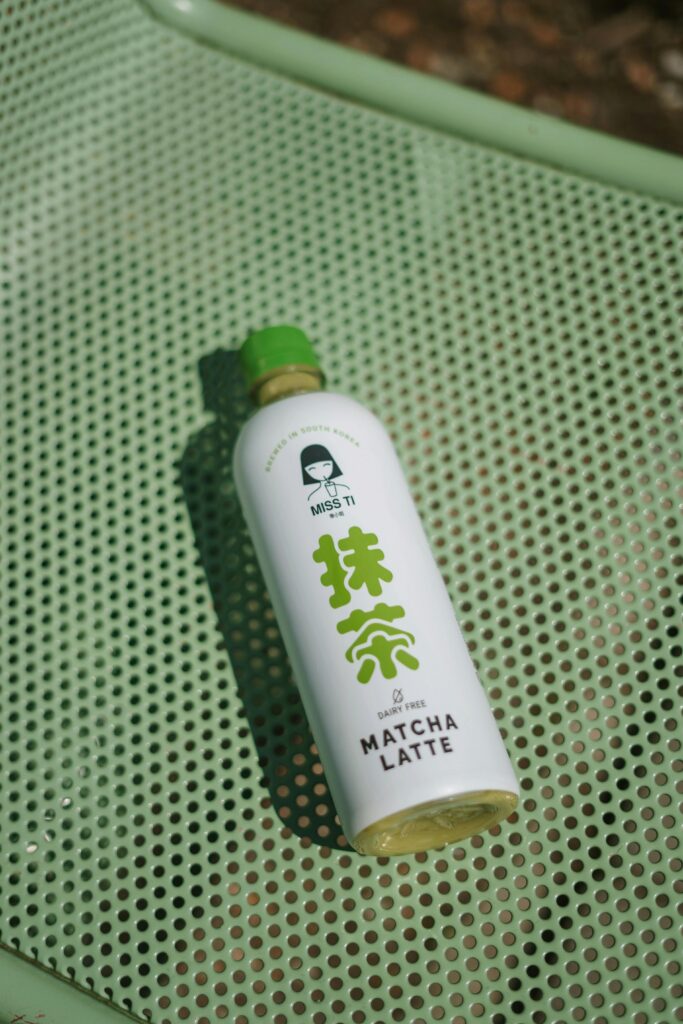
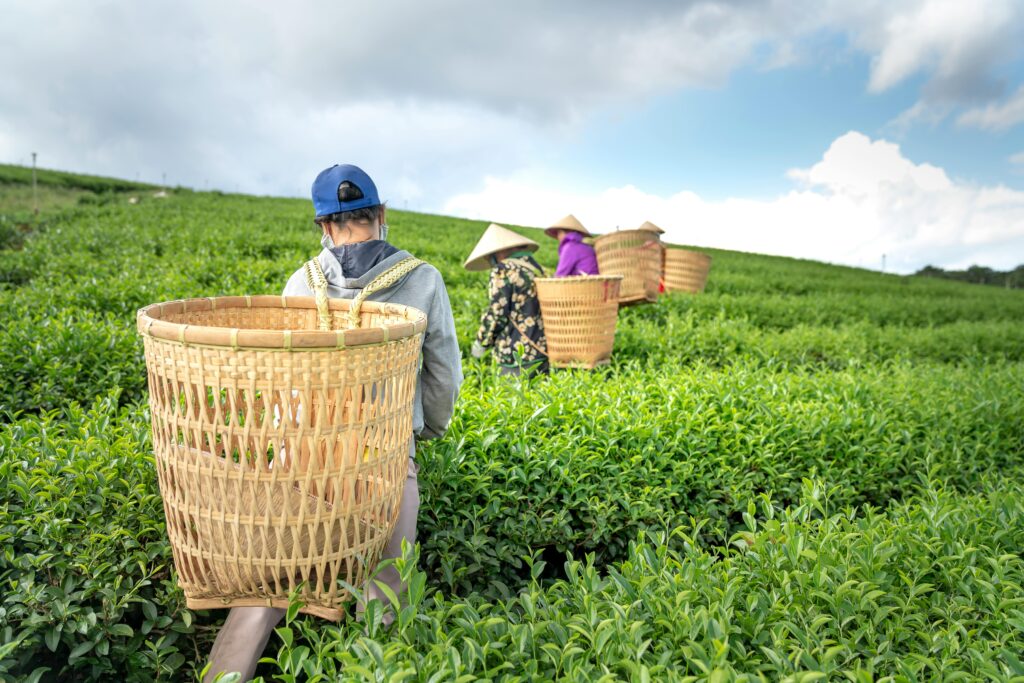
The chain connects cultivation to the powder a buyer receives: growing and harvesting, processing material for matcha, purchasing and finishing, storage, milling, packing and distribution. These functions need not belong to one business. A retail brand is not necessarily the grower or miller.
The Kyoto Prefectural Tea Industry Chamber offers a regional model distinguishing these functions. Merchants may buy at markets, directly from producers or from other merchants. This is more informative than assuming one fixed farm-to-shop route.
Leaf production and powder production differ
Omotesenke describes steaming, drying, breaking up leaf, separating it from stems and grinding. Where the leaf grew does not necessarily identify where it was finished, milled or packed. A supplier can document these places separately.
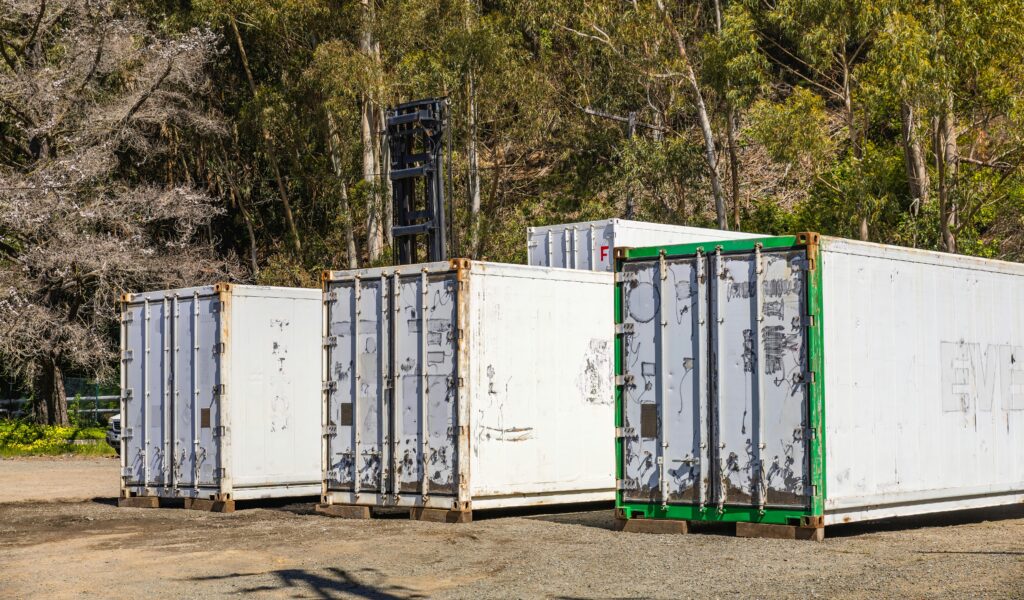
A harvest year is not a milling date. Storage can occur before finishing or milling. The Chamber emphasizes protection from heat, sunlight and moisture. Ask what form the tea was stored in, under which conditions, and when the package was sealed—not just how many businesses handled it.
Trace a lot rather than a brand story
Request a lot identifier connecting the specification to the supplied package. Where available, retain origin, crop details, processing and milling records, packing date, storage instructions and dispatch documentation. A test report should match the lot or explain the sampling relationship.
This is a buyer’s checklist, not a claim that every small producer publishes all internal records. State gaps accurately. Direct sales can be transparent but do not automatically prove faster milling or better storage. A merchant can contribute finishing and blending expertise rather than merely an unexplained markup.
Quality is not a regional ranking
Do not read Uji as automatically the best tea or Kagoshima as automatically culinary material. An origin identifies geography, not a complete sensory specification. Compare identified lots in their intended preparation.
Industrial milling does not by itself prove nutrient destruction. Process claims need evidence about equipment, operating conditions and the actual product. A stone-milled claim may describe a process but cannot replace evaluating the powder and its handling history.
Separate a supplier delay from a general shortage
An order can be delayed at raw-material allocation, finishing, milling, packing or transport. Ask which stage constrains this order and when the estimate was made. A packing delay at one supplier is not evidence that packaging is the entire industry’s largest bottleneck.
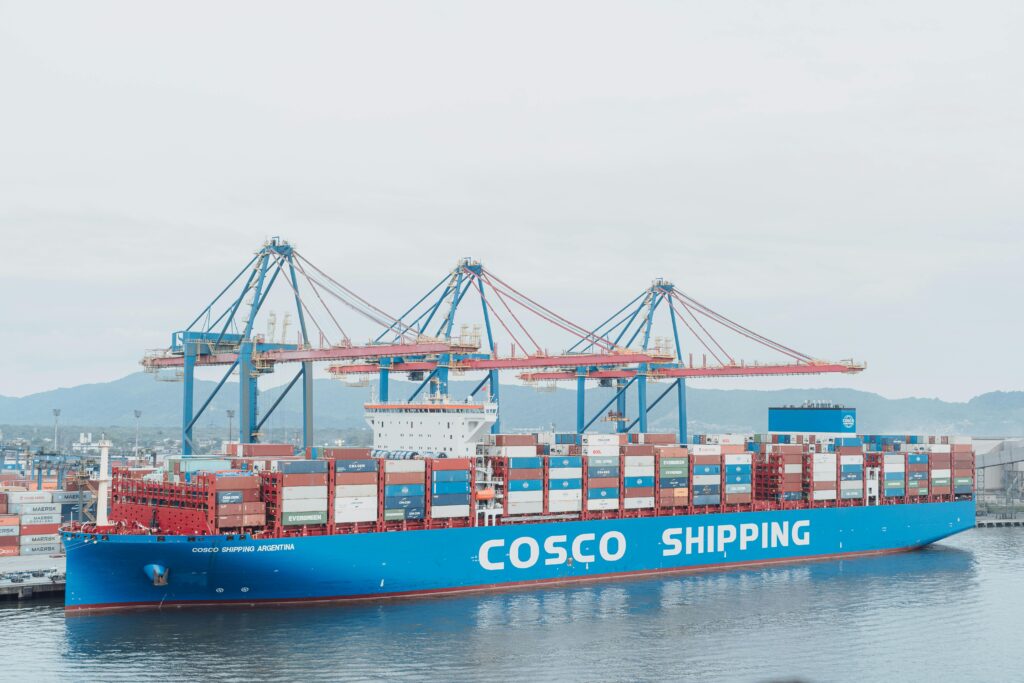
Crop-loss percentages require a date, defined region, tea category and comparison period. Avoid treating a shortage headline as a permanent property of matcha. For imports, specify the delivery rule and named place as well: transport-risk allocation is separate from how the tea was made.
Sources and scope
How Uji tea is made (Kyoto Prefectural Tea Industry Chamber). Matcha (powdered green tea) (Omotesenke Fushin’an).