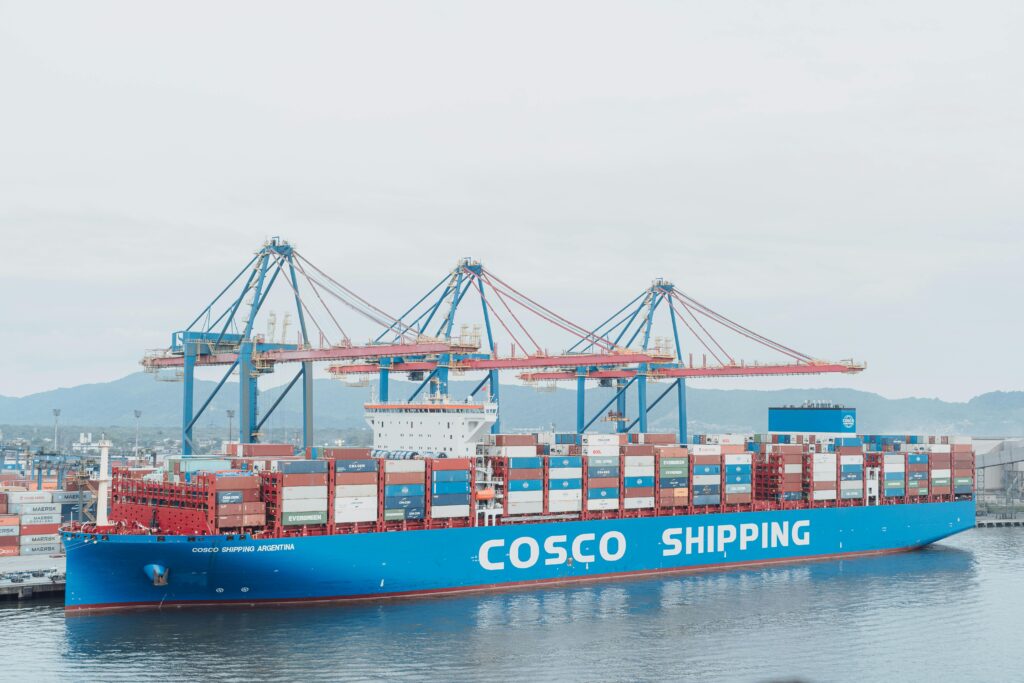
What FOB Price means
Under Incoterms 2020, Free On Board means the seller delivers on board the buyer-nominated vessel at the named shipment port. This is the ordinary point of risk transfer. ICC Academy also explains exceptions when the buyer fails to provide required vessel information or the nominated vessel fails to take the goods as agreed. The modern rule is on board, not the older ship’s-rail shorthand.
Name the shipment port and rule version in the agreement. A matcha quote still needs product specification, quantity, packaging and shipment period. FOB does not supply those commercial details.
What the parties arrange
The seller handles delivery on board and export formalities. The goods price may reflect production and packaging, but Incoterms does not prescribe manufacturing cost or profit margin. The buyer arranges main carriage and should consider insurance and destination charges.
Align the sales and freight agreements. Import clearance, duties or taxes, handling, storage and onward delivery can all affect final cost. Obtain actual route and consignment quotations rather than assuming a universal container price, insurance percentage or matcha capacity.
CIF does not retain risk until arrival
ICC Academy explains that CIF requires the seller to pay carriage and insurance to the destination port, while risk passes when goods are loaded on board at the shipment port. Cost allocation and risk transfer are different questions.
Therefore a CIF seller does not ordinarily retain transit risk until arrival. The seller arranges insurance for the buyer’s risk, subject to the required cover and policy. This neither guarantees undamaged arrival nor means every loss will be paid. Verify coverage and agreed extensions.
Does FOB fit the actual transport?
FOB is for sea or inland waterway transport, not an air-courier parcel. Containers often enter a carrier’s custody at a terminal before vessel loading. ICC Academy identifies FCA as typically more suitable for containerized goods.
Under FCA the named place and delivery arrangement establish handover to the carrier or nominated person. Do not switch abbreviations casually: have the contracting parties and forwarder match the rule to the physical handover. Matcha grade or value does not decide which rule fits.
Comparing quotations
Confirm that tea specification, net quantity and packing match. Record the rule, named place, currency, validity and shipment window. List included and excluded charges to avoid double counting, then obtain current freight, insurance and destination estimates.
Confirm required documents for the commodity and destination. Export formalities do not mean that every matcha shipment needs the same phytosanitary certificate or certificate of origin. Verify actual requirements rather than treating a generic checklist as customs advice.
A practical risk check
In an illustrative FOB transaction, damage before on-board delivery and damage during the sea voyage fall on different sides of the ordinary risk-transfer point. Document handover and insurance arrangements. A real claim still depends on contract terms, carrier obligations and circumstances; this glossary is not a legal determination of a dispute.
Sources and scope
Incoterms® 2020: FCA or FOB? (ICC Academy). Incoterms® 2020: CIP or CIF? (ICC Academy).