Definition of Storage Conditions

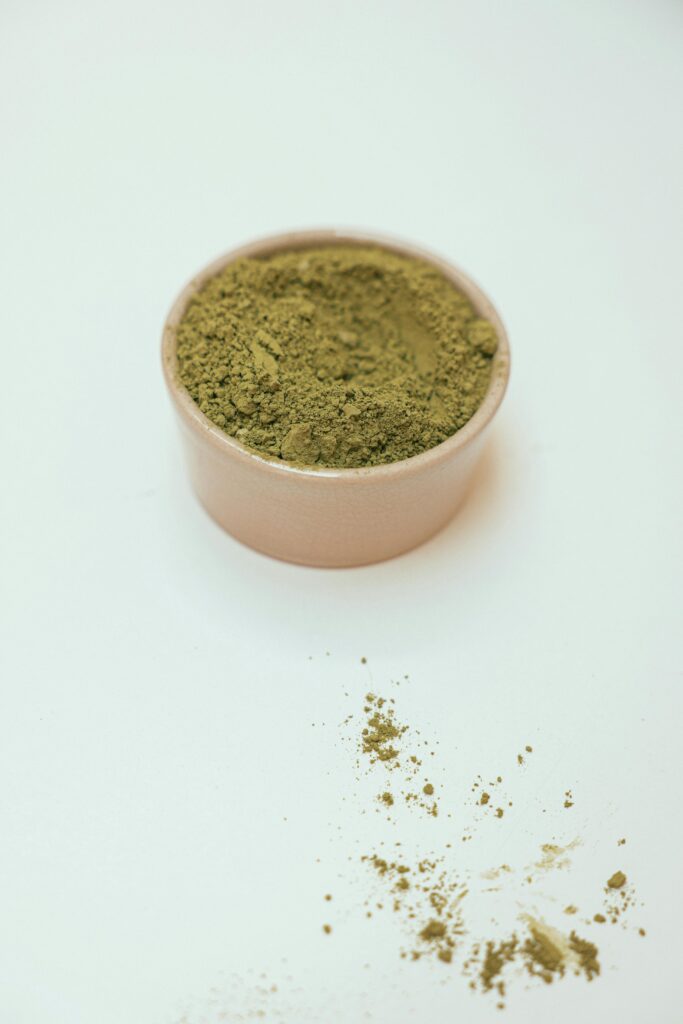
Storage Conditions are the temperature, light, air, moisture and odor exposures surrounding stored matcha. Keeping the powder well sealed and protected helps preserve its color and flavor; if it is refrigerated or frozen, the closed package should warm to room temperature before opening to limit condensation.

1 term related to Storage Conditions

Learn more

Defining Matcha Storage Conditions

Matcha storage is chiefly about protecting the powder from heat, light, moisture, air and surrounding odors. These exposures can diminish its fresh aroma, flavor and green appearance. Good storage slows quality loss; it does not restore tea that is already stale.

The Four Critical Storage Factors

Keep the package out of direct sunlight and away from heat sources. An opaque, well-closed package in a cool cupboard protects against light and limits air exposure. Use clean, dry utensils and keep the container away from steam, wet countertops and strong-smelling foods.

Moisture can contribute to clumping, but clumps alone do not prove spoilage: fine matcha also naturally aggregates. There is no universal household relative-humidity threshold that tells you whether an individual package is safe or fresh.

Temperature Control and Refrigeration

Producer instructions differ. Marukyu Koyamaen recommends refrigeration for its matcha, including opened pull-top cans. Ippodo Tea says room temperature is fine when tea is protected from sun, heat, humidity and strong smells. Follow the instructions for your product and consider the actual conditions in your kitchen rather than treating 0–5°C as mandatory for all matcha.

If you refrigerate or freeze matcha, leave the package closed until it reaches room temperature before opening. This limits condensation on cold powder. Opening the cold tin quickly does not remove that risk. Keep refrigerated packages tightly sealed against moisture and food odors.

Shelf Life Expectations and Timeline

Use the package’s best-before date and the seller’s guidance after opening. Packaging, storage history and the particular product affect how long desirable flavor lasts; a single unopened or opened lifetime cannot cover every matcha. Marukyu Koyamaen advises consuming opened matcha promptly rather than specifying one universal window.

Buying a quantity you can use without lengthy storage reduces repeated exposure. Marking the opening date on the package is a practical reminder, not a replacement for its label instructions.

Container Selection and Handling

Keep a sound original barrier bag if it closes well. Ippodo recommends rolling and clipping the inner bag between uses, keeping it in the can where applicable. A clean, odor-free outer tin can add light protection. Repeated transfers to smaller jars are not essential and add handling.

Return dry utensils to a dry storage area, close the tea promptly after measuring, and do not sift or scoop it over a steaming kettle. These simple habits reduce avoidable exposure without a humidity meter or special storage system.

Signs of Improper Storage

Fading color and diminished aroma can indicate loss of quality, but sensory appearance cannot certify food safety. If the package has become wet or mold is suspected, do not try to rescue the tea by sifting it; stop using it and ask the supplier for guidance. Review the storage location before opening a replacement.

Sources

Sources and references

References supporting this page are listed below. Source access dates and supported claims are recorded in the evidence notes where available.
About Matcha, How to Store Tea, and Growing and Processing of Matcha
Accessed: 2026-09-08
Language: en

Fine matcha coalesces and benefits from sifting; heat, humidity, light, air and odors impair quality; this maker recommends refrigeration and warming sealed cold packages before opening; tencha batches are assessed by appearance, flavor, aroma and color before blending.

How should I store my tea?
Accessed: 2026-09-08
Language: en

Room-temperature storage is acceptable away from sun, heat, humidity and strong smells; roll and clip the inner bag between uses.

Updated on September 8, 2026
Portrait of Emilie Schol, Founder of Best Matcha

Emilie Schol

Founder of Best Matcha

Frequently asked questions

Here are some frequently asked questions and answers.

What temperature should matcha be stored at to maintain freshness?

Follow the maker’s instructions. Marukyu Koyamaen recommends refrigeration for its matcha, while Ippodo permits protected room-temperature storage. In either case avoid heat, sun, humidity and strong odors; warm a refrigerated package while still closed before opening.

Why does matcha need to be kept away from light and moisture?

Light exposure can dull the tea’s appearance, and moisture encourages clumping and unwanted deterioration. Keep matcha in well-closed packaging away from sunlight and steam, using only dry utensils.

How long does matcha stay fresh under different storage conditions?

Use the package’s best-before date and maker’s after-opening advice. Packaging and handling vary, so there is no dependable lifetime for every matcha. Buy manageable quantities and note when you open them.

Can refrigerating or freezing matcha damage its quality?

Cold storage can preserve quality, but opening a cold package exposes it to condensation. Let it warm to room temperature while sealed. Follow the producer’s instructions for freezing and protect the package from moisture and food odors.

Which container types work best for storing matcha long-term?

Use well-sealed, light-protective and odor-free packaging. A sound original barrier bag inside its tin is often suitable; Ippodo recommends rolling and clipping the inner bag rather than leaving it open.

Does poor storage affect matcha's nutritional benefits and flavor profile?

Poor storage can change color, aroma and flavor. The extent of any nutrient loss depends on the product and conditions; a fading color or clump count cannot quantify it. Storage advice should not be turned into claims of preserved medical benefits.