Hwagae: Hadong Tea History and Growing Practices
Hwagae is Hadong’s historic mountain tea area. Understand its farming practices, the recorded 828 planting story and limits of matcha claims.Definition of Hwagae
Hwagae is a tea-growing township in Hadong County, South Korea, associated with rocky fields near Jiri Mountain. Its traditional tea agricultural system has FAO heritage recognition. The name identifies a local origin and farming culture, not proof that a powder was made from shaded tencha.
Learn more
Hwagae within Hadong
Hwagae, or Hwagae-myeon, is a tea-growing township in Hadong County, South Korea. It is the specific locality named in the Traditional Hadong Tea Agrosystem recognized by FAO. Hadong is the county-level name; Hwagae gives a more local geographical context. Neither should be used as a substitute for an identified farm when tracing a product.
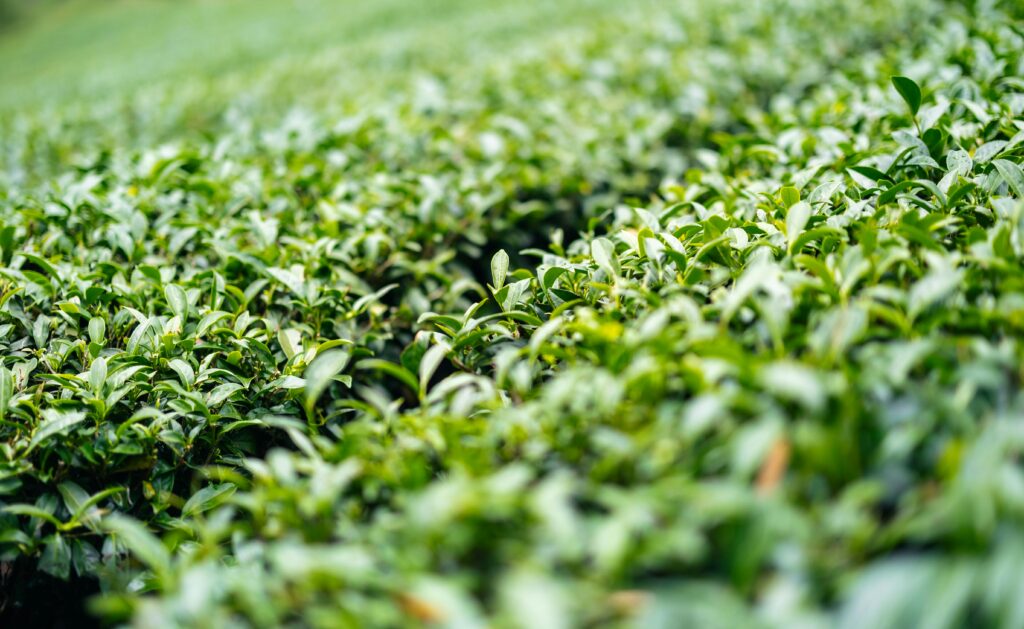
FAO’s profile of the system describes Hwagae Stream, the Seomjin River, steep land and tea fields among rocks around mountain temples. The tea landscape developed in a setting where conventional agriculture could be difficult. This is a more grounded explanation of its character than an unsupported promise that rocky soil concentrates desirable flavor compounds.
What the 828 date means
The Hadong County history page quotes the Samguksagi: in 828, an envoy returning from Tang China brought seeds and the Silla king ordered tea planting at Jiri Mountain. The page also says tea had been known during Queen Seonduk’s reign. The event should be described as a recorded planting account, not the beginning of every form of Korean tea drinking.
Later accounts on the same page describe Hwagae tea tribute and its place in literary and monastic culture. Together, these sources support a long local tea history. They do not establish an uninterrupted matcha manufacturing process, the age of every living tea bush or a genetic pedigree for a commercial batch.
Hand work and a managed mountain landscape
The FAO designation dates to 2017 and documents a system of traditional knowledge, livelihoods and biodiversity. Farmers are not absent from this landscape. The profile describes pruning or shaping tea trees, hand weed management, the use of organic material, hand picking of budding leaves and iron-pot roasting. Calling the tea wild should not erase that human management.
These practices are documented for the heritage system. They should not be turned into universal statements about every current enterprise selling Hwagae tea, or about the absence of all machinery or agricultural inputs. Likewise, an undated heritage profile is not a current matcha production census. Figures for tea households and leaf output need their original scope, year and units before they can be compared.
A tea powder needs a separate process description
Grinding an iron-pot-roasted green tea creates powdered green tea. It does not demonstrate that the material was grown and processed as tencha. The Japan Matcha Association’s process account describes shading, steaming and drying without rolling before the leaves are milled. This makes processing history as important as the place name when comparing powders.
A seller offering Hwagae matcha should be able to identify where the leaves grew and explain the actual pre-harvest and factory steps. Ask whether the item is plain powder or a mixture and whether different origins are blended. Then taste the particular lot rather than assuming mountain heritage guarantees umami, sweetness or a premium grade. Hwagae’s cultural depth is well documented; a powder’s manufacture must be documented separately.
Sources and references

Accessed: 2026-09-08
Language: en
Hwagae-myeon within Hadong; GIAHS designation in 2017; rocky mountain fields, biodiversity, gaengsin, pulbibae, hand picking and iron-pot roasting. Statistical figures on this undated profile are not used.
Accessed: 2026-09-08
Language: en
Local history quotes Samguksagi on tea seeds planted at Jiri Mountain in 828; tea was known earlier; later Hwagae tea tribute and monastic literary traditions.
Accessed: 2026-09-08
Language: en
Matcha process only: shaded leaves, steaming, drying without rolling, and milling tencha; not its speculative history or health claims.

Emilie Schol
Founder of Best MatchaFrequently asked questions
Here are some frequently asked questions and answers.What is the source of Hwagae’s 828 planting story?
What is the source of Hwagae’s 828 planting story?
Hadong County’s history page quotes the Samguksagi account of tea seeds brought from Tang China and ordered planted at Jiri Mountain in 828. The same account says tea was known earlier.
Does Hwagae identify a matcha grade?
Does Hwagae identify a matcha grade?
No. It identifies a local origin and tea tradition. The harvest, raw material and processing of a particular powder determine what can responsibly be claimed about it.