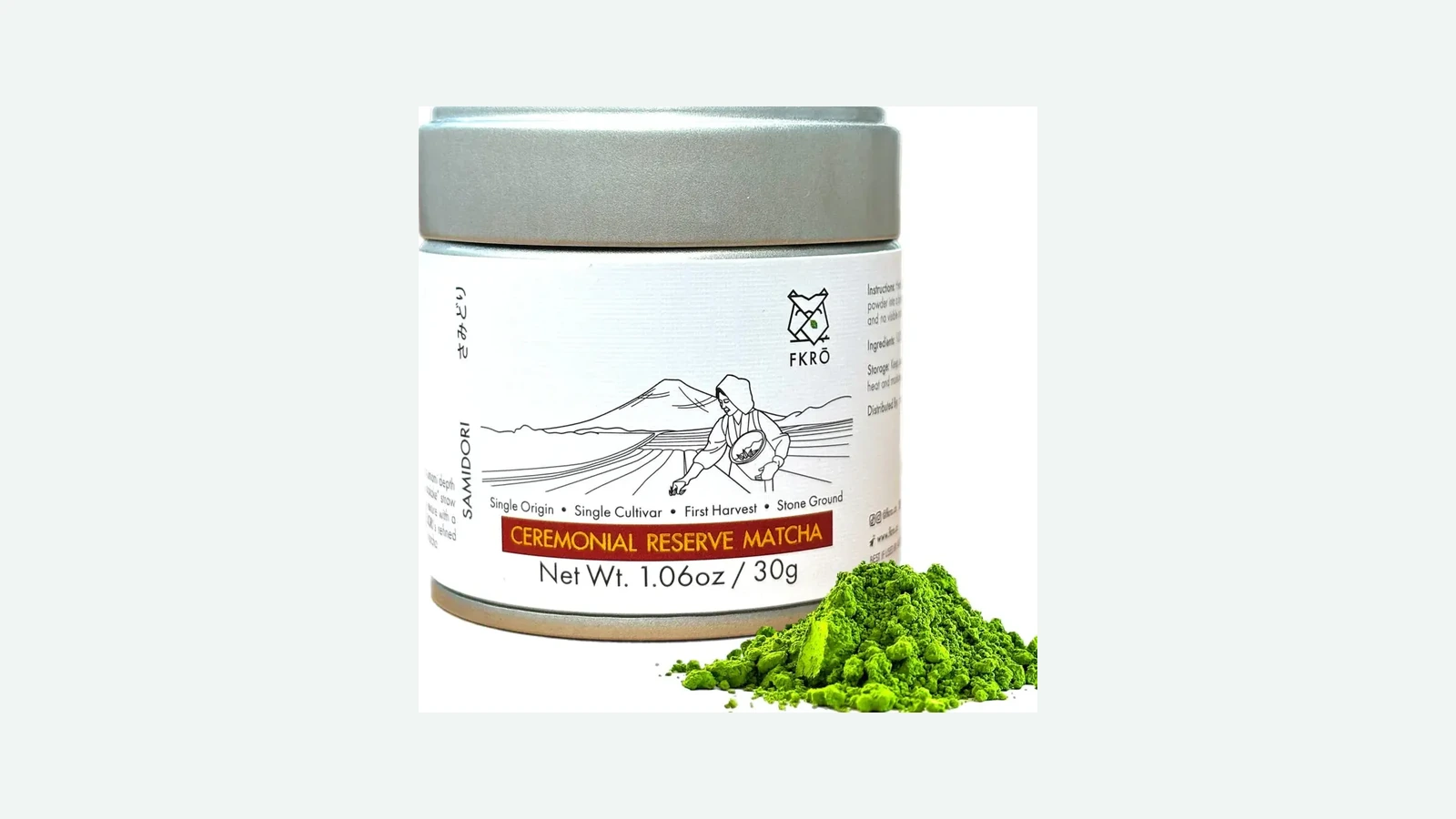
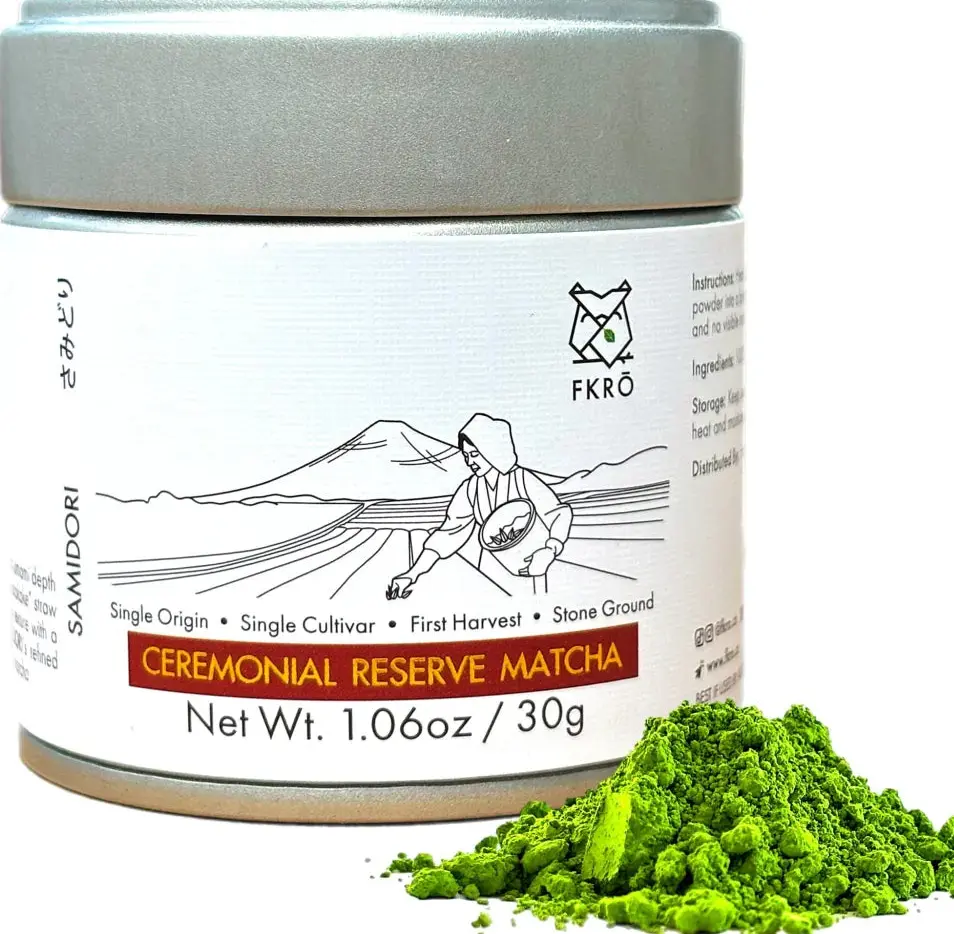
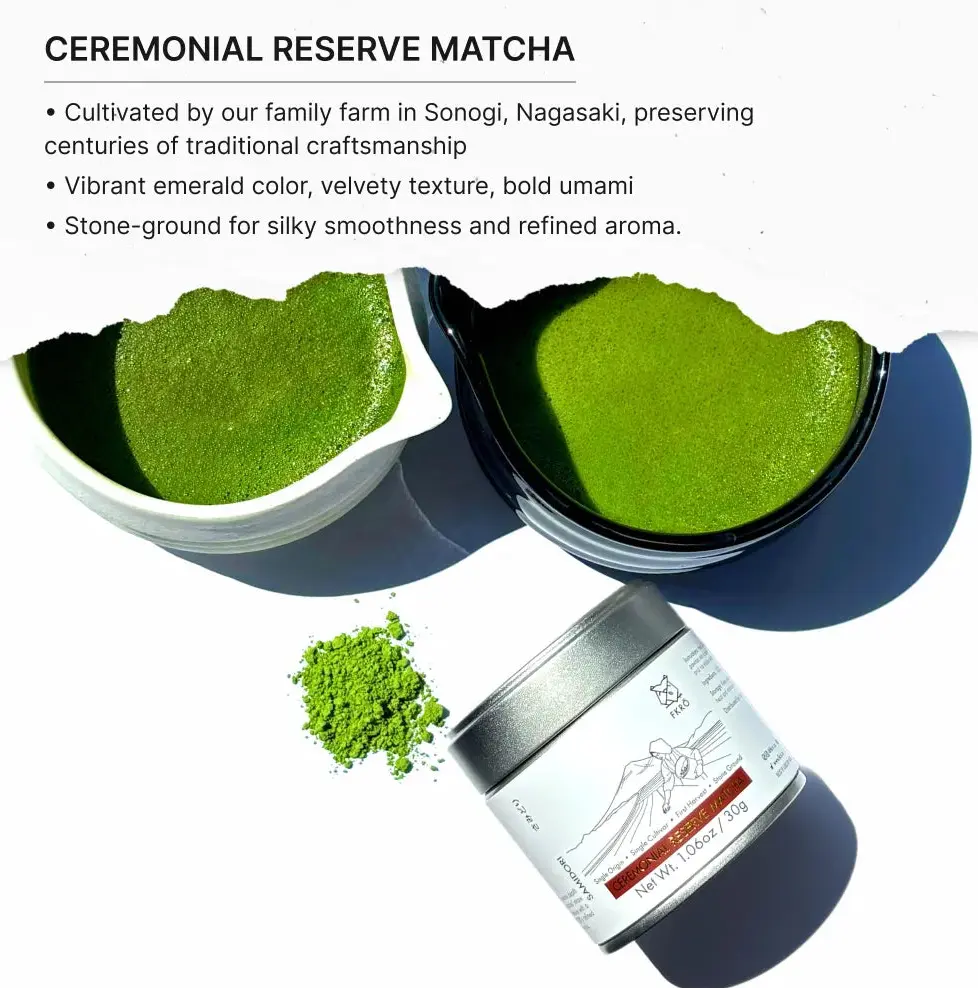
FKRŌ Samidori Ceremonial Reserve Matcha 30 g tin beside a mound of green matcha powder
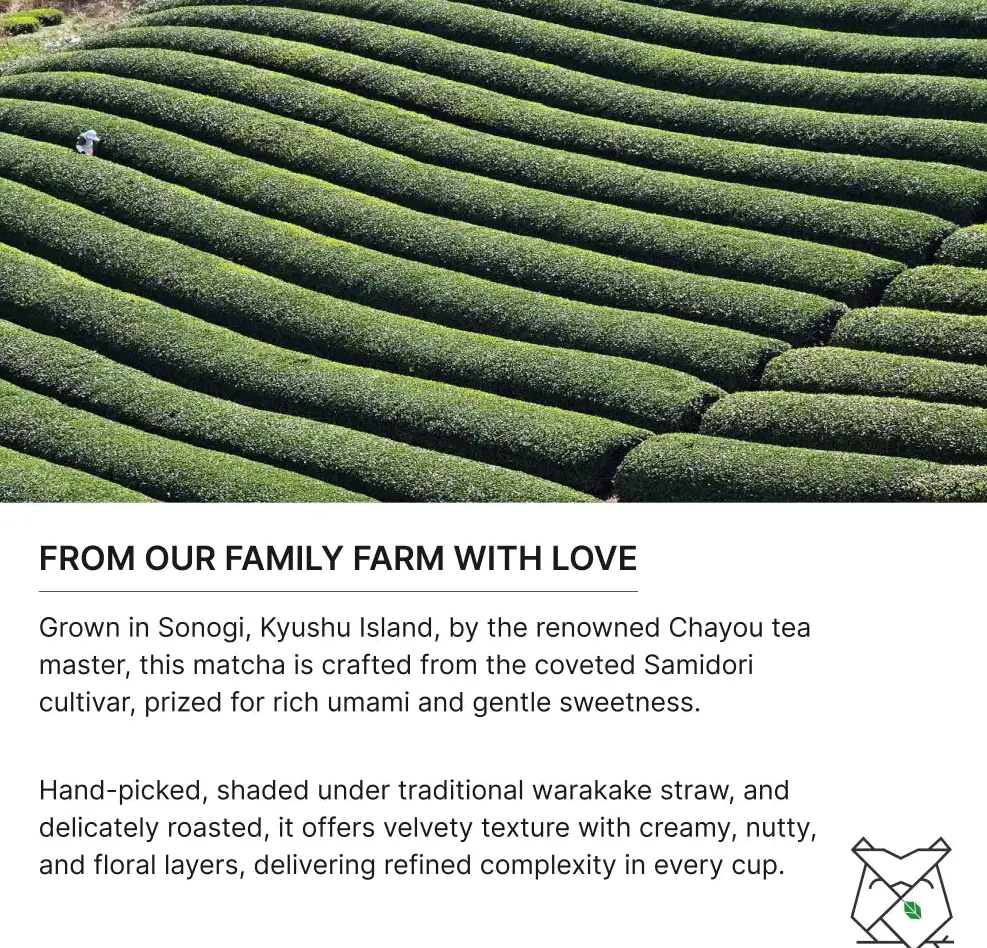
Rows of tea bushes above a branded farm story panel for FKRŌ Samidori Limited Reserve Ceremonial Matcha
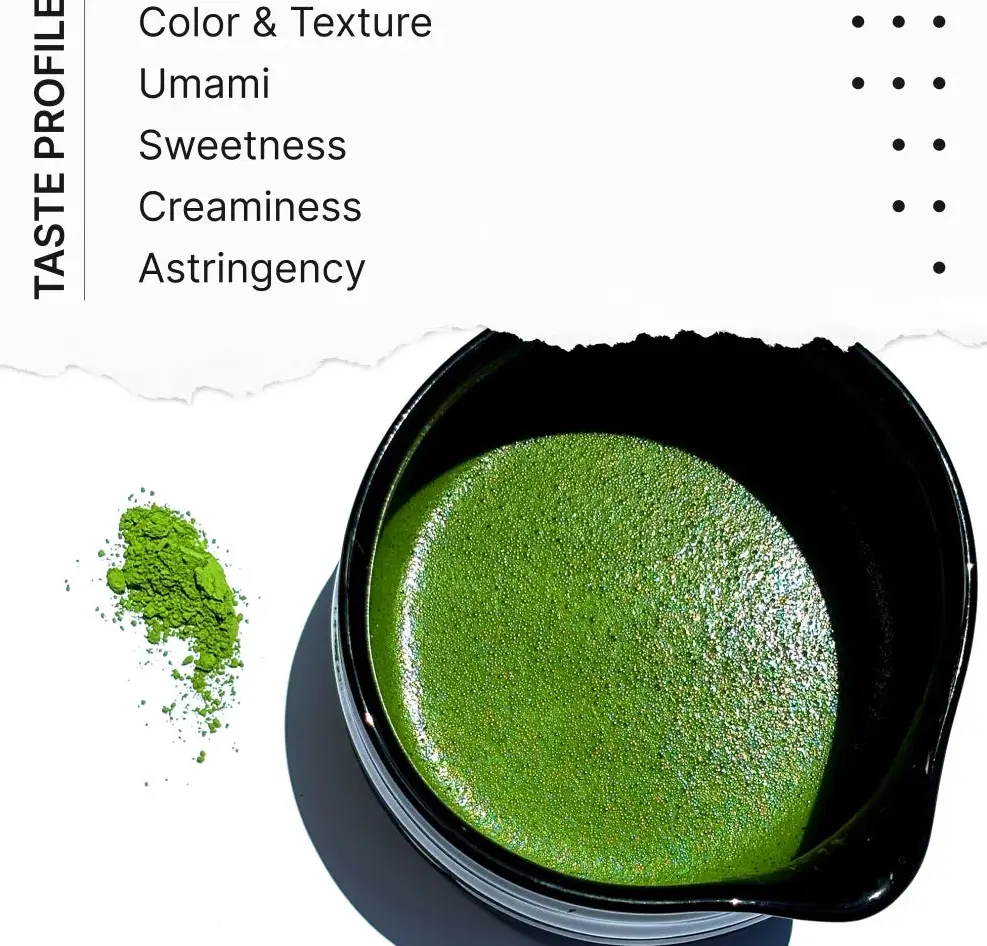
Green whisked matcha in a black bowl beside loose powder and a five-category taste profile
Two open containers of green matcha powder beside a small powder pile and an FKRŌ 30 g tin

FKRŌ Samidori Limited Reserve Ceremonial Matcha

FKRŌ Samidori Limited Reserve ceremonial matcha from Higashi-Sonogi has rich umami, soft sweetness, and creamy nutty-floral notes.
  • Subtotal

    {{ currencyFormat( pricing_summary.total_amount ) }}

Warakake-shaded Samidori matcha for usucha lattes and daily tea

FKRŌ Samidori Limited Reserve Ceremonial Matcha is a single-cultivar, first-harvest matcha from Higashi-Sonogi in Nagasaki, Japan. Made for usucha, it combines rich umami and natural sweetness with a creamy texture, nutty character, and a delicate floral finish.

How does Samidori Limited Reserve taste?

This matcha has a layered profile rather than a single dominant note. Rich umami forms the base, followed by soft sweetness and a creamy texture. Nutty notes add depth, while the finish is delicately floral. Nagasaki’s regional roasting style completes the tea’s flavor profile.

Samidori is a distinct cultivar and should not be confused with Saemidori. This release is centered on Samidori’s natural sweetness and velvety depth.

Where is this Nagasaki matcha grown and processed?

The leaves come from the valleys of Higashi-Sonogi, a tea-growing area in coastal Kyushu. Traditional warakake straw shades the plants for more than three weeks before harvest. The first harvest uses young leaves from the top third of the tea plant.

  • Cultivar: Samidori
  • Origin: Higashi-Sonogi, Nagasaki, Japan
  • Growing method: Conventionally grown
  • Shading: More than three weeks under warakake straw
  • Grinding: Stone-ground to 10–15 microns at 30 g per hour

The matcha is ground in small batches. The slow stone-grinding process is intended to retain its aroma, fine texture, color, and delicate flavor.

How should Samidori matcha be prepared?

Samidori Limited Reserve is crafted primarily for traditional usucha, or thin matcha. Sift the powder into a warmed bowl, add water at 70–75°C (158–167°F), and whisk until frothy. Its stated uses also include traditional tea, matcha lattes, and a daily matcha ritual.

What makes this a limited reserve?

Production is limited to 6,666 cans per year because the matcha comes from a limited annual harvest and is stone-ground in small batches. Each can contains 30 g of ceremonial-grade matcha. Buyers seeking organic matcha should note that this release is not organic; it is conventionally grown.

Reviews

Reviews of the product FKRŌ Samidori Limited Reserve Ceremonial Matcha

Frequently asked questions

Warakake-shaded Samidori matcha for usucha lattes and daily tea Here are some frequently asked questions and answers.

Where does Samidori Limited Reserve Matcha come from?

It comes from the valleys of Higashi-Sonogi in Nagasaki, Japan. This coastal Kyushu tea-growing area also supplies the regional roasting style used to finish the matcha.

Which cultivar is used for this matcha?

It is made from the Samidori cultivar. Samidori and Saemidori are separate tea cultivars despite their similar names.

What does Samidori Limited Reserve taste like?

It has rich umami, natural sweetness, and a creamy texture. Nutty notes lead into a delicate floral finish.

Is Samidori Limited Reserve organic?

No, this matcha is conventionally grown. The product is not organic.

How is this Samidori matcha shaded and processed?

The tea plants are shaded under traditional warakake straw for more than three weeks. After harvest, the leaves receive Nagasaki’s regional roast and are stone-ground in small batches.

How do you prepare Samidori Limited Reserve as usucha?

Prepare it as usucha by sifting the matcha into a warmed bowl, adding water at 70–75°C (158–167°F), and whisking until frothy.

What can this matcha be used for?

It is intended for traditional tea, usucha, matcha lattes, and a daily matcha ritual. Its creamy, sweet, umami-rich profile supports each of these stated uses.

What format is available and why is production limited?

It is sold in a 30 g can, with annual production limited to 6,666 cans. The release uses a limited harvest and small-batch stone grinding.

Affiliate disclosure: Best Matcha earns a commission from purchases made through the affiliate links on this page, at no additional cost to you. This never influences our ratings, reviews or editorial decisions.