Browse the Best Matcha blog
Last article posted on September 25, 2026
Matcha 101: The Complete Beginner’s Guide
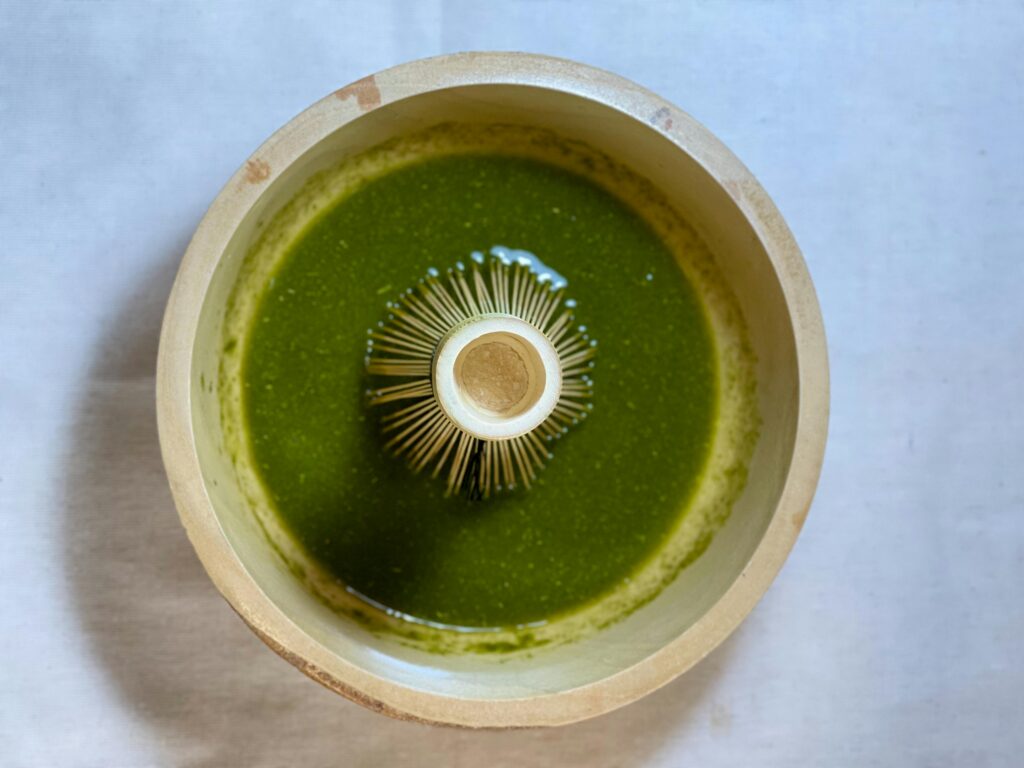
Definition of Matcha Powder
Learn what makes matcha special: shade-grown tea leaves stone-ground into fine powder. Discover quality grades, prices & how to spot authentic matcha.
First Matcha Purchase Guide
Before you buy matcha, get familiar with the basic grades, normal pricing, and dead giveaways of low-quality powder. Saves you money and disappointment.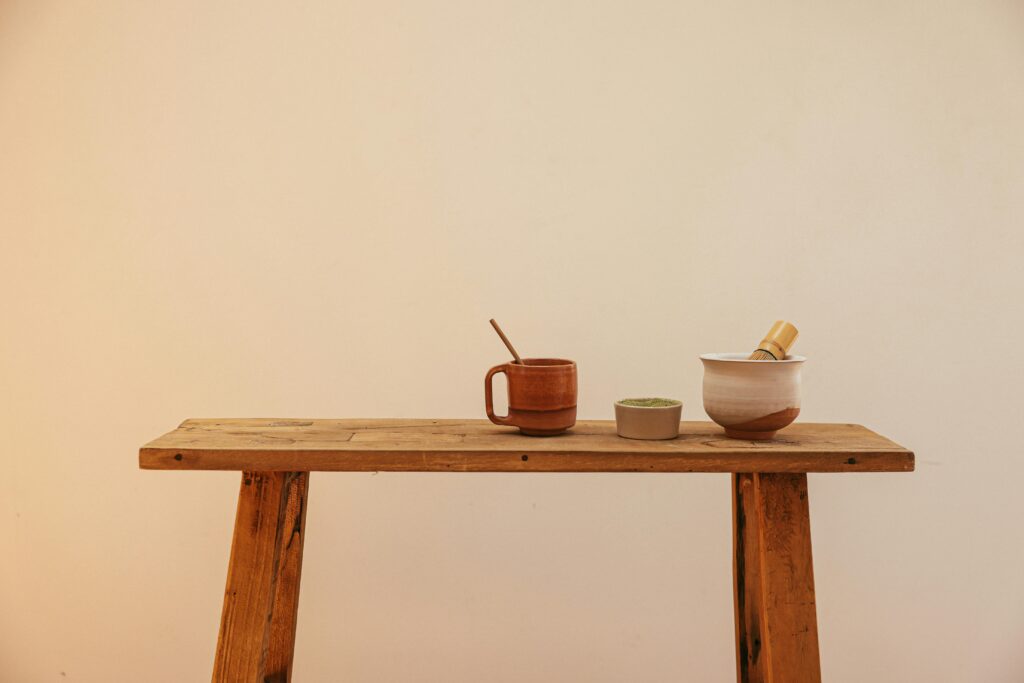
Quality Budget-Friendly Matcha
Enjoy quality matcha on a budget with smart buying strategies. Learn where to save, bulk buying tips, and make your favorite matcha tin last longer.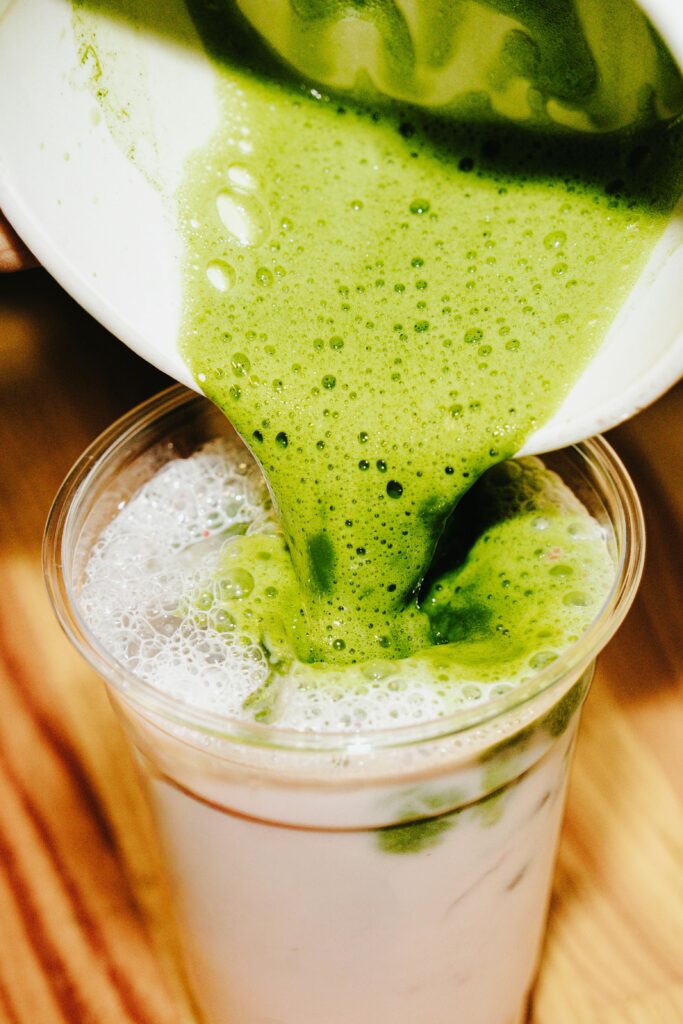
Difference Between Matcha and Green Tea
Matcha delivers dramatically more antioxidants and a smoother caffeine/L-theanine balance than steeped green tea. See the real research behind the numbers.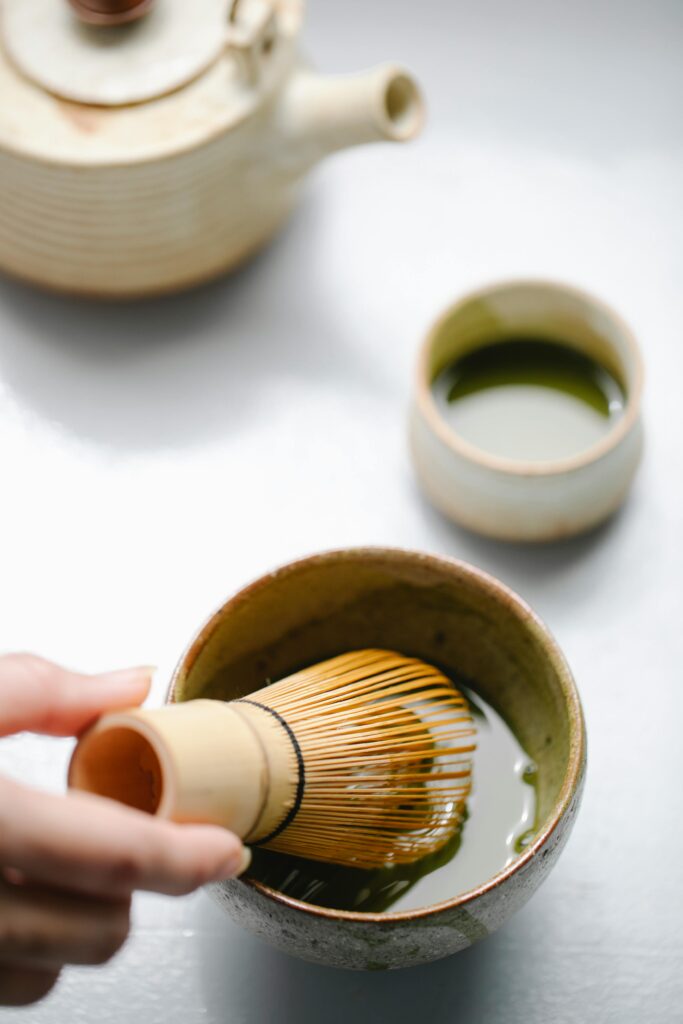
Matcha Common Mistakes
Avoid common matcha mistakes by cleaning and drying your bamboo whisk properly and enjoying prepared matcha soon after whisking.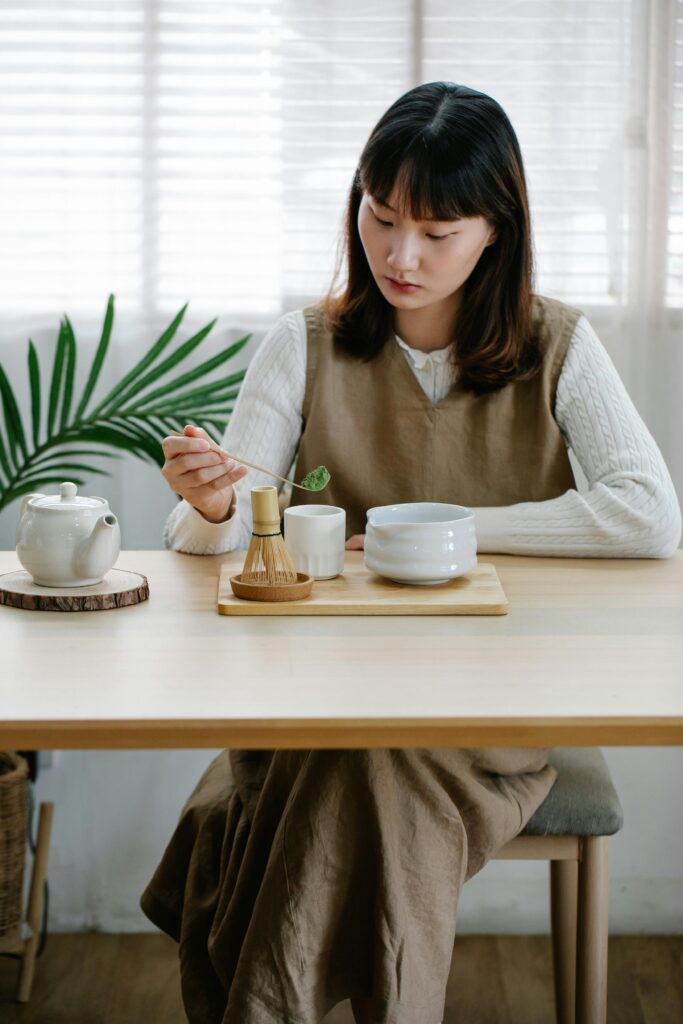
Daily Matcha Ritual
Create a sustainable matcha routine that sticks. Learn timing, preparation shortcuts, and how to make matcha work with your lifestyle and budget.A Deeper Dive Into Matcha: Terroir, Craft, and Culture
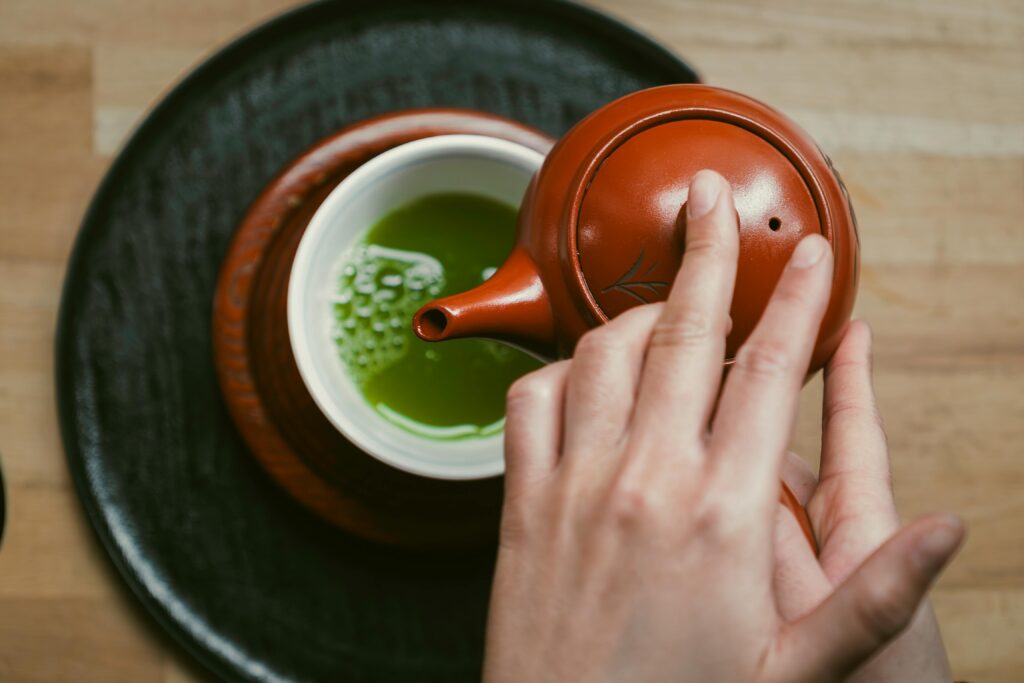
Chanoyu and Tea Ceremony Basics
Learn the essential elements of Japanese tea ceremony. Discover the philosophy, basic movements, and how to appreciate this meditative ritual.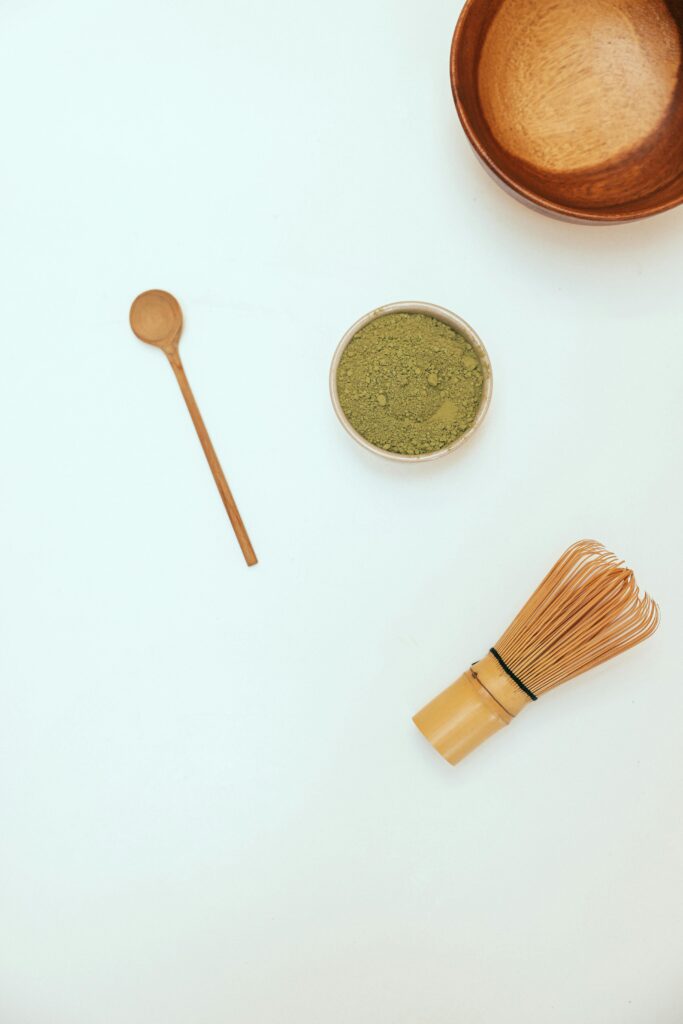
History of Matcha
Explore matcha’s 900-year journey from Buddhist temples to global cafes. Discover how Zen monks shaped the cultural traditions we practice today.
Production Process of Matcha
Learn more about the intricate 6-step process transforming tea leaves into matcha. Learn about shading techniques, grinding methods, and quality control.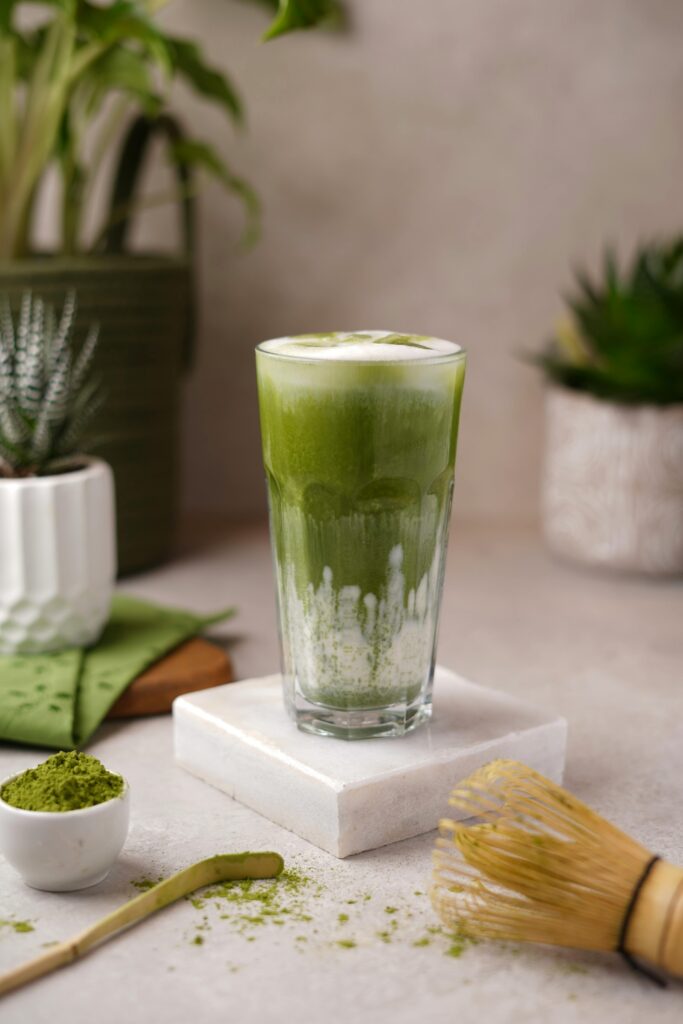
The Fifth Taste: Understanding Umami in Matcha
Discover why quality matcha tastes creamy and brothy—the science of umami from L-theanine, how shading creates it, and why it justifies premium prices.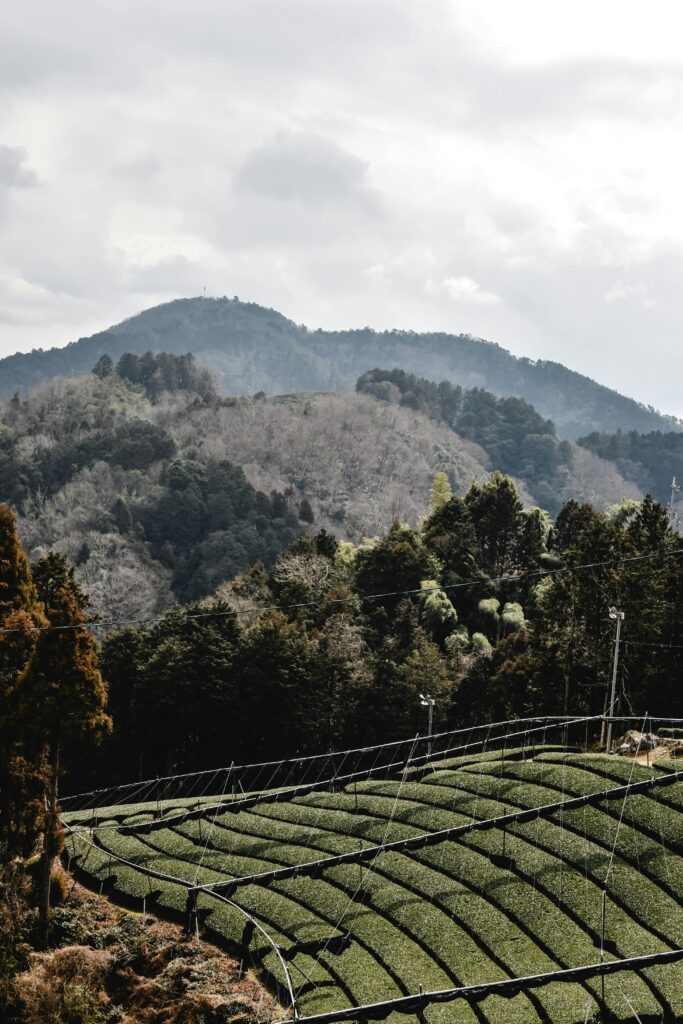
How Terroir Shapes Japanese Matcha by Region
Explore how river-valley fog, mountain temperatures, and mineral-rich soil shape the sweet, mellow character of Yame matcha.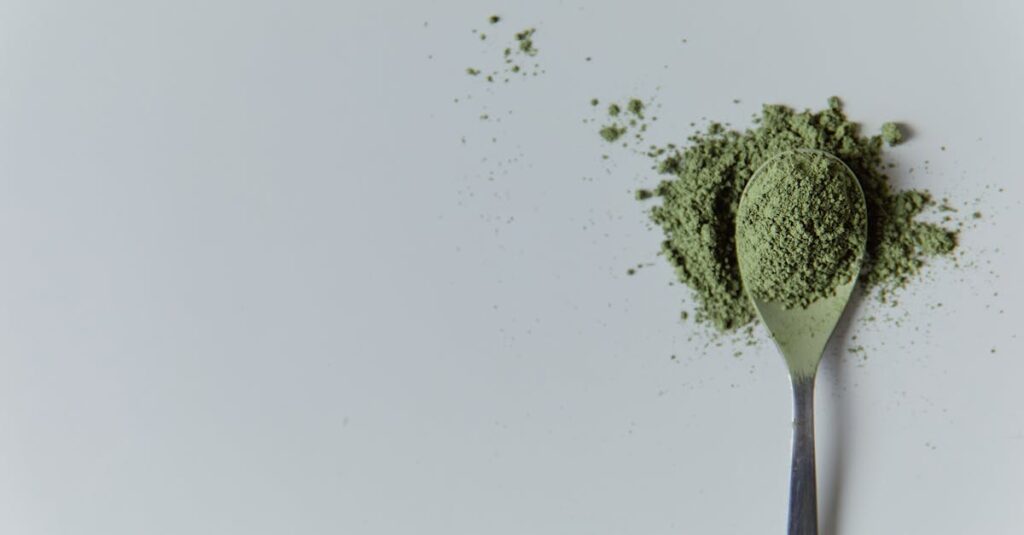
Ceremonial, Premium, and Culinary grades
Learn the real differences between matcha grades. Understand color, taste, processing methods, and current pricing for each grade. The labels.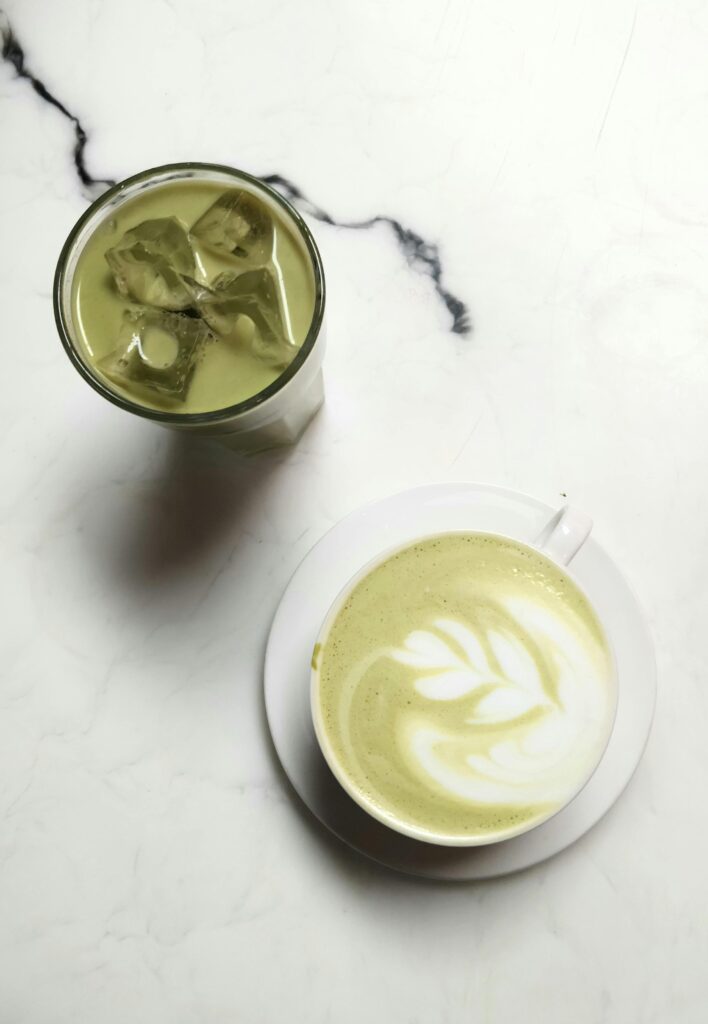
Matcha Certifications
Explore matcha certifications in this Best Matcha article, with a focus on standards used to describe certified matcha products.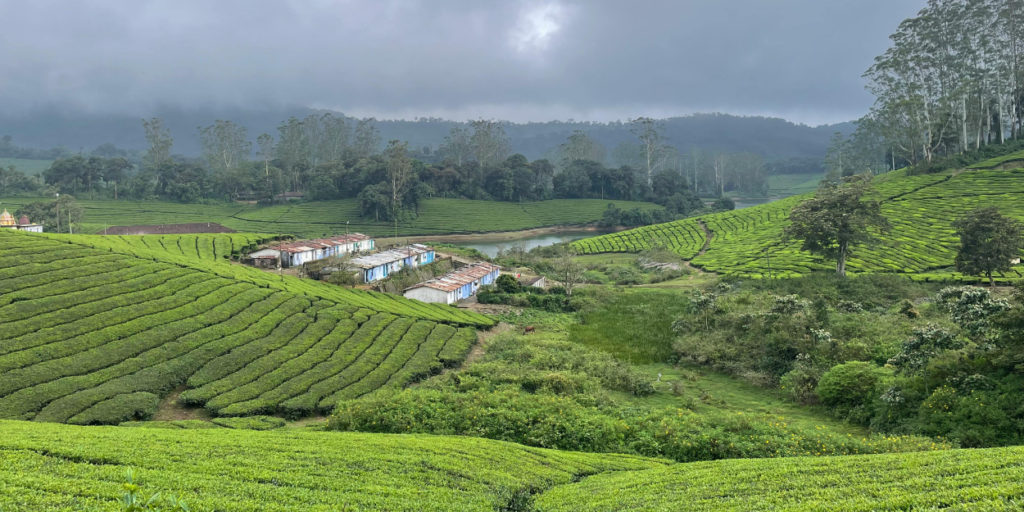
Regions vs. Cultivars: Decoding Matcha Identity
Discover how Japan’s matcha regions (Uji, Nishio) and cultivars (Yabukita, Okumidori) define taste and quality. Best-matcha.com buyer’s guide: Choose.Matcha Health and Wellness Research Guide
Myth-Busting Common Matcha Claims
Separate matcha facts from fiction. Evidence-based analysis of detox claims, weight loss promises, and other common marketing myths. The “Detox” Myth.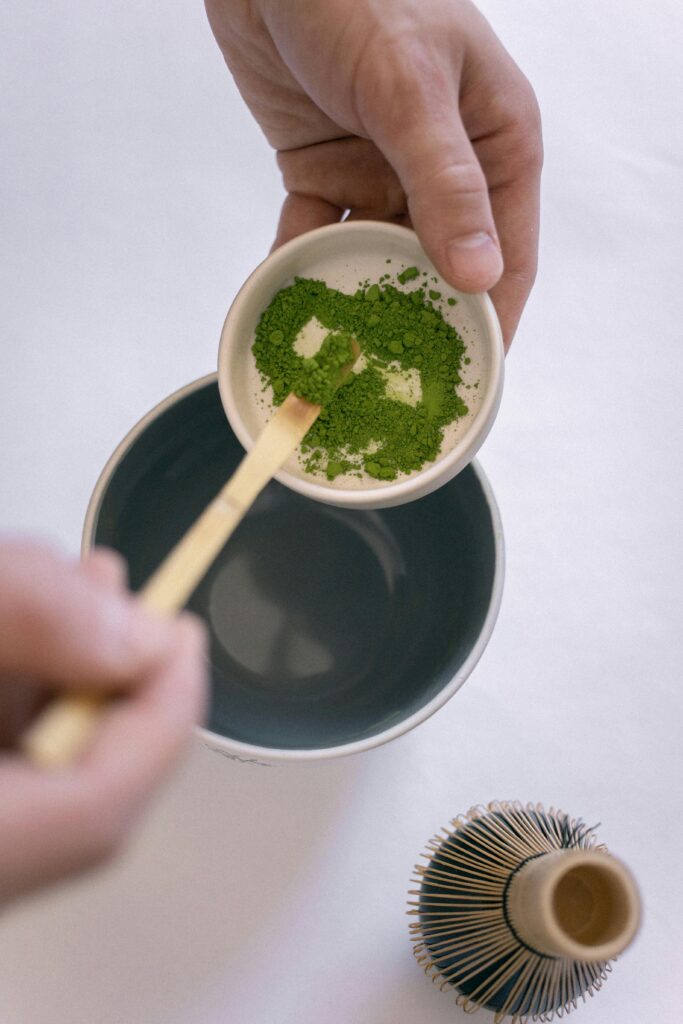
EGCG and Antioxidants
Understand what science really knows about matcha’s EGCG and antioxidants. Learn about research, bioavailability, and actual benefits. Defining EGCG.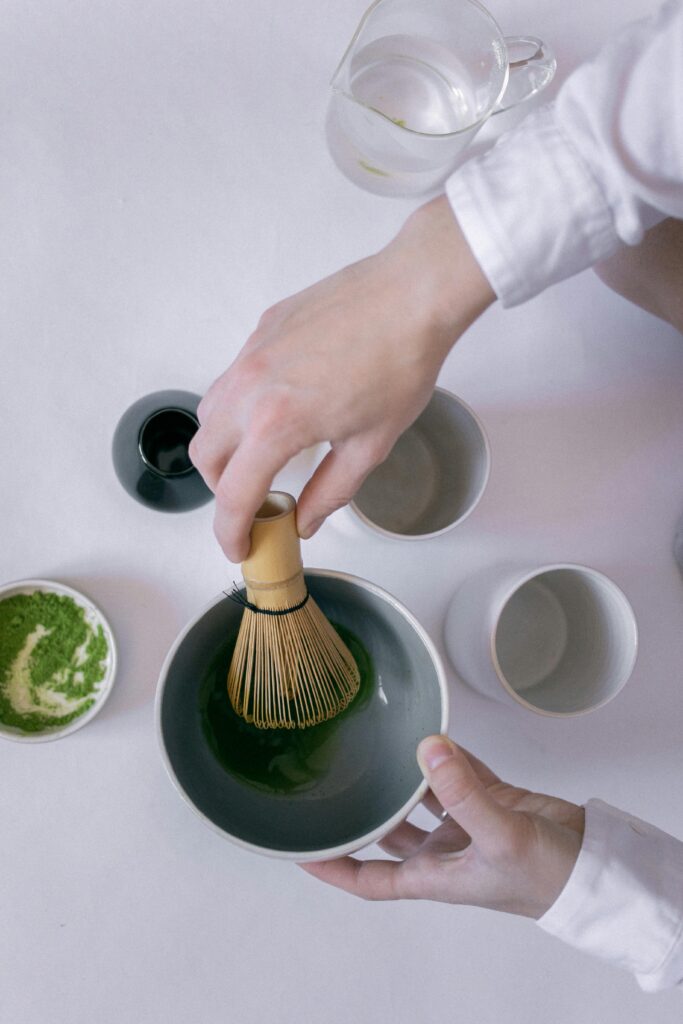
Nutritional value of Matcha vs Other Options
Compare matcha’s actual nutritional profile against coffee, green tea, and other options. Real data on antioxidants, vitamins, and minerals.
Scientific Studies Breakdown About Matcha
Understand what science really proves about matcha’s health benefits. Learn more about its antioxidants and its effects on metabolism, cognition.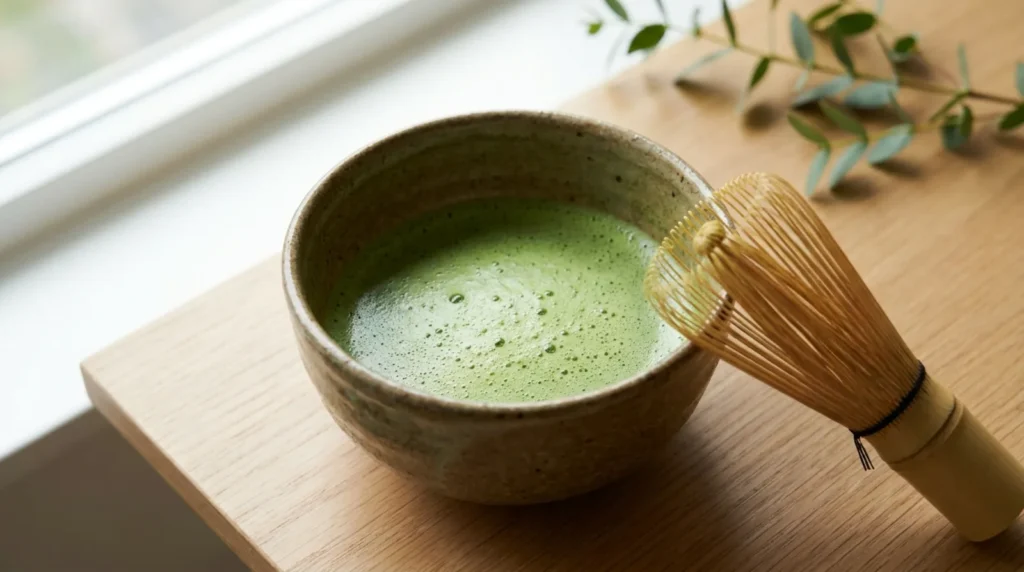
How Much Caffeine Is in Matcha? (mg per Cup)
Matcha has ~20–45 mg of caffeine per gram, or ~40–135 mg per cup. Clear mg tables, coffee comparison, and why it hits differently. Matcha caffeine.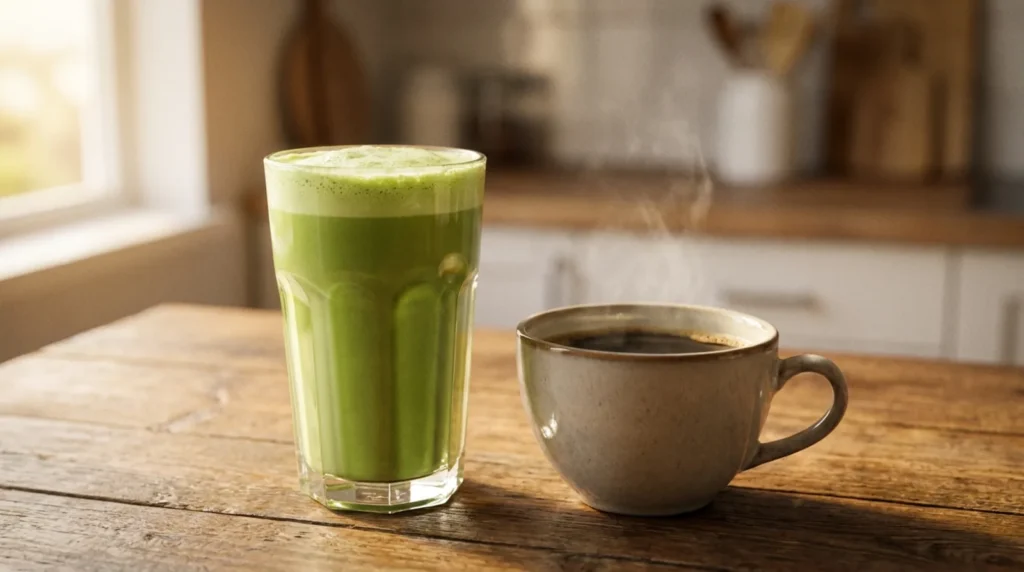
Matcha vs Coffee: Caffeine, Energy & Focus
Matcha vs coffee: real caffeine numbers, the L-theanine difference, crash risk, antioxidants, and which to reach for based on your day. Coffee delivers.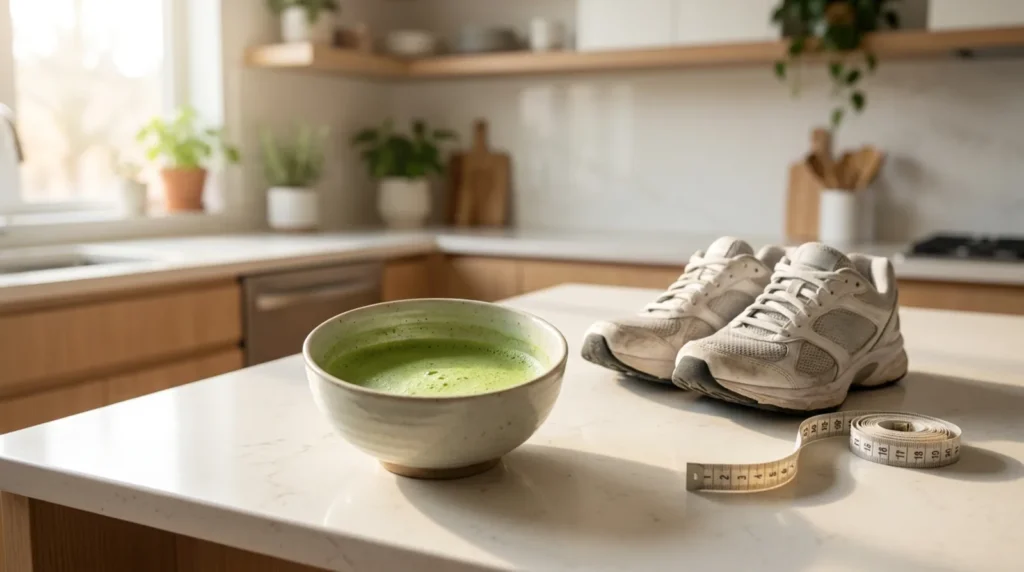
Matcha for Weight Loss: Benefits & Best Picks
Does matcha help with weight loss? See what the science really says, how to use it, and the best matcha for weight loss to try. Matcha may modestly.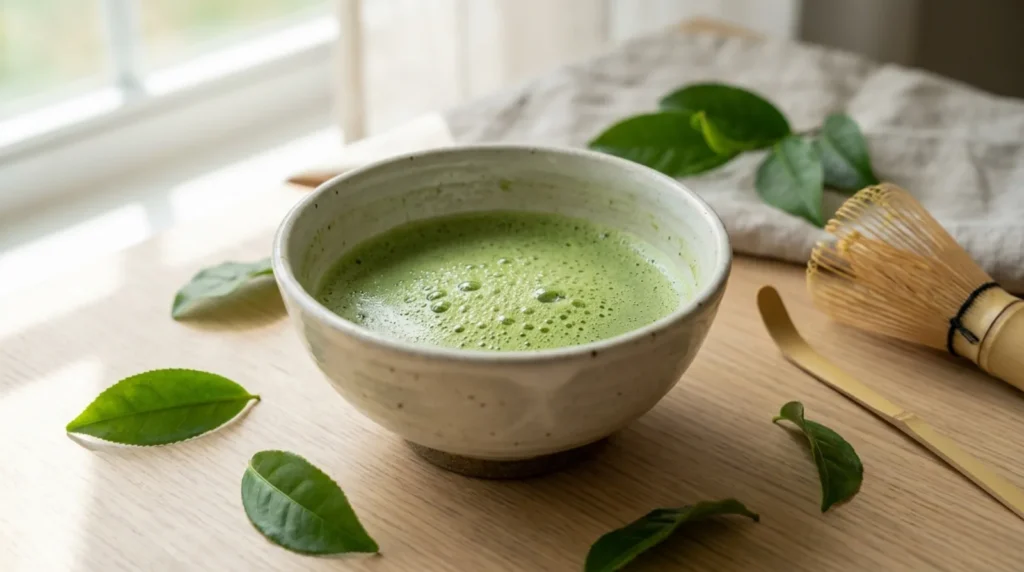
Matcha Health Benefits: What the Science Says
Matcha health benefits explained honestly — antioxidants, L-theanine, heart & brain. What studies show, and where the evidence is thin. Written by: Emilie.Matcha Industry Insights
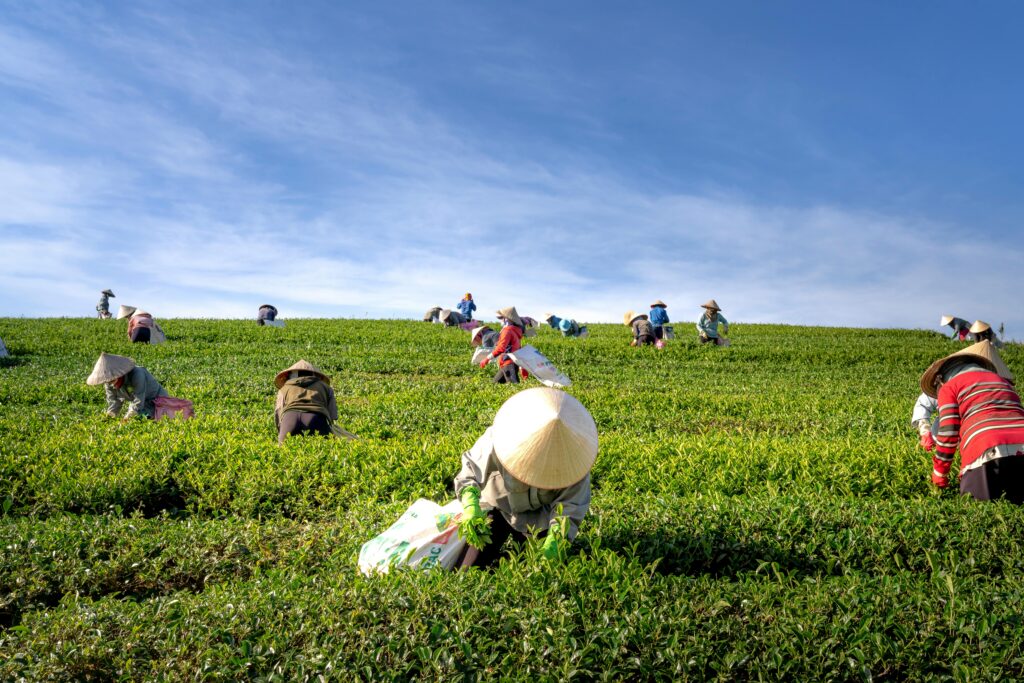
Beyond Japan: Global Matcha Production and Quality Differences
Discover how China, Korea, and emerging producers create matcha differently from Japan. Learn processing variations, quality markers, and origin.Matcha Preparation and Recipes Guide
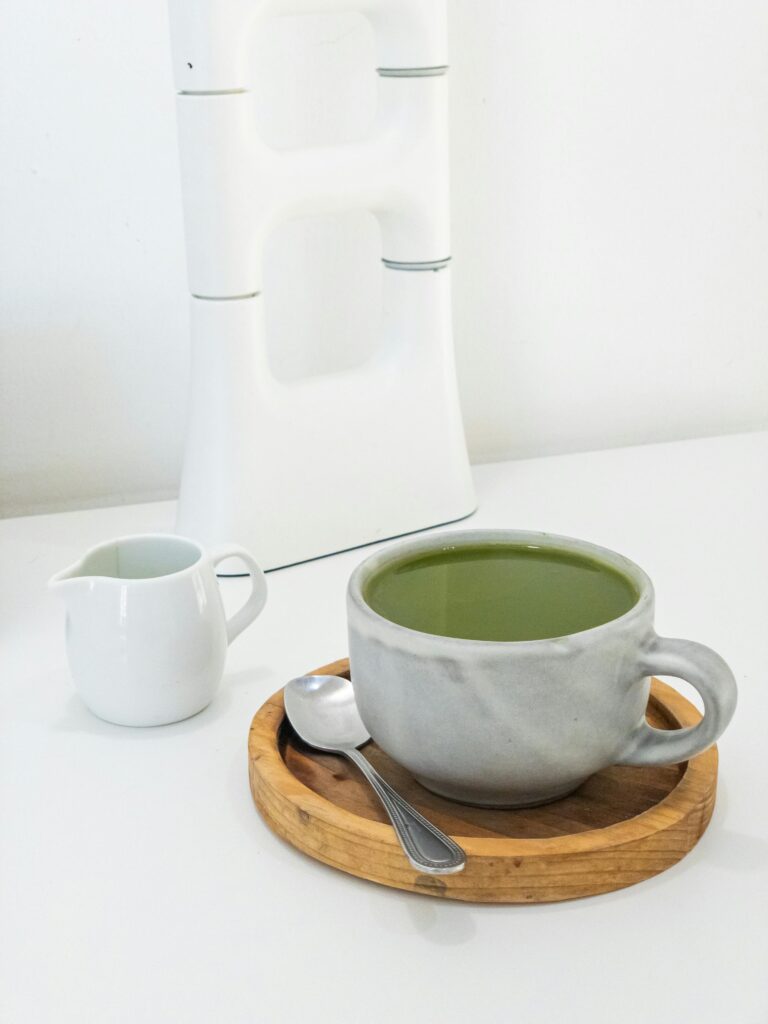
Solving Common Matcha Problems
Prevent matcha clumps with sifting and a paste method, and reduce bitterness with cooler water and the appropriate tea grade.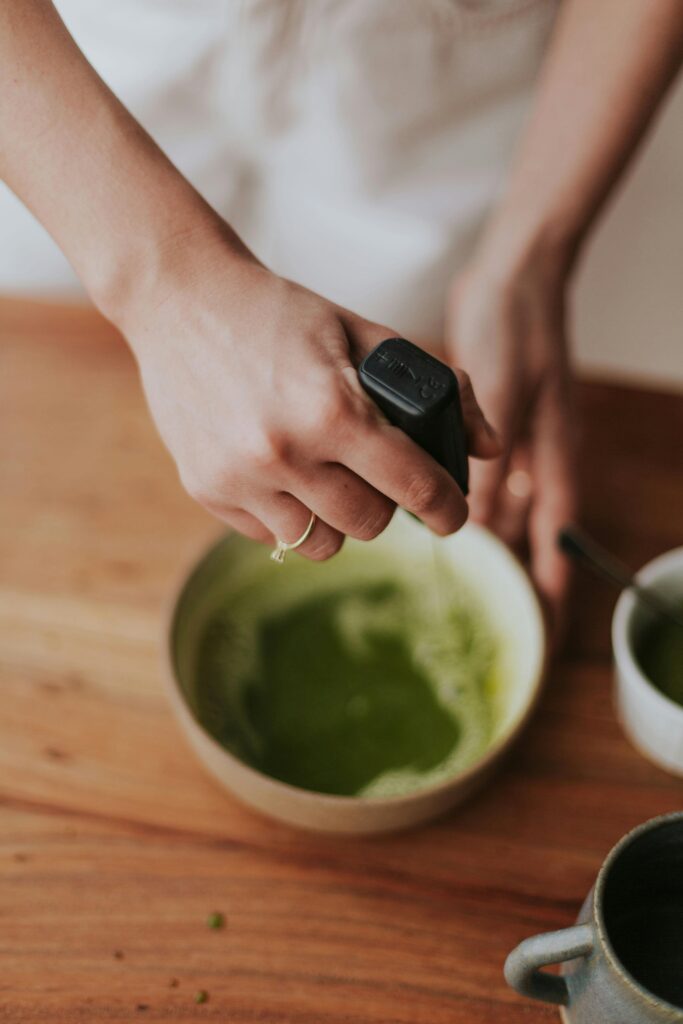
Modern Approaches to Matcha
Discover modern matcha preparation methods from electric frothers to cold brew. Learn time-saving techniques without sacrificing quality. Electric Tools.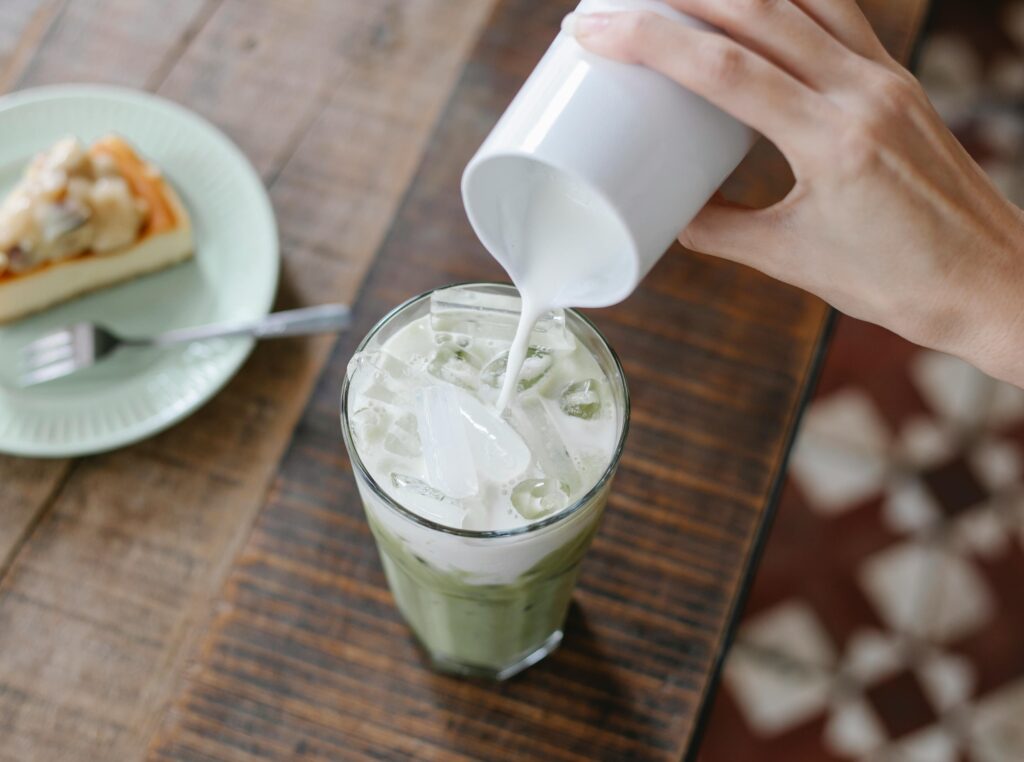
Water temperature ratio guide
Master the perfect water temperature and matcha ratios for every preparation style. Learn the science behind optimal extraction. Matcha Latte Preparations.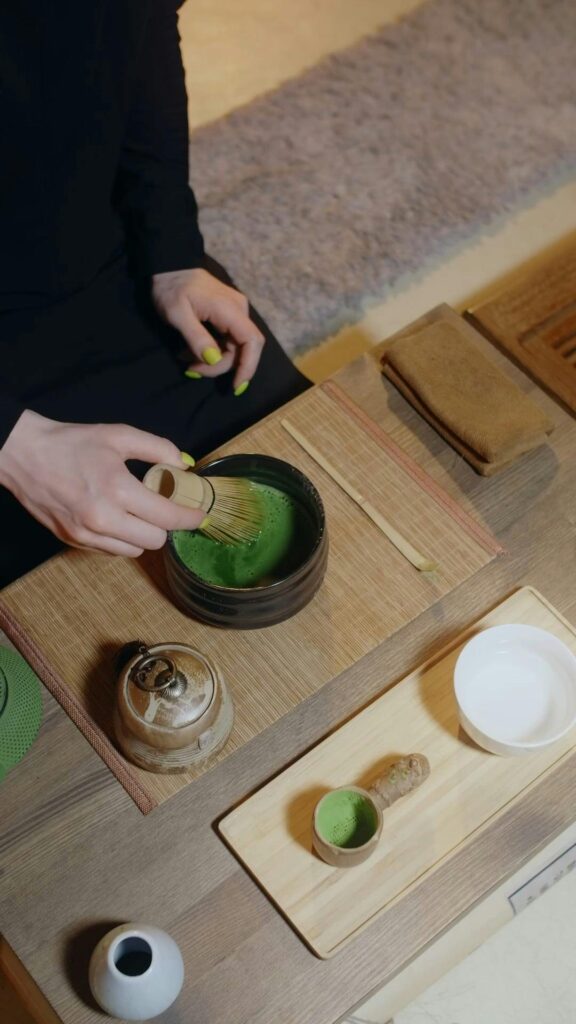
Traditional Whisking Techniques
Master traditional matcha whisking with proper technique, timing, and tools. Learn the authentic Japanese method for perfect foam every time.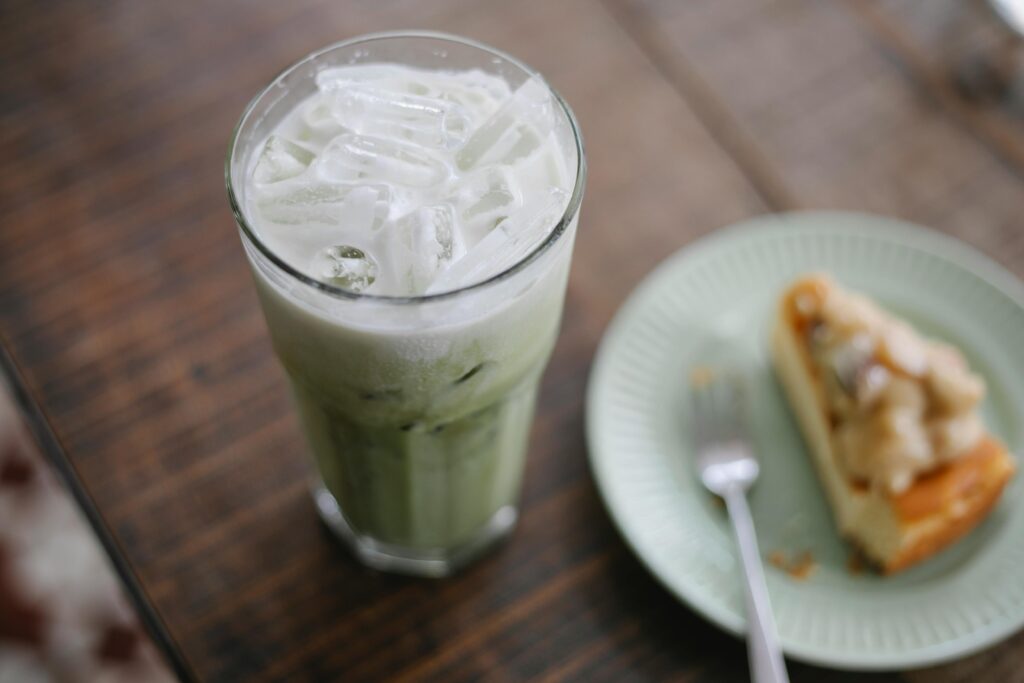
Creating recipes with matcha
Develop amazing matcha recipes for drinks, desserts, and savory dishes. Learn flavor pairing, ratios, and professional techniques. Beverage Innovation.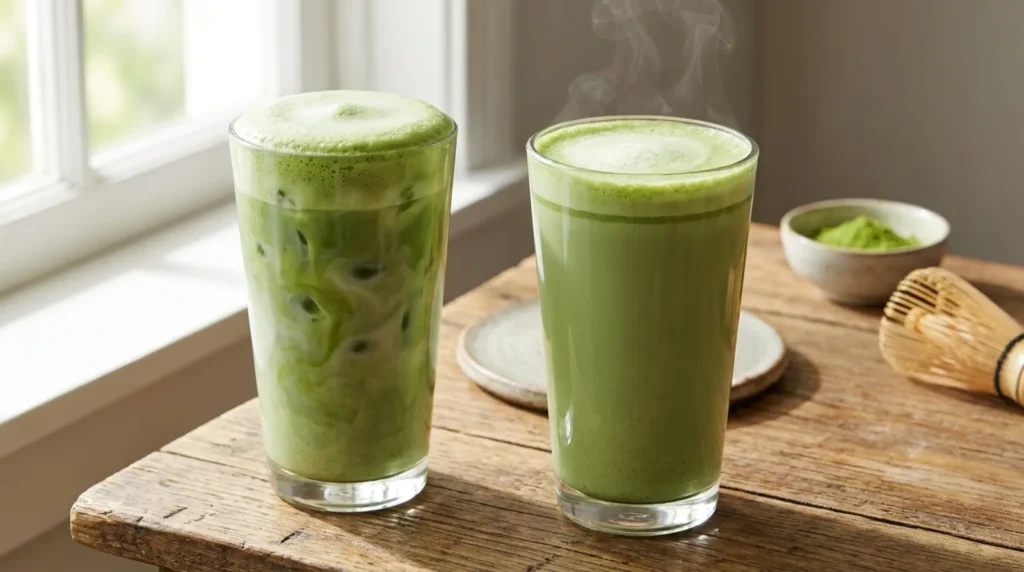
How to Make a Matcha Latte (Hot & Iced)
Make a matcha latte at home, hot or iced. Exact ratios, 175°F water, the no-clump whisking trick, and a printable recipe card. A café matcha latte runs.How to Buy Matcha: The Complete Buyer’s Guide Hub
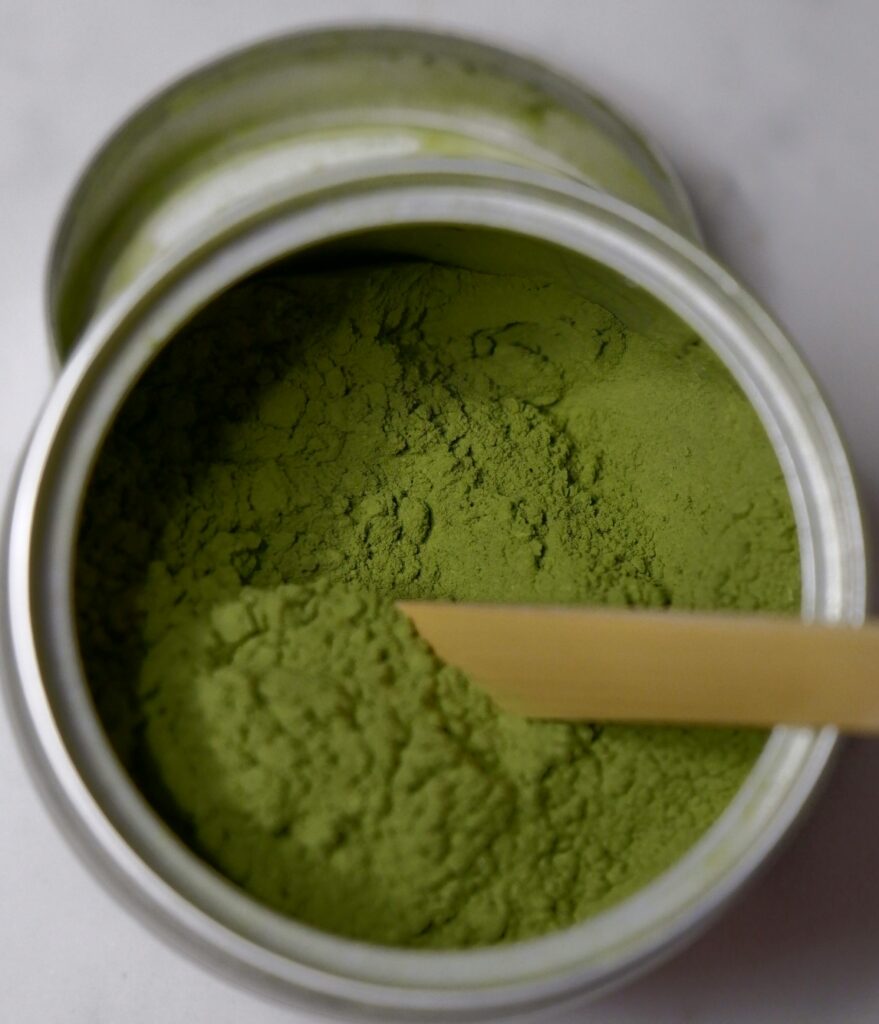
Red Flags in Matcha Marketing: Spotting the Truth Through the Hype
Learn to identify misleading matcha marketing claims, from fake “ceremonial grades” to meaningless superlatives. Save money by recognizing genuine quality.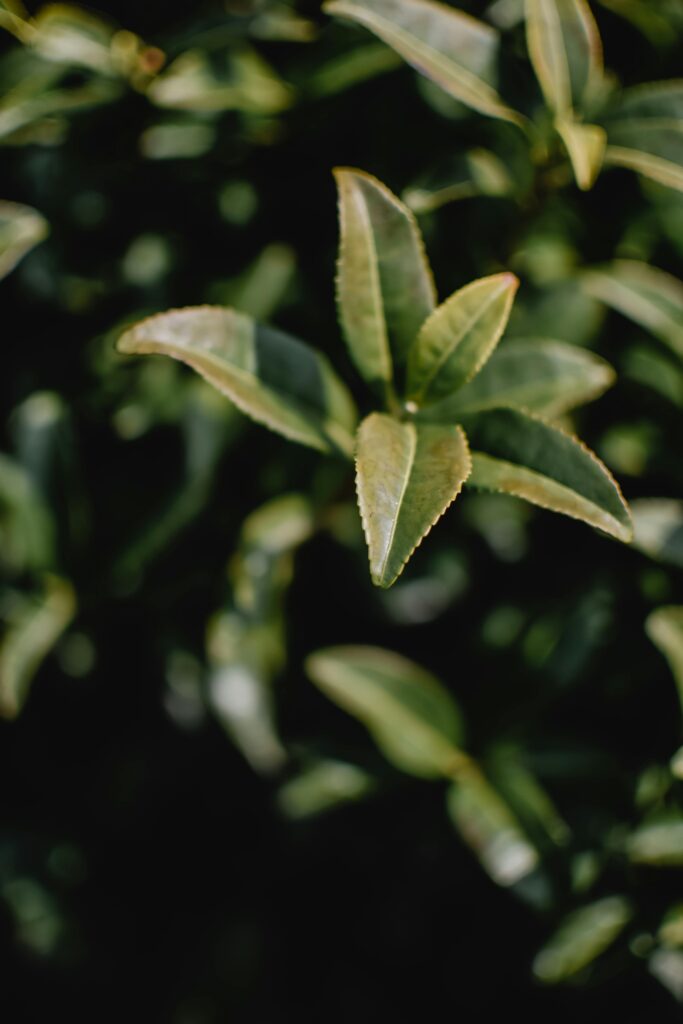
First Flush vs Second Harvest Timing
Master matcha seasonality for best quality and prices. Learn harvest timing, storage strategies, and when to buy for optimal value. Seasonal Buying Guide.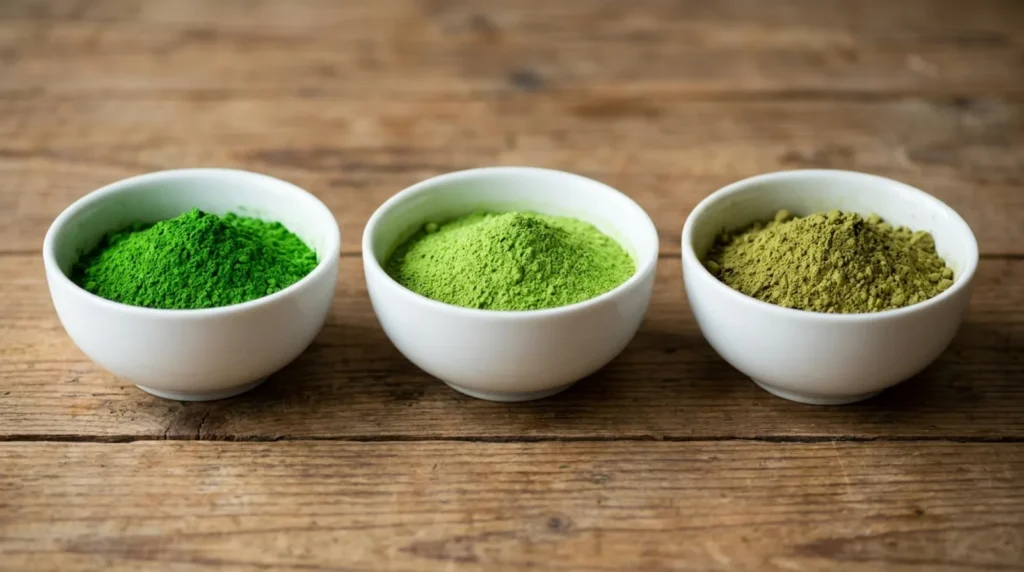
Matcha Grades Explained: Ceremonial vs Culinary vs Latte
Learn how ceremonial, latte, and culinary matcha labels signal intended use, harvest timing, and what to look for in the powder.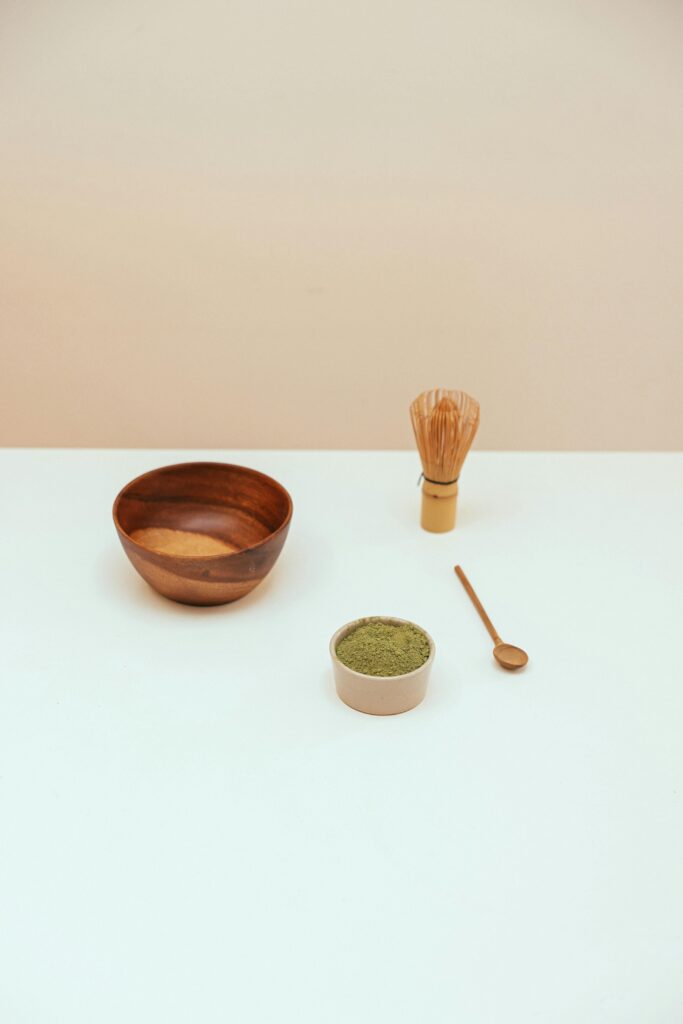
Price vs Quality Analysis
Decode matcha pricing from $10 to $100+ per ounce. Learn what drives costs and how to identify genuine value at every price point. Budget Tier: Under $15.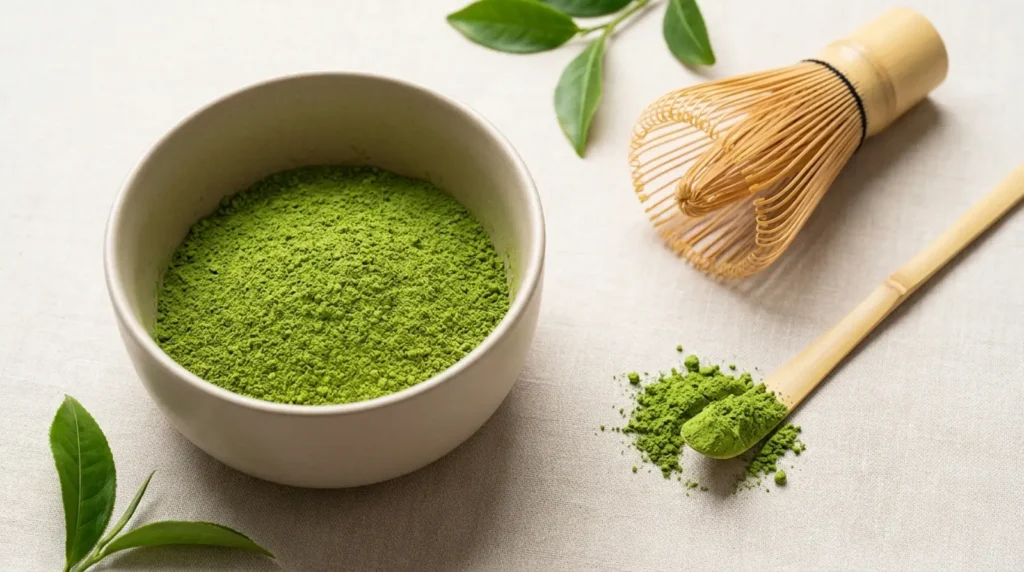
Best Matcha 2026: Top Picks & Buyer’s Guide
Choose vivid, finely milled first-harvest Japanese matcha. Ippodo is our all-round pick, Jade Leaf suits beginners, and Marukyu Koyamaen is the Uji reference.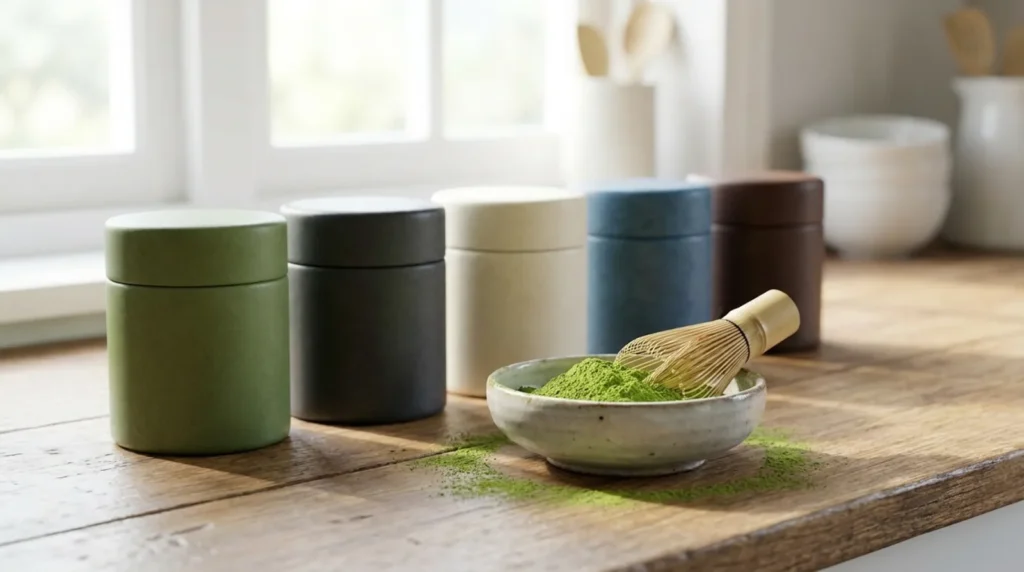
The Best Matcha Brands, Ranked (2026)
The best matcha brands by use case, from Jade Leaf to Ippodo. Expert-consensus picks for beginners, lattes, ceremonial, organic & value, ranked.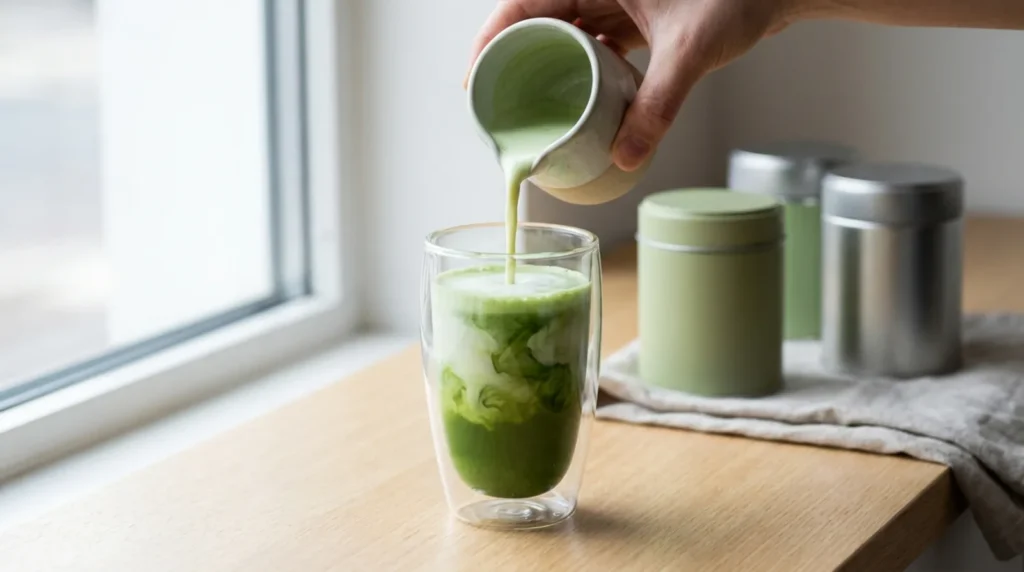
Best Matcha for Lattes: 7 Top Picks (2026)
Best matcha for lattes: bold, latte-grade powders that hold flavor in milk. Expert-consensus picks ranked by origin, harvest, and price. The verdict.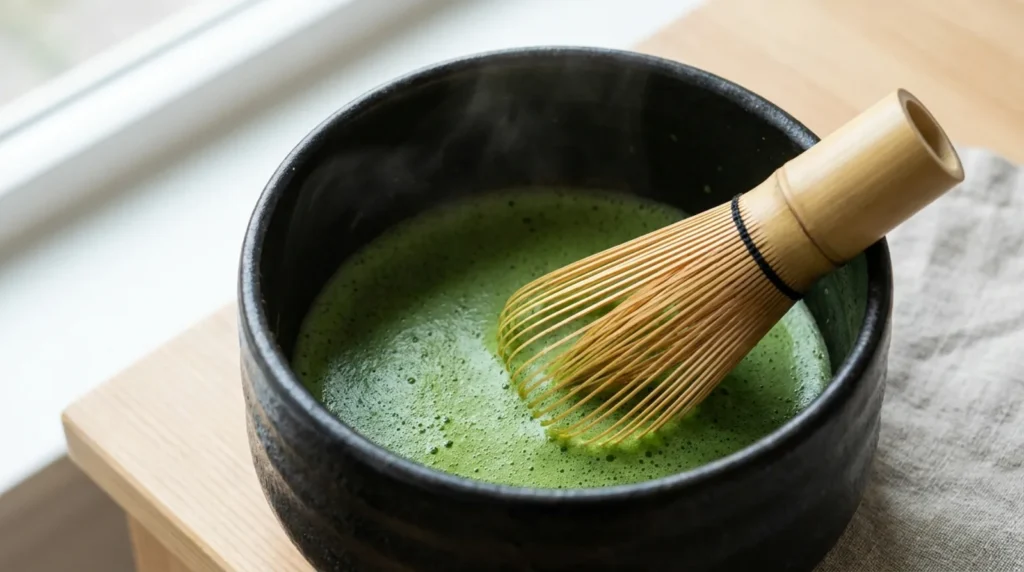
Best Ceremonial Grade Matcha: Top Picks 2026
Best ceremonial grade matcha picks for 2026, chosen by expert consensus and ranked by origin, harvest & milling. What \”ceremonial\” really means.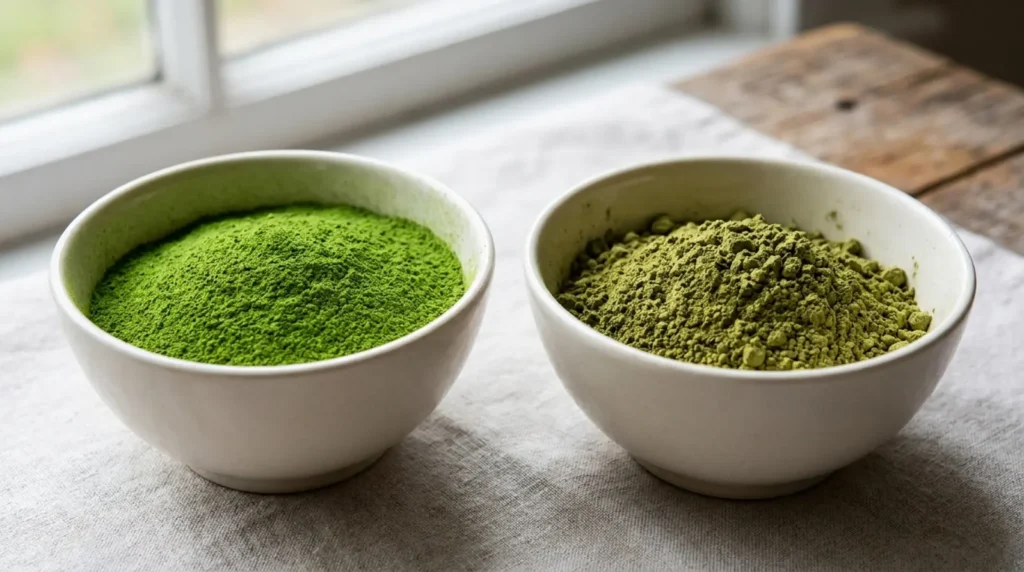
How to Spot High-Quality Matcha: The 2026 Guide
Spot high-quality matcha in 60 seconds: vivid emerald color, baby-powder texture, umami taste, named Japanese origin, and a harvest date. High quality.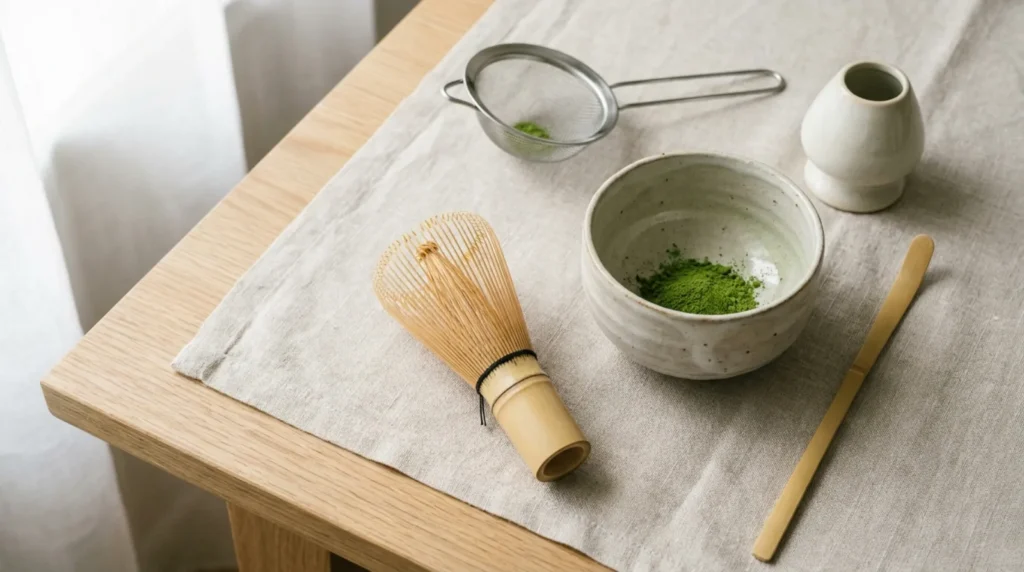
Matcha Whisk & Tools: The Complete Starter Kit
Matcha whisk, bowl, sifter, scoop, and stand explained, plus modern alternatives, care tips, and what to buy first. Short answer: You need three things.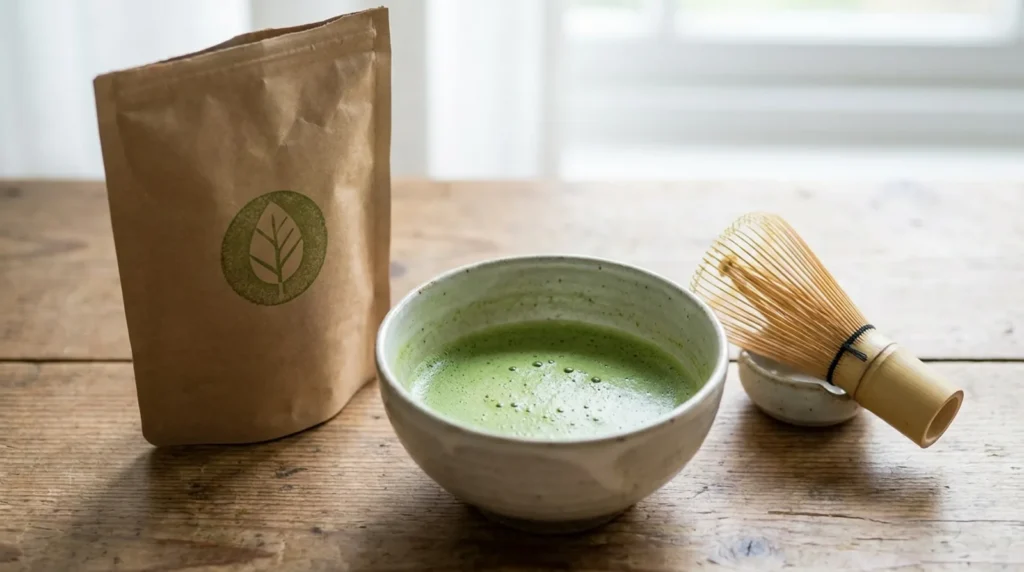
Best Organic Matcha Powder: USDA & JAS Certified Picks (2026)
The best organic matcha powder: USDA & JAS certified, shade-grown picks from Uji & Kagoshima, plus how to verify the seal on the label. Short answer.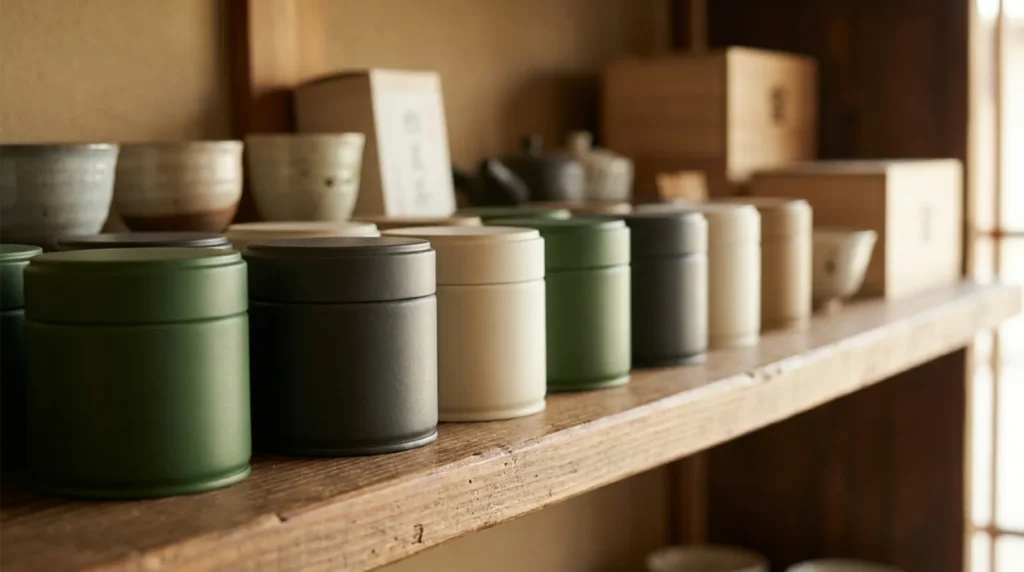
Where to Buy Authentic Japanese Matcha (2026)
Where to buy authentic Japanese matcha: trusted Uji retailers, what to look for on the label, online vs in-store, and how to avoid fakes. Buy direct.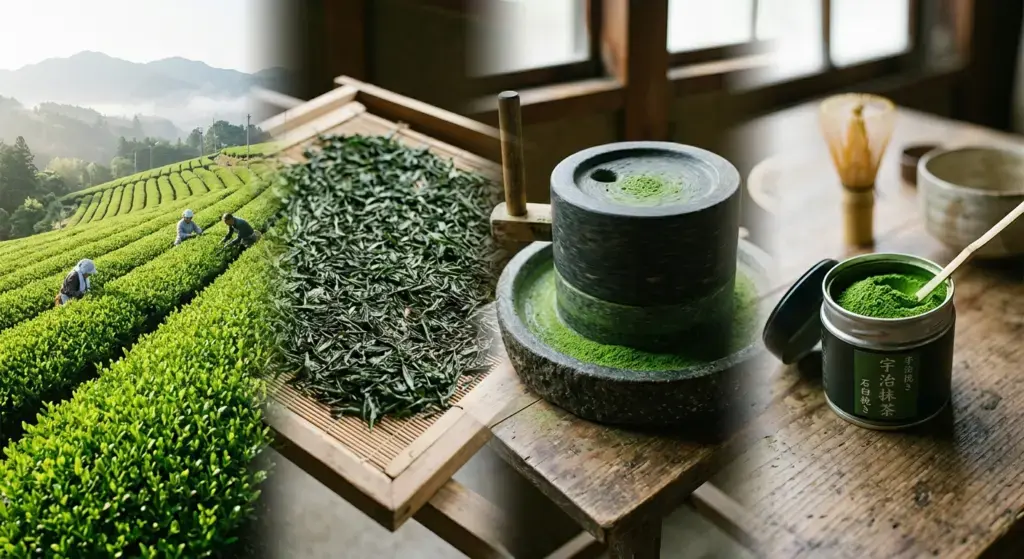
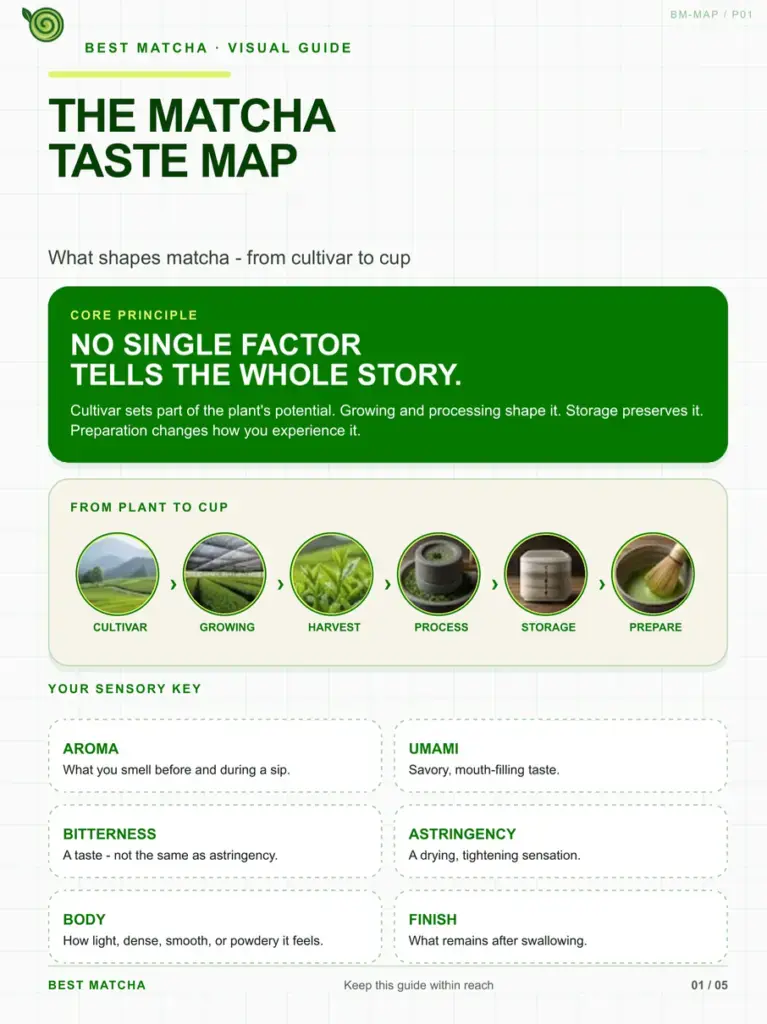
What Affects Matcha Taste? From Cultivar to Cup
Learn what affects matcha taste, from cultivar and shading to harvest, processing, storage and preparation, and what each label cannot prove.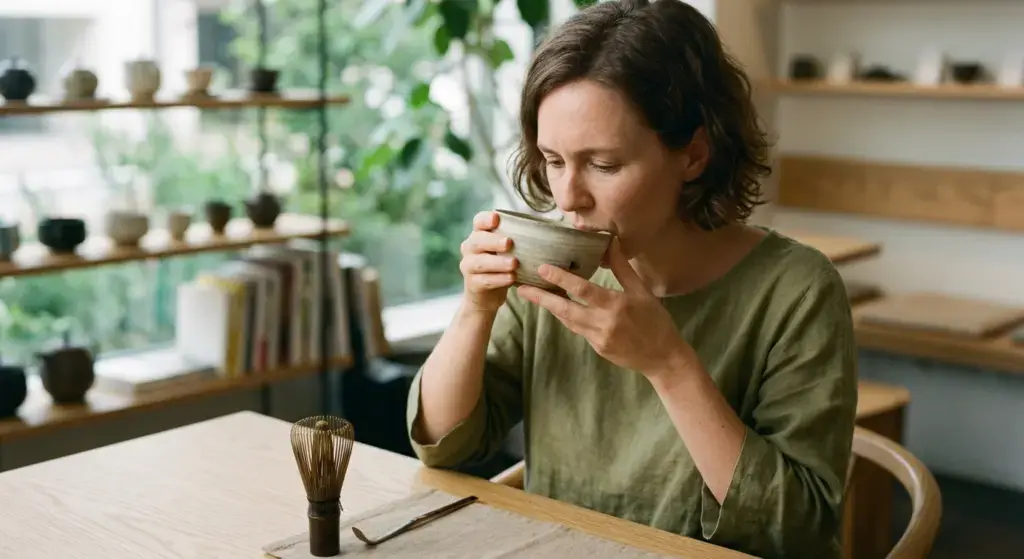
Astringency vs Bitterness in Matcha: How to Tell the Difference
Is your matcha bitter or astringent? Learn how taste receptors, tea compounds and saliva create two different sensory experiences.Our Matcha Guides
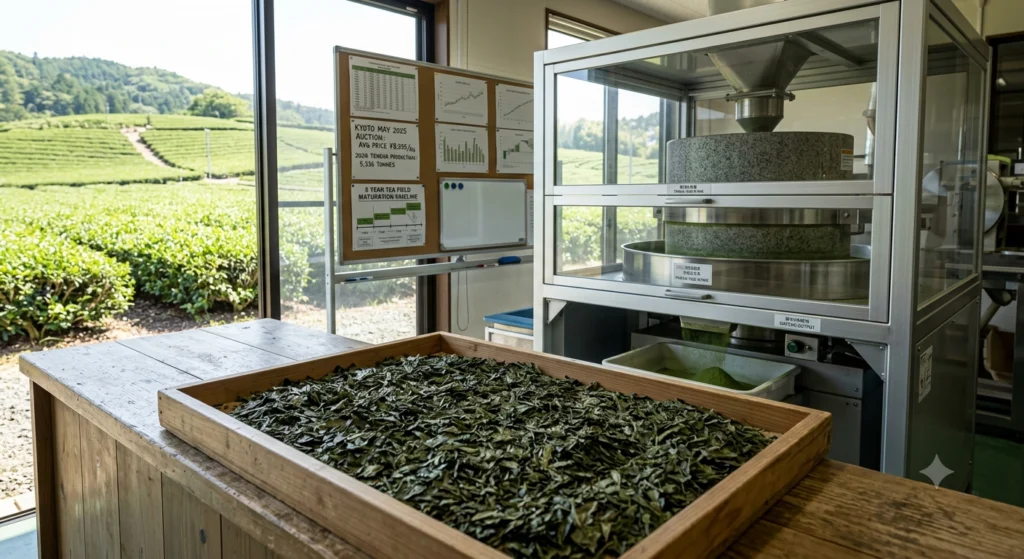


Recent articles