Quality over time
Matcha Shelf Life concerns retention of the color, aroma and flavor expected of a product under its specified conditions. It is not one countdown shared by every tin. Packaging, its condition and handling after opening matter when interpreting a date.
Keep the distinction between unopened and opened tea. Opening changes the storage situation, so read the printed date alongside instructions for use after opening. Do not replace them with a universal one-to-two-year unopened life or a two-to-three-month opened window.
Best before versus use by
GOV.UK distinguishes quality-oriented best-before dates from safety-oriented use-by dates. Its guidance says poor storage can reduce quality before a best-before date. A date is conditional information, not a guarantee that mishandled contents remain sound.
Do not claim that expired matcha cannot cause harm. Passing a best-before date does not automatically prove a properly handled dry product unsafe, either. Read the actual label and ask the supplier when packaging or storage history is uncertain.
A producer’s freshness advice
Ippodo recommends consuming its matcha within a month of opening for best taste. Its freshness guide presents tips as guidance rather than hard rules. This is useful for an Ippodo purchase, not an independently established expiration period for all matcha.
The same guide recommends opaque, tightly sealed cupboard storage away from strong odors, heat, sunlight and open air. It suggests keeping tea in its original foil bag, rolled and clipped closed between uses. Refrigeration is therefore not a mandatory universal rule for opened tins.
Storage without grade-based promises
Follow the instructions for your package, including any chilled or frozen storage directions. If a producer recommends cold storage but gives unclear handling instructions, ask how to manage opening and moisture exposure. A refrigerator does not make a package last indefinitely.
Ceremonial or culinary labels do not establish different physical shelf lives. A recipe may make aroma loss less noticeable, but masking a change is not preservation. Baking or making a latte is not a way to rescue contaminated or otherwise suspect tea.
Recognizing change
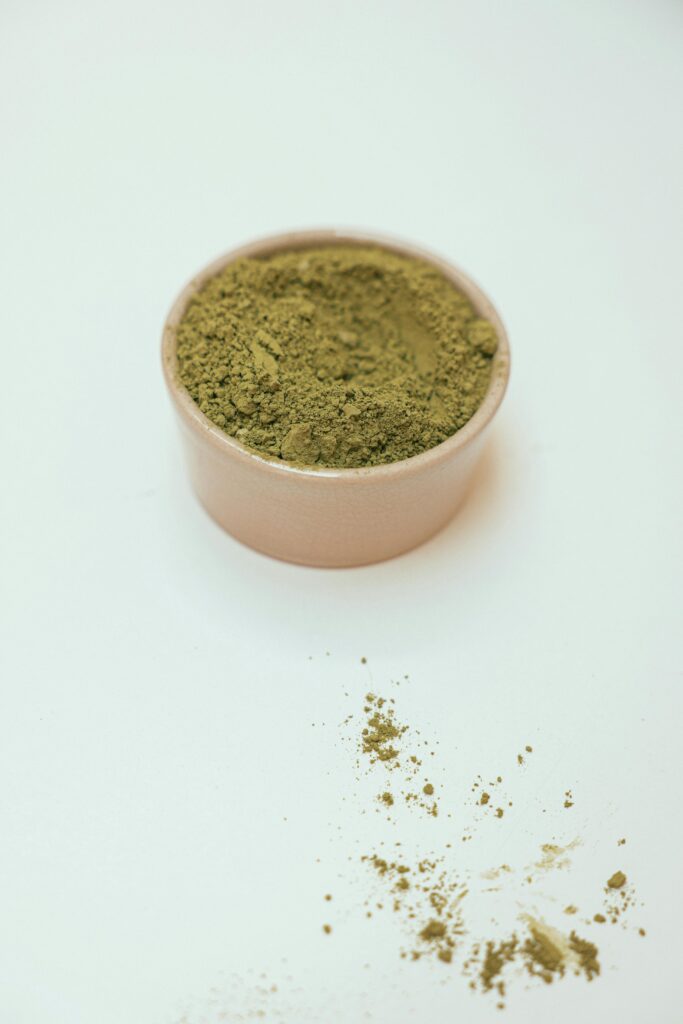
Compare aroma and appearance with the tea’s own earlier condition rather than a universal emerald-green ideal. Different products start with different colors. Loss of fragrance may indicate reduced enjoyment, while a visual comparison alone cannot identify a cause or establish safety.
Keep the package closed between uses, use clean dry utensils and note the opening date. If there is mold, an abnormal odor, known contamination or wet powder, do not taste it as a safety test. Ask the supplier or discard suspect contents. Buy quantities you expect to enjoy under the producer’s guidance instead of assuming culinary powder is more stable.