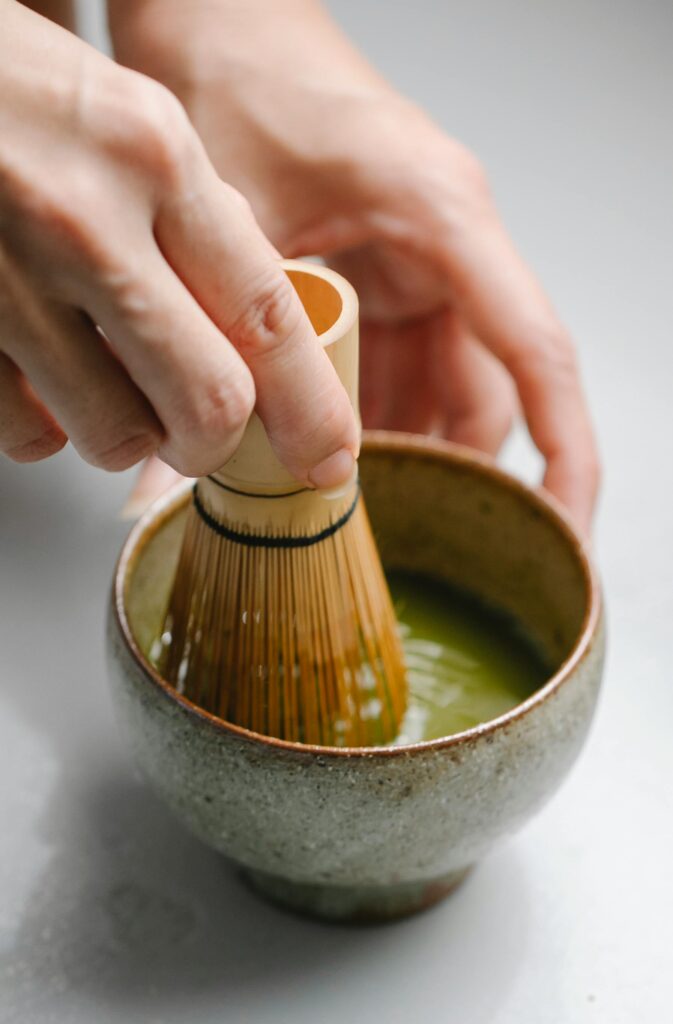
Adulteration: Meaning and Matcha Context
Adulteration can involve concealed substitution in matcha sold as pure; disclosed blends are different, and appearance alone cannot prove fraud.Definition of Adulteration
Adulteration is the compromise of a food through unauthorized substitution, removal, or addition of material. In matcha food fraud, it includes concealing cheaper ingredients in a product sold as pure matcha; an accurately labeled blend is not inherently adulterated merely because it combines more than one ingredient.
Learn more
Defining Adulteration in Matcha
Adulteration is broader than a disappointing flavor or an inexpensive product. In the food-fraud context, it concerns intentionally removing, substituting, or adding material so that the food is not what the buyer is led to believe. The FDA calls this economically motivated adulteration when the change is intended to increase apparent value or reduce costs deceptively.
For matcha, an illustrative case would be a product sold as pure matcha while containing an undeclared cheaper powder. This is a hypothetical example of the mechanism, not a claim that a particular seller has committed fraud. Evidence about the actual product is required before making that accusation.
Blending Is Not Automatically Adulteration
Blending genuine matcha lots or cultivars is not inherently fraudulent. A clearly labeled sweetened matcha drink mix is also different from a powder falsely sold as nothing but matcha. The issue is whether the composition, identity, and labeling meet applicable requirements, not simply whether more than one ingredient is present.
Likewise, a tea’s commercial grade or intended use cannot establish adulteration. Culinary wording, mechanical harvesting, non-stone milling, or a low price does not prove concealed substitution. Production descriptions and ingredient statements need to be assessed on their own terms.
How Substitution Changes Composition
Adding another material can change the concentrations of constituents, flavor, color, and texture. The effect depends on the composition of both the tea and the added material. There is no valid general rule that replacing half a powder halves every nutrient: the replacement may itself contain some of the same constituents, while others may be absent or present at different levels.
Any nutritional comparison therefore needs a specified recipe or analytical results. A measured reduction in one compound is not automatically a measurement of all nutrients, and a high result for one tea compound is not a complete authenticity test.
What Appearance and Taste Can Tell You
Sensory inspection may identify an unexpected odor, sweetness, color, or texture worth investigating. It cannot by itself identify the cause. Cultivar, harvest, processing, preparation, and storage can also explain differences between powders. Bright green is not proof of purity, and dull green is not proof of fraud.
Do not taste a product as an experiment when there is reason to suspect unsafe contamination. The actual health risk depends on the substance and exposure. The FDA notes that food fraud can introduce hazards such as hidden allergens or toxic materials, but this does not mean every inferior or mislabeled tea presents the same risk.
Laboratory Tests Answer Specific Questions
A laboratory result is meaningful only in relation to the question and method. A test targeting a particular undeclared ingredient is different from one measuring caffeine, amino acids, pesticide residues, or metals. A certificate of analysis should identify the sample or lot, tests performed, methods, dates, and results.
Finding tea DNA cannot establish that the leaves were shade-grown, dried as tencha, or milled in a particular way. Tea-derived substitutes can share the same plant species. DNA evidence and manufacturing records therefore answer different questions; neither should be presented as a universal certificate of matcha authenticity.
Supply-Chain Verification
For businesses, useful evidence includes ingredient specifications, supplier identity, cultivation and manufacturing records, and traceability through the relevant lots. Audits and targeted testing can support verification, but a digital record is only as trustworthy as the information entered into it. Blockchain or another record system cannot physically prevent an undeclared substitution.
Organic certification concerns compliance with organic requirements. It should not be treated as proof of every separate matcha identity claim. Nor does an unspecified authenticity seal explain which properties were actually checked. Ask what the certification covers and whether it applies to the product being purchased.
Responding to a Concern
Keep the packaging and lot information, ask the seller for an explanation, and distinguish a taste preference from an evidence-backed labeling or safety concern. Where appropriate, report suspected food fraud or adverse effects to the relevant food authority. Avoid accusing a named producer based only on price, color, or an informal taste comparison.
The practical goal is accurate representation and suitable verification. A disclosed blend can be a legitimate product, while a concealed substitution can deceive buyers even if the resulting powder looks attractive. Testing, records, and labeling should be considered together rather than reduced to one visual warning sign.
Related Reading
nutritional value; L-theanine; Catechin; volatile compounds; umami; authenticity; L-theanine and caffeine.
Sources and references


Accessed: 2026-09-08
Language: en
Economically motivated adulteration includes concealed substitution, removal and additions to increase apparent value; hazards depend on the material.
Accessed: 2026-09-08
Language: en
Tencha is shaded tea made without kneading; shading influences theanine and the balance of taste.

Emilie Schol
Founder of Best MatchaFrequently asked questions
Here are some frequently asked questions and answers.Is a labeled matcha latte mix adulterated?
Is a labeled matcha latte mix adulterated?
Not merely because it contains other ingredients. A disclosed formulation differs from concealing cheaper material in a powder sold as pure matcha. The relevant questions are whether its composition and labeling meet applicable requirements and whether any substitution or addition has been misrepresented to the buyer.
Can finding tea DNA prove matcha authenticity?
Can finding tea DNA prove matcha authenticity?
No. Finding tea DNA can support a species-identification question, but it does not establish preharvest shading, tencha manufacturing, or milling history. Other tea powders may come from the same species. Appropriate analytical tests must therefore be combined with ingredient and manufacturing records to assess the particular authenticity claim.