
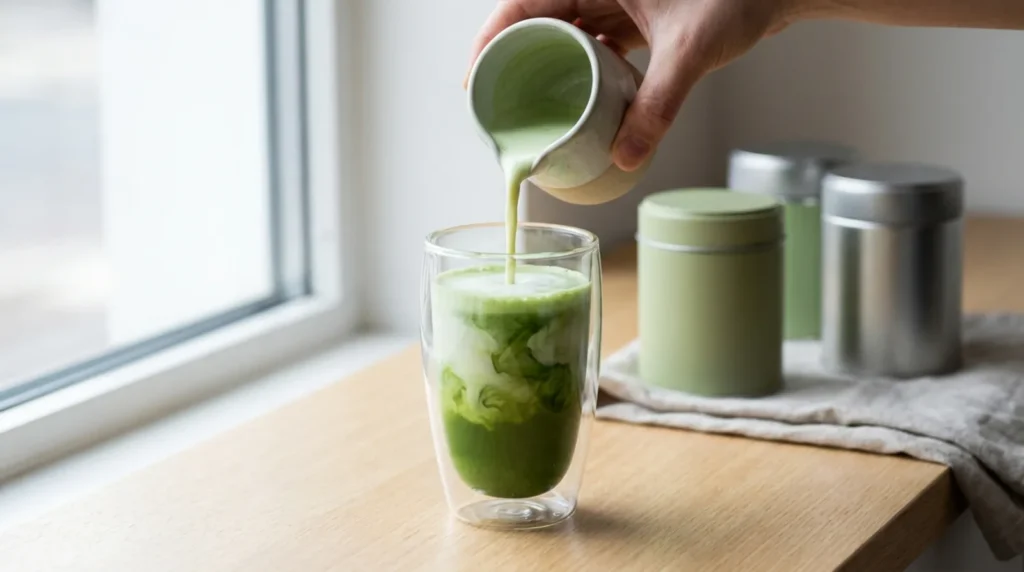

The verdict: the best matcha for lattes is a bold, second-harvest latte-grade powder, not a delicate ceremonial one. My top overall pick is Golde, named the best matcha for lattes by Love & Lemons and rated best-tasting by Fortune. It has a profile built to punch through 6 to 8 oz of milk instead of disappearing into it. If you’ve ever made a matcha latte that tasted like faintly green water, you bought the wrong grade. Easy fix.
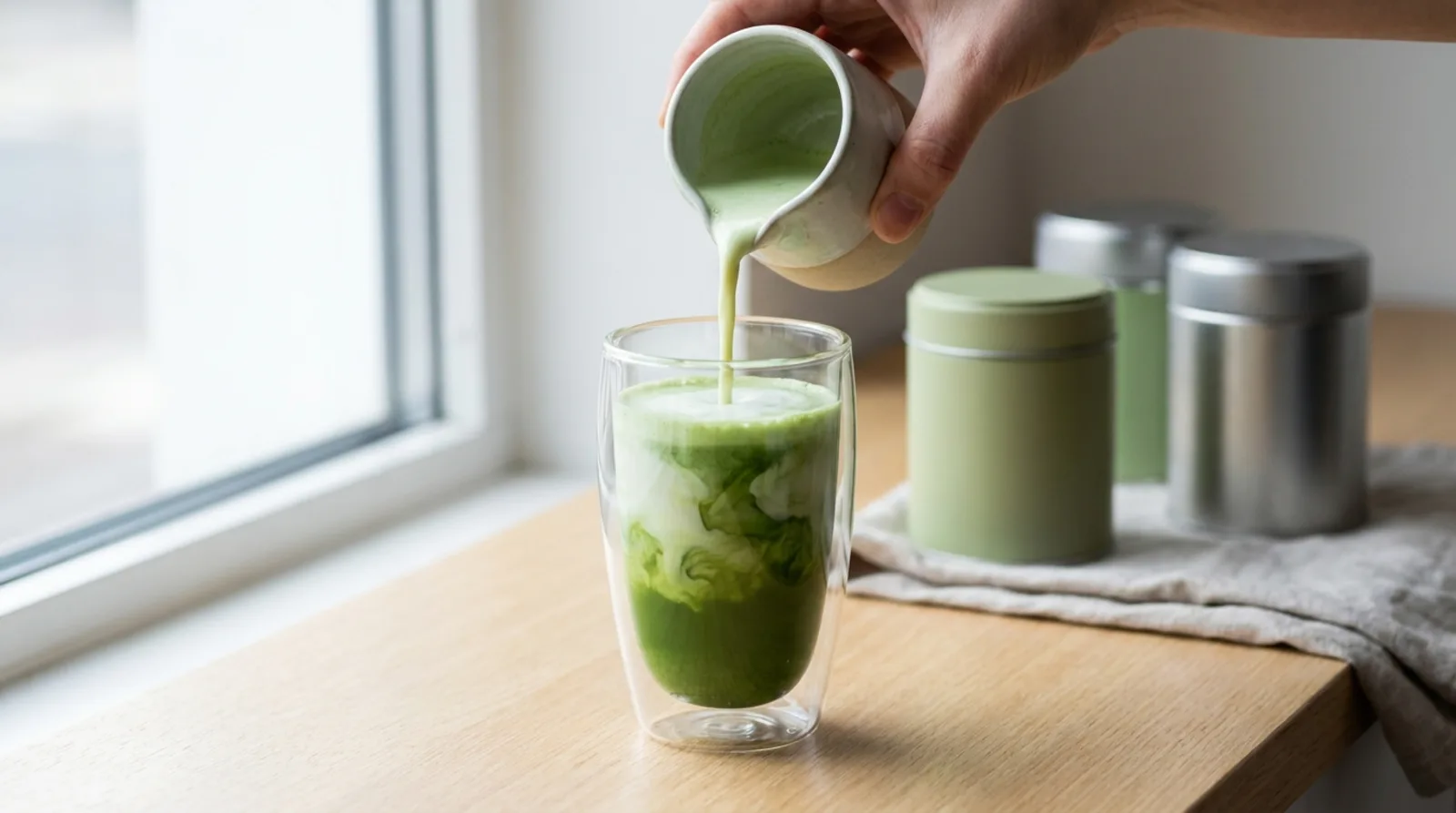
A latte-grade powder keeps its color and flavor as the milk goes in.
Transparency: there are no affiliate links in this guide. My rankings are independent and editorial.
Ceremonial matcha is built to be sipped straight, where soft umami and sweetness can shine. Pour milk over it and that subtlety gets buried. You’re paying for nuance the milk erases. For lattes you need something with backbone: a bolder, second-harvest powder that still tastes like matcha after steamed dairy or cold oat milk dilutes it. The picks below are ranked on the sourcing facts that matter once milk enters the cup: flavor-driving grade and harvest, named growing region, and price per serving. For the full landscape across every grade, see the guide to the best matcha. For milk drinks specifically, read on.
Latte Grade vs. Ceremonial: Which Should You Use?
Short answer: latte grade. The matcha industry is very good at upselling you on powder you don’t need for a milk drink.
Ceremonial grade comes from the youngest, first-harvest leaves. Delicate, naturally sweet, low in astringency. Whisked with hot water alone, it’s lovely. Add milk and the flavor that justified the price goes quiet.
Latte and culinary grade is bolder and more astringent on purpose. That edge is the point. It holds against 6 to 8 oz of milk and costs a fraction of premium ceremonial. The sweet spot for most people is second harvest (nibancha), leaves that get more sun and develop a robust, slightly grassy profile that’s still smooth enough to enjoy. Robust enough for milk, not so harsh it turns bitter.
For a complete breakdown of every grade and what the labels actually mean, see the explainer on matcha grades. The bottom line for lattes: buy latte grade for your daily drink, and save the ceremonial tin for usucha when you want to taste matcha on its own.
How I Ranked These
These picks are not the result of an in-house taste test. The brand selection reflects expert consensus: these are the names that recur across leading 2026 “best matcha” roundups, including Fortune, Love & Lemons, Tasting Table, Minimalist Baker, Food Republic, and Chowhound. When the same brands surface independently across that many editorial sources, that’s a strong signal of quality and reliability. Full source list is at the end of this guide.
The ordering within each “best for” category is justified by verifiable sourcing facts rather than any subjective tasting, namely:
- Grade and harvest. Latte and second-harvest (nibancha) leaves carry the bolder, more astringent profile that holds against 6 to 8 oz of milk, where delicate first-harvest ceremonial goes quiet.
- Named growing region. A documented origin such as Uji, Nishio, Yame, or Kagoshima signals accountable sourcing.
- Shade-grown and stone-milled. Traditional shade-growing builds the chlorophyll and amino acids behind vivid color and depth; stone milling yields a fine, clean-dissolving powder.
- Certification. Organic certifications (USDA, JAS) where a brand carries them.
- Price tier. Value matters for a daily milk drink; you should not pay ceremonial prices for a latte.
I don’t claim to have whisked or tasted these myself. Where a powder’s character is described, it’s a summary of the documented grade, harvest, and origin that drive how a matcha behaves in milk.
The Best Matcha for Lattes, Ranked
Best Overall for Lattes: Golde
Golde is the clearest latte pick in the 2026 roundups: Love & Lemons names it best for lattes outright, and Fortune rates it best-tasting. It’s a bolder, milk-ready profile designed to keep a saturated green and a clean grassiness in the cup instead of fading to pale jade. It holds its character in dairy and oat alike, which is why it lands as my best overall. Mid-range price per serving. A sound default for anyone who makes a latte most mornings and wants it to actually taste like matcha.
Best Budget: Jade Leaf Barista
You don’t need to spend much to get a solid milk-drink matcha. Jade Leaf, an affordable, beginner-friendly pick per Food Republic and Chowhound, sells a blended Japanese barista/latte-grade line in resealable packaging, with a punchy, grassy profile built for milk. It runs a touch less premium than the splurge picks, but in a sweetened oat latte that’s no drawback. It sits among the lowest prices per serving on this list. Good for daily drinkers who go through a bag fast and don’t want to think about cost.
Best Organic Latte Matcha: Encha
Fortune names Pique Sun Goddess its best organic matcha, but for a milk-ready latte I lean on Encha as a strong dual-certified alternative. Certified organic and single-origin from Uji, Encha keeps a robust character rather than skewing thin the way many organic powders do, and it appears on Food Republic‘s beginner list. The organic certification (USDA/JAS) and documented Uji shade-growing are the verifiable basis for its vivid color and depth. Mid-tier price, fair for certified organic sourcing. Good for buyers who want clean sourcing without losing the boldness milk drinks require.
Best Barista / Bulk (Café Volume): Ujido
If you’re pulling matcha lattes all day, you need a culinary/barista grade that’s consistent batch to batch and priced for volume. Ujido, flagged as a solid pick for beginners by Love & Lemons, is widely cited for café-friendly, larger-format bags with a strong, dependable profile that reads clearly through milk and over ice. Its bolder, slightly astringent latte grade is exactly what you want behind a counter, and the per-serving cost at volume is among the lowest here. Good for cafés, busy households, and anyone buying in bulk.
Best Value Latte / Oat-Milk Pick: Naoki
Oat milk is sweeter and rounder than dairy, and it can flatten a delicate matcha fast. Naoki, a beginner-friendly value option per Food Republic and Chowhound, makes a blended latte-grade matcha that leans bolder and slightly more astringent, an edge that balances oat’s natural sweetness instead of getting swallowed by it. As a second-harvest-style powder it’s well matched to iced oat-milk drinks where a lighter matcha would wash out, and it lands at a friendly price per serving. Good for the oat-milk crowd who want their latte to taste of matcha, not just sweet oat, without paying a premium.
Best Café-Quality Splurge: Ippodo
A storied Kyoto house that recurs across the leading roundups, the overall favorite (Ummon) at Love & Lemons and a top ceremonial pick (Sayaka) at Tasting Table, Ippodo bridges ceremonial smoothness and latte-grade strength. Its single-origin Uji sourcing and traditional shade-growing give it a rounder, less astringent profile and a deep color that still carries through milk. Priciest on this list, and worth it occasionally. Good for weekend lattes and anyone chasing that good-Kyoto-café quality at home without buying straight ceremonial.
Comparison Table
Attributes below reflect documented sourcing, not a taste test. Price per serving reflects tier, not a fixed figure. Prices shift.
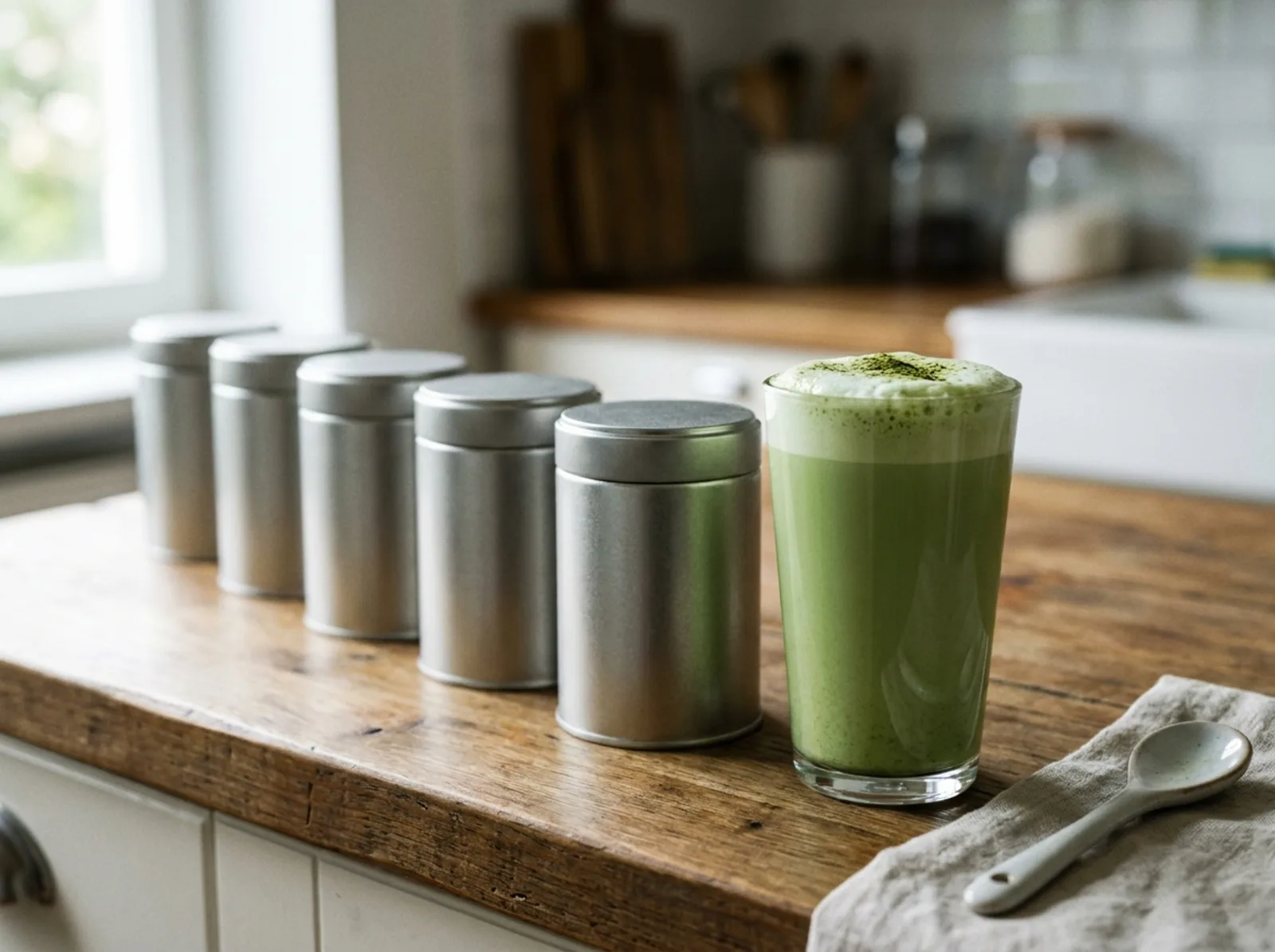
The lineup: bolder latte-grade powders that read clearly through milk.
| Product | Grade | Origin | Notable sourcing | Best for | Price/serving |
|---|---|---|---|---|---|
| Golde | Latte / culinary | Japan | Bold, milk-ready blend | Best overall | Mid |
| Ippodo | Premium latte | Uji, Kyoto | Single-origin, shade-grown | Best splurge | High |
| Ujido | Barista / culinary | Japan | Café-volume bags | Best barista/bulk | Low (bulk) |
| Encha | Organic latte | Uji, Kyoto | Certified organic (USDA/JAS) | Best organic | Mid |
| Naoki | Latte (blended) | Japan | Blended for milk drinks | Best value / oat milk | Low-mid |
| Jade Leaf Barista | Latte (blended) | Japan | Resealable, value pricing | Best budget | Low |
What Makes a Good Latte Matcha? (Buyer’s Checklist)
You can judge a latte matcha before it ever touches milk. Look for these:
- A bold, slightly astringent profile. That edge cuts through milk. A powder that tastes mild and sweet on its own will go quiet in a latte.
- Vivid green color. Bright emerald means the leaves were properly shade-grown, building chlorophyll and flavor. Dull, olive, or yellow powder is old or low grade and will taste flat.
- Stone-ground, single-origin Japanese leaf. Named regions like Uji, Kagoshima, or Nishio signal someone stands behind the sourcing.
- A recent harvest date and opaque, resealable packaging. Matcha fades fast in light and air. Clear bags are a bad sign.
- A reasonable price. No need for a $40 ceremonial tin for milk drinks. Spending more buys subtlety the milk erases.
For the technique that turns good powder into a good drink, see the full guide on how to make matcha latte.
How to Use Your Latte Matcha
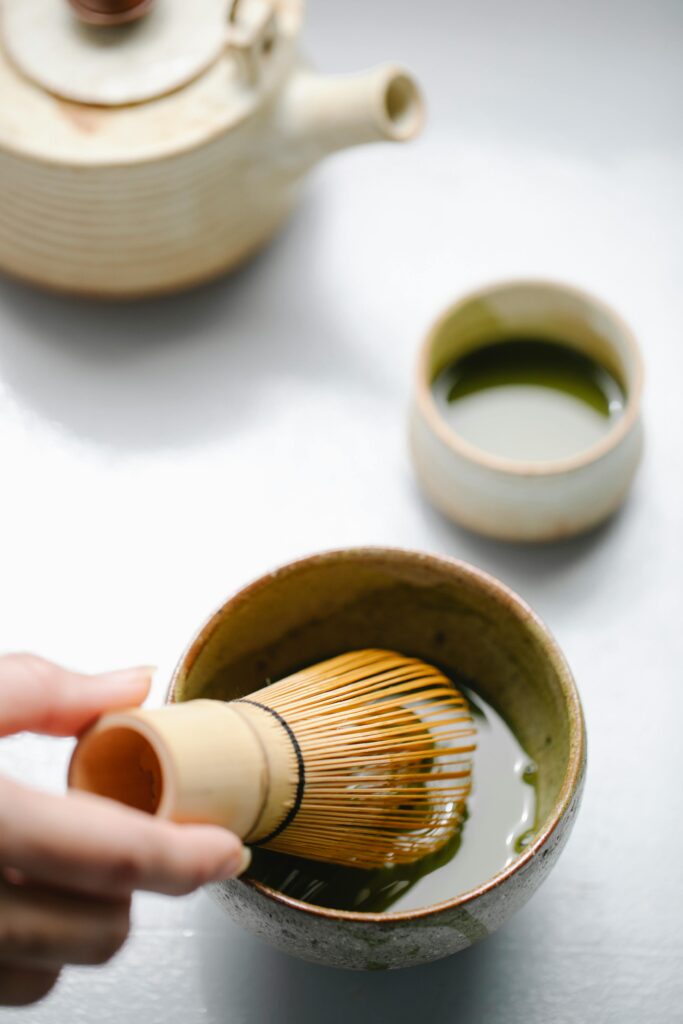
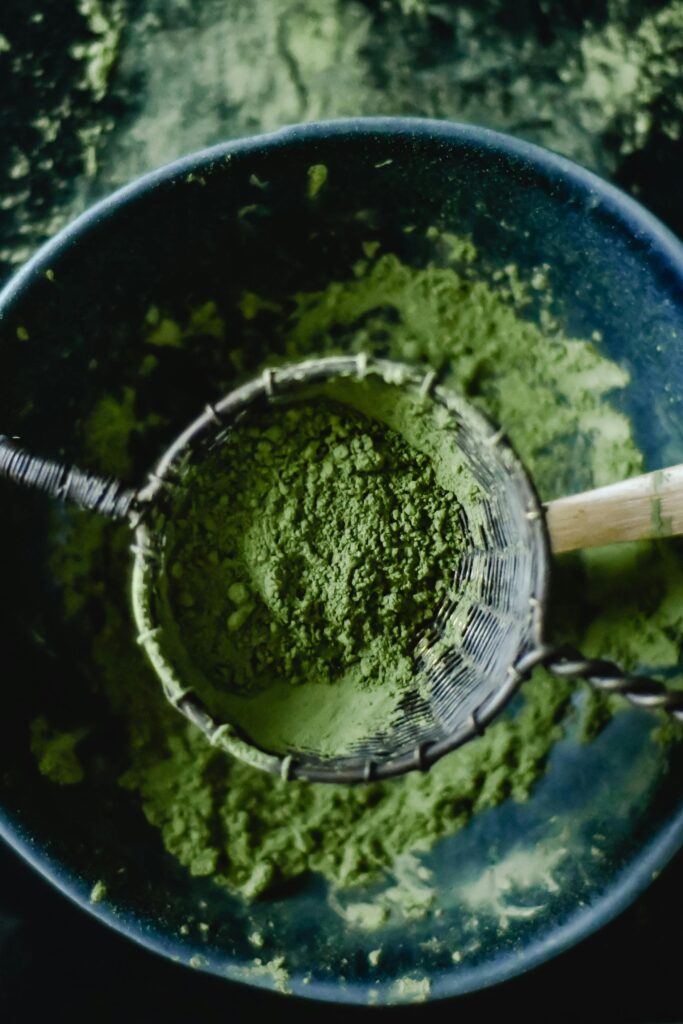
Use about 2 g of matcha, roughly a heaped teaspoon, to 2 oz of water, then top with 6 to 8 oz of milk. Heat the water to around 175°F. Never boiling: scalded powder turns sharp and bitter, and no amount of milk fixes it. Sift first to break up clumps, then whisk the powder and water into a smooth paste before the milk goes in. A proper matcha whisk and a brisk W-motion gets you there in about fifteen seconds. Pour over ice or steamed milk. For iced, hot, and frothing details, the how to make matcha latte walkthrough covers everything.
Last updated: June 2026. Selections reflect expert consensus across leading 2026 matcha roundups; ordering is based on verifiable sourcing facts (grade, harvest, origin, certification, price), not first-hand tasting. Rankings are independent and editorial.
Sources
This guide reflects expert consensus across leading 2026 matcha roundups. It is not based on my own taste test; picks are ordered by verifiable sourcing facts and how consistently brands appear across these independent reviews:
- Fortune: The Best Matcha Powders (2026)
- Love & Lemons: The 6 Best Matcha Powders
- Tasting Table: The 8 Best Ceremonial-Grade Matcha Powders
- matcha.com: The 6 Best Matcha Brands in 2026
- Food Republic: 10 Matcha Brands Perfect For Beginners
- Chowhound: The 9 Best Matcha Brands For Beginners
- Minimalist Baker: Best Matcha Review