
Who is Noritual Lab?

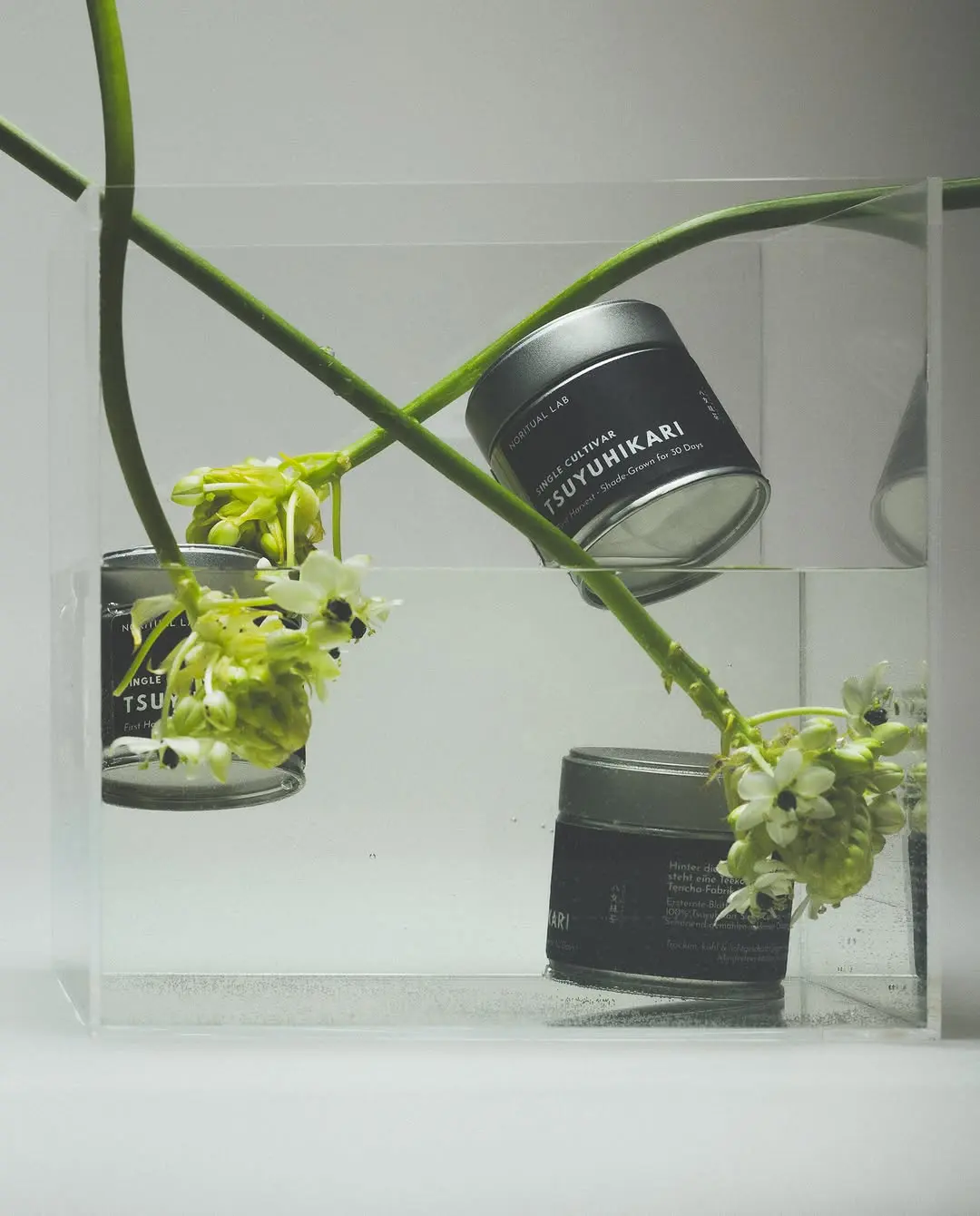
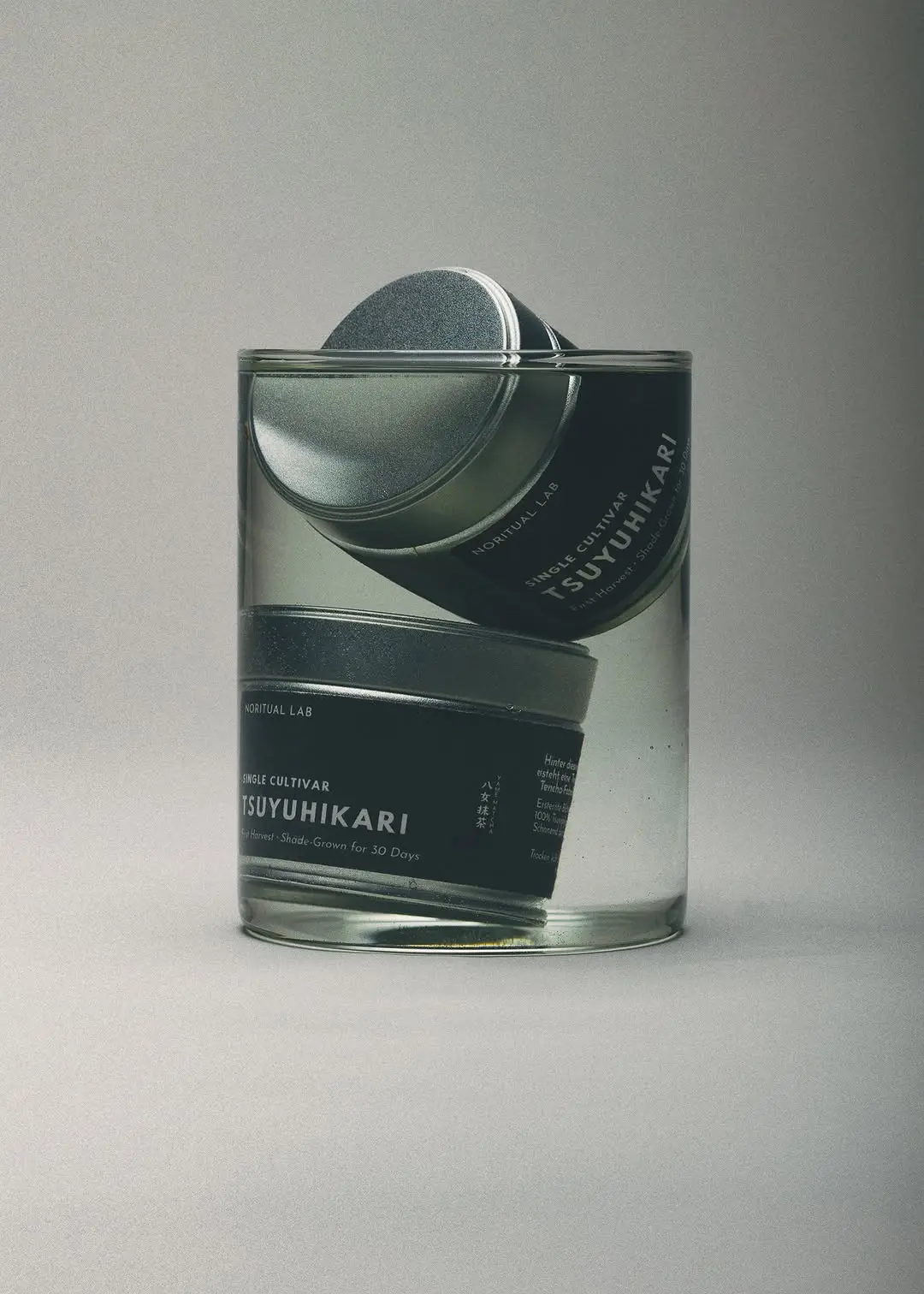
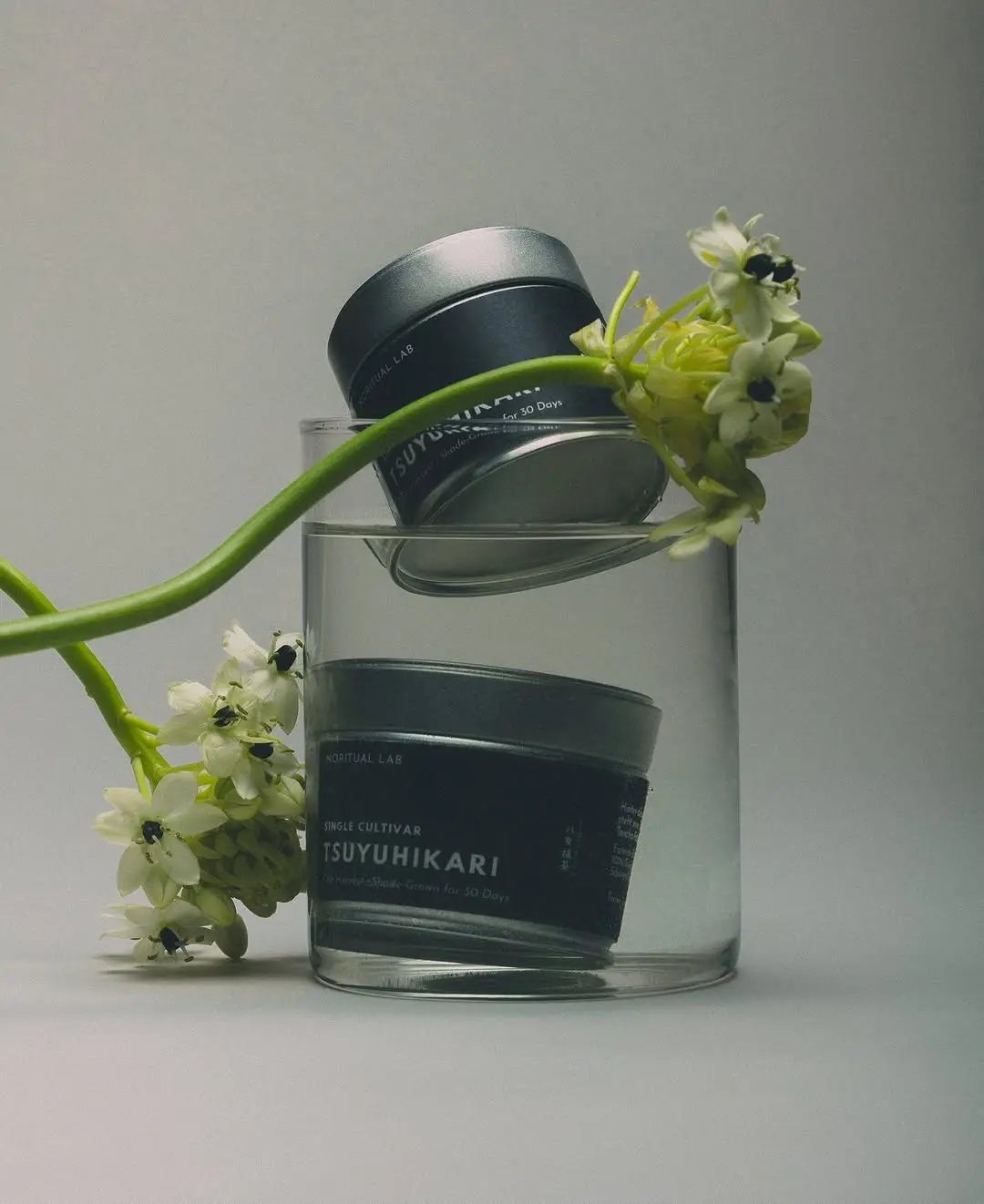
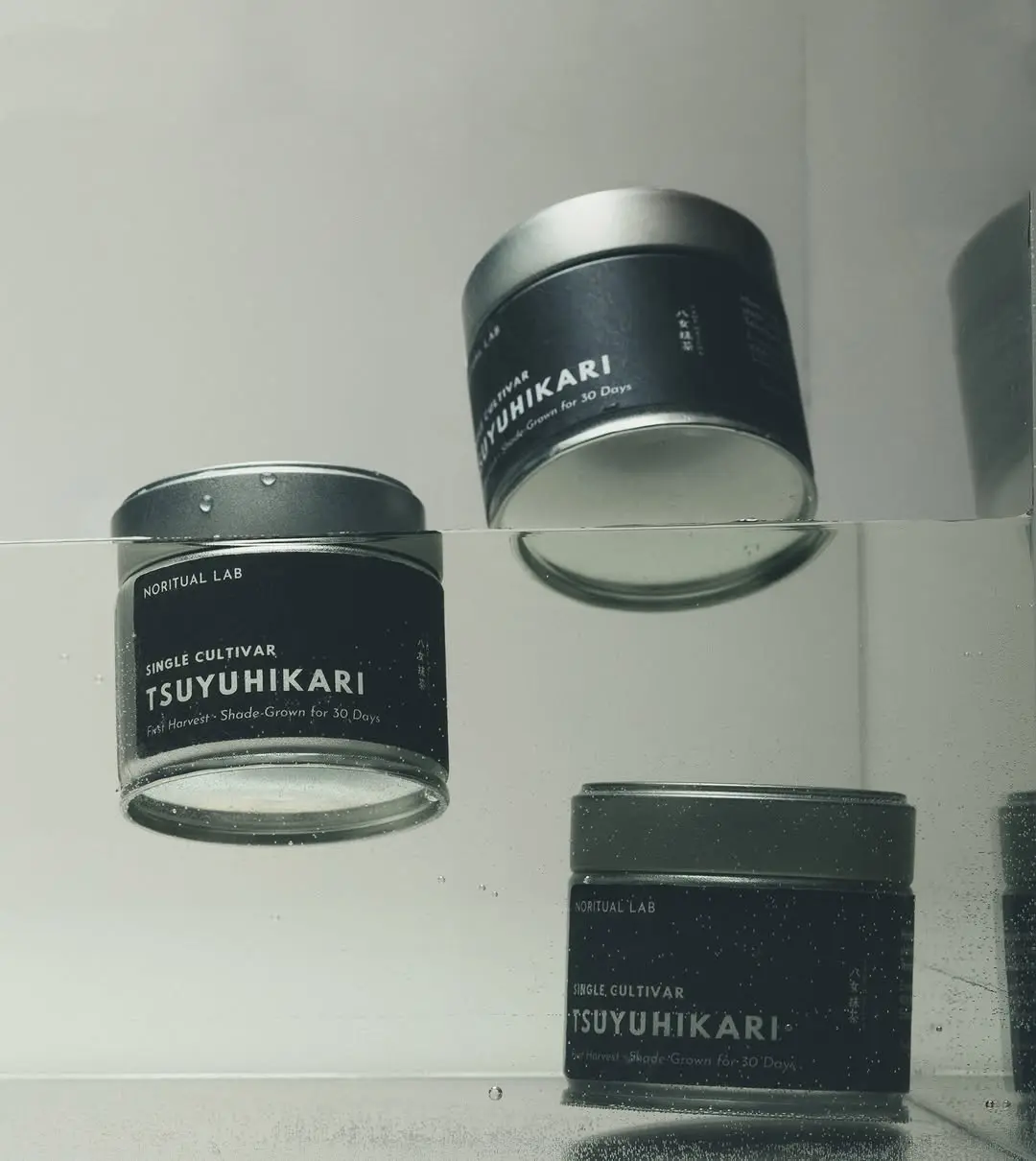
Noritual Lab is a matcha brand sourcing single-cultivar tea from family farms in Yame, Kyushu, Japan. Its Saemidori and Okumidori matcha keeps each cultivar’s character separate rather than blending varieties.

Partner farms use kanreisha shading, with leaves shaded for 40 days to support amino-acid development and umami. Products undergo lab testing for purity and quality, and Noritual Lab offers contest-grade matcha.

Reviews

Rated 3/5 by 5 reviews

Noritual Lab in details

Noritual Lab brings Japan’s centuries-old tea tradition to modern life through single-cultivar matcha sourced directly from award-winning family farms in Yame. Founded by Kai Alexander Funada Classen, who grew up immersed in Japanese tea culture, the brand exists to preserve authentic craftsmanship while making ceremonial-grade matcha accessible to today’s enthusiasts.

Rooted in Japanese Heritage

Kai’s personal connection to Japan shapes every aspect of Noritual Lab. Growing up with a deep appreciation for high-quality tea, he recognized that true ceremonial matcha deserves to be experienced beyond traditional tea ceremonies. This understanding drives the brand’s commitment to sourcing exclusively from traditional farms that have perfected their craft over generations.

Each batch comes from the tender leaves of the first harvest, shaded for 30 days to develop intense dark green color and naturally mild flavor without bitterness. This meticulous process reflects the patience and precision that define authentic Japanese tea production.

Single-Cultivar Excellence

Unlike blended matcha common in the market, Noritual Lab specializes in single-cultivar varieties that showcase distinct flavor profiles. This approach allows tea lovers to experience the unique characteristics of specific cultivars, much like appreciating different wine varietals. The brand’s partnership with award-winning family farms ensures traceability and consistent quality that mass-produced alternatives cannot match.

Their product range includes premium ceremonial grade matcha and Ceremonial Ryoku, an everyday matcha designed for creamy lattes. Ryoku maintains ceremonial quality standards while offering a finely nutty profile that complements milk-based preparations perfectly.

Building Community Through Ritual

The name itself signals the brand’s mission: reviving rituals in the modern world. Noritual Lab views matcha preparation not as a complicated ceremony but as a meaningful daily practice. Whether whisking traditional koicha or blending a morning latte, the act creates space for mindfulness in busy routines.

This philosophy resonates with a growing community of matcha enthusiasts who value authenticity and quality. By connecting directly with traditional producers and sharing their stories, Noritual Lab bridges cultural heritage with contemporary wellness practices, making exceptional Japanese matcha both accessible and meaningful for today’s tea lovers.

About the Noritual Lab Matcha

Noritual Lab specializes in single-cultivar matcha from the Yame region of Kyushu, Japan, showcasing the distinct flavor of individual tea varieties rather than blending multiple cultivars.

Featured cultivars

  • Saemidori: prized for a vibrant green hue, smooth texture, and a harmonious balance of sweetness and umami, finishing mild and refreshing.
  • Okumidori: cultivated under roughly 40 days of shading, a variety recognized in tasting competitions.

Contest-grade matcha

The contest-grade matcha shows a saturated, full green color with no yellow undertones, indicating freshness, and its aroma alone reveals pronounced umami and sweetness. Tasting notes describe unripe walnut, grassiness, sugar snap peas, and subtle fruitiness, with no bitterness. It is offered in a 40-gram tin, and all products undergo lab testing for purity and quality.

Harvest location

Noritual Lab sources its single-cultivar matcha exclusively from family-run farms in the Yame region of Kyushu, Japan, an area prized for its ideal climate and its long expertise in shaded teas, particularly Gyokuro.

Shading method

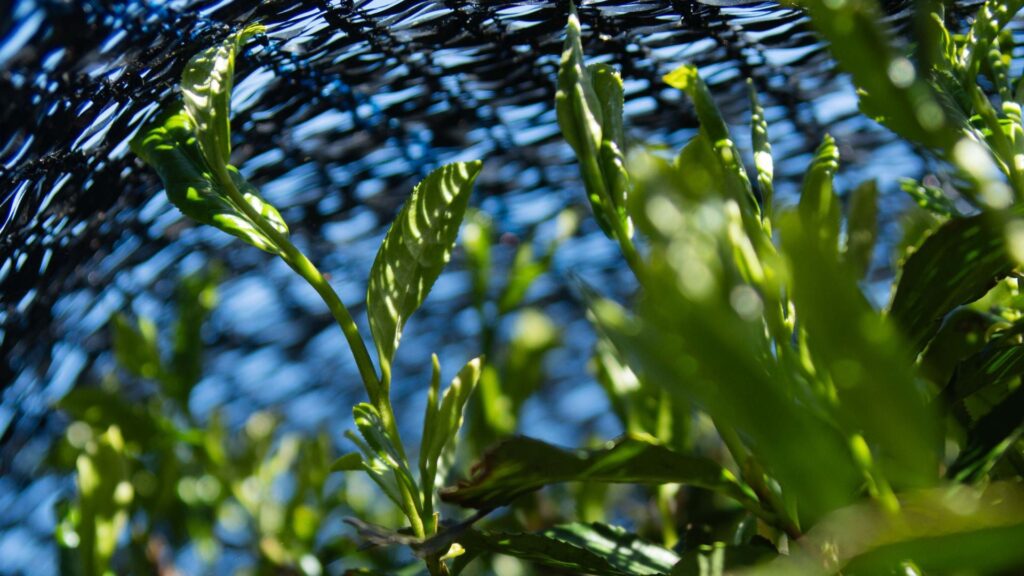
The partner farms use the kanreisha method, placing black synthetic nets directly over the plants for uniform shade. This reduces bitterness and raises amino-acid content, especially the L-theanine behind matcha's umami and calming character.

Extended shading period

The leaves are shaded for a full 40 days, well beyond the 20 to 30 days typical for Yame Gyokuro. This longer window optimizes flavor development and amplifies umami richness and amino-acid concentration. The farms emphasize traceability, ethical production, and fully natural ingredients.

Noritual Lab History

Noritual Lab was founded in 2020 by Kai Alexander Funada Classen, a Japanese native, under Ancora Pacific GmbH, with a mission to revive the ritual of tea and preserve traditional Japanese ceremony.

Milestones

  • 2022: Partnered with award-winning family-run farms in the Yame region of Kyushu.
  • 2024: Won a gold medal at the International Premium Tea Appraisal and a One-Star Great Taste Award in the UK.
  • 2025: Launched its Single Cultivar Saemidori matcha.
January 1, 2020

Kai Alexander Funada Classen, a Japanese native with deep appreciation for tea culture, founded Noritual Lab under Ancora Pacific GmbH with the mission to revive ritualistic aspects of tea consumption and preserve traditional Japanese tea ceremonies while embracing modern innovation.

January 1, 2022

Noritual Lab established collaborations with traditional, award-winning family-run farms in the Yame region of Kyushu, Japan, focusing on single-cultivar matcha production using the Kanreisha shading method with 40-day cultivation periods to optimize flavor development and amino acid content.

January 1, 2024

Noritual Lab's Okumidori cultivar matcha achieved significant recognition by winning gold medal at the International Premium Tea Appraisal and receiving the One-Star Award at the Great Taste Awards in the UK, establishing their reputation for exceptional single-cultivar matcha quality.

January 1, 2025

Noritual Lab introduced their Single Cultivar Saemidori matcha from the 2025 harvest, showcasing the unique flavor profile of this specific cultivar known for its vibrant green hue, smooth texture, and harmonious balance of sweetness and umami with a mild, refreshing finish.

Frequently asked questions

Here are some frequently asked questions and answers.

Where does Noritual Lab source its matcha?

Noritual Lab sources its matcha exclusively from family-run farms in the Yame region of Kyushu, Japan. The brand works with traditional producers and focuses on traceable, single-cultivar matcha. Its featured cultivars include Saemidori and Okumidori, allowing drinkers to experience each tea variety separately rather than as part of a blend.

What does single-cultivar mean for Noritual Lab matcha?

Single-cultivar means Noritual Lab keeps individual tea varieties separate instead of blending multiple cultivars. This approach highlights the distinct characteristics of each variety. The range features Saemidori, described as smooth and balanced between sweetness and umami, and Okumidori, a shaded variety recognized in tasting competitions.

How are Noritual Lab tea plants shaded before harvest?

Partner farms use the kanreisha method, placing black synthetic nets directly over the tea plants to provide uniform shade. The leaves are shaded for a full 40 days. According to the record, this extended shading reduces bitterness and supports amino-acid development, including the L-theanine associated with matcha’s umami character.

What does Noritual Lab contest-grade matcha taste like?

Noritual Lab’s contest-grade matcha is described as having pronounced umami and sweetness without bitterness. Its tasting notes include unripe walnut, grassiness, sugar snap peas, and subtle fruitiness. The powder has a saturated, full green color without yellow undertones, and the product is offered in a 40-gram tin.

Which Noritual Lab matcha is intended for lattes?

Ceremonial Ryoku is Noritual Lab’s everyday matcha for creamy lattes. It maintains the brand’s ceremonial quality standards while providing a finely nutty profile designed to complement milk-based preparations. The wider range also includes premium ceremonial-grade matcha for drinkers interested in other preparation styles, including traditionally whisked matcha.