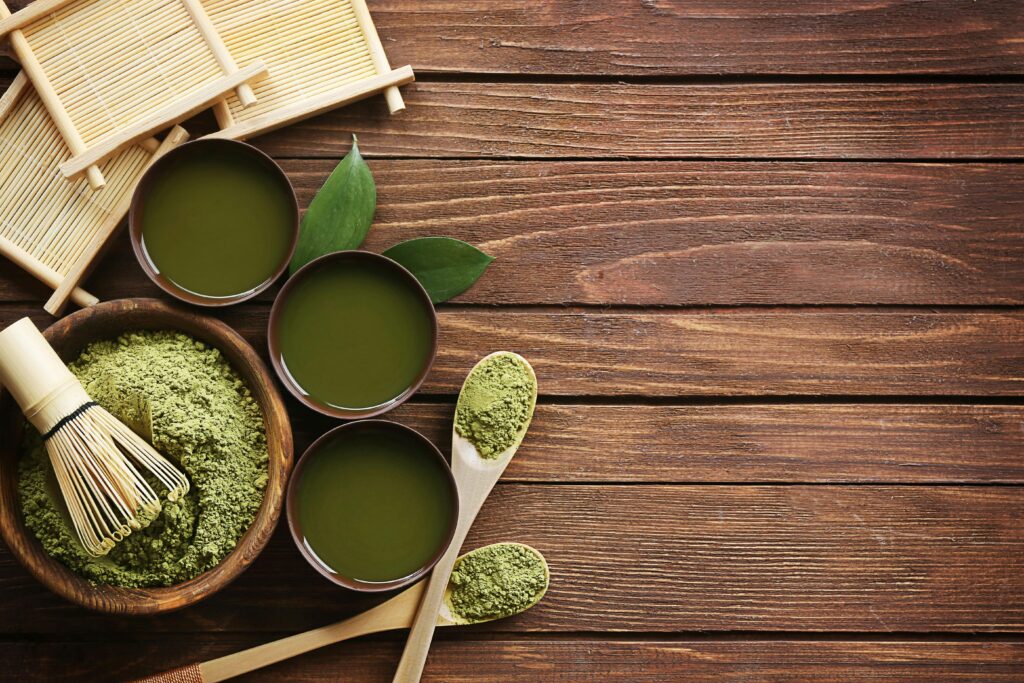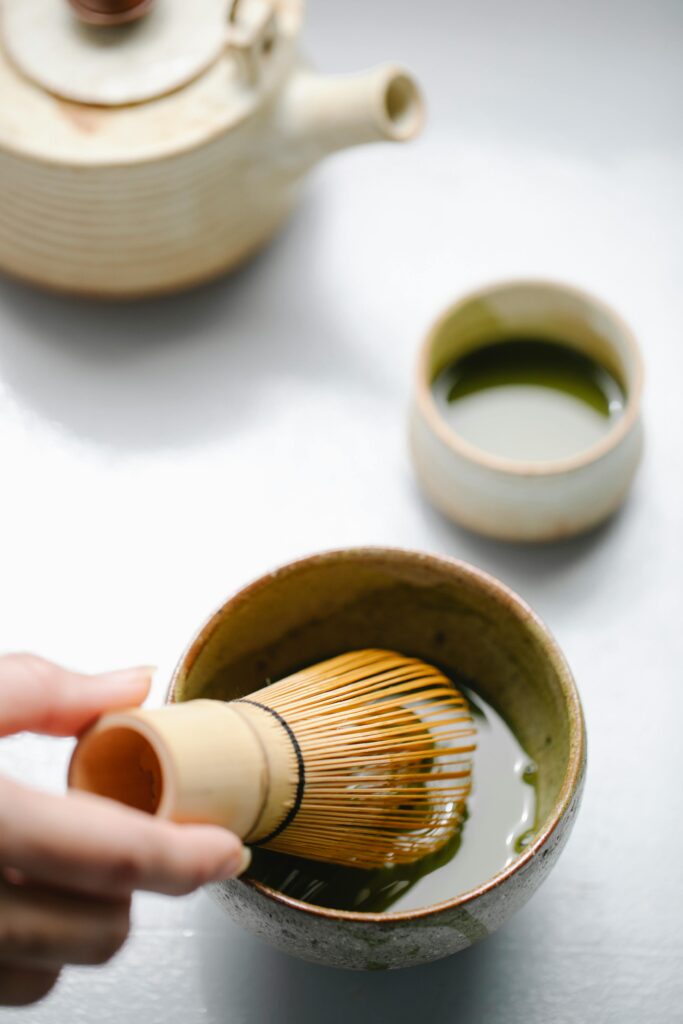

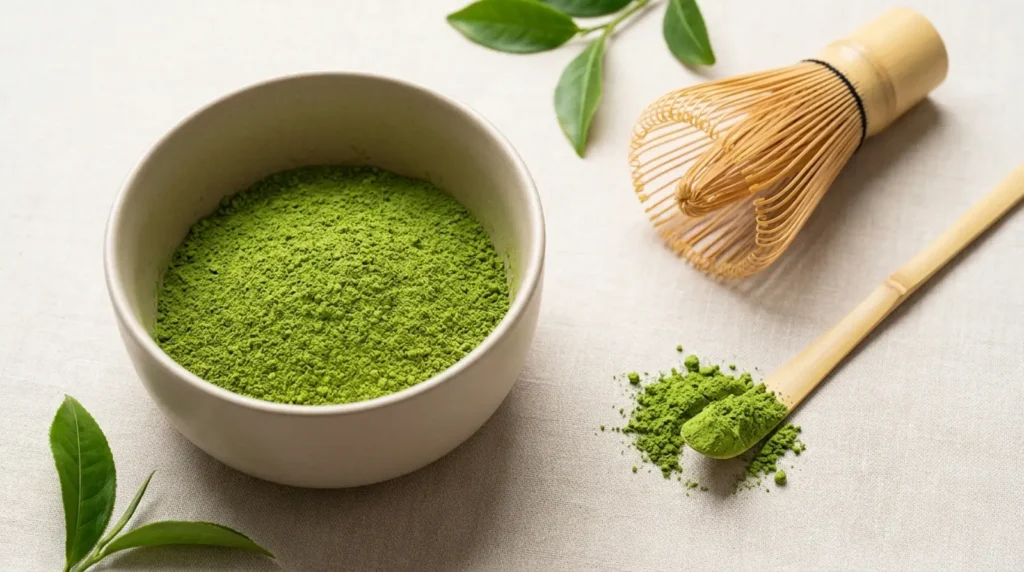

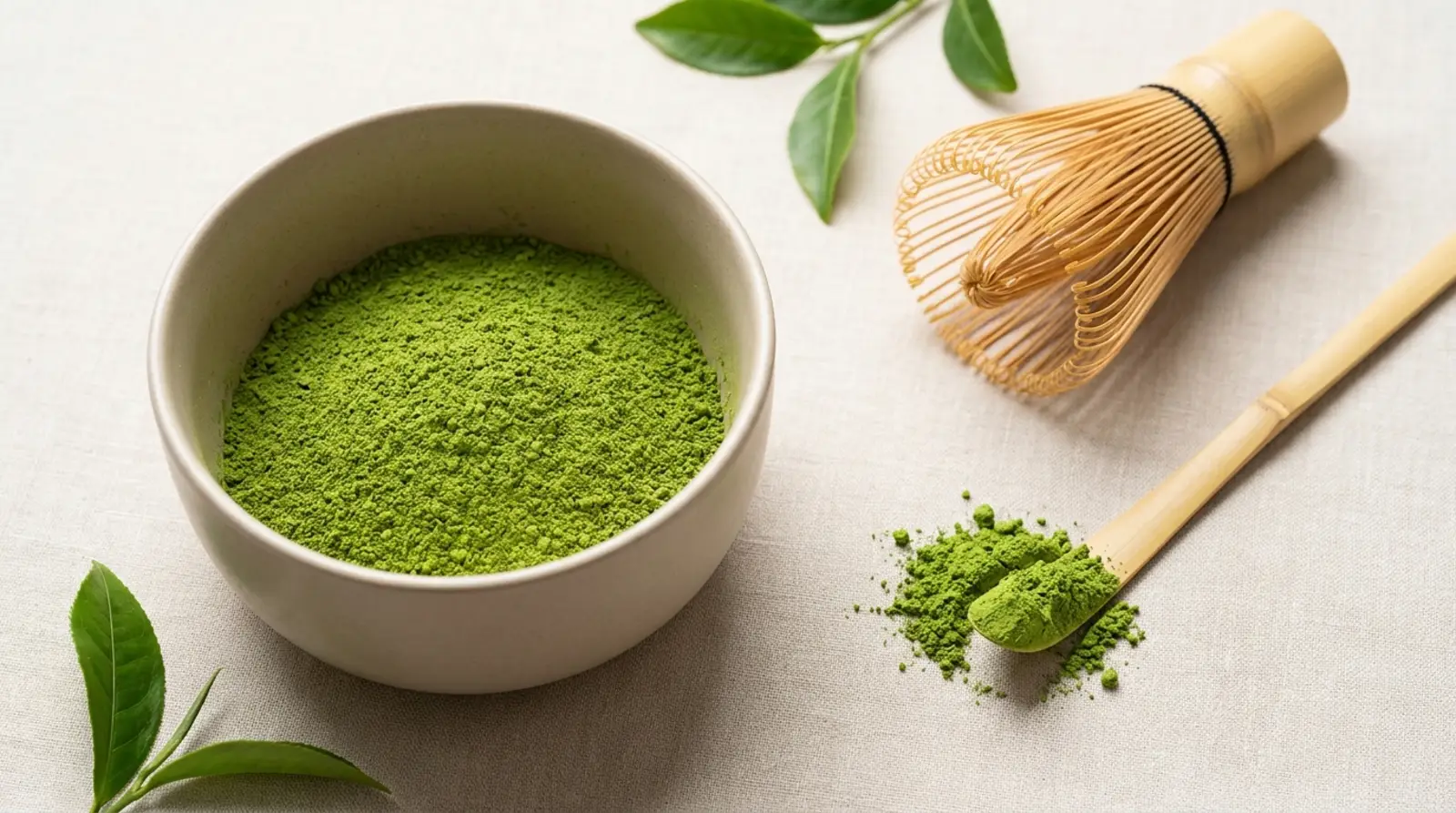
My 2026 shortlist: several premium ceremonial tins beside a freshly whisked bowl of vivid emerald matcha.
The short answer: The best matcha for most people is a first-harvest, single-origin Japanese powder with vivid emerald color and a baby-powder-fine grind. Across leading 2026 roundups, the most-cited overall picks are Ippodo (Ummon), the overall favorite at Love & Lemons, and Jade Leaf, named best overall by Fortune. Jade Leaf is also the best starting point for beginners. For traditional Uji, Marukyu Koyamaen is the reference house. Everything else follows below.
Last updated: June 2026. Transparency: there are no affiliate links in this guide. My rankings are independent and editorial.
The shelf has gotten crowded. Matcha moved from tea-ceremony niche to café staple fast, and a lot of what followed was dull, bitter, and mislabeled powder sold in pretty tins at premium prices. Finding the best matcha now means cutting through that. The brands here are the ones that recur across leading 2026 “best matcha” roundups, ordered within each use case by verifiable sourcing facts.
This guide gives you two things: a ranked shortlist of top picks for every use case, and a repeatable framework for judging any tin yourself. New to matcha? There’s a beginner on-ramp near the end so you don’t overspend on your first tin.
The Best Matcha of 2026 at a Glance
The whole shortlist in one table. Each pick is mapped to its use case, with the sourcing data most roundups skip: named origin, harvest season, and grade. Ordering reflects expert consensus across leading 2026 roundups and is justified by these verifiable facts (see how I ranked these).
| Pick | Best for | Brand | Origin | Harvest | Grade | Price tier | Source |
|---|---|---|---|---|---|---|---|
| Ippodo Ummon / Sayaka | Best overall | Ippodo | Uji, Kyoto | First-harvest | Ceremonial | Premium | Love & Lemons |
| Jade Leaf Ceremonial | Best for beginners | Jade Leaf | Uji & Kagoshima | First-harvest | Ceremonial | Budget–Mid | Food Republic |
| Marukyu Koyamaen (premium blend) | Best traditional Uji | Marukyu Koyamaen | Uji, Kyoto | First-harvest | Ceremonial | Premium | matcha.com |
| Pique Sun Goddess | Best organic | Pique | Kagoshima | First-harvest | Ceremonial (organic) | Mid–Premium | Fortune |
| Golde | Best for lattes | Golde | Japan | First-harvest | Ceremonial | Mid | Love & Lemons |
| Sencha Naturals | Best value / everyday | Sencha Naturals | Japan | Mixed | Everyday | Budget | Fortune |
| Naoki Latte | Best beginner-friendly latte value | Naoki | Nishio & Kagoshima | First/second | Latte | Budget–Mid | Food Republic |
| Marukyu Koyamaen Kiwami Choan | Best splurge / single-origin | Marukyu Koyamaen | Uji, Kyoto | First-harvest | Ceremonial | Premium+ | matcha.com |
Scanners can stop here. The full mini-reviews, buyer’s guide, and price math follow. For a deeper brand-by-brand breakdown beyond the top eight, see the guide to the best matcha brands.
My Top Matcha Picks, Ranked
Eight picks. Every slot earns its place. Each entry leads with a one-line verdict, then the sourcing, then the color, texture, and taste characteristics that define the grade.
Best Overall: Ippodo
Verdict: Kyoto pedigree, remarkable consistency, and the pick that tops the most 2026 lists. The safest premium choice for anyone who drinks matcha neat.
Ippodo is a Kyoto institution, and its Ummon blend was the overall favorite at Love & Lemons; Sayaka is a frequent ceremonial pick at Tasting Table. Both use first-harvest Uji leaf, stone-milled to ceremonial grade: vivid emerald powder, fine texture, and a balanced profile with umami and natural sweetness up front and a clean finish.
One important note: “ceremonial grade” is an unregulated marketing term with no legal definition (more on that below), but Ippodo’s named origin and first-harvest sourcing back it up. (Fortune’s own best-overall pick is Jade Leaf’s Barista Edition, so the “overall” crown is genuinely split across roundups.) Worth the premium if you drink matcha straight. For the full category deep-dive, see the explainer on ceremonial grade matcha.
Best for Beginners: Jade Leaf
Verdict: Forgiving, affordable, genuinely good. A roundup favorite for newcomers, with the price and availability to match.
Jade Leaf earns the beginner slot on three counts: price, availability, and an approachable profile. It appears on both Food Republic‘s and Chowhound‘s beginner lists, and Fortune named its Barista Edition best overall. Its ceremonial line blends first-harvest leaf from Uji and Kagoshima. The powder is bright green, the profile mild and lightly grassy, and it works both straight and in milk. A connoisseur won’t be dazzled, but that’s the point: it builds the habit before you spend up. New to matcha? Start here and read how to make a matcha latte to get your first cup right.
Best Traditional Uji: Marukyu Koyamaen
Verdict: The centuries-old Uji reference house. Where you go for classic, tea-ceremony-grade Kyoto leaf, not for the “best overall” title.
Marukyu Koyamaen is the traditional Uji pick, named the best classic Uji house by matcha.com (alongside other heritage growers like Marukyu’s Kyoto peers). It sources first-harvest (ichibancha) leaf from Uji, Kyoto, and stone-mills it to ceremonial grade — sourcing that typically yields a deep-emerald powder at a true baby-powder fineness. Leaf of this class is prized for the thick, dense usucha froth, sweet-savory profile, and long umami finish associated with top Uji ceremonial grade. Premium-priced, and the price-to-quality ratio is honest for those who want an authentic, traditional Uji cup drunk straight.
Best Organic: Pique Sun Goddess
Verdict: Certified organic with a clean, vivid cup. Fortune‘s best organic pick.
Fortune named Pique’s Sun Goddess its best organic matcha. It uses first-harvest leaf from Kagoshima, certified organic matcha with quadruple toxin screening. The color is a strong emerald, the texture fine, and the taste rounded rather than sharply astringent. A little goes a long way. If certification matters to you, this is the sourced organic pick; Encha, dual-certified USDA and JAS organic with first-harvest Uji leaf, is a strong alternative if you want an organic option grown in Kyoto.
Best for Lattes: Golde
Verdict: Built to shine in milk. Love & Lemons‘s pick for lattes, and Fortune‘s best-tasting overall.
Golde was named best for lattes by Love & Lemons and best-tasting by Fortune, a rare double nod. Its milk-ready grade is built to hold color against dairy and oat milk where a delicate ceremonial blend vanishes, with a profile positioned as smooth and approachable rather than sharply astringent. That balance of vividness and roundness is exactly what a latte wants. For the full lineup of milk-friendly powders, see the roundup of the best matcha for lattes.
Best Value / Everyday: Sencha Naturals
Verdict: The affordable daily workhorse. Fortune‘s best affordable pick.
Fortune named Sencha Naturals its best affordable matcha. It reflects everyday value: accessible, budget-friendly, and clean-tasting. The leaf is blended rather than single-origin, and the color is a solid green rather than a showstopping emerald. Better in a latte or for cooking than sipped neat. For a daily cup you don’t want to overthink, this is the value benchmark. (Love & Lemons‘s value pick, Navitas, is a comparable budget alternative.)
Best Beginner-Friendly Latte Value: Naoki
Verdict: Punches above its price in milk. Vivid, smooth, affordable for daily use.
Naoki appears on Food Republic‘s and Chowhound‘s beginner lists, and its latte-grade blends Nishio and Kagoshima leaf. Bolder and more affordable than premium ceremonial tins, and it doesn’t taste cheap. The color holds in milk. The flavor is smooth with gentle astringency. That’s exactly what a latte wants. A good pick for anyone who drinks matcha milky every morning and would rather not burn through a premium tin doing it.
Best Splurge / Single-Origin: Marukyu Koyamaen Kiwami Choan
Verdict: The top of the lineup. A named single-origin blend that shows what Uji first-harvest leaf can actually do.
This is the ceiling. As the traditional Uji house matcha.com points to for classic Kyoto leaf, Marukyu Koyamaen’s named premium blends use carefully selected first-harvest Uji leaf, stone-milled and positioned as one of the house’s flagship grades. It’s the sort of grade made for a thick, sweet-savory usucha with a lingering finish — overkill for lattes, where that nuance is lost in milk. For a special tin to drink straight and slowly, it sits at the top of this lineup.
How Did I Rank These Matchas?
These picks are not based on a personal taste test. The brand selection reflects expert consensus: these are the names that recur across leading 2026 “best matcha” roundups, including Fortune, Love & Lemons, Tasting Table, matcha.com, Food Republic, Chowhound, and Minimalist Baker (linked in Sources). When the same houses appear list after list, that agreement is a meaningful signal.
I compiled and ranked this shortlist from those published reviews; I haven’t tasted these myself.
The ordering within each “best for” category is justified by verifiable sourcing facts rather than any tasting:
- Named growing region: Uji (Kyoto), Nishio (Aichi), Yame (Fukuoka), or Kagoshima. A specific region beats vague “product of Japan” labeling.
- Harvest: First-harvest (ichibancha) leaf is the season’s youngest and sweetest; later harvests are more astringent.
- Shade-grown and stone-milled: Hallmarks of drinking-grade matcha.
- Certification: USDA Organic or JAS organic where a brand carries it.
- Price tier: What each grade typically costs per gram, so value is judged fairly within its tier.
I don’t claim to have whisked and scored these myself. Where these facts are publicly stated by the brands and corroborated across roundups, they drive placement. Where a powder’s character is described — its color, texture, or flavor — that summarizes the documented grade, harvest, and origin that shape it, not a cup anyone brewed for this guide. Affiliate commissions never influence the order. For more on the houses behind these picks, see the best matcha brands guide.
How to Choose the Best Matcha: Buyer’s Guide
My picks are a shortcut. The real skill is judging any tin on the shelf yourself. Six signals do almost all the work. Master them and you’ll spot high quality matcha without needing a roundup.
Are Matcha Grades Like “Ceremonial” Regulated?
Start with the most important truth in matcha marketing: “ceremonial grade” has no legal or standardized definition. Any brand can print it on any tin. It’s a rough signal of intent (powder meant for straight drinking rather than baking) but guarantees nothing about quality. Same with “latte grade” and “culinary grade,” which generally mean a bolder, more astringent leaf designed to survive milk and sugar. Judge by attributes, not the label. Full breakdown: matcha grades. Top-tier specifics: ceremonial grade matcha.
What Color Should Good Matcha Be?
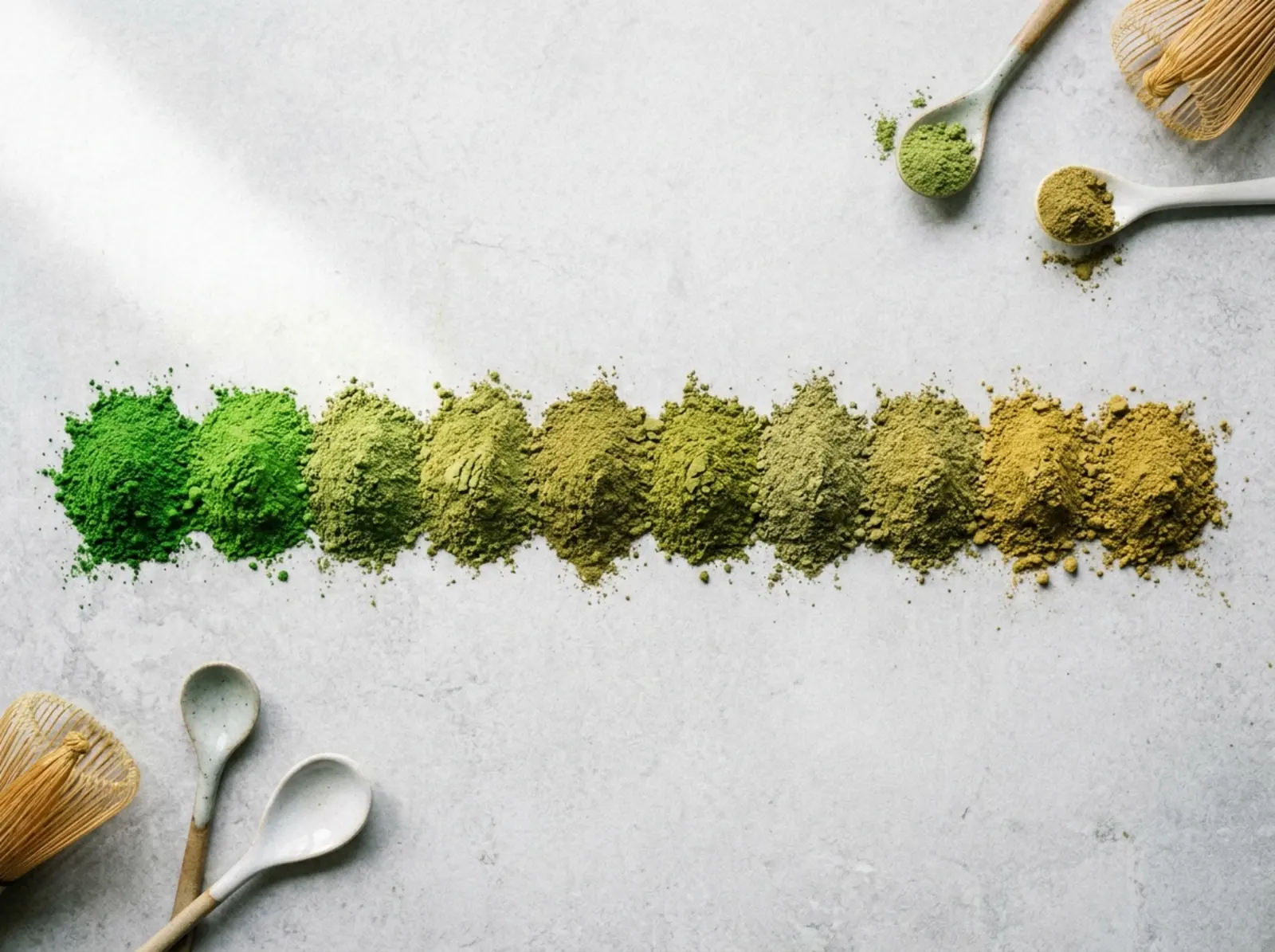
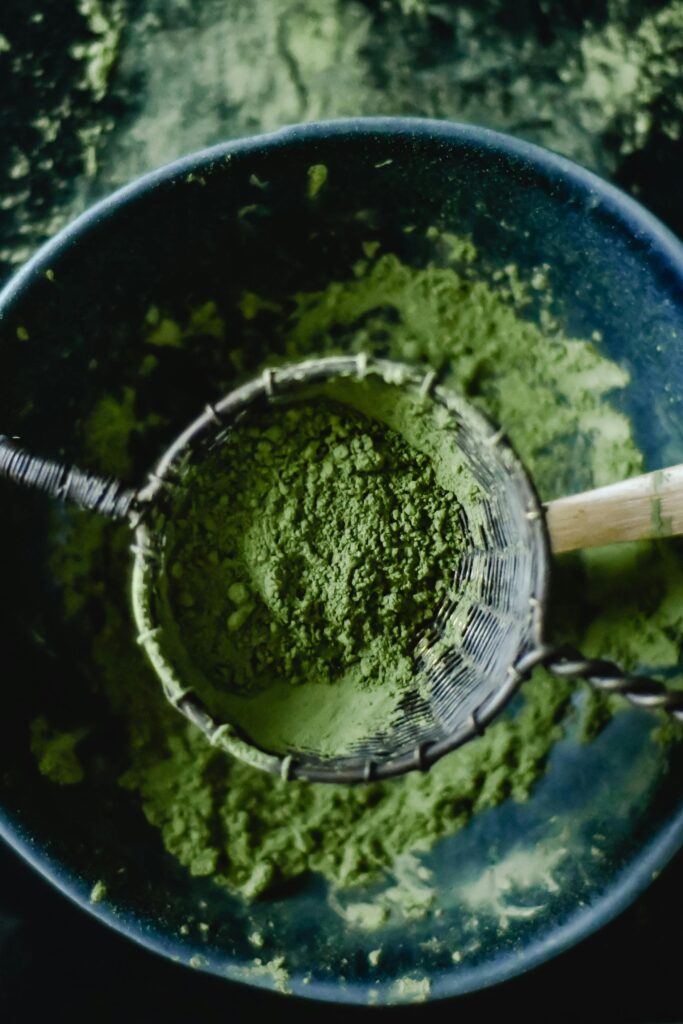
Side-by-side powders show the color range, from electric emerald (top grade) to dull olive and yellow (older or lower grade).
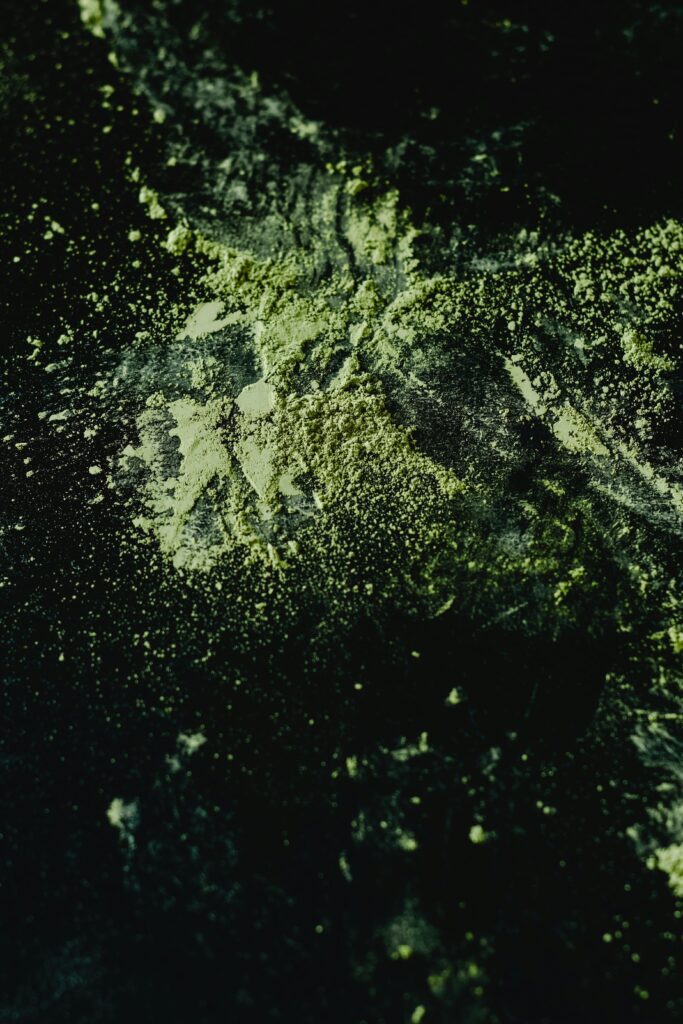
Color is the fastest quality tell you have. Premium matcha made from young, shade-grown, first-harvest leaf is a vivid, almost electric emerald green. A dull, olive, brownish, or yellow cast points to older leaf, more stems, lower grade, or oxidation from age or heat. This holds in the dry powder and in the cup: great matcha builds a bright green whisk; poor matcha looks khaki. Trust your eyes.
What Should Matcha Texture Feel Like?
Ceremonial matcha is stone-ground to an extraordinarily fine powder. It should feel like baby powder between your fingers and clump softly rather than feeling sandy. Grittiness signals a coarser grind or culinary-grade leaf, and it shows up in the cup as a gritty mouthfeel that won’t suspend smoothly. If a brand publishes particle size data, fineness is a strong quality proxy.
What Should Matcha Smell and Taste Like?
Good matcha smells fresh, sweet, and grassy and tastes of umami with natural sweetness and only gentle astringency. Red flags: a hay-like or fishy aroma (age or poor storage) and harsh bitterness (over-old or low-grade leaf, or water brewed too hot). Check your water temperature before blaming the powder. A quality leaf is forgiving where a cheap one punishes every mistake.
Does Matcha Origin Matter?
Where the leaf was grown matters. Named Japanese regions consistently outperform vague “product of Japan” or “product of China” labeling. Uji (Kyoto) is the most prestigious for drinking-grade matcha. Nishio (Aichi), Yame (Fukuoka), and Kagoshima offer excellent value. A transparent brand tells you the region and often the cultivar. When you’re ready to buy, the guide on where to buy matcha lists vetted retailers.
How Do Harvest and Freshness Affect Matcha?
First harvest (ichibancha) is the season’s youngest, sweetest leaf. Later harvests are more astringent and usually cheaper. Freshness then degrades fast: matcha is a fine powder that oxidizes once exposed to air, light, and heat. Buy powder packed in opaque tins or sealed foil, not clear bags. Buy small quantities you’ll finish quickly. Store cold and dark. Use within a few weeks of opening for peak color and flavor.
How Much Should Matcha Cost? Price Tiers
Price tracks quality in matcha, but only up to a point. Overpaying is as common as buying bitter bargain powder. Here’s what each tier actually delivers:
- Budget / everyday (culinary to latte grade): Lowest per-gram cost. Blended, often later-harvest leaf. Solid green rather than emerald. Good in lattes, smoothies, or baking. Fine for learning; not for sipping neat. Sencha Naturals and Naoki’s value lines live here.
- Mid (good daily ceremonial): A meaningful step up per gram. First-harvest or high-grade blends with vivid color, fine texture, and a smooth straight-drinking profile. The sweet spot for people who drink matcha neat regularly. Golde, Pique, and Jade Leaf’s ceremonial tier sit here.
- Premium / single-origin (ceremonial): Highest per-gram cost. Named single-origin first-harvest Uji leaf, intense umami, the smoothest cup. Worth it for connoisseurs and for drinking straight on occasion. Overkill for lattes, where the nuance is lost in milk. Ippodo and Marukyu Koyamaen’s named blends define this tier.
Practical rule: buy the cheapest tin that meets the color, texture, and origin bar for how you’ll actually drink it. Lattes don’t need premium single-origin. Straight sipping doesn’t deserve budget powder.
New to Matcha? Start Here
Two paths work. Pick the one that fits how you’ll drink it:
- With milk: Start with Jade Leaf or Naoki’s latte grade. Affordable, hard to ruin, tastes great sweetened or in oat milk. Follow the step-by-step how to make a matcha latte guide.
- Learning the straight flavor: A mid-tier daily ceremonial (Encha or Jade Leaf ceremonial) lets you taste proper umami without a premium price.
You’ll also need basic tools. A bamboo whisk (chasen), a scoop, and a sieve transform the result. Clumpy, gritty matcha is almost always a tools-and-technique problem, not a powder problem. See the starter kit guide to the matcha whisk and essentials.
A few facts worth knowing before you commit: matcha delivers a calmer, steadier lift than coffee because L-theanine modulates the caffeine uptake. Many people find it better for sustained focus; see matcha vs coffee for a full comparison. A typical cup carries meaningful but moderate matcha caffeine. The leaf is also rich in antioxidants; see the full rundown of matcha health benefits if that’s part of what draws you in. Skip novelty flavored blends and clear-bag bargain powder on your first purchase. One good tin teaches more than three cheap ones.
Sources
This guide reflects expert consensus across leading 2026 matcha roundups. It is not based on my own taste test; picks are ordered by verifiable sourcing facts and how consistently brands appear across these independent reviews:
- Fortune: The Best Matcha Powders (2026)
- Love & Lemons: The 6 Best Matcha Powders
- Tasting Table: The 8 Best Ceremonial-Grade Matcha Powders
- matcha.com: The 6 Best Matcha Brands in 2026
- Food Republic: 10 Matcha Brands Perfect For Beginners
- Chowhound: The 9 Best Matcha Brands For Beginners
- Minimalist Baker: Best Matcha Review
My Final Pick
The best matcha of 2026 is not about chasing a label. Read the leaf. The most-cited overall picks are Ippodo (Love & Lemons) and Jade Leaf (Fortune); Marukyu Koyamaen is the traditional Uji reference for a classic straight-drinking cup. Jade Leaf is also the best matcha for beginners who want a forgiving, affordable start.
The framework that matters across all tiers: vivid emerald color, baby-powder texture, named Japanese origin, first-harvest freshness. Get those right and you’ll buy well at any price. Start with whatever pick fits your use case, drink it straight or learn how to make a matcha latte, and go from there. Many people also find matcha useful as a calmer caffeine source and explore it alongside diet for matcha for weight loss, but flavor and freshness always come first.
[](https://www.loveandlemons.com/best-matcha-powders/): https://www.loveandlemons.com/best-matcha-powders/ [](https://fortune.com/article/best-matcha-powders/): https://fortune.com/article/best-matcha-powders/ [](https://www.foodrepublic.com/2111569/matcha-brands-perfect-for-beginners/): https://www.foodrepublic.com/2111569/matcha-brands-perfect-for-beginners/ [](https://matcha.com/blogs/news/the-6-best-matcha-brands-in-2026): https://matcha.com/blogs/news/the-6-best-matcha-brands-in-2026