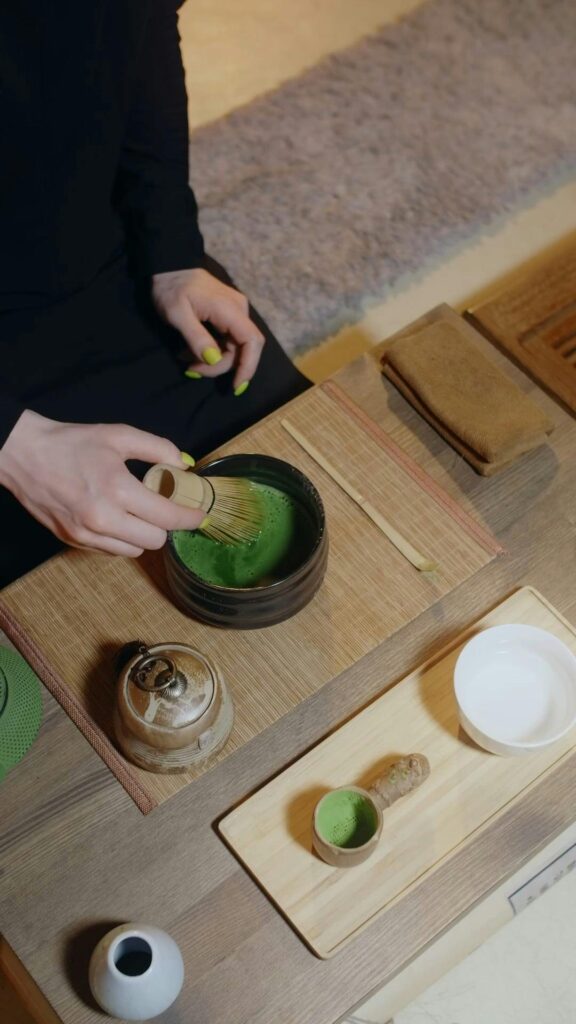
Troubleshooting Common Whisking Problems
Even experienced practitioners encounter challenges when whisking matcha. Understanding common issues prevents frustration while developing proper technique. The four primary problems—inadequate foam, persistent clumps, uneven texture, and excessive bitterness—each have specific causes and solutions.
Foam Formation Issues: Insufficient foam typically results from water temperature below 70°C, inadequate whisking speed, or low-quality matcha with reduced saponin content. The solution requires addressing all variables systematically. First ensure proper water temperature using reliable measurement. Then verify whisking technique maintains rapid zigzag motion close to the surface where air incorporation occurs. Finally, consider matcha quality—ceremonial grades generally foam more readily than culinary varieties.
Some schools of Japanese tea ceremony prefer minimal foam or none at all, making this primarily aesthetic rather than quality-related. However, for everyday preparation, uniform microfoam indicates proper technique and creates pleasant mouthfeel. The foam should display fine, persistent bubbles rather than large, coarse ones that quickly dissipate.
Addressing Clumping Problems
Clumps form when matcha powder aggregates due to static electricity and moisture exposure. Even highest quality matcha clumps if not properly sifted before whisking. Prevention begins before water contacts powder—always sift matcha through fine mesh strainer positioned over preparation bowl. Use bamboo scoop or spoon to press powder through mesh, breaking apart aggregates.
For stubborn clumps that survive sifting, create paste technique provides additional insurance. Add only 10-15ml water to sifted powder, using whisk to blend into smooth paste. This concentrated mixture allows easier identification and elimination of remaining clumps before adding full water volume. The paste method particularly benefits beginners still developing whisking proficiency.
Water temperature significantly affects clumping tendency. Cold water increases clump formation because reduced molecular motion prevents proper powder dispersion. Room temperature water around 20-25°C creates more clumps than recommended 70-80°C range. However, boiling water isn’t necessary and may scorch delicate compounds in premium matcha.
Maintenance and Care of Whisking Tools
Proper tool maintenance extends equipment life while preserving preparation quality. The chasen bamboo whisk requires particular attention due to natural material fragility. New whisks benefit from initial conditioning—soak in warm water 5 minutes before first use, softening bamboo and increasing flexibility. This prevents breakage during vigorous whisking motion.
Cleaning Protocol: Immediately after use, rinse whisk under warm running water while gently agitating tines. Never use soap or detergent—bamboo’s porous structure absorbs chemicals that transfer to subsequent preparations. For stubborn residue, whisk in bowl of clean warm water, allowing motion to dislodge particles. Some practitioners prefer this gentler cleaning method, finding it less stressful on delicate tines than direct water pressure.
Drying requires careful attention preventing mold growth and maintaining shape. Shake excess water from whisk, then stand upright on whisk holder (kusenaoshi) with tines facing up. The holder’s curved form helps maintain tines’ proper curvature while air circulates for thorough drying. Never store damp whisk or lay it flat—both practices promote mold and permanent deformation. Allow complete drying before storage in dry location away from direct sunlight.
Periodic inspection identifies damaged tines requiring replacement. Broken tines that detach during whisking contaminate matcha and indicate whisk nearing end of useful life. Most chasen last several months with proper care, though frequency of use affects longevity. Some practitioners keep multiple whisks in rotation, allowing each adequate drying time between uses.
Bowl and Scoop Maintenance
Clay matcha bowls require gentler care than ceramic dinnerware. Hand wash with warm water and soft cloth—avoid abrasive scrubbers that damage glaze or unglazed surfaces. The thick clay construction retains heat effectively but makes bowls more susceptible to thermal shock. Never expose hot bowl to cold water or vice versa; allow gradual temperature transitions.
Bamboo scoops (chashaku) need minimal maintenance. Wipe clean with damp cloth after use, ensuring no matcha residue remains in curved section. Like whisks, never use soap on bamboo scoops. Allow complete air drying before storage. The natural bamboo gradually darkens with use—this patina indicates proper seasoning rather than deterioration.
Alternative Methods for Modern Practitioners
Traditional whisking represents ideal preparation method, but practical alternatives exist for various circumstances. Electric milk frothers create acceptable foam quickly, particularly useful during busy mornings or when preparing multiple servings. The handheld battery-operated models work well, though they produce different foam structure than bamboo whisks—larger bubbles and less uniform texture.
Shaker bottles offer portable solution for cold preparations. Add matcha powder and cold water to bottle, shake vigorously 30-45 seconds. This method works for iced matcha or when traveling without access to traditional tools. The aggressive agitation breaks up clumps and creates light foam, though texture differs from hot whisked preparation. Some practitioners add ice cubes to bottle, using their movement to enhance mixing action.
Metal whisks serve as last resort when bamboo unavailable. Use small balloon whisk with many thin wires, whisking more vigorously than with bamboo to compensate for reduced aeration efficiency. The metal tines create noise and don’t incorporate air as effectively, but produce drinkable results. Expect more arm fatigue and longer whisking time compared to traditional method.
Understanding When Alternatives Make Sense
Matcha lattes and culinary applications benefit less from traditional whisking precision. When adding milk, sweeteners, or incorporating matcha into recipes, simpler mixing methods suffice. Electric frother or vigorous stirring adequately disperses powder for these preparations. Reserve traditional whisking for usucha and koicha where technique directly impacts final experience.
Travel and office settings may necessitate alternative approaches. Pre-sifted matcha in small containers combined with shaker bottle method provides quick preparation without traditional tools. Some companies now offer single-serve matcha portions pre-measured for convenience. While these compromise some quality aspects, they make regular matcha consumption more accessible for busy lifestyles.
Recognizing Properly Prepared Matcha
Visual and textural indicators reveal preparation quality. Properly whisked usucha displays uniform layer of fine foam covering surface with few to no large bubbles. The foam should appear almost creamy, with subtle sheen suggesting proper emulsification. Color remains vibrant green without brown or yellow tones indicating oxidation or scorching.
Texture provides immediate feedback when drinking. Well-prepared matcha feels smooth and creamy despite containing no dairy. The suspended powder creates velvety mouthfeel without grittiness or sediment sensation. Any chalkiness or sandy texture indicates incomplete mixing or inadequate whisking technique. The liquid should flow smoothly across palate, with flavor distributing evenly rather than concentrating in bitter or astringent pockets.
Taste and Aroma Assessment: Umami should dominate flavor profile in quality ceremonial matcha, accompanied by natural sweetness and vegetal notes. Bitterness and astringency may appear but shouldn’t overwhelm. Excessive bitterness often indicates water too hot, whisking too long, or lower quality matcha. Aroma should smell fresh, grassy, and slightly sweet—any mustiness suggests old or improperly stored powder.
The matcha should maintain suspension for several minutes after whisking. While all matcha eventually settles due to gravity, immediate settling indicates inadequate mixing or very coarse powder. Quality preparation remains relatively uniform throughout drinking, with only fine sediment collecting at bowl bottom. If significant powder settles quickly, review sifting and whisking technique.
Further reading