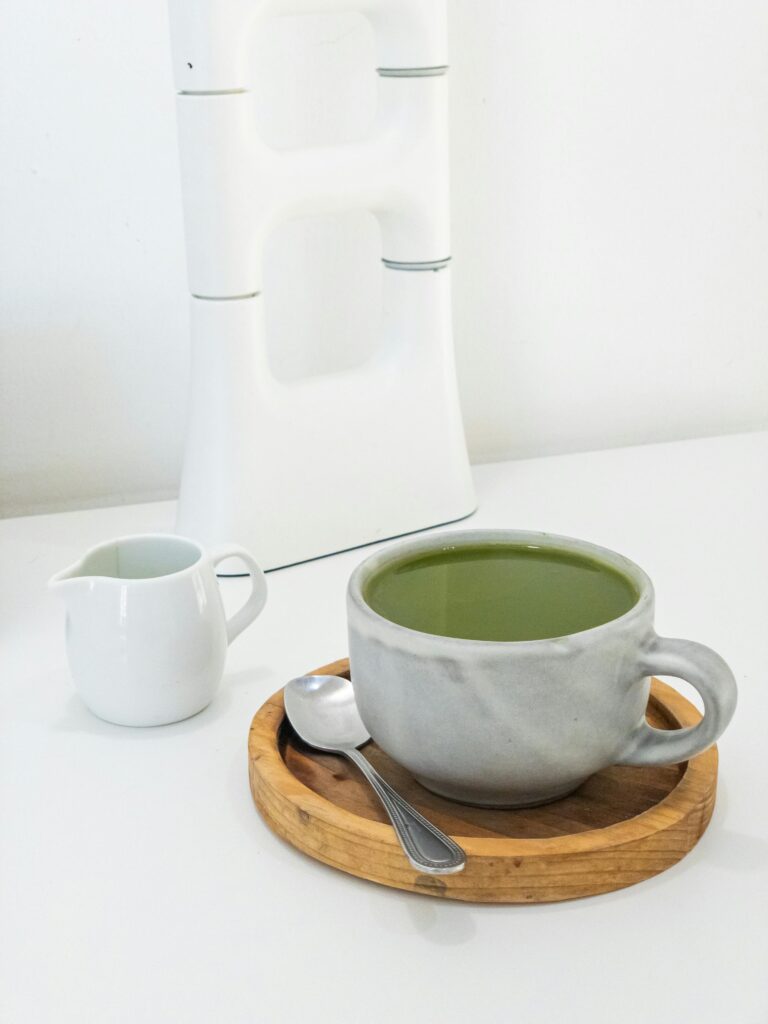
Eliminating Clumps and Achieving Smooth Texture
Clumping remains the most universal matcha complaint, creating pockets of bitter powder that ruin texture and taste. Static electricity causes dry powder particles to attract each other, forming aggregates resistant to whisking.
Humidity variations during storage exacerbate clumping as moisture creates partial dissolution followed by re-crystallization. Even premium matcha clumps without proper handling.
Prevention Through Proper Sifting
Prevention starts with proper sifting using a fine-mesh strainer or dedicated matcha furui. Sift immediately before preparation rather than pre-sifting stored portions, as exposure to air reintroduces clumping.
For stubborn clumps, use the back of the bamboo scoop to press powder through mesh. Double-sifting may be necessary for matcha stored in humid conditions.
The Paste Method for Foolproof Results
The paste method provides foolproof clump elimination. Add just enough water to create thick paste, working with the bamboo whisk or spoon until completely smooth.
This concentrated mixing breaks down aggregates impossible to address in full liquid volume. Gradually add remaining water while whisking to maintain smooth integration.
Though adding an extra step, this technique guarantees clump-free results.
Solution Protocol: If clumps persist despite prevention, strain prepared matcha through fine mesh, re-whisk the strained liquid, and note storage adjustments needed for that particular matcha.
Addressing Excessive Bitterness
Bitterness in matcha stems from multiple factors, each requiring different solutions. Water temperature above 80°C (175°F) extracts excessive catechins, creating astringency that overwhelms matcha’s natural sweetness.
Use a thermometer rather than guessing—water that feels comfortable to touch approximates proper temperature. Let boiling water rest 5-7 minutes before using, or add cold water to adjust temperature quickly.
Grade Mismatch and Quality Issues
Grade mismatch causes inevitable bitterness when culinary grade is prepared for drinking. No preparation technique makes culinary grade suitable for traditional tea—the leaf quality and processing create inherent bitterness.
Reserve culinary grades exclusively for cooking where other ingredients balance strong flavors. Even premium grades develop bitterness with age as chlorophyll degrades and catechins oxidize.
Common Preparation Mistakes
Over-whisking paradoxically increases bitterness by breaking down foam structure and over-extracting compounds. Consider these key factors:
- Limit whisking to 15-20 seconds for usucha preparation
- Maintain proper 2g to 70ml ratios to avoid excessive concentration
- Adjust ratios for super-tasters with genetic sensitivity to bitter compounds
Creating and Maintaining Perfect Foam
Foam quality indicates proper preparation technique and matcha freshness. Poor foam results from insufficient whisking speed, incorrect motion patterns, or degraded matcha quality.
The bamboo whisk remains superior for foam creation due to tine flexibility and density. Metal whisks or electric frothers create larger bubbles lacking the creamy microfoam texture characteristic of proper preparation.
Temperature and Equipment Considerations
Water temperature significantly affects foam formation—too hot reduces surface tension preventing bubble formation, while too cold increases viscosity inhibiting whisking. The optimal 70-80°C range balances these factors.
Bowl shape influences whisking efficiency. Wide, shallow bowls facilitate the horizontal motion necessary for foam creation while narrow vessels restrict movement.
Freshness as a Quality Indicator
Fresh matcha produces abundant, persistent foam while aged powder creates minimal, quickly dissipating bubbles. This freshness indicator helps evaluate quality before tasting.
If foam disappears within seconds, the matcha likely suffered improper storage or excessive age. High-quality matcha maintains foam for several minutes, with the surface remaining creamy throughout consumption.
Water Quality and Mineral Impact
Water comprises 97% of prepared matcha yet receives minimal attention. Mineral content dramatically affects extraction and flavor development.
Hard water with high calcium and magnesium interferes with proper extraction while adding metallic flavors. Soft water may over-extract, creating excessive bitterness.
Optimal Water Composition
The ideal water contains 50-150mg/L total dissolved solids, balanced between calcium and magnesium. Filtered water removes chlorine and improper minerals while maintaining beneficial mineral content for optimal extraction.
Avoid distilled water lacking minerals necessary for proper flavor development. Spring waters vary significantly—test different sources to identify optimal matches for specific matchas.
Japanese tea masters traditionally match water sources to tea types, recognizing water’s crucial role in final quality.
Temperature Stability and Preparation
Temperature stability during preparation affects extraction consistency. Pre-warming bowls and tools prevents temperature drops that alter extraction rates.
Room temperature matcha powder integrates better than cold powder straight from refrigeration. Allow refrigerated matcha to reach room temperature before preparation, preventing condensation that causes clumping.
These minor adjustments significantly impact final quality, transforming troublesome preparations into consistent success.