

Short answer: The best organic matcha carries a real USDA or JAS seal, not just the word “organic” on the bag. Among certified options that recur across leading 2026 roundups, Pique Sun Goddess is the most-cited organic pick (named Best Organic by Fortune); Encha First Harvest (dual USDA + JAS, Uji) is the strongest dual-certified alternative, and Jade Leaf Organic Ceremonial is the value call.
Here’s what nobody tells you on the bag: a lot of “organic” matcha isn’t actually certified. The word gets printed because it sells, not because any body inspected the farm. Below are organic matcha powders that earn their place through verifiable sourcing and certification (all carrying a real USDA or JAS seal), plus a short guide on reading that seal yourself so a clever label never fools you again.
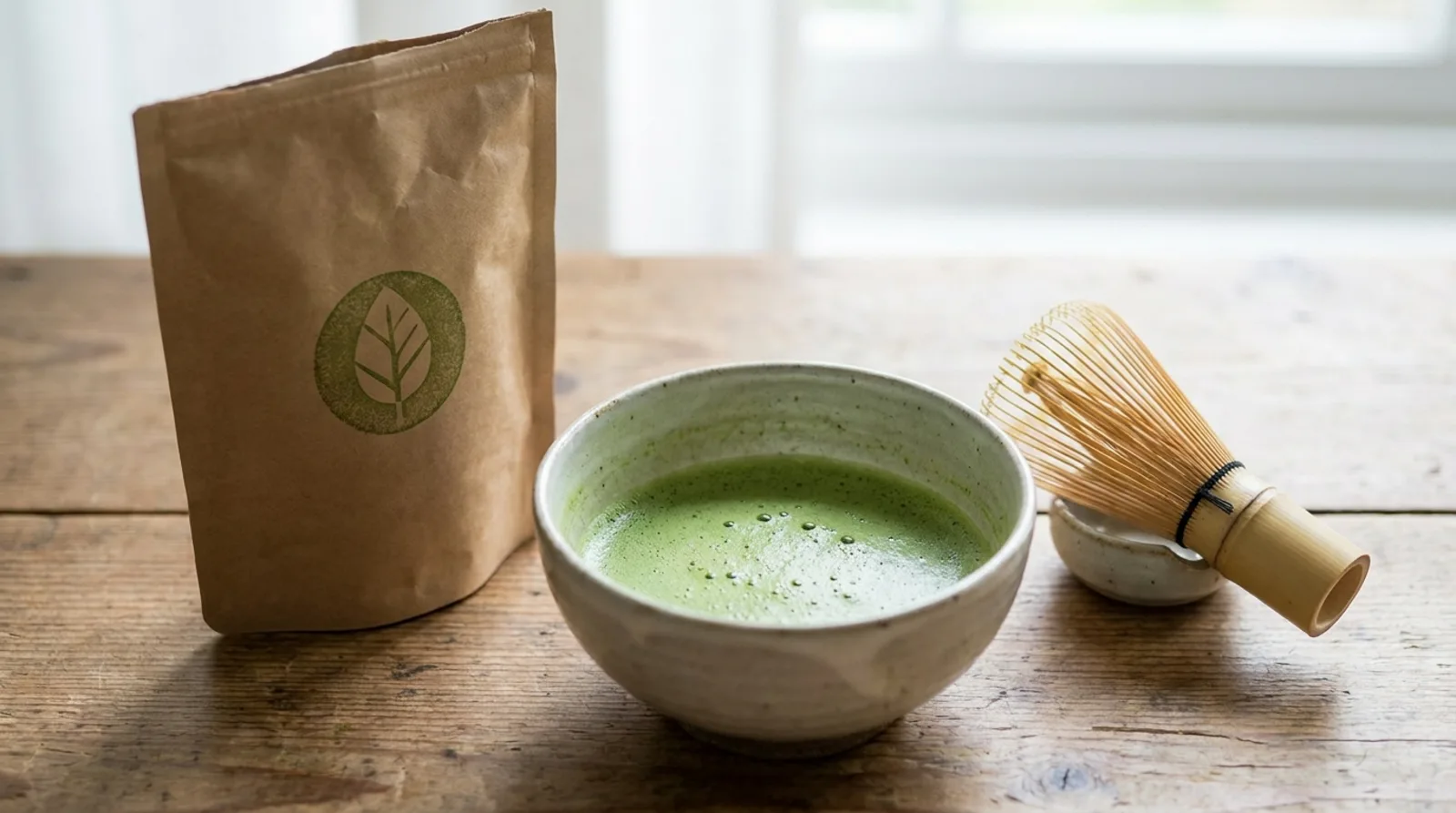
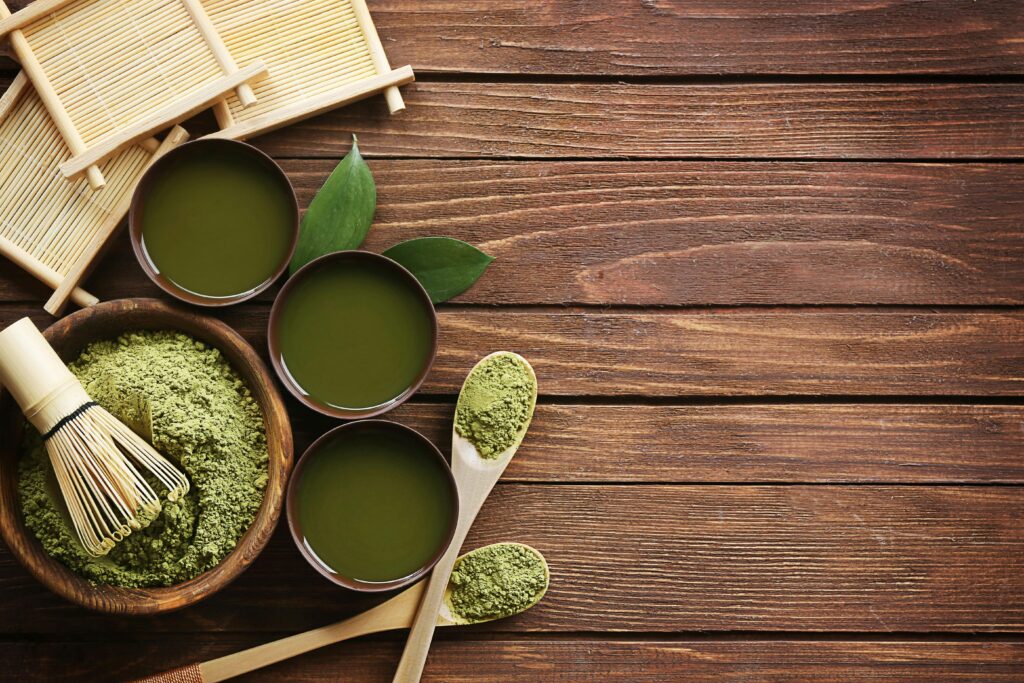
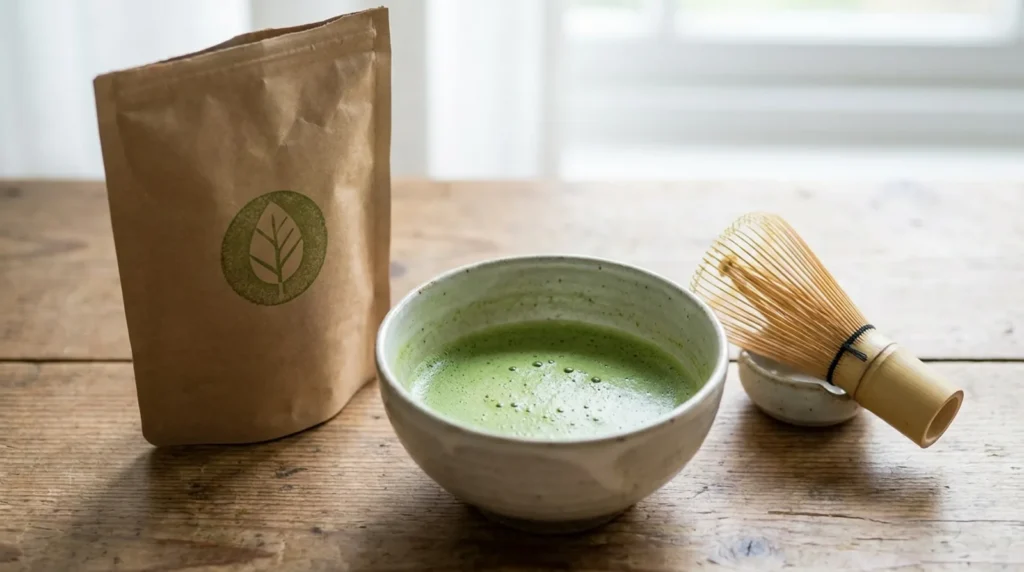
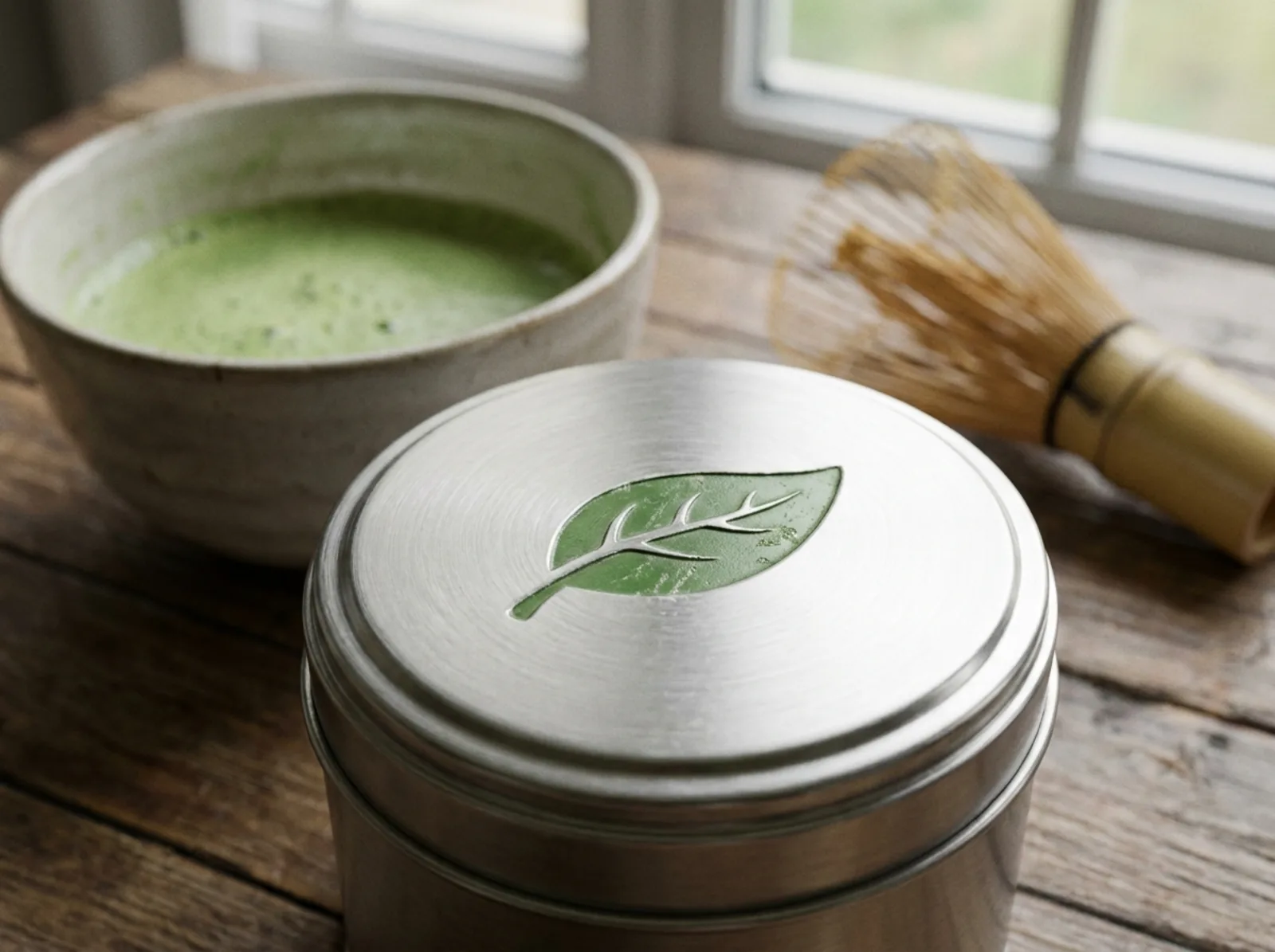
A bowl of organic matcha next to its USDA and JAS certified packaging.
Transparency: there are no affiliate links in this guide. My rankings are independent and editorial.
How I Selected These
My picks reflect expert consensus across leading 2026 matcha roundups (Fortune, Tasting Table, Minimalist Baker, Food Republic, Chowhound, Love & Lemons): the certified-organic brands that recur as recommendations from people who source and review matcha for a living. I then order them by verifiable facts rather than any personal taste test: named growing region (Uji, Kagoshima), harvest (first vs. second), shade-grown cultivation, stone-milling, organic certification (USDA and/or JAS), and price tier. A powder earns a place only if its organic certification can be confirmed and its stated origin matches what the producer publishes. Where this guide describes a powder’s character — its color, texture, or flavor — it is summarizing the documented grade, harvest, and origin that shape it, not reporting a cup anyone brewed.
What I Weighed
Five verifiable attributes, weighted toward what defines an organic matcha:
- Certification: a named certifying body and seal (USDA and/or JAS), not just the word on the tin
- Origin: a named region (Uji or Kagoshima) beats “product of Japan” every time
- Harvest: first-harvest (spring) leaf is more prized than later pickings
- Shade-growing: the weeks of shading before harvest that build chlorophyll and L-theanine
- Grade and price tier: ceremonial vs. culinary, matched to a realistic per-gram cost
For more on the markers of quality, the same logic applies across the wider high quality matcha spectrum, certified or not.
Best Organic Matcha at a Glance
Short on time? Best Organic goes to Pique Sun Goddess, named Best Organic by Fortune and USDA certified. Best Dual-Certified is Encha First Harvest, carrying both USDA and JAS from a first harvest in Uji. Best Value is Jade Leaf Organic Ceremonial, genuinely USDA certified at a price that makes daily bowls realistic (Jade Leaf’s Barista Edition is Fortune‘s Best Overall pick, and it recurs as a beginner favorite in Food Republic). Best Sugar-Free is Mantra, Fortune‘s sugar-free pick, for people who want one named source on the label. If you’re weighing brands more broadly, the guide to the best matcha brands covers the wider field.
Comparison Table
| Pick | Brand | Certification | Origin | Grade | Size / Price | $/g | Best for |
|---|---|---|---|---|---|---|---|
| Best Organic | Pique Sun Goddess | USDA | Kagoshima | Ceremonial | tins | mid | Organic (Fortune’s Best Organic) |
| Best Dual-Certified | Encha | USDA + JAS | Uji | Ceremonial (1st harvest) | 30g | mid | USDA + JAS paper trail |
| Best Value | Jade Leaf | USDA | Japan | Ceremonial | 30g | low | Budget |
| Best Sugar-Free | Mantra | USDA + JAS | Single-origin Japan | Ceremonial | 30g | high | Sugar-free (Fortune) |
Prices shift with exchange rates and harvest, so the $/g column is kept qualitative. Organic certification adds a modest premium across the board; none of these is a budget-brand price.
Best Organic Matcha Powders, Reviewed
Best Organic: Pique Sun Goddess (USDA)
Pique’s Sun Goddess is the most-cited organic pick in the 2026 roundups: Fortune names it Best Organic outright. It is USDA certified and sourced from Kagoshima in southern Japan, a region known for consistent organic production. It comes in tins rather than pouches and lands mid-range on price. If you want the pick that expert reviewers most consistently reach for when they say “organic,” this is it.
Best Dual-Certified Alternative: Encha First Harvest (USDA + JAS)
Encha is a recurring name across the beginner and organic roundups (it appears among Food Republic‘s beginner brands), and the sourcing facts explain why. It carries both USDA Organic and JAS certification, and the leaf comes from a first harvest in Uji, Kyoto, the region that more or less wrote the rules for this tea. First-harvest, single-region, shade-grown, ceremonial grade, and dual-certified is about as complete a sourcing profile as this category offers. It sits mid-range on price per gram, which is fair for that combination. If you specifically want a powder that has cleared both the US and Japanese organic systems, this is the strongest alternative to Pique.
Best Value Organic: Jade Leaf Organic Ceremonial
Most “cheap organic matcha” is either not actually organic or not actually ceremonial. Jade Leaf is the rare exception: USDA certified and sourced from Japan at a price that makes a daily bowl realistic. Its Barista Edition is Fortune‘s Best Overall pick, and the brand recurs as a beginner favorite in Food Republic. The certification is verifiable and the grade is ceremonial, which is exactly what’s missing from most budget options. For a first organic matcha, or for anyone drinking a bowl every morning without wanting to spend top dollar, it’s the sensible pick, and the best dollar-per-gram on this list.
Best Sugar-Free: Mantra (USDA + JAS)
Mantra is Fortune‘s Best Sugar-Free pick, and it’s also for the person who wants to know exactly which source their tea came from. It is single-origin Japanese matcha with both USDA and JAS certification. The single named source plus dual certification is what sets it apart, and it sits at the top of the price range here as a result. The sourcing transparency is the reason to choose it. If you’ve already settled on good ceremonial grade matcha and want the organic, single-origin version, this is the pick that fits.
Certification Explained
“Organic” printed on a tin is a marketing word until a certifying body stands behind it. Anyone can write it. The seal is what’s verified.
The certified-organic seal up close, the mark a certifying body stands behind.
USDA Organic
The USDA Organic seal means the product met US Department of Agriculture organic standards: no prohibited synthetic pesticides or fertilizers, with farm and handling practices audited by an accredited certifier. For organic matcha sold in the US, this round green-and-white seal is the clearest signal. If a brand claims “organic” but you can’t find the USDA logo on the package or the certificate listed online, treat the claim as unverified.
Japanese JAS Organic
JAS, the Japanese Agricultural Standard, is Japan’s equivalent certification, and you’ll see its mark on matcha from Uji and Kagoshima. It governs organic farming and processing under Japanese law, overseen by accredited certification bodies. A powder carrying both USDA and JAS, like Encha or Mantra, has cleared two independent systems. That’s the strongest paper trail available in this category.
Shade-Growing and Pesticide-Free
Matcha leaves are shaded for three to four weeks before harvest, which boosts chlorophyll and L-theanine, the amino acid behind that umami sweetness. Organic certification means that shading happens without synthetic pesticides. The two work together: shade-growing improves leaf quality, and pesticide-free cultivation matters specifically with matcha because you consume the entire leaf as a suspension, not a steeped infusion. What’s on that leaf goes directly into your cup.
Buyer’s Guide
Find the Seal, Not the Word
The one rule that protects you: locate the USDA or JAS logo on the packaging, or the certificate on the brand’s site. No seal, no purchase, no matter how green the photography is.
Origin Matters
Named regions beat vague labels. Uji in Kyoto and Kagoshima in southern Japan are the two you’ll see most often, both with strong organic track records. Single-origin (one named farm or defined region) is preferable to a blend of unnamed sources, because it means the producer knows where the leaf came from.
Grade to the Job
Ceremonial grade is for drinking straight: smoother, sweeter, more nuanced. Culinary grade is built for lattes and baking, where flavor needs to push through milk and sugar. Paying ceremonial prices to blend into a smoothie is money wasted.
Price Expectations
Organic certification costs money that ends up in the retail price. Expect to pay more per gram than you would for a non-certified powder of similar quality. That premium reflects real audit costs. For the full landscape of options and how organic fits in, see the pillar guide to the best matcha.
Sources
This guide reflects expert consensus across leading 2026 matcha roundups. It is not based on my own taste test; picks are ordered by verifiable sourcing facts and how consistently brands appear across these independent reviews:
- Fortune: The Best Matcha Powders (2026)
- Love & Lemons: The 6 Best Matcha Powders
- Tasting Table: The 8 Best Ceremonial-Grade Matcha Powders
- matcha.com: The 6 Best Matcha Brands in 2026
- Food Republic: 10 Matcha Brands Perfect For Beginners
- Chowhound: The 9 Best Matcha Brands For Beginners
- Minimalist Baker: Best Matcha Review
Final Picks
Best organic matcha: Pique Sun Goddess, Fortune‘s Best Organic pick. Best dual-certified alternative: Encha First Harvest, a USDA + JAS, first-harvest Uji ceremonial. Best value with genuine certification: Jade Leaf Organic Ceremonial. Either way, find the seal before you pay. Then go read the rest of the best matcha guide.