Verification Testing: Simple At-Home Methods
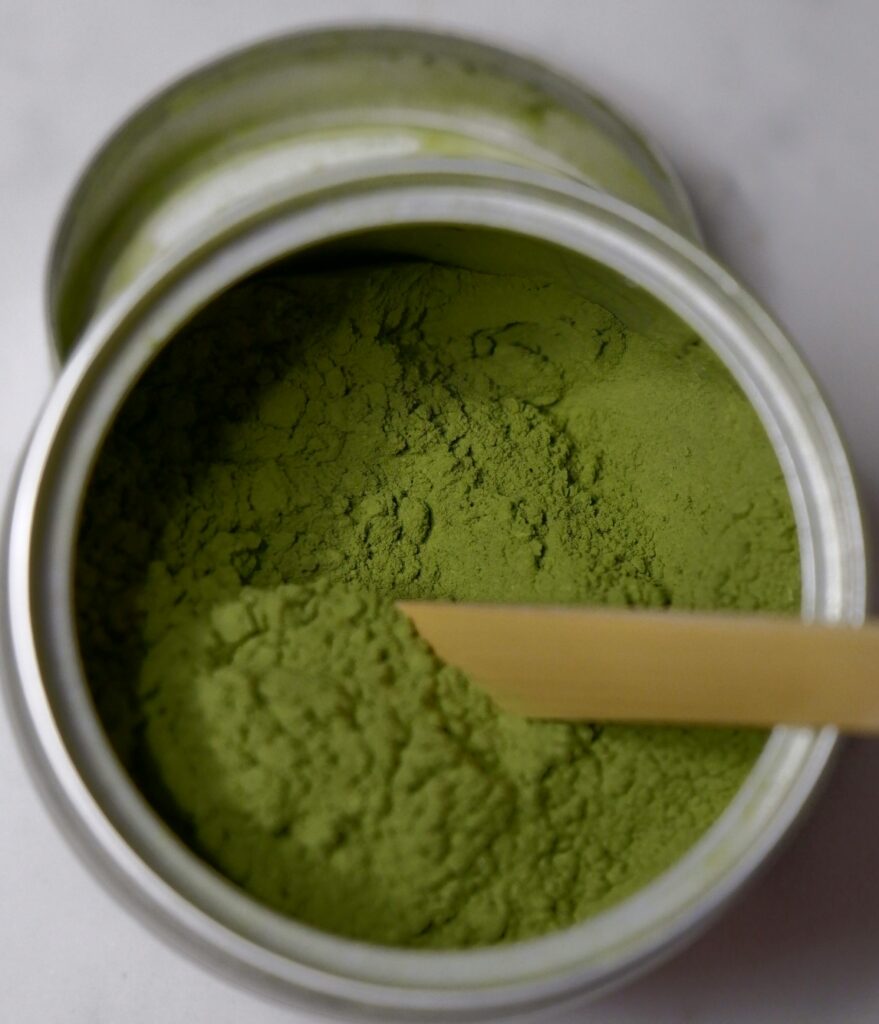
Beyond reading labels, several practical tests help identify genuine matcha quality. The visual test provides immediate feedback—authentic matcha displays vibrant jade green color, while fake or low-quality powder appears dull, yellowish, or brownish. This color difference reflects chlorophyll content developed through proper shading techniques.
The texture test reveals processing quality. Rub a small amount between your fingers: genuine stone-ground matcha feels silky and smooth like eyeshadow, while mechanically processed or adulterated powder feels gritty or coarse. This difference stems from traditional granite mills producing particles under 10 microns versus industrial grinders creating larger, uneven particles.
Try the whisk test: Add 1-2 grams to 70ml water and whisk vigorously in a zigzag pattern. Quality matcha produces fine, stable foam with tiny bubbles. Poor quality creates large bubbles that quickly dissipate or refuses to foam altogether. This response indicates the presence of proteins and amino acids that create proper suspension.
The Line Test: Draw a line with powder on white paper—genuine matcha creates a smooth, consistent line while fake powder produces a scratchy, uneven mark.
The China Connection: When “Japanese” Isn’t
Perhaps the most concerning deception involves origin misrepresentation. China produces approximately 80% of the world’s powdered green tea, yet much of it reaches consumers labeled as Japanese matcha. This practice exploits legal loopholes—products can be “packaged in Japan” while grown and processed elsewhere, technically qualifying for “Product of Japan” designation.
Some Chinese producers go further, using names like “Uji matcha” despite no connection to Kyoto’s famous tea region. Unlike protected designations for Champagne or Parmigiano-Reggiano, “Uji” lacks international trademark protection. Chinese companies have even registered similar names, creating legitimate-appearing products that deliberately mislead consumers seeking authentic Japanese tea.
The quality differences extend beyond cultural authenticity. Chinese tea production often uses different cultivars, shading practices, and processing methods. Pan-firing instead of steaming creates roasted notes rather than fresh vegetal flavor. Reduced or absent shading lowers chlorophyll and L-theanine content, increasing bitterness. These aren’t necessarily inferior teas—they’re simply different products being marketed under false pretenses.
Geographic specificity matters. Legitimate producers proudly name their prefecture—Uji, Nishio, Kagoshama, Shizuoka—often including the specific town or estate. Vague “Product of Japan” claims or emphasis on Japanese imagery without location specifics warrant skepticism.
The Testing Gap: Why Certification Means Less Than You Think
Many consumers rely on certifications as quality proxies, but matcha’s certification landscape proves surprisingly unreliable. No international standard defines matcha grades—”ceremonial,” “premium,” and “culinary” represent marketing terms without regulatory meaning. Any producer can apply these labels regardless of actual quality.
Organic certification presents its own paradox. Japan’s finest traditional producers often avoid organic certification despite using minimal intervention methods that exceed organic standards. The certification process requires costly international registration that small-scale artisans can’t justify. Meanwhile, industrial operations readily obtain organic certification while producing mediocre matcha through mechanical processing and insufficient shading.
This doesn’t mean all organic matcha disappoints—it means organic certification alone doesn’t guarantee superior quality. A non-organic first flush matcha from a reputable Uji producer typically outperforms third-flush organic powder in every measure except certification status. Focus on production specifics: shading duration (20-30 days minimum), harvest timing (first flush), and grinding method (stone mills) over certification badges.
Lab testing for contaminants matters more than quality certifications. Reputable sellers provide testing results for heavy metals, pesticides, and radiation—particularly important given tea plants’ tendency to absorb soil contaminants. These safety certifications deserve more attention than subjective quality grades.
The Price-Quality Correlation
Price provides useful quality signals when understood correctly. Authentic ceremonial-grade matcha costs $25-60 per ounce from legitimate sources. Below $15 per ounce, the economics don’t work—proper cultivation, hand-picking, and stone-grinding require labor and time that cheap prices can’t support.
However, extreme pricing also warrants scrutiny. Matcha above $80 per ounce needs extraordinary justification: competition-grade designation, named tea master production, documented single-estate rarity, or specific harvest date provenance. Most ultra-premium products rely on luxury packaging and elaborate brand storytelling rather than exceptional quality.
The sweet spot for quality matcha sits between $30-50 per ounce. This range supports proper production methods while avoiding brand premium inflation. Remember: gorgeous Instagram-worthy packaging doesn’t improve what’s inside the container. Traditional Japanese producers often use simple, functional tins because the powder speaks for itself.
Bulk pricing reveals another red flag. Genuine matcha oxidizes quickly once ground—authentic producers sell in small quantities (20-40 grams) to ensure freshness. Large containers (100+ grams) at low prices suggest either old stock or inferior quality intended for industrial use rather than direct consumption.
Reading Between the Marketing Lines
Sophisticated marketing creates the illusion of quality through carefully crafted language. Watch for these specific patterns that signal potential deception:
Vague superlatives without supporting details: “Premium super ceremonial grade A+” means nothing without explaining who determined these grades or what standards apply. Legitimate quality claims include specifics—”First flush harvest from Okumidori cultivar, shade-grown 28 days, stone-ground in Uji.”
False scarcity tactics create urgency without justification. “Limited edition” or “rare harvest” should specify production quantities, estate names, or explain the restriction. Japan produces thousands of tons annually—true rarity requires documentation, not just dramatic claims.
Health claim hyperbole ventures into pseudoscience territory. Yes, matcha contains beneficial compounds—EGCG catechins, L-theanine, chlorophyll—but claims about “curing disease,” “miraculous weight loss,” or “energy without crashes that violates thermodynamics” cross from education into deception. Quality sellers explain what matcha genuinely offers without pharmaceutical promises.
Borrowed credibility suggests connections that don’t exist. “Using Japanese techniques” or “inspired by Kyoto tea masters” essentially admits the product isn’t authentically Japanese. Legitimate producers state their actual credentials: apprenticeships completed, family lineage in tea production, specific master relationships.
Building Your Fraud Detection Toolkit
Combining multiple verification methods creates a comprehensive approach to identifying genuine quality:
Start with the label: Look for specific Japanese prefecture, harvest date, cultivar name, shading duration, and grinding method. Absence of these details suggests the seller has something to hide.
Assess the packaging: Quality matcha requires protection from light, air, and moisture. Proper packaging uses opaque, airtight containers—often double-sealed tins or vacuum-sealed pouches. Clear containers or flimsy plastic bags indicate either ignorance or indifference to quality preservation.
Examine the powder: Vibrant jade green color, ultra-fine texture without clumps, fresh vegetal aroma. Any dullness, coarseness, or stale smell indicates problems.
Taste it properly: Whisk 2 grams in 70ml water at 75°C. Quality matcha produces creamy umami flavor with natural sweetness and only mild astringency. Harsh bitterness, metallic notes, or flat taste signal inferior quality or improper storage.
Research the seller: Reputable matcha vendors provide detailed sourcing information, often including farm visits, producer relationships, and quality testing results. They educate rather than hype, acknowledging matcha’s genuine benefits without making pharmaceutical claims.
The matcha market’s rapid growth has attracted opportunists alongside legitimate producers. By understanding the specific red flags—meaningless grade terminology, origin obscurity, certification misconceptions, suspicious pricing, and marketing hyperbole—you can navigate this landscape confidently. Trust specifics over superlatives, verify claims through testing, and remember that authentic quality rarely needs aggressive marketing to prove itself.
The Matcha Buyer’s Guide Hub: Choose the Right Matcha Without the Guesswork