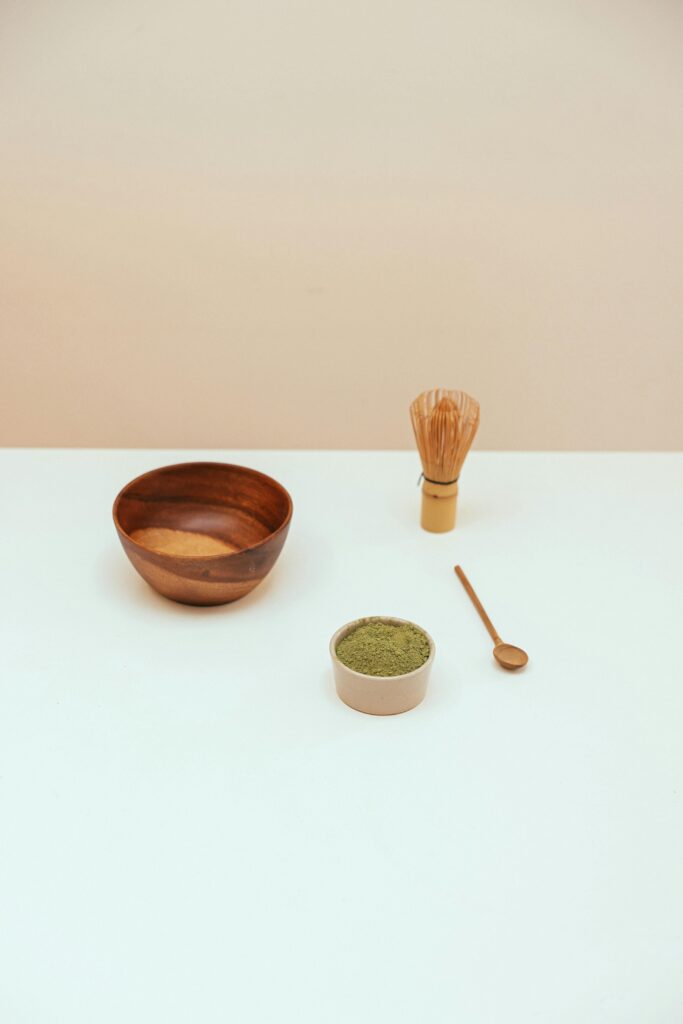
Budget Tier: Under $15 Per Ounce
Matcha under $15 per ounce typically delivers culinary grade quality, though careful shopping can uncover entry-level ceremonial options. These products often display yellow-green coloring, coarser texture, and pronounced bitterness. Second or third harvest leaves with minimal shading keep costs low.
Machine harvesting and high-speed grinding further reduce production expenses. Quality varies dramatically within this tier, making informed selection essential.
What to Expect in Budget Matcha
Established Japanese producers offering second harvest varieties at $13 per ounce provide reliable culinary grade for cooking applications. Lesser-known suppliers at similar prices might offer inconsistent quality or misleading grade claims.
Storage and age significantly impact budget matcha—fresh culinary grade outperforms old ceremonial grade. Buy smaller quantities to ensure freshness rather than bulk purchasing for false economy.
Mid-Range: $15-30 Per Ounce
This range represents the sweet spot for daily matcha consumption, offering legitimate ceremonial grades and premium culinary options. First and second flush blends balance quality with affordability.
Reputable producers maintain proper shading and stone grinding while achieving economies of scale. Well-regarded organic ceremonial varieties at $19 per ounce illustrate this category’s value proposition.
Quality Factors at Mid-Range Prices
Several production standards justify mid-range pricing and distinguish these products from budget alternatives:
- 20-25 days of pre-harvest shading for enhanced chlorophyll development
- Mechanical harvesting combined with hand-sorting quality control
- Stone grinding at moderate speeds to preserve flavor compounds
- Basic organic certification ensuring pesticide-free cultivation
Many everyday matcha drinkers find minimal practical difference between high-end mid-range and premium products. Focus on freshness and proper storage rather than chasing marginally higher grades.
Value Insight: The quality difference between $20 and $30 matcha is often smaller than between $10 and $20 options.
Premium: $30-50 Per Ounce
Premium matcha occupies the territory between everyday ceremonial grades and ultra-luxury competition varieties. This tier features single-origin estate productions, first flush ceremonial grades, and specialty cultivar selections.
Producers in this range invest heavily in quality control and traditional processing methods. The resulting powders exhibit vibrant jade coloring, ultrafine texture, and complex flavor profiles with minimal astringency.
Production Standards That Elevate Premium Matcha
Premium pricing reflects intensive cultivation and processing requirements. Extended shading periods of 25-30 days produce deeper umami character and sweeter finish.
Selective hand-harvesting of only the youngest leaves ensures optimal tenderness. Stone grinding proceeds at carefully controlled speeds to prevent heat damage to delicate compounds.
| Attribute | Premium Standard | Impact on Experience |
|---|---|---|
| Shading Duration | 25-30 days | Enhanced umami, reduced bitterness |
| Harvest Method | Selective hand-picking | Consistent leaf quality, optimal tenderness |
| Grinding Speed | Slow stone grinding | Preserved aromatics, fine texture |
| Origin | Single-estate sourcing | Traceable terroir characteristics |
These products suit serious practitioners who appreciate subtle quality distinctions. The difference becomes most apparent when prepared as traditional usucha or koicha.
Luxury and Competition Grades: $50+ Per Ounce
Ultra-premium matcha includes competition grades, limited seasonal releases, and heritage estate productions. Prices reach $139 for 30g of specific Uji region competition matcha.
These products represent the pinnacle of tea craftsmanship. Perfect cultivation conditions combine with master blender expertise, extremely limited production, and prestigious origin designation.
What Justifies Luxury Pricing
Competition-grade matcha undergoes production processes that border on artisanal obsession. Factors creating these premium prices include:
- Extended shading protocols: 30-40 days of specialized shading structures that optimize chlorophyll concentration
- Individual tree management: Dedicated attention to each tea plant throughout the growing season
- Multiple quality selection stages: Rigorous sorting eliminates any leaves with imperfections
- Grinding to order: Production occurs only after purchase to ensure absolute freshness
Who Should Consider Luxury Matcha
Most consumers won’t detect differences justifying 5-10x price premiums over quality ceremonial grades. The subtle distinctions require trained palates developed through extensive tasting experience.
These products target collectors seeking rare specimens, competition judges evaluating technical excellence, and practitioners reserving them for special ceremony occasions rather than daily consumption. Consider luxury grades as investments in extraordinary experiences rather than routine purchases.
Related reading: our best matcha buying guide.
The Matcha Buyer’s Guide Hub: Choose the Right Matcha Without the Guesswork