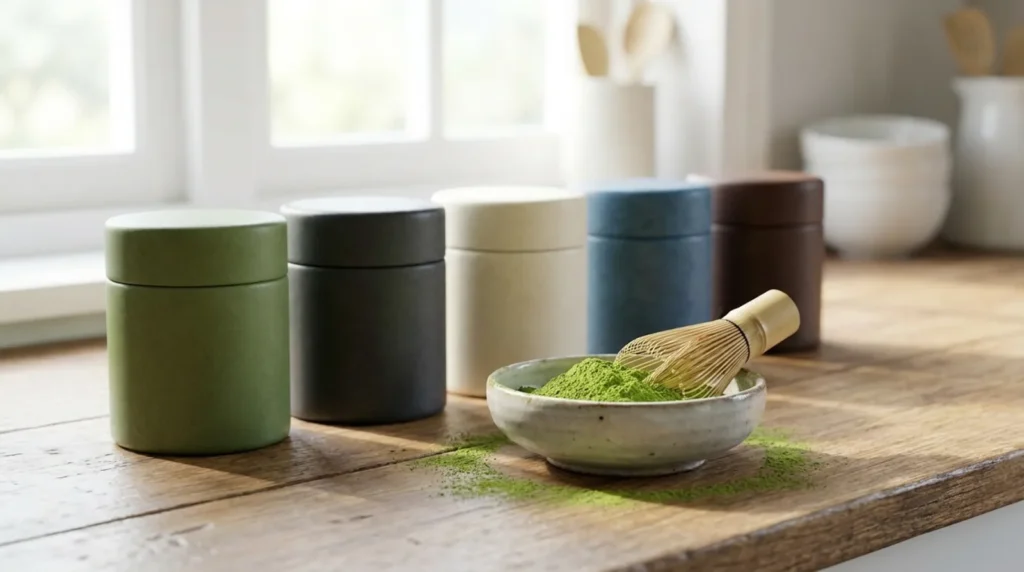
Short answer: The most-cited best matcha brands across 2026 expert roundups are Jade Leaf (best overall per Fortune) and Ippodo (top pick per Love & Lemons and a ceremonial benchmark per Tasting Table). By use case: Jade Leaf (beginner), Ippodo (ceremonial), Marukyu Koyamaen (traditional Uji per matcha.com), Pique (organic per Fortune), Golde (lattes per Love & Lemons), and Sencha Naturals (value per Fortune).
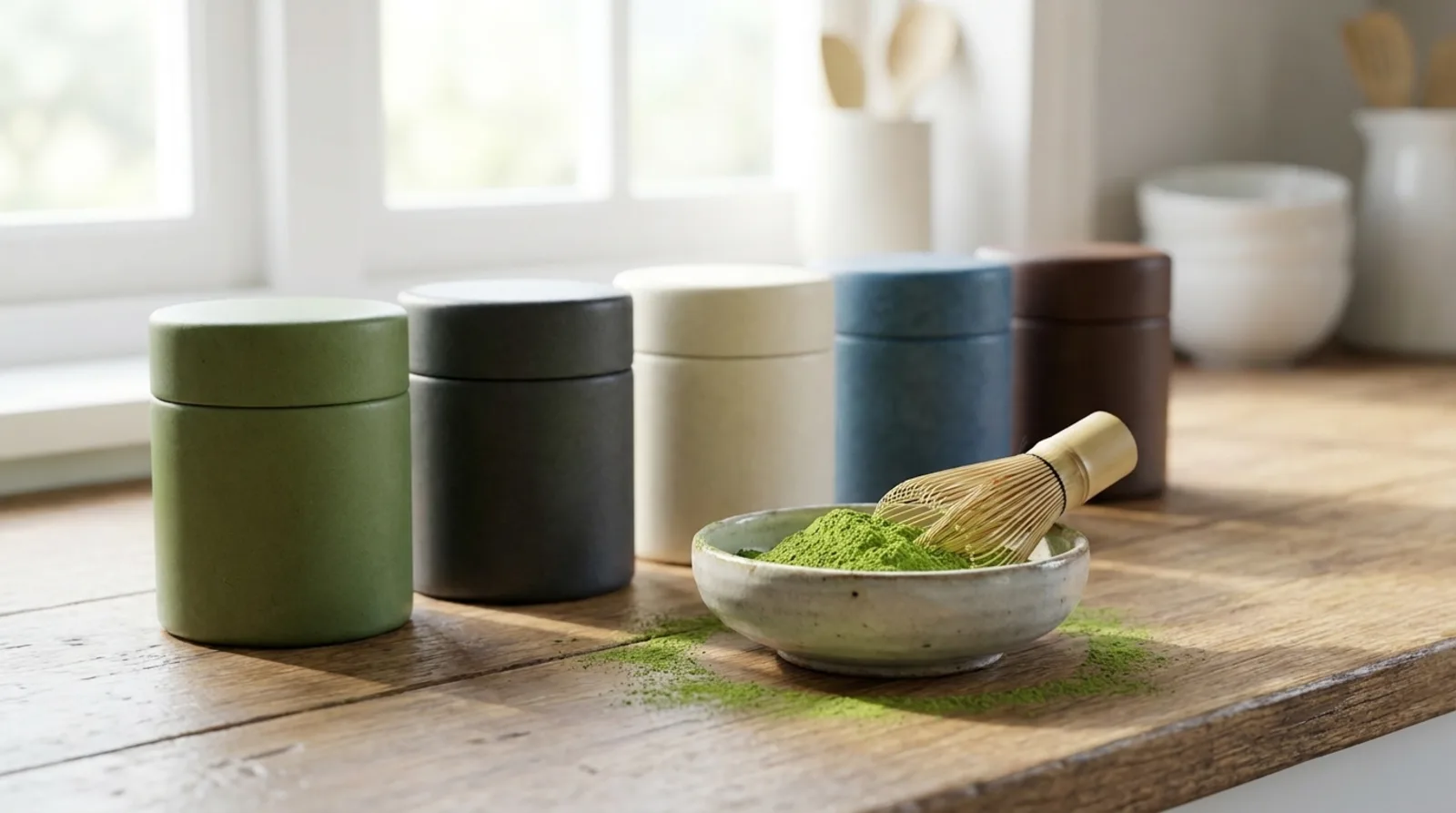
Tins from the brands that recur across 2026 expert roundups, lined up for comparison.
Transparency: there are no affiliate links in this guide. My rankings are independent and editorial.
There are dozens of matcha brands on shelves and online, and the gap between them is wide. To cut through it, I tracked which names recur across the leading 2026 “best matcha” roundups and then sorted those brands by use-case using verifiable sourcing facts, not hype. The best matcha picks below are organized so you can find yours in under a minute.
Want to compare every option yourself? Browse our matcha marketplace — 119+ Japanese brands you can filter by grade, origin, and certification.
How Did I Select These Brands?
These picks are not based on a personal taste test. The brand selection reflects expert consensus: it gathers the names that recur across leading 2026 “best matcha” roundups, including Fortune, Love & Lemons, Tasting Table, matcha.com, Food Republic, Chowhound, and Minimalist Baker. Brands that show up again and again across independent expert lists earned a place here, and each pick below carries an inline citation to the source that supports it.
The ordering within each “best for” category is justified by verifiable, published facts rather than any tasting:
- Named growing region: Uji, Nishio, Yame, or Kagoshima on the label, not a vague “Japanese matcha” claim
- Harvest: first-harvest (ichibancha) leaf versus later harvests
- Shade-grown and stone-milled: the traditional processing markers of drinking-grade matcha
- Certification: USDA Organic or JAS where a brand carries it
- Price tier: so each recommendation fits a real budget and use case
Nobody paid for placement, and every brand is matched to the use case its documented sourcing and price tier suit best. Where a brand’s character is described — its color, texture, or flavor — that summarizes the documented grade, harvest, and origin that shape it, not a cup I brewed.
Best Matcha Brands at a Glance
- Best Overall: Jade Leaf (Fortune) and Ippodo (Love & Lemons)
- Best for Beginners: Jade Leaf (Food Republic, Chowhound)
- Best Ceremonial: Ippodo (Tasting Table)
- Best Traditional Uji: Marukyu Koyamaen (matcha.com)
- Best Organic: Pique Sun Goddess (Fortune)
- Best for Lattes: Golde (Love & Lemons)
- Best Value Everyday: Sencha Naturals (Fortune) and Navitas (Love & Lemons)
Comparison Table
| Best for | Brand | Source | Origin | Price tier | Standout SKU | Best use |
|---|---|---|---|---|---|---|
| Best Overall | Jade Leaf | Fortune | Japan | $ | Organic Ceremonial Barista Edition | Everyday drinking |
| Best Overall (alt) | Ippodo | Love & Lemons | Uji / Kyoto | $$$ | Ummon / Sayaka | Ceremonial |
| Best for Beginners | Jade Leaf | Food Republic, Chowhound | Japan | $ | Ceremonial Starter | First-timers |
| Best Ceremonial | Ippodo | Tasting Table | Uji / Kyoto | $$$ | Sayaka | Ceremonial |
| Best Traditional Uji | Marukyu Koyamaen | matcha.com | Uji | $$$ | Wako / Kiwami | Plain drinking |
| Best Organic | Pique | Fortune | Kagoshima | $$ | Sun Goddess | Certified organic |
| Best for Lattes | Golde | Love & Lemons | Japan | $$ | Pure Matcha | Lattes |
| Best Value | Sencha Naturals | Fortune | Japan | $ | Everyday Matcha | Everyday |
| Best Value (alt) | Navitas | Love & Lemons | Japan | $ | Organic Matcha | Everyday |
Price tiers run from $ (budget) to $$$ (premium).
The Best Matcha Brands, Ranked
Best Overall: Jade Leaf and Ippodo
Two brands top the field depending on which roundup you read. Fortune names Jade Leaf’s Organic Ceremonial Barista Edition its Best Overall, praising an accessible, widely stocked ceremonial grade that works for both plain drinking and lattes. Love & Lemons instead crowns Ippodo Ummon as its overall favorite, a Kyoto tea house with centuries of milling behind it. Between the two, Jade Leaf is the budget-friendly everyday choice and Ippodo is the premium ceremonial benchmark, so pick by budget and use.
Best for Beginners: Jade Leaf
Jade Leaf recurs as a beginner pick across expert roundups: both Food Republic and Chowhound list it among their top brands for newcomers, and Fortune also flags its affordability. It is widely stocked and built for first-timers. The Ceremonial Starter is the entry point, and the brand carries a USDA Organic and JAS-certified organic matcha line, so beginners who care about certification have a clean, documented option. It sits in the budget tier. Buy it when you want to learn the ritual without a premium price tag attached.
Best Ceremonial: Ippodo
Ippodo is a Kyoto tea house with roots going back roughly three centuries, and Tasting Table includes its Sayaka among the best ceremonial-grade matcha powders. Its ceremonial blends are shade-grown drinking grades sourced from the Uji region and intended for whisking straight in the classic style. If you want ceremonial grade matcha with a clear, named lineage behind it, Ippodo sits in the premium tier for exactly that reason. It is also the overall favorite at Love & Lemons.
Best Traditional Uji: Marukyu Koyamaen
A heritage Uji house, Marukyu Koyamaen has milled tea in Kyoto for generations, and matcha.com names it the best traditional Uji brand of 2026. Its single-region Uji sourcing, shade-grown first-harvest leaf, and stone-milled processing are the documented markers of premium drinking matcha. The standout is Wako; Kiwami sits a step up. It sits firmly in the premium price tier. Reach for it when you want a traditional, named-provenance Uji grade rather than an all-purpose everyday tin.
Best Organic: Pique
Fortune names Pique’s Sun Goddess its Best Organic matcha. Pique sources from Kagoshima, a named southern growing region, and sits in the mid price tier. If you want a certified-organic option, this is the sourced pick; Encha, which carries dual USDA Organic and JAS certification, is a strong alternative worth a look. For more on certification markers, see the organic matcha guide.
Best for Lattes: Golde
Love & Lemons names Golde its best matcha for lattes. Its profile is built to stand up to dairy or oat rather than to be sipped plain, which is exactly what a milk-based drink needs. It sits in the mid price tier. Reach for it when your matcha mostly lives in a glass with milk and ice.
Best Value Everyday: Sencha Naturals and Navitas
Two value picks are well sourced. Fortune names Sencha Naturals its Best Affordable matcha, and Love & Lemons names Navitas its best value pick. Both sit in the budget tier and work for everyday whisking or lattes. Choose either when you want a documented, expert-backed option without paying the premium-tier price.
Buyer’s Guide: Choosing a Matcha Brand
Which Grade Should Match What’s in Your Cup?
This is the decision that saves the most money and regret. Drinking matcha (ceremonial grade) is whisked with water and sipped plain, where its sweetness and umami shine. Culinary or latte grade is built to stand up to milk, sugar, and baking. Using a fine ceremonial tin in a sweetened iced latte wastes the tea. Using a flat culinary grade for a plain bowl is a disappointment either way. Buy for your actual preparation.
How Do You Check Origin Transparency?
A named region beats a vague claim every time. Uji and Kagoshima on the label tell you the brand knows and will disclose its source. “Premium Japanese matcha” with no region named tells you nothing useful. The brands worth trusting are specific about where the leaf grew.
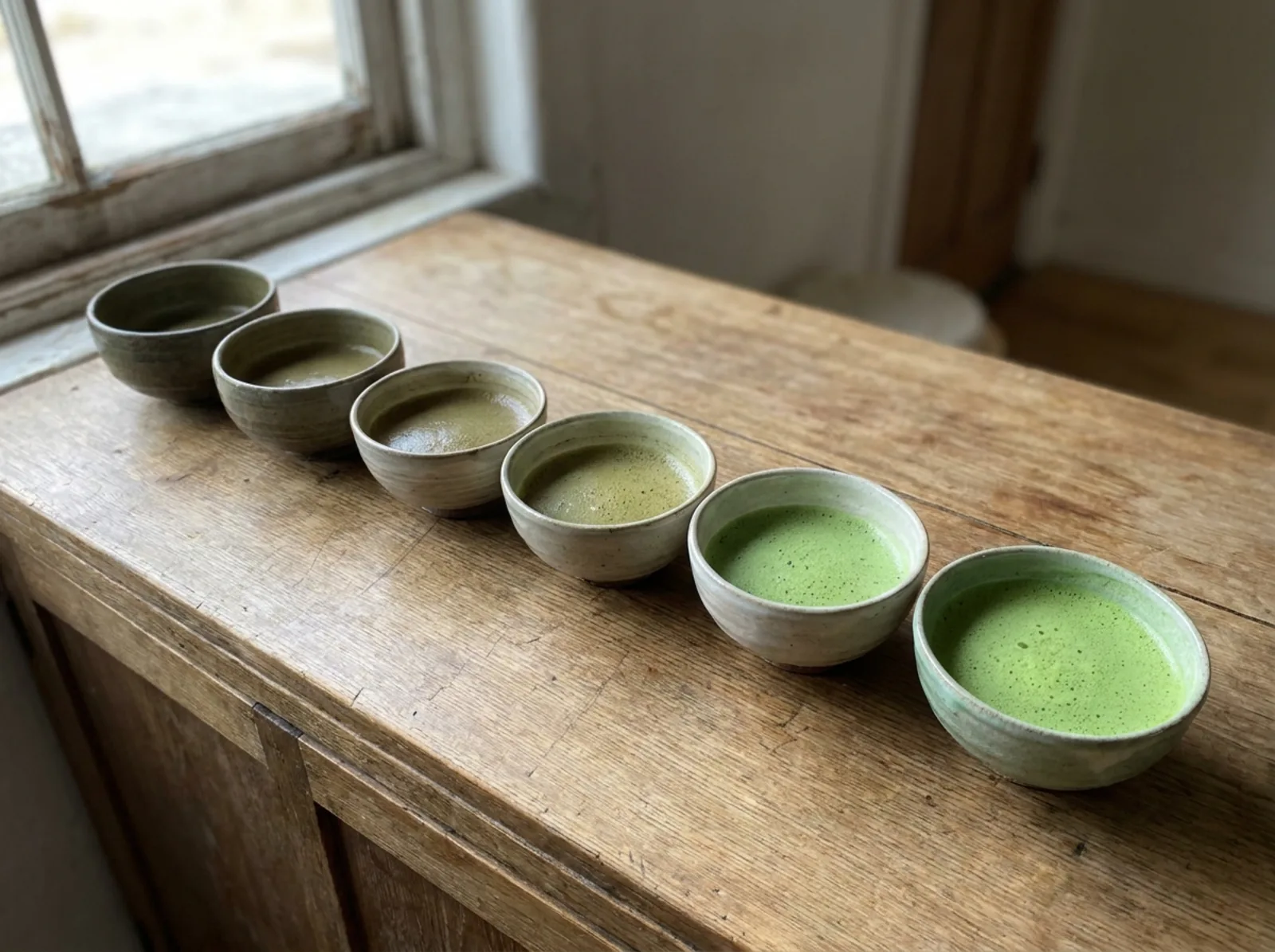
Side-by-side bowls reveal the color gap: vivid jade signals fresh, shade-grown leaf; dull olive signals later harvest or age.
Price vs. Quality: What Does Each Tier Buy?
Each price tier buys something specific. Budget ($) gets you accessible everyday matcha. Mid ($$) typically buys named-region blends, often the sweet spot for value drinkers. Premium ($$$) pays for named single-region, shade-grown, first-harvest drinking grades. Watch for brands charging $$$ for vague sourcing, the clearest sign of an overpriced tin. For more on what separates the tiers, the guide to high quality matcha breaks down the markers worth paying for.
How Do Freshness and Packaging Affect Matcha?
Matcha fades fast after grinding, so freshness is built into the price. Look for a harvest date, not just a best-by sticker. Good brands seal their tea in resealable, opaque tins or pouches that block light and air. Oxygen and sunlight turn vivid green matcha dull and hay-like within weeks of opening. If a tin shows up battered or has no harvest date on it, that’s the answer.
Quick Use-Case Guide
New to matcha? Start with Jade Leaf, a beginner favorite at Food Republic and Chowhound. Affordable, forgiving, and mild enough that a rough whisk won’t ruin the bowl. Hold off on $$$ Uji tins until your technique is solid.
Want the real ceremonial experience? Ippodo (Tasting Table) or Marukyu Koyamaen (matcha.com). Named-region Uji sourcing, centuries of milling, and drinking grades that reward slow sipping.
Daily latte drinker? Golde, named best for lattes by Love & Lemons, holds its flavor against milk. Latte grades exist for exactly this, and they cost less than premium drinking grades.
Tight budget but still want quality? Sencha Naturals (Fortune) and Navitas (Love & Lemons) cover the budget tier, and Jade Leaf is an affordable everyday ceremonial grade.
Want certified organic? Pique’s Sun Goddess is Fortune‘s Best Organic pick, with Encha a strong dual-certified alternative.
Which Matcha Brand Is Right for You?
For an all-around pick, Jade Leaf (Fortune) and Ippodo (Love & Lemons) top the expert consensus. New to this? Jade Leaf gives you a forgiving, affordable start. Either way, match the grade to your preparation and check the region on the label before you buy. For the full picture, head back to the best matcha pillar.
The Matcha Buyer’s Guide Hub: Choose the Right Matcha Without the Guesswork